
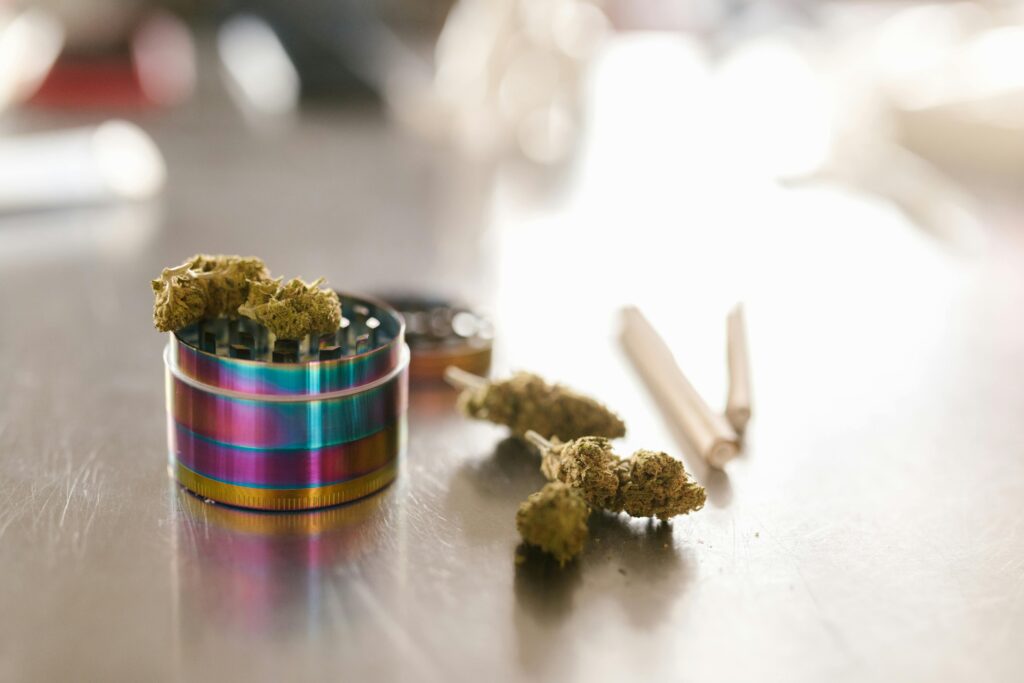
What happens after the high fades?
Table of Contents
ToggleAs cannabis continues its march toward mainstream acceptance—recreationally and medically—more people are turning to weed as a coping mechanism, pain relief solution, or social ritual. While marijuana may seem relatively harmless compared to other substances, its long-term impact is often minimized in casual conversations. That’s a mistake. The truth is, cannabis use—especially regular, high-potency use—can have both subtle and profound effects on the body and mind, even weeks, months, or years down the line.
Whether you’re someone exploring weed for the first time, a parent concerned about your teen’s experimentation, or someone who’s noticed lingering side effects after quitting, this guide will help you understand the full picture. We’ll unpack the short- and long-term effects of cannabis on mental health, memory, motivation, and physical well-being. And we’ll offer insight into how—and when—to seek support, especially if you or a loved one is dealing with dependency.
Let’s peel back the layers of the marijuana experience to examine what really happens after the smoke clears.
Short-Term Effects: What Happens in the First Few Hours?
The immediate effects of cannabis can vary widely depending on the strain, dose, method of use (smoking, vaping, edibles), and your personal biology. But some common responses are nearly universal.
Cognitive Shifts and Euphoria
Most people use cannabis for its mood-altering effects. THC, the psychoactive component in weed, binds to cannabinoid receptors in the brain, particularly in areas controlling pleasure, memory, and perception. This often leads to:
-
Euphoria or a “high”
-
Altered sensory perception (colors or music may seem more vivid)
-
Increased appetite (famously dubbed “the munchies”)
-
Distorted time perception
But not everyone has a euphoric experience. For some, especially first-timers or those with underlying anxiety, weed can trigger paranoia, confusion, or panic attacks.
Impaired Memory and Focus
Even a single dose of THC can impair short-term memory and attention. According to a 2021 review in the journal Addiction, cannabis acutely affects working memory and decision-making in both novice and chronic users. These effects may persist for several hours and can impact performance at work or school.
Motor Coordination and Driving Impairment
THC also disrupts the cerebellum and basal ganglia—parts of the brain responsible for coordination and movement. This means even moderate cannabis use can affect:
-
Reaction time
-
Balance
-
Fine motor skills
That’s why driving under the influence of cannabis is both illegal and dangerous. The National Institute on Drug Abuse (NIDA) notes that marijuana doubles the risk of being involved in a motor vehicle crash.
The Come Down: Hours to Days After Use
Once the peak high has passed, users may experience a “come down,” especially after heavy or edible use.
Lingering Fatigue and Fog
It’s not uncommon to feel mentally foggy, unmotivated, or physically drained the day after cannabis use. This is partly due to how THC interacts with the brain’s sleep and arousal pathways. Some users report needing longer to wake up, focus, or complete tasks the day after getting high.
Sleep Disruptions
While cannabis can initially make people feel sleepy, especially indica strains, it also interferes with the REM stage of sleep—the stage associated with dreaming and cognitive processing. Long-term use may suppress dreaming altogether. When users stop, they often report intense or vivid dreams as REM sleep rebounds.
Cannabis and Mental Health: A Complex Relationship
Anxiety and Depression
Although many people use weed to ease anxiety or low mood, chronic use may actually worsen these issues over time.
A 2022 study published in JAMA Psychiatry found that daily cannabis use was associated with increased risk of developing depression and suicidal ideation—especially in teens and young adults. THC can dysregulate the endocannabinoid system, which helps modulate mood and stress.
Paranoia and Psychosis
High-potency cannabis, particularly strains with THC levels above 15%, can provoke psychotic symptoms in vulnerable individuals. These include:
-
Hallucinations
-
Delusional thinking
-
Paranoia
In extreme cases, cannabis-induced psychosis can lead to hospitalization. People with a family history of schizophrenia or bipolar disorder may be at greater risk.
Motivational Syndrome: Myth or Reality?
We’ve all heard the stereotype: the laid-back, unmotivated stoner. But is there science behind it?
The Evidence on Amotivation
Studies do show a correlation between chronic cannabis use and decreased goal-directed behavior. One 2020 review in Psychology of Addictive Behaviors found that long-term users scored lower on measures of self-efficacy, drive, and achievement.
Researchers are still debating whether this is a causal effect of cannabis or if less motivated people are more likely to use weed. But either way, chronic use—especially during adolescence—appears to blunt the brain’s reward system.
Memory and Cognitive Impact Over Time
Memory impairment is one of the most consistently documented long-term effects of cannabis.
Short-Term Memory: Still Affected After Quitting
THC can impair hippocampal function, which is essential for short-term and working memory. Long-term users often struggle with recalling information or learning new material. While many cognitive functions recover after cessation, some impairments—especially those tied to early-life use—can persist.
Adolescent Brain Development
The adolescent brain is still developing, particularly the prefrontal cortex responsible for judgment and impulse control. Using weed before age 25 has been linked to:
-
Lower IQ scores
-
Decreased academic performance
-
Higher risk of substance use disorders later in life
That’s why delaying cannabis use until adulthood is one of the most protective choices young people can make.
Physical Health Effects: Lungs, Heart, and Hormones
While cannabis is often considered “natural,” that doesn’t mean it’s without risk to physical health.
Respiratory Risks
Smoking weed regularly can damage lung tissue and cause symptoms similar to chronic bronchitis:
-
Chronic cough
-
Phlegm production
-
Wheezing
Although cannabis doesn’t contain the same carcinogens as tobacco, combustion still exposes lungs to harmful chemicals. Vaping and edibles may reduce some of these risks, but they come with their own concerns (e.g., lung injury from vitamin E acetate in illicit vape products).
Heart Rate and Blood Pressure
THC increases heart rate for up to three hours after use. For people with heart conditions, this can pose serious risks. A 2023 American Heart Association bulletin warned that marijuana use may be linked to an increased risk of arrhythmias, heart attacks, and stroke—particularly in older adults.
Endocrine and Hormonal Effects
Heavy cannabis use has been associated with decreased testosterone levels in men, menstrual irregularities in women, and potential fertility issues in both sexes. While the evidence is mixed, the effects appear to be dose-dependent and reversible upon cessation.
Cannabis Use Disorder: When Weed Becomes a Problem
Despite the popular belief that weed isn’t addictive, about 1 in 10 users will develop Cannabis Use Disorder (CUD), according to NIDA. For those who start before age 18, that number jumps to 1 in 6.
Signs of Cannabis Use Disorder
-
Tolerance (needing more to get high)
-
Withdrawal symptoms (irritability, insomnia, cravings)
-
Unsuccessful attempts to quit
-
Continued use despite problems at work, school, or home
People with CUD may find that weed becomes central to their routines and coping strategies. Quitting can feel daunting, even if they want to stop.
The Withdrawal Timeline: What to Expect When You Quit
Withdrawal from cannabis doesn’t look like opiate or alcohol detox, but it’s very real and can be uncomfortable.
Common Symptoms
-
Insomnia
-
Mood swings
-
Headaches
-
Night sweats
-
Loss of appetite
-
Cravings
Duration
Most symptoms peak in the first week and resolve within 10–14 days. But psychological symptoms, like irritability or anxiety, can linger for several weeks—especially for long-term users.
Cannabis and Co-Occurring Disorders
Self-Medication Gone Awry
People with anxiety, PTSD, or ADHD may initially find cannabis helpful. But long-term use can mask or worsen underlying conditions, making it harder to seek appropriate treatment. In dual-diagnosis cases, integrated treatment is key.
Alcohol and Opioid Interactions
Some people mix weed with alcohol or opioids, thinking it “balances” the effects. In reality, polysubstance use increases the risk of overdose and can complicate recovery. Cannabis is not a benign add-on—it alters drug metabolism and increases sedation when combined with other substances.
Actionable Takeaways
-
Know your risk factors. If you have a personal or family history of mental illness, be especially cautious with cannabis.
-
Monitor your use. Track how often, how much, and why you’re using weed. If it’s becoming a crutch, that’s a red flag.
-
Avoid high-potency products. Look for strains with balanced THC-to-CBD ratios, or consider CBD-only alternatives.
-
Delay use if possible. The later in life you start, the lower your risk for long-term consequences.
-
Seek support early. If you’re struggling to cut back or quit, reach out to a professional—early intervention makes a huge difference.
-
Be mindful of withdrawal. Plan for a transition period if you’re quitting, and line up healthy coping tools in advance.
Conclusion
Cannabis isn’t the villain some critics make it out to be—but neither is it the harmless herb it’s often portrayed as. The truth lies somewhere in the messy middle. Weed can offer real relief and enjoyment for many people, but it also carries risks that deserve serious consideration, especially with long-term or heavy use.
Understanding the after effects—both short and long term—gives you the power to make informed, conscious choices. Whether that means moderating your use, quitting entirely, or just staying educated, the goal is always the same: to prioritize your health, clarity, and quality of life.
Renew Health: Your Partner in Weed Recovery Care
Phone: 575‑363‑HELP (4357)
Website: www.renewhealth.com