Across the United States, communities are facing a growing wave of overdoses linked to substances that were almost unheard of just a few years ago. Among the most concerning developments is the appearance of Bromazolam, a potent and unregulated benzodiazepine, often found mixed with fentanyl. Fentanyl itself has already reshaped the opioid crisis because of its incredible potency and profitability for drug traffickers. Adding Bromazolam into the mix has created a new and dangerous combination that greatly increases the risk of accidental overdose and death.
Many people still do not know what Bromazolam is, let alone why it is being combined with fentanyl. Others may have heard of it only in toxicology reports or news stories about counterfeit pills. Yet understanding this drug is critical. It is not just another name on a long list of new psychoactive substances. Bromazolam represents a fundamental shift in how illicit drug supplies are evolving, and when paired with fentanyl, the outcome can be devastating.
This blog will unpack the facts about Bromazolam and fentanyl. We will explain what each drug does to the brain and body, why they are so dangerous together, how they are showing up in counterfeit pills and street supplies, and what communities can do to respond. We will also highlight the signs of overdose, what treatment and recovery look like, and why awareness is our best defense. The goal is not to create fear but to arm readers with knowledge, compassion, and practical steps that can save lives.
What Is Bromazolam?
Bromazolam is a synthetic benzodiazepine. Benzodiazepines are a class of drugs that work by enhancing the effect of a neurotransmitter called gamma-aminobutyric acid, or GABA, which slows down activity in the brain and produces calming effects. Prescription benzodiazepines such as Xanax, Valium, and Ativan are used for treating anxiety, panic attacks, insomnia, and seizures. Bromazolam, however, was never approved for medical use. It was synthesized decades ago but left undeveloped. Today it has resurfaced, not in pharmacies but in illicit labs where it is pressed into counterfeit pills or added to other drugs.
Because it is not regulated, the potency of Bromazolam can vary dramatically. A single counterfeit pill may contain a very high dose, while another from the same batch may contain little or none. This unpredictability makes it extremely dangerous. Bromazolam has been increasingly detected in toxicology screenings after overdoses in North America. Often, people do not realize they have ingested it because it is disguised as a legitimate medication.
The effects of Bromazolam are similar to other benzodiazepines: sedation, reduced anxiety, muscle relaxation, memory impairment, and in high doses, unconsciousness. On its own, misuse carries serious risks of dependence, withdrawal, and overdose. But the real crisis begins when Bromazolam is combined with fentanyl.
What Is Fentanyl?
Fentanyl is a synthetic opioid that is many times more potent than heroin or morphine. It has legitimate medical uses in hospitals, where it is prescribed in very small doses for severe pain, often after surgery or for advanced cancer patients. However, illicit fentanyl has become the leading driver of overdose deaths in the United States. Just two milligrams, an amount that could fit on the tip of a pencil, can be fatal depending on a person’s tolerance.
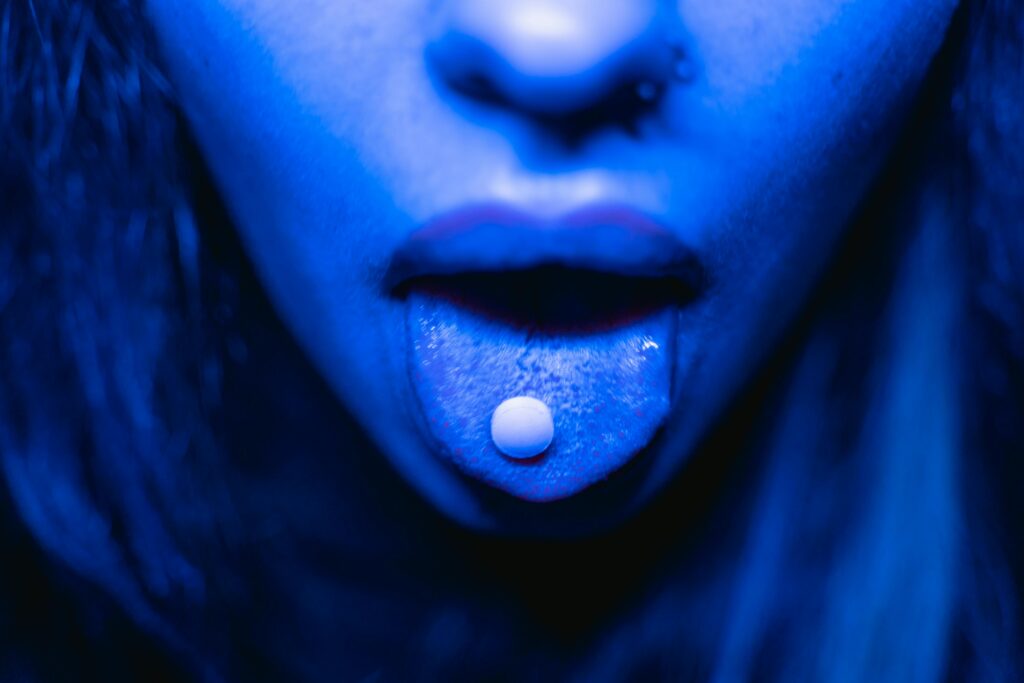
Illicit fentanyl is typically produced in powder form and pressed into counterfeit pills that look like OxyContin, Percocet, or Xanax. It is also mixed into heroin, cocaine, and methamphetamine to increase potency. Users rarely know what they are actually consuming. This unpredictability has fueled a massive rise in fatal overdoses over the past decade. According to the CDC, more than 70,000 overdose deaths in 2022 involved synthetic opioids, with fentanyl at the center.
Why Bromazolam and Fentanyl Together Are So Deadly
Bromazolam is a central nervous system depressant. Fentanyl is also a central nervous system depressant. When the two are taken together, their effects do not just add up, they multiply. Both slow down breathing. Both can cause unconsciousness. Both impair reflexes and awareness. Together, they create a perfect storm that can overwhelm the body’s ability to keep functioning.
In medical terms, the biggest risk is respiratory depression. When someone’s breathing slows too much, oxygen levels in the blood drop, leading to brain damage, coma, or death within minutes. With fentanyl alone, this risk is already high. With fentanyl plus Bromazolam, it is even more severe, because the sedative effect of the benzodiazepine makes it less likely someone will wake up or respond.
Another issue is that many people consuming these drugs have no idea they are taking both. A counterfeit Xanax pill may actually contain fentanyl and Bromazolam. A bag of heroin may be cut with both substances. Someone may think they are taking a prescription benzodiazepine to calm down, unaware that a deadly opioid is also inside. This lack of awareness makes it nearly impossible for people to manage their own risk.
How This Combination Is Showing Up in the Drug Supply
Drug trafficking organizations are constantly shifting their strategies to maximize profit and evade detection. As fentanyl became dominant in the opioid market, benzodiazepines like Bromazolam started appearing as additives or stand-ins. For traffickers, Bromazolam is cheap to produce and can be used to mimic the sedative effects of legitimate pills. Pressing counterfeit tablets is relatively easy, and when stamped to look like Xanax or Valium, they can be sold at a premium.
Recent forensic data has revealed Bromazolam in seized counterfeit pills across multiple states. Some toxicology reports also indicate that Bromazolam and fentanyl are frequently detected together in overdose victims. This shows the overlap is not theoretical. It is already happening. The pattern closely mirrors what we saw with fentanyl’s rise a decade ago. What started as an obscure chemical mentioned only in law enforcement circles is now at the center of the overdose epidemic.
The Science Behind Their Interaction
The reason this combination is so lethal lies in how the two drugs act on the body. Fentanyl binds to opioid receptors in the brain and spinal cord, reducing pain signals but also slowing breathing and heart rate. Bromazolam binds to GABA receptors, reducing neural activity and causing sedation. Each system in the body relies on a balance of excitation and inhibition. When both drugs push heavily toward inhibition, vital functions shut down.
Unlike opioids, which can be reversed with naloxone, benzodiazepines do not have a widely used, safe antidote. There is a medication called flumazenil that can reverse benzodiazepine sedation, but it is risky because it can cause seizures and is not routinely used in overdose settings. This means that if someone overdoses on a combination of fentanyl and Bromazolam, naloxone may revive breathing temporarily but the sedative effects of Bromazolam may persist, requiring continued medical support.
Signs and Symptoms of Overdose
Recognizing an overdose quickly is critical. Symptoms of a combined Bromazolam and fentanyl overdose may include:
-
Extreme drowsiness or unresponsiveness
-
Slow, shallow, or stopped breathing
-
Blue or gray lips and fingertips
-
Gurgling or choking sounds
-
Loss of consciousness
-
Pinpoint pupils (typical of opioids)
-
Slurred speech or inability to speak
If any of these symptoms appear, it is a medical emergency. Call 911 immediately and administer naloxone if it is available. While naloxone may not reverse all the effects, it can buy precious time by counteracting the fentanyl.
Case Example: A Hidden Danger
Consider the case of a 19-year-old college student who purchased what he thought was a Xanax bar to help with exam stress. After taking half of a pill, he became unresponsive within minutes. His roommate administered naloxone, which restored shallow breathing, but he remained unconscious until emergency responders arrived. In the hospital, toxicology results revealed the pill contained both fentanyl and Bromazolam. Without rapid intervention, the outcome could have been fatal. Stories like this are becoming more common, underscoring the hidden danger of counterfeit pills.
Why Young People Are Especially at Risk
Many young adults and teenagers experiment with prescription drugs they believe to be safer than street drugs. Pills carry an aura of legitimacy. When those pills are counterfeit, the illusion of safety is shattered. Bromazolam and fentanyl are often pressed into tablets that look identical to real Xanax or Percocet. Social media and peer networks can make access easier, and awareness of the risks is often low. That combination is fueling a rising number of overdoses among younger populations.
Withdrawal and Dependence
Both fentanyl and Bromazolam can cause dependence. Fentanyl dependence develops quickly because of its potency. Withdrawal symptoms can include severe cravings, body aches, sweating, anxiety, and insomnia. Bromazolam, like other benzodiazepines, can cause dangerous withdrawal symptoms including seizures, delirium, and panic attacks if stopped suddenly. Together, dependence on both substances creates a difficult and medically complex withdrawal process.
This is why medical supervision is essential. Detox should not be attempted alone. For opioids, medications such as buprenorphine or methadone can reduce withdrawal severity. For benzodiazepines, tapering under a physician’s care is the safest method. A comprehensive treatment plan may involve both approaches, along with counseling, behavioral therapy, and support groups.
Public Health and Policy Response
Public health officials are increasingly aware of the Bromazolam and fentanyl combination. The DEA has issued alerts warning of its spread, and several states are moving to schedule Bromazolam as a controlled substance. Toxicology labs are updating their capabilities to detect it more reliably. Harm reduction organizations are distributing educational materials and encouraging the use of fentanyl test strips and drug checking services, though testing for Bromazolam remains more limited.
Education campaigns are critical. Families, schools, and community leaders must understand that counterfeit pills are not safe, regardless of what they look like. A pill bought online or from a friend may contain a deadly mixture. Building awareness is one of the most powerful tools we have to reduce risk.
Actionable Takeaways
-
Bromazolam and fentanyl are both central nervous system depressants, and together they significantly increase the risk of fatal overdose.
-
Counterfeit pills are a major source of exposure, often disguised as prescription medications.
-
Naloxone can reverse the opioid effects of fentanyl but does not counteract Bromazolam, making emergency medical care essential.
-
Signs of overdose include slow breathing, unresponsiveness, blue lips or fingertips, and pinpoint pupils. Always call 911 immediately.
-
Withdrawal from either substance can be severe and dangerous. Medical supervision is necessary for safe recovery.
-
Education and awareness are key. Talking openly about the risks with family, friends, and young people can save lives.
-
Help is available. Treatment and recovery are possible with the right medical and psychological support.
Conclusion
Bromazolam and fentanyl represent one of the most dangerous combinations currently circulating in the drug supply. Each substance is risky on its own, but together they magnify the chance of respiratory failure, overdose, and death. The biggest danger is that many people who consume them have no idea what they are taking. Counterfeit pills have created a silent trap where a single decision can have life-altering consequences.
Yet there is hope. Awareness is growing, communities are mobilizing, and treatment resources are expanding. By spreading knowledge, reducing stigma, and offering compassionate support, we can reduce harm and help people find their way back from dependence. If you or someone you love is struggling, the most important step is to reach out. Recovery is always possible, and every life is worth saving.
Renew Health: Your Partner in Bromazolam and Fentanyl Care
Phone: 575-363-HELP (4357)
Website: www.renewhealth.com