
Many people experiment with high-inducing substances seeking pleasure, relaxation, or relief, often in an attempt to escape pain, stress, or reality. But what happens once the high fades? What does the body go through after the initial euphoria wears off?
The after effects of being high can vary dramatically depending on the substance, frequency of use, and individual physiology, yet they all share one commonality—they take a toll on the brain and body.
At Renew Health, we help individuals understand the science behind substance use so they can recognize how fleeting pleasure can transform into lasting harm. This article explores what happens after intoxication, how drugs disrupt normal body function, and what recovery looks like once the effects subside.
What It Means to Be “High”
“Being high” refers to the altered physical and mental state caused by psychoactive substances such as alcohol, cannabis, opioids, stimulants, or hallucinogens. Each drug works differently but produces the same result: a temporary change in brain chemistry that affects perception, mood, and behavior. The brain’s reward system releases dopamine, a neurotransmitter associated with pleasure and motivation that creates euphoria, relaxation, or heightened energy—feelings people often seek repeatedly. However, this artificial reward disrupts the brain’s natural balance. Over time, it requires more of the substance to achieve the same effect, setting the stage for dependence.
Common Substances and Their After effects
Every high begins with chemical interference. Substances flood the brain’s communication network, either mimicking natural neurotransmitters or blocking their reuptake. Opioids attach to receptors responsible for pain and pleasure, stimulants force the release of dopamine and norepinephrine, and depressants slow brain function by enhancing inhibitory signals. While these effects may initially feel pleasant, the brain quickly compensates by reducing the natural production of these chemicals, meaning that when the substance wears off, levels plummet, leaving the user depleted, irritable, or depressed. This imbalance is one of the core reasons the aftereffects of being high can feel so severe.
The specific after effects depend on the type of drug used, how much was taken, and the person’s overall health. Below are some of the most common categories, alongside their typical outcomes.
- Stimulants (Cocaine, Methamphetamine, Adderall)
Stimulants increase energy, focus, and alertness by boosting dopamine and norepinephrine levels, commonly before inducing a particularly harsh crash characterized by fatigue, anxiety, irritability, depression, and inability to concentrate. Heart rate and blood pressure can remain elevated for hours, and chronic use can lead to paranoia, insomnia, and cognitive decline. Methamphetamine use also causes visible physical changes such as weight loss, skin sores, and jaw clenching, often referred to as “meth face” or “meth jawline.” The crash from stimulant highs can last anywhere from a few hours to several days.
- Depressants (Alcohol, Benzodiazepines, Opioids)
Depressants slow the central nervous system, producing calmness or sedation. When the effects wear off, the brain rebounds with overstimulation, oftentimes via tremors, restlessness, insomnia, or agitation. With opioids such as heroin or prescription painkillers, withdrawal brings muscle aches, nausea, sweating, and anxiety, whereas alcohol’s after effects often include headache, dehydration, digestive upset, and emotional instability. Over time, repeated use of depressants alters the brain’s ability to regulate mood naturally, contributing to depression and anxiety disorders.
- Cannabis (Marijuana, THC Concentrates)
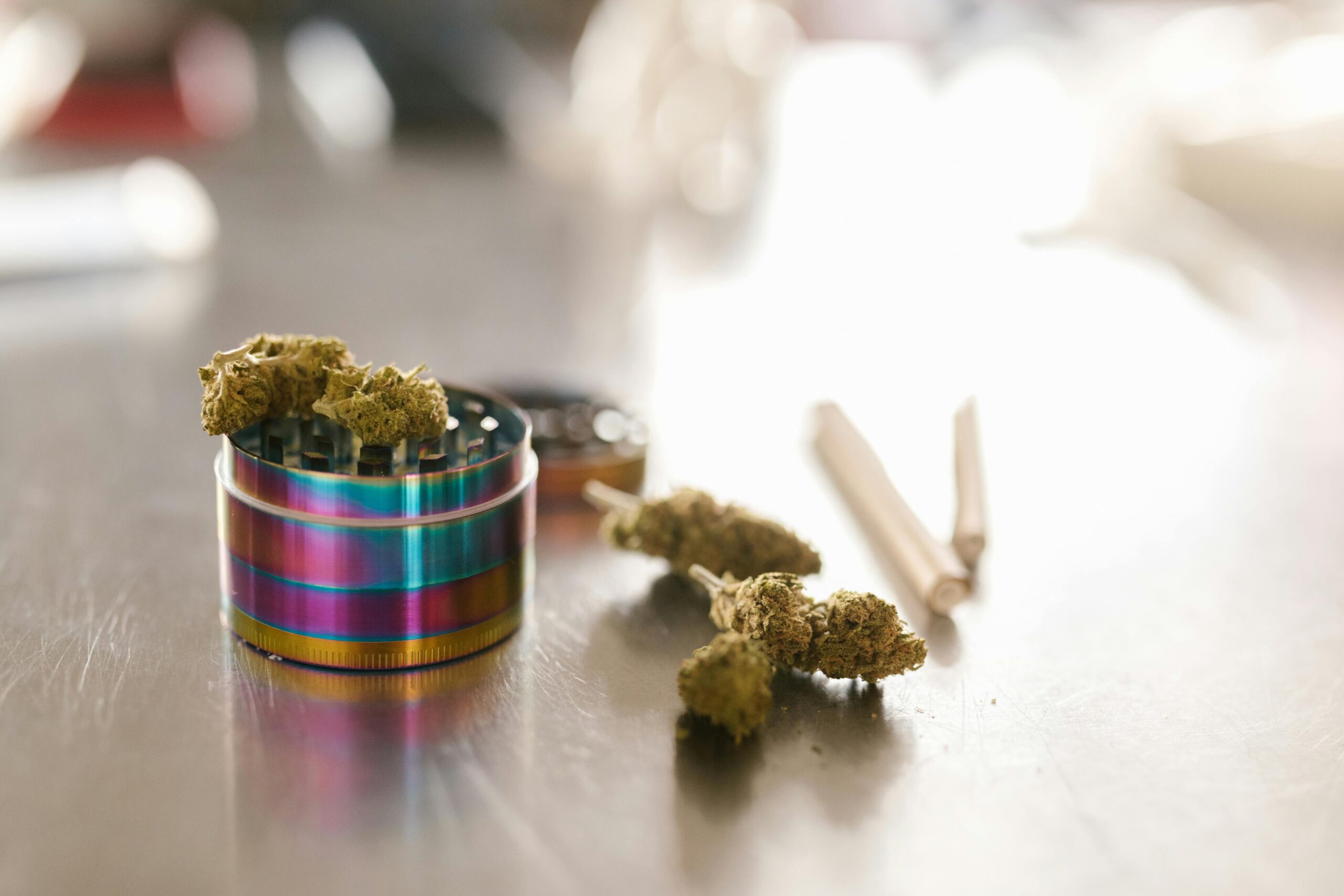
Cannabis produces a sense of relaxation, altered perception, and mild euphoria but can also incite fatigue, decreased motivation, memory impairment, dry mouth, and lingering anxiety. Some users experience “weed hangovers” the next day—symptoms such as brain fog, irritability, or headaches. Chronic heavy use may dull the brain’s reward system and lead to emotional blunting or dependence. Although cannabis is often perceived as harmless, it can also disrupt sleep patterns, cognitive function, and mood regulation over time.
- Hallucinogens (LSD, Psilocybin, MDMA)
Hallucinogens alter sensory perception and emotional processing, creating experiences that feel profound or spiritual. However, once the high fades, users may experience confusion, exhaustion, or emotional sensitivity. MDMA, also known as ecstasy, depletes serotonin—a neurotransmitter crucial for mood regulation—leaving individuals feeling empty, anxious, or depressed for several days afterward. Some people develop flashbacks or perceptual disturbances known as Hallucinogen Persisting Perception Disorder (HPPD).
- Inhalants and Synthetic Drugs
Substances like nitrous oxide, aerosol sprays, and synthetic cannabinoids cause intense but short-lived highs, the aftereffects of which include dizziness, nausea, confusion, and in some cases, brain and nerve damage. Synthetic drugs often contain unpredictable chemical compounds that produce severe, long-term psychological and physical reactions.
The Physical and Emotional Ramifications of Being High
Although each drug type uniquely affects the body, many share similar physical consequences once the intoxication ends. Common symptoms include:
- Headaches and dehydration due to chemical imbalances and fluid loss
- Fatigue from disrupted sleep and energy metabolism
- Digestive issues such as nausea, constipation, or diarrhea
- Muscle aches or tremors
- Rapid heartbeat or lingering changes in blood pressure
- Reduced coordination or balance
These effects may last from several hours to multiple days, depending on the drug and frequency of use. Repeated exposure over time increases the risk of chronic health problems, such as heart disease, liver damage, or neurological impairment.
In addition, many substances interfere with normal sleep cycles, leaving users exhausted even after extended rest. Stimulants suppress sleep altogether, while depressants such as alcohol or opioids disrupt deep REM stages. Poor sleep contributes to fatigue, mood swings, and difficulty concentrating, to the extent that cognitive performance—attention, memory, and decision-making—often suffers as well. These deficits can persist for weeks or months with chronic use, even after sobriety begins.
Chronic stimulant use also damages the cardiovascular system, depressants impair liver and kidney function, and hallucinogens can cause persistent perception disorders. Cognitive decline, emotional instability, and chronic fatigue grow more pronounced over time. The earlier treatment begins, the greater the chance for full recovery and reversal of damage.
That said, the psychological or emotional aftereffects of being high can be even more challenging than the physical ones. As neurotransmitter levels drop, individuals may feel empty, anxious, irritable, or depressed as the brain, temporarily deprived of dopamine and serotonin, struggles to maintain equilibrium. This “emotional crash” is one of the main reasons people return to drug use—it offers temporary relief from the discomfort of withdrawal or low mood. Unfortunately, this pattern reinforces addiction. When the brain becomes reliant on substances to achieve emotional stability, people may lose interest in natural sources of pleasure, such as relationships, hobbies, or work, over time.
The relationship between substance use and mental health is complex. While many people use drugs to manage anxiety, depression, or trauma, those conditions often worsen once the high subsides. Alcohol and stimulants can exacerbate panic and paranoia, while opioids may deepen feelings of hopelessness. People recovering from prolonged use often experience post-acute withdrawal syndrome (PAWS), a condition characterized by emotional volatility, insomnia, and cognitive fog that can last for months. Recognizing these aftereffects as part of recovery, not personal weakness, is essential for healing.
Healing After Substance Abuse
The human body has a remarkable capacity to recover once drug use stops. Within days of abstinence, blood pressure, sleep patterns, and appetite begin to stabilize. Within weeks, brain chemistry starts to rebalance, and mood improves. However, full recovery can take months or even years, depending on the substance and duration of use. At Renew Health, we help patients rebuild their bodies from the inside out through comprehensive medical care, therapy, and wellness planning. Our clinical nutrition specialists design individualized plans to help patients regain physical strength during early recovery.
Nutrition, hydration, and exercise accelerate healing by replenishing depleted nutrients and restoring energy balance. As alcohol leaches B vitamins and magnesium, while stimulants suppress appetite and reduce calorie intake, rehydration and proper nutrition are key to overcoming the aftereffects of being high. Foods rich in protein, complex carbohydrates, and antioxidants support liver and brain recovery, and hydrating with water and electrolyte beverages helps flush toxins and restore energy.
While the body heals quickly, the mind often takes longer. Therapy plays a vital role in addressing psychological aftereffects. Cognitive Behavioral Therapy (CBT) helps individuals identify triggers and reshape destructive thought patterns. Mindfulness-based therapies teach emotional regulation and stress management. Trauma-informed counseling explores the underlying pain that may have led to substance use in the first place. These approaches help patients replace the temporary comfort of drugs with lasting emotional resilience.
Therapy also acknowledges that substance use doesn’t happen in isolation. The aftereffects of being high often ripple through families, workplaces, and friendships. Trust may be broken, and communication can suffer. Recovery involves rebuilding these relationships through honesty, accountability, and support. Group therapy and peer recovery programs create a safe space for sharing experiences and reconnecting with others who understand the journey. At Renew Health, we emphasize community as a cornerstone of healing. No one recovers alone.
Recovery, Relapse Prevention, and Renew Health
The emotional low that follows a high is one of the most dangerous periods for relapse. Cravings can intensify as the brain seeks to escape discomfort. Recognizing this window and having a plan in place is crucial. Strategies include staying connected to therapy, avoiding triggers, engaging in physical activity, and practicing self-care. Medication-assisted treatment (MAT) with options like naltrexone or buprenorphine can also help reduce cravings and prevent relapse for individuals recovering from opioids or alcohol.
At Renew Health, we understand that the aftereffects of being high can be frightening, confusing, and painful. Our integrated programs address both the biological and psychological sides of recovery. We offer medical detoxification, therapy, medication management, and holistic wellness care under one roof. Our goal is to help patients move beyond cycles of intoxication and withdrawal to discover balance, stability, and fulfillment in daily life. Through education, compassion, and evidence-based treatment, we guide each person toward lasting healing.
Actionable Takeaways
- The aftereffects of being high vary by substance but often include fatigue, mood swings, and cognitive impairment.
- The brain’s dopamine and serotonin levels drop after intoxication, leading to emotional lows.
- Physical recovery includes hydration, nutrition, rest, and medical supervision.
- Emotional recovery requires therapy, support groups, and long-term lifestyle changes.
- Recognizing and managing cravings during post-high crashes is essential to prevent relapse.
- Renew Health provides comprehensive, compassionate care for people recovering from all forms of substance use.
Every high comes with a cost. While the initial experience may bring escape or pleasure, the aftermath exposes the body and mind to imbalance, exhaustion, and emotional turmoil. Understanding these effects is the first step toward breaking the cycle of use and recovery. The good news is that the same brain and body that adapt to substances can also heal from them.
With medical support, therapy, and community connection, sustainable recovery is possible. At Renew Health, we are dedicated to helping individuals turn the crash into a comeback, transforming the aftereffects of being high into the foundation for renewal, resilience, and lifelong wellness.
Renew Health: Your Partner in Recovery, Healing, and Long-Term Wellness
Phone: 575-363-HELP (4357)
Website: www.renewhealth.com