The question is fentanyl shiny may seem simple on the surface but in reality it opens the door to one of the most important conversations happening in addiction medicine today. Appearance based questions often come from fear confusion or a desire to protect oneself or a loved one. When someone asks what fentanyl looks like they are usually trying to understand how to keep themselves safe or how to protect a family member who may be experimenting with substances. At Renew Health we have seen firsthand how misinformation about the appearance of fentanyl puts people at risk sometimes in heartbreaking ways. This is why we always start with clarity. The appearance of illicit fentanyl varies widely depending on who made it where it was produced what substances it was cut with and how it was transported. There is no single reliable visual marker that confirms something contains fentanyl. Sometimes it appears as a white powder. Sometimes it looks off white or tan. Sometimes it is pressed into counterfeit pills. Sometimes it looks like small chalky fragments. And sometimes counterfeit pills are produced with dyes that make them look identical to legitimate prescription medications. So if you have ever wondered is fentanyl shiny the answer is that fentanyl itself does not have a consistent appearance and visual inspection is never enough to confirm whether a substance contains fentanyl. That said this question matters because misjudging appearance has consequences. Many people believe that if something looks clean or bright or uniform it must be safe. Others believe fentanyl will always look crystalline or sparkly or that it will have a distinct sheen. Still others believe they can identify fentanyl by holding it up to a light. None of these are accurate or safe methods. In this blog we will walk through what illicit fentanyl typically looks like why appearance is unreliable how the drug supply has changed in the last five years how people can protect themselves and where treatment fits in for anyone who is trying to step into a safer more stable chapter of life. Our goal as always is to equip you with clear trustworthy information that you can use to protect yourself your family or anyone you care about.
Table of Contents
ToggleUnderstanding Why People Ask About The Appearance Of Fentanyl
When someone asks about is fentanyl shiny the question rarely appears in isolation. It often comes alongside fears about contamination overdose counterfeit pills or unknown powders. Today almost every substance purchased outside a pharmacy has the potential to contain fentanyl including stimulants like cocaine and methamphetamine and counterfeit pills that mimic medications such as oxycodone Percocet Xanax and even Adderall. One of the reasons visual identification has become such a common topic is that people want fast answers. They want to know whether a pill is real or fake without needing specialized equipment. They want to trust their eyes because trust feels easier than uncertainty. But the truth that clinicians emphasize is that visual inspection has never been reliable. Illicit manufacturers know exactly how to press powder into pills that look identical to legitimate medication. Some even use professional grade pill presses. As a result two pills may look the same but one could contain two milligrams of fentanyl while the other contains none. That difference can be the difference between life and death. The widespread presence of fentanyl in the drug supply also means people who do not intentionally seek opioids may still unintentionally consume them. We have seen people taking what they believed was a benzodiazepine or a stimulant and experiencing respiratory depression because the pill contained fentanyl. When people hear these stories they reach for any method that can help them feel more in control. Asking about appearance is a natural response but it is important to ground the conversation in reality. The reality is that visual cues are never enough.
What Illicit Fentanyl Actually Looks Like In The Real World
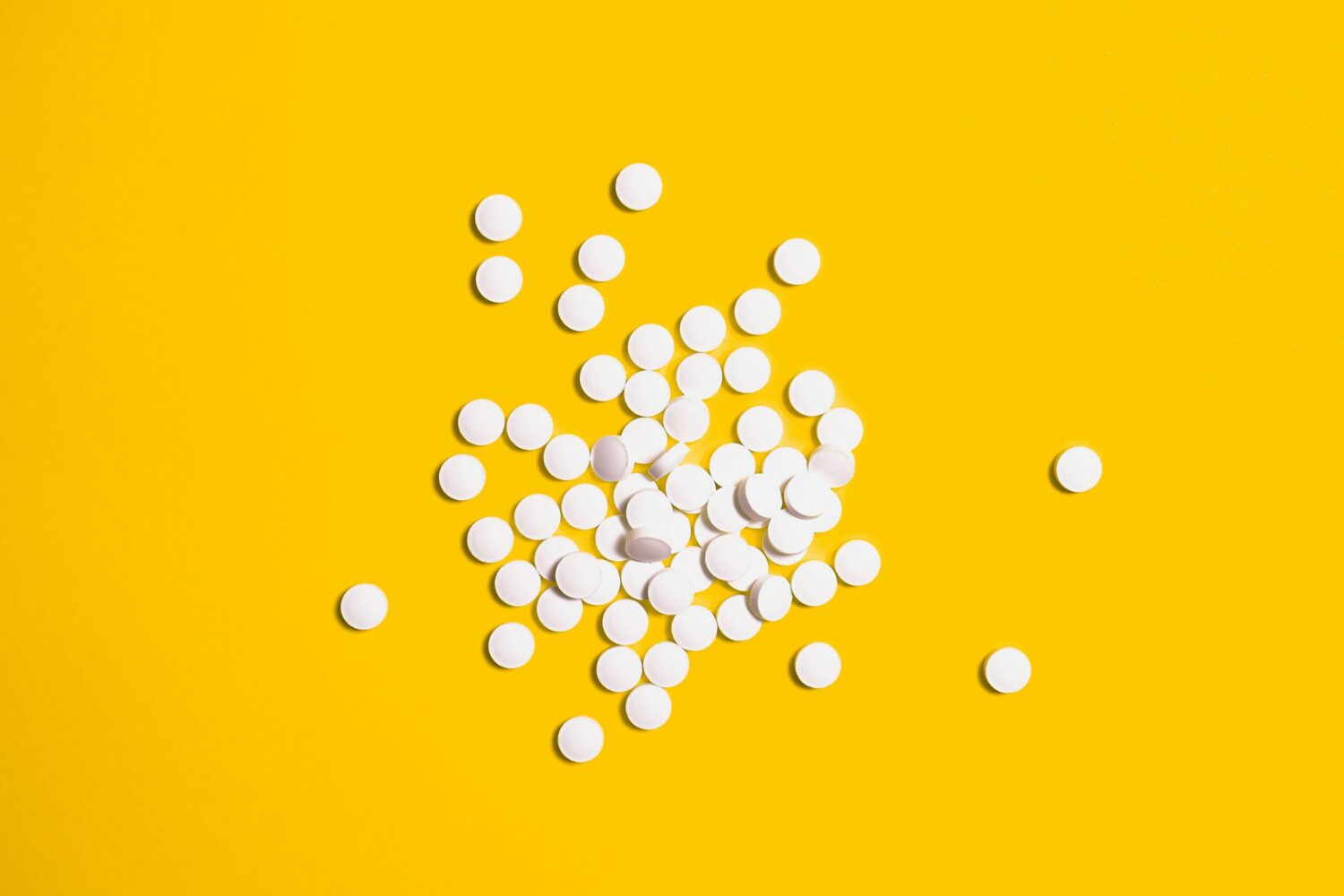
Illicit fentanyl does not have a standardized appearance because it is produced in clandestine labs often overseas and shipped through complex supply chains. This means steps like synthesis cutting mixing pressing and transportation vary dramatically. As a result the final product varies too. The most common forms include powders of varying colors including bright white off white tan or slightly brown. Some powders appear fluffy while others appear compacted or slightly granular. None of these textures reliably indicate potency or purity. Pressed pills which have become the most common form circulating in many regions often appear in colors like blue light green white or pale yellow. Many mimic the look of pharmaceutical tablets down to the imprint code. Illicit manufacturers sometimes add food dyes or industrial coloring agents to imitate specific brands. Some counterfeit pills have a chalky texture while others look polished or smooth. Again none of these traits indicate safety. Street fentanyl may also appear in small rocks similar to crushed drywall or plaster. In some areas black market fentanyl mixed with heroin results in a sticky tar like substance but even this has become less consistent in recent years. The important takeaway is that the visual profile does not tell you what is inside. Even trained clinicians and law enforcement cannot reliably identify fentanyl through sight alone. Laboratory testing is required. Harm reduction strategies like fentanyl test strips can identify the presence of fentanyl in many cases though not all analogs. This is why the safest assumption is that any pill powder or substance purchased outside of a pharmacy may contain fentanyl unless proven otherwise through testing.
Why The Drug Supply Has Become So Difficult To Identify
To understand why questions like is fentanyl shiny have become so common we need to talk about how the illicit drug market has changed. Over the last decade fentanyl has replaced heroin in much of the United States because it is far cheaper to produce easier to transport and far more potent by weight. A single kilogram of fentanyl can produce hundreds of thousands of counterfeit pills. Illicit producers and distributors are incentivized to create products that appear legitimate since visual familiarity builds consumer trust. Many people believe that if a pill looks like something a doctor would prescribe it must be safe. This creates a dangerous illusion. Another factor is the rapid introduction of fentanyl analogs meaning slightly modified chemical structures that can be even more potent. These analogs can be mixed unpredictably and are often indistinguishable from one another. They do not create unique or identifiable visual traits. Economic pressure within the illicit market also plays a role. Cutting agents such as lactose lidocaine mannitol talc and caffeine can change the texture and appearance of fentanyl powders which is why consistency is impossible. Some agents make powders look smoother or brighter which can lead people to mistakenly assume higher quality. Others make mixtures appear dull or clumpy which can lead to false assumptions of lower potency. In reality the cutting agent only determines appearance not safety.
The Myth That Fentanyl Has A Shiny Or Sparkly Appearance
Across online forums social media and street myths you will sometimes hear claims that fentanyl has a shiny or metallic quality. Some people insist that you can tell is fentanyl shiny by holding it up to a light or looking for a reflective surface. These myths are dangerous. Actual pharmaceutical grade fentanyl in medical settings is typically used in liquid form patches or lozenges. The powdered form circulating on the illicit market has no consistent sheen. Any appearance of shine usually comes from cutting agents or from the way powders naturally reflect light when compacted. Some counterfeit pill coatings may appear slightly glossy because producers add inexpensive binding agents that create a smooth surface. This shine has nothing to do with fentanyl itself. There is no scientific or practical reason why fentanyl would glitter sparkle or reflect light in a consistent way and believing otherwise can lead to fatal misjudgment.
Real Stories Of Harm That Began With Visual Misjudgment
In clinical practice we have seen too many individuals harmed by relying on appearance based assumptions. Someone believed a pill was safe because it looked exactly like a prescription medication they had taken before. Someone else believed a powder was free of fentanyl because it looked light and uniform. Another person believed shine indicated safety and dullness indicated danger. Each assumption was built on the understandable desire to protect oneself but each assumption failed. These stories are painful yet they highlight why education matters. One example involved a young adult who took what they believed was a legitimate anxiety medication purchased through a friend. The pill was identical in shape color and imprint to a pharmacy dispensed medication. Yet it contained fentanyl and resulted in a near fatal overdose. In another case someone believed counterfeit pills were safe because they had a polished look. They assumed that lower quality operations would produce dull chalky pills while real ones would appear smooth. This assumption is not grounded in fact. Some illicit operations operate highly sophisticated pill presses and produce pills that appear more polished than legitimate tablets. In yet another case a person believed that fentanyl always appeared tan or brown and therefore assumed white powders were safer. This belief was based on anecdotal stories not on chemical reality. They overdosed after consuming a white powder that contained fentanyl. These cases are heartbreaking but they illustrate the truth that visual identification is never reliable.
What Actually Determines The Danger Of Fentanyl
The danger of fentanyl has nothing to do with whether it looks shiny rough uniform or dull. The real danger lies in its potency and variability. Fentanyl is roughly fifty times stronger than heroin and one hundred times stronger than morphine. A few milligrams can cause fatal respiratory depression. In counterfeit pills potency is unpredictable because illicit operations do not measure consistently. One pill may contain almost no fentanyl while the next contains a lethal dose. There is no way to know which is which just by looking. In powders the distribution of fentanyl can also be uneven. Even within the same bag one part may contain a high concentration while another part contains almost none. Cutting agents may create the illusion of consistency but they do not guarantee safety. This is why clinical guidance emphasizes testing harm reduction and evidence based treatment rather than appearance based strategies.
How Harm Reduction Tools Actually Work
If appearance does not provide reliable information what does? Harm reduction strategies such as fentanyl test strips provide far more accurate insight. These strips when used correctly can detect the presence of fentanyl in many but not all samples. They are not perfect and cannot measure dosage but they are vastly superior to relying on visual cues. Other forms of testing such as reagent kits and laboratory analysis provide even more detail. Additionally using naloxone having someone nearby not mixing substances and consuming slowly are evidence based strategies to reduce risk. In clinical practice we encourage people to take a layered approach. No single tool eliminates risk but using multiple tools together significantly reduces the likelihood of overdose.
What To Do If You Or A Loved One Is Concerned About Fentanyl Exposure
If someone is asking is fentanyl shiny they may be frightened confused or trying to protect themselves. This is the moment to slow down breathe and step toward clarity. The safest actions include avoiding substances not obtained through a pharmacy testing substances when possible keeping naloxone accessible educating friends partners and family members about overdose warning signs avoiding using alone and considering medication assisted treatment if opioid use has become regular or compulsive. This is where treatment becomes life changing. Programs like Renew Health combine medical expertise counseling supportive structure and a judgment free environment to help people stabilize and rebuild. Treatment is not about punishment. It is about providing tools that help someone regain control of their life.
Why Medication Assisted Treatment Is A Lifesaving Option
Medications like buprenorphine and methadone significantly reduce overdose risk because they provide a consistent regulated dose of an opioid that prevents withdrawal reduces cravings and blocks the effects of illicit opioids. This means that even if someone encounters fentanyl they are far less likely to experience fatal overdose. Research over decades shows that medication assisted treatment cuts mortality risk in half or more. For many people the entry point into treatment begins with a question as simple as what does fentanyl look like or is fentanyl shiny because these questions reflect growing awareness and concern. Treatment centers like Renew Health specialize in helping people explore their options with compassion and expertise. Our clinicians have worked with thousands of patients navigating opioid use disorder and we know how overwhelming it can feel to take the first step. But that first step is often the turning point.
Actionable Takeaways
The question is fentanyl shiny has a clear answer which is no. There is no consistent shine glitter or sparkle that indicates the presence of fentanyl. Appearance alone cannot confirm safety. Always assume that non pharmacy pills and powders may contain fentanyl. Use harm reduction tools such as fentanyl test strips when available. Keep naloxone accessible and ensure those around you know how to use it. Avoid using alone whenever possible. Seek professional treatment if opioid use has become regular or overwhelming. Medication assisted treatment significantly reduces overdose risk. Education saves lives. The more clearly we understand the realities of fentanyl the safer we can be.
Conclusion
Fentanyl is dangerous not because of its appearance but because of its potency and unpredictability. The belief that you can identify fentanyl by whether it looks shiny smooth or rough is a myth. Illicit fentanyl varies widely in appearance and visual inspection is never reliable. The safest approach is to test substances seek support and use evidence based treatments that reduce harm and build long term stability. At Renew Health we believe that knowledge is power and that every person deserves access to trustworthy information and compassionate care. If you or a loved one is navigating concerns about fentanyl we are here to help guide you toward a safer and more stable future.
Renew Health: Your Partner in Fentanyl Safety Care
Phone: 575-363-HELP (4357)
Website: www.renewhealth.com