
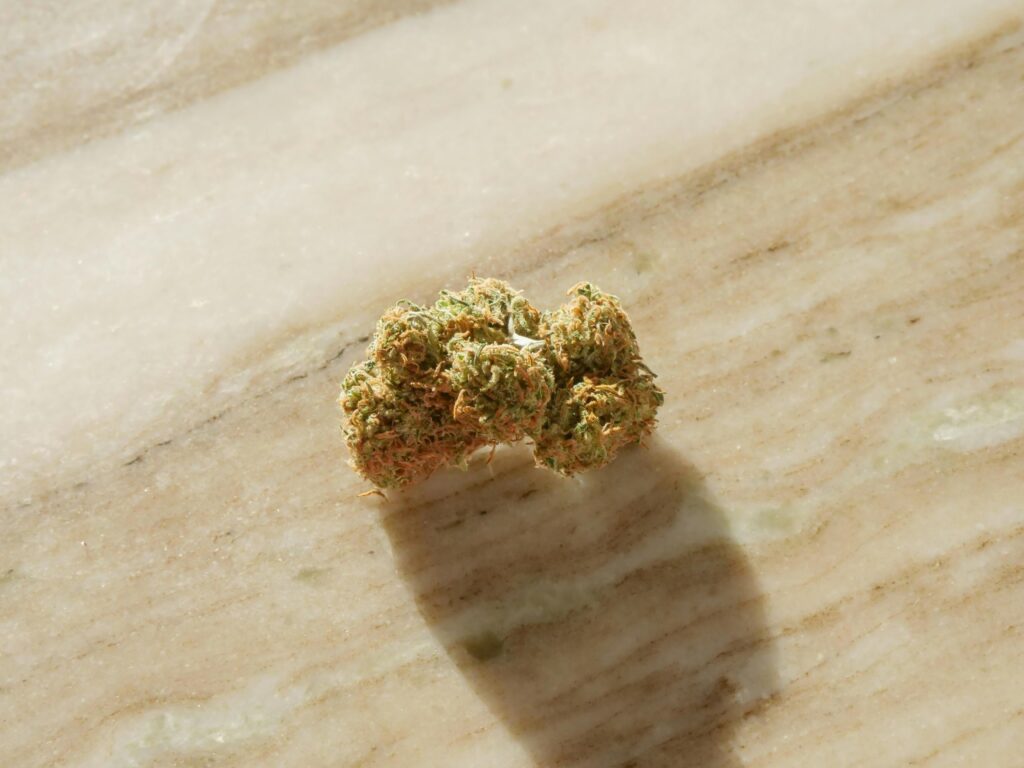
With marijuana legalization sweeping across much of the United States, a growing number of people are wondering: is there still a reason to get a medical marijuana card? If cannabis is legal for recreational use in your state, why bother with paperwork, doctors’ appointments, and fees? On the other hand, in states where recreational cannabis is still prohibited, getting a medical card may be the only legal route to access marijuana. But even beyond legality, a medical marijuana card offers a range of benefits that many people don’t fully understand. From lower costs and higher product potency to legal protection and personalized medical guidance, having a card can be a game-changer—especially if you’re managing chronic pain, anxiety, PTSD, or another qualifying condition. In this comprehensive guide, we’ll explore the advantages and drawbacks of getting a medical marijuana card, help you decide whether it’s worth it in your specific situation, and explain how the process works in most states. Whether you’re cannabis-curious or already using marijuana for symptom relief, this article will give you a grounded, factual look at what a medical card can really do for your health and wellness journey.
Table of Contents
ToggleMedical vs. Recreational Cannabis: Understanding the Difference
To start, it’s important to distinguish between medical marijuana and recreational cannabis. While both come from the same plant—Cannabis sativa or Cannabis indica—the rules, access points, and usage purposes differ. Recreational marijuana is used for enjoyment, relaxation, or social purposes. You can usually walk into a dispensary in a recreational state and purchase cannabis without needing a prescription or approval from a medical professional. Medical marijuana, on the other hand, is used specifically to alleviate symptoms of health conditions and is accessed through a regulated process. Patients must receive a doctor’s recommendation and apply for a medical card through their state’s cannabis program. This system is designed to treat cannabis like any other medication: thoughtfully, legally, and with professional oversight. The key takeaway is that even in states where recreational use is allowed, the medical marijuana system provides different—often better—benefits for qualified individuals.
Legal Protections and Broader Access in Medical-Only States
If you live in a state where recreational cannabis is still illegal, a medical marijuana card is the only legal way to obtain and use cannabis. As of early 2025, 17 states allow medical use but not recreational use. In these states, having a medical marijuana card protects you from legal prosecution for possession, use, and cultivation within defined limits. For example, in Texas, Florida, and North Carolina, being caught with cannabis without a medical card can lead to fines, court appearances, and even jail time. With a card, you’re legally authorized to possess and use marijuana for approved medical conditions. Additionally, medical marijuana programs often allow for a wider range of products and higher possession limits. In some states, medical cardholders can grow their own plants at home, whereas recreational users cannot. This gives patients more autonomy and affordability in managing their health.
Lower Cost and Reduced Taxes
One of the most practical benefits of holding a medical marijuana card—even in recreational states—is cost savings. Medical cannabis is often taxed at a much lower rate than recreational cannabis. In California, for example, recreational users may pay up to 35% in combined local and state taxes, while medical cardholders are exempt from certain excise and sales taxes. Over time, this difference adds up significantly. Let’s say a recreational user spends $300 a month on cannabis. With taxes, that becomes nearly $400. A medical patient, by contrast, might pay just $320 or less for the same amount. In many states, dispensaries also offer discounts or loyalty programs specifically for medical patients. These can include bulk pricing, compassionate care pricing for low-income patients, or deals on high-potency therapeutic products that aren’t available to recreational users. When combined, these savings often outweigh the annual cost of a medical card, which typically ranges from $50 to $200 depending on the state.
Higher Potency and Product Variety
Medical marijuana programs often allow for stronger, more targeted cannabis products. In recreational markets, there are usually strict THC limits on edibles and concentrates. For example, many states cap recreational edibles at 5 or 10 mg of THC per serving. Medical patients, on the other hand, can access products with 50 mg or more per dose—making them more effective for severe symptoms like chronic pain, chemotherapy-induced nausea, or spasticity from multiple sclerosis. Furthermore, certain products—such as high-CBD tinctures, full-spectrum oils, or low-THC, pediatric-friendly formulas—may be exclusive to the medical market. These products are developed with therapeutic intent and are often backed by more rigorous lab testing and dosing guidelines. If you’re managing a condition that requires consistent and predictable symptom relief, these options can be invaluable. Having a medical card also grants access to medical-only dispensaries, where budtenders often have specialized training and can offer more detailed product guidance.
Medical Oversight and Symptom-Specific Treatment Plans
A major benefit of the medical marijuana system is the inclusion of a healthcare provider in your treatment journey. Rather than self-medicating, you’ll work with a physician or nurse practitioner who evaluates your symptoms, recommends cannabis as a treatment option, and helps you navigate the most effective strains, dosages, and formats for your condition. This level of guidance can be especially helpful for patients with complex or chronic illnesses. For instance, a patient with PTSD may benefit from a different cannabis profile than someone with arthritis or fibromyalgia. A licensed provider can help identify terpenes and cannabinoid ratios that support your specific needs. This partnership also allows for more accountability and documentation. Your use of cannabis becomes part of your official medical record, which may support insurance claims, disability accommodations, or discussions with other healthcare professionals. While insurance rarely covers cannabis itself, having documentation from a licensed provider can improve care coordination and safety.
Higher Purchase and Possession Limits
Recreational users are often limited in how much cannabis they can buy and carry at one time. In many states, the legal limit for recreational purchase is 1 ounce of flower or 8 grams of concentrate. Medical patients, however, are often allowed to purchase and possess significantly more. For example, in Oregon, medical cardholders can buy up to 24 ounces at a time, while recreational users are capped at 1 ounce. In Florida, qualified patients can receive up to 2.5 ounces every 35 days. These higher limits are crucial for people who rely on cannabis as a daily medication. It means fewer trips to the dispensary, reduced costs, and better management of chronic symptoms. In some states, medical patients can also designate caregivers who are allowed to purchase or administer cannabis on their behalf—a key benefit for children, seniors, or individuals with mobility challenges.
Home Cultivation Rights
Many medical marijuana programs allow cardholders to grow their own cannabis plants at home, a right not usually granted to recreational users. In Colorado, medical patients can grow up to 24 plants (with approval), while recreational users are limited to six. In Massachusetts, patients with a medical need and no nearby dispensary can get a hardship cultivation license that allows them to grow at home. Growing cannabis at home offers multiple benefits. It’s cost-effective, gives patients control over strain and cultivation methods, and ensures a consistent supply. For individuals living in rural areas or with limited dispensary access, this can be a lifeline. That said, home cultivation comes with its own responsibilities—such as adhering to state guidelines, securing plants from minors or pets, and understanding how to harvest, dry, and store cannabis safely.
Access for Minors and Patients with Disabilities
In states where medical marijuana is legal but recreational use is restricted to adults 21 and older, having a medical card is the only way for minors or individuals with disabilities to access therapeutic cannabis. Children with severe epilepsy, autism, or cancer may benefit tremendously from specific cannabis formulations. In these cases, medical cannabis is administered under strict supervision and with a doctor’s oversight. Many medical programs allow parents or legal guardians to act as designated caregivers who manage the child’s treatment. Similarly, adults with mobility issues or cognitive impairments can authorize caregivers to purchase and administer cannabis on their behalf. This adds a layer of safety, structure, and legal clarity that recreational access simply doesn’t provide.
Avoiding Employment and Housing Discrimination (In Some States)
While cannabis use can still raise red flags in some workplaces and housing settings, holding a medical marijuana card may offer legal protection in specific jurisdictions. In Arizona and New York, for instance, employers cannot discriminate against employees or job applicants solely based on their status as medical marijuana patients. Landlords in some states are also prohibited from evicting tenants based on their enrollment in a medical marijuana program, as long as their use is legal and non-disruptive. However, these protections are not universal and don’t apply to all job sectors. Federal contractors and safety-sensitive positions may still enforce zero-tolerance policies. But in states with robust patient rights laws, holding a medical marijuana card could make the difference between maintaining employment or housing and facing legal repercussions.
Navigating Travel and Reciprocity
Another overlooked benefit of a medical card is reciprocity—the ability to use your card in other states. While cannabis remains federally illegal and cannot be taken across state lines, several states recognize out-of-state medical marijuana cards. This means you can legally purchase cannabis while visiting, as long as you follow the host state’s rules. States with reciprocity programs include Nevada, Michigan, Maine, and Oklahoma, among others. Reciprocity rules vary, so it’s essential to check the laws in your destination before you travel. Some states require advance registration, while others allow immediate access to dispensaries with a valid out-of-state card. For frequent travelers or snowbirds who split time between states, a medical card can help maintain symptom management across borders.
Is It Worth It? How to Decide
Whether a medical marijuana card is “worth it” depends on your personal circumstances, health needs, and state laws. Here are some key questions to ask yourself:
-
Do I live in a state without recreational marijuana?
-
Am I managing a qualifying medical condition like chronic pain, PTSD, or epilepsy?
-
Do I want higher potency products or specialized formulations?
-
Am I using cannabis regularly and would benefit from lower costs?
-
Would I like professional guidance on strain, dosage, and administration?
-
Do I qualify for home cultivation or caregiver assistance?
-
Would legal protection help me in my job, housing, or travel situation?
If you answered yes to several of these, applying for a medical marijuana card is likely a wise investment. Even in recreational states, the benefits—from reduced taxes to higher limits and medical oversight—often outweigh the cost and effort of getting certified.
How to Apply for a Medical Marijuana Card
The application process varies by state but typically involves these steps:
-
Verify that you have a qualifying condition (check your state’s list online).
-
Schedule an evaluation with a licensed medical marijuana doctor (in-person or via telehealth).
-
If approved, receive a signed recommendation or certification.
-
Submit your application through your state’s medical marijuana program website.
-
Pay the application fee (ranges from $50 to $200).
-
Wait for your card to arrive in the mail or download a digital copy.
Once you have your card, you can begin purchasing from licensed medical dispensaries and enjoying the benefits outlined above.
Actionable Takeaways
-
A medical marijuana card provides legal protection, lower costs, and better access to therapeutic products.
-
Cardholders can access higher potency cannabis and specialized formulations.
-
Medical programs offer more personalized care, including doctor oversight and symptom tracking.
-
Most states offer home cultivation rights, higher possession limits, and caregiver assistance to cardholders.
-
A card may offer job or housing protections in some jurisdictions.
-
Reciprocity laws allow patients to access cannabis in multiple states.
-
The benefits often outweigh the cost and effort—especially for regular users or those managing chronic illness.
Conclusion
As cannabis laws continue to evolve, it’s easy to overlook the unique advantages of enrolling in a medical marijuana program. Whether you’re navigating a chronic condition, seeking symptom-specific treatment, or simply looking to make your cannabis use more cost-effective and legal, a medical marijuana card can open doors to safer, smarter, and more supported healing. For many patients, it’s not just worth it—it’s essential. If you’re curious about taking the next step, consult a qualified provider and explore your state’s program. Relief, empowerment, and legal peace of mind may be just one application away.
Renew Health: Your Partner in Medical Marijuana Care
Phone: 575‑363‑HELP (4357)
Website: www.renewhealth.com