When applying for a new job, one of the most common requirements you may encounter is a drug screening. Employers use these tests to ensure a safe, productive, and compliant workplace—particularly in industries that involve safety-sensitive positions or federal regulations. Among the various types of screenings, the 4 panel drug test for employment is a frequently used option that provides a quick, reliable overview of whether an applicant or employee has used certain common substances. Understanding what this test looks for, how it works, and how to prepare can help reduce stress and set clear expectations before your next job opportunity.
What Is a 4 Panel Drug Test?
A 4 panel drug test is a type of drug screening designed to detect the presence of four specific categories of commonly abused drugs in a person’s system. The test can be administered using urine, saliva, or hair samples, though urine tests are the most common for employment purposes. The term “panel” refers to the number of substances or substance classes being tested.
While the exact substances tested can vary slightly depending on the employer or testing facility, a standard 4 panel test usually includes:
- Amphetamines (including methamphetamine and Adderall)
- Cocaine (including crack cocaine)
- Opiates (such as heroin, morphine, and codeine)
- THC (the psychoactive compound in marijuana)
Some versions of the test may substitute or add benzodiazepines, barbiturates, or other substances, depending on the employer’s policies and local laws.
Why Employers Use a 4 Panel Drug Test
Employers use drug testing to maintain workplace safety, productivity, and legal compliance. Certain industries—like transportation, healthcare, construction, and manufacturing—are subject to federal or state regulations that require pre-employment and ongoing drug testing. Even in unregulated industries, many employers implement drug screening as part of their hiring process to promote a drug-free environment.
Reasons for using a 4 panel drug test for employment include:
• Safety: Preventing accidents and injuries caused by impairment on the job.
• Reliability: Ensuring employees can perform their duties consistently.
• Legal compliance: Meeting federal or state workplace safety requirements.
• Insurance purposes: Reducing liability and maintaining coverage eligibility.
• Productivity: Minimizing absenteeism and turnover related to substance misuse.
A 4 panel test offers a balance between thoroughness and cost-effectiveness, providing essential information without unnecessary expense.
How the 4 Panel Drug Test for Employment Works
The process for a 4 panel drug test is straightforward and designed to ensure accuracy, privacy, and security. Here’s how it typically works:
- Notification: You’ll receive instructions from your employer or the testing company about where and when to take the test.
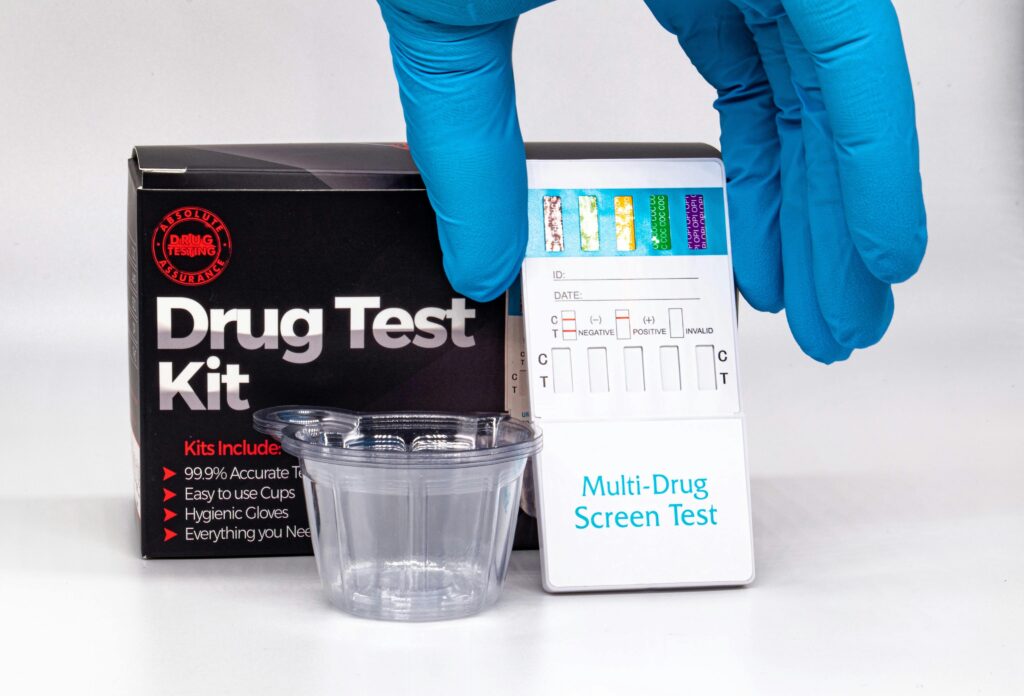
- Sample Collection: Most tests require a urine sample collected under supervision at a certified testing facility. In some cases, saliva or hair tests may be used.
- Chain of Custody: The collector documents each step of the process to ensure the sample cannot be tampered with or mixed up.
- Lab Testing: The sample is analyzed in a certified laboratory using immunoassay screening for initial detection. If a positive result is found, a more specific confirmatory test, such as gas chromatography-mass spectrometry (GC-MS), is performed.
- Results Review: A Medical Review Officer (MRO) reviews positive results to ensure accuracy and determine whether a legitimate medical explanation (such as a prescription medication) exists.
- Reporting: The final results are reported to the employer according to their established protocols.
The entire process typically takes one to three business days, although rapid testing options can provide results within minutes for certain settings.
What Substances Each Panel Detects
Understanding what’s being tested can help you anticipate potential results or prepare for your screening.
- Amphetamines: Includes drugs like Adderall, methamphetamine, and MDMA (ecstasy). These stimulants increase alertness but can be misused for energy or euphoria.
• Cocaine: Detects both powdered and crack cocaine. Cocaine use poses significant cardiovascular and mental health risks.
• Opiates: Includes natural opiates like morphine and codeine as well as derivatives of heroin. Synthetic opioids like fentanyl are not always included but may be tested separately.
• THC (Marijuana): Detects tetrahydrocannabinol, the active compound in cannabis. THC can remain in the system for days to weeks depending on frequency of use and metabolism.
Some 4 panel tests are customized for specific workplaces—for example, replacing THC with benzodiazepines in hospitals where marijuana use is legal under state law.
Detection Windows for Each Substance
How long a drug remains detectable depends on the type of test used, the substance itself, and individual factors such as metabolism, body fat, and hydration.
Approximate detection windows for urine tests:
• Amphetamines: 2–5 days
• Cocaine: 2–4 days
• Opiates: 2–3 days (up to 5 days for heavy use)
• THC: 3–30 days (depending on frequency of use)
Hair tests have the longest detection window, often up to 90 days, while saliva tests typically detect use within the past 24–48 hours.
Types of Drug Tests Used in Employment
Although the 4 panel test is a standard option, employers may use other panels depending on job requirements or company policy. Examples include:
• 5 Panel Test: The most common for federal and Department of Transportation (DOT) jobs; adds PCP (phencyclidine) to the list.
• 7 Panel Test: Includes benzodiazepines and barbiturates.
• 10 Panel Test: Expands to include prescription medications like methadone, propoxyphene, and oxycodone.
The 4 panel test is often used for entry-level or non-regulated positions where a general screening is sufficient.
Preparing for a 4 Panel Drug Test
Preparation is simple but important. Follow these steps to ensure accurate results:
• Bring identification: Most facilities require a government-issued photo ID.
• Avoid poppy seeds: They can cause false positives for opiates.
• Disclose prescriptions: Inform the collector or MRO of any prescribed medications that could trigger a positive result.
• Stay hydrated: Drink water before your appointment but avoid excessive amounts, which can dilute the sample and trigger retesting.
• Arrive on time: Late or missed tests may be treated as refusals, which can disqualify candidates.
Honesty is key.
If you are taking prescribed medication that may appear in the results, legitimate use will typically be verified by the reviewing physician.
Legal and Privacy Protections
Drug testing is regulated by both federal and state laws. Employers must follow privacy rules, provide clear notice of testing requirements, and ensure non-discriminatory application of policies. Test results are confidential and cannot be shared with anyone outside the need-to-know parties involved in hiring or employment decisions.
Employees are also protected from discrimination under the Americans with Disabilities Act (ADA) if they use prescribed medications as part of legitimate medical treatment. However, federal law does not protect individuals who test positive for illicit drug use, even in states where marijuana is legal.
What Happens if You Test Positive
If your 4 panel drug test comes back positive, a Medical Review Officer will contact you to discuss the findings. You may be asked to provide documentation for prescription medications or medical conditions that could explain the result. If no valid explanation exists, the result will be reported as positive to the employer.
Consequences vary by company but may include withdrawal of a job offer, disciplinary action, or referral to an Employee Assistance Program (EAP) for treatment. Some employers allow retesting after a waiting period, particularly if the position does not involve safety-sensitive duties.
Accuracy and Reliability of the Test
The 4 panel drug test for employment is highly accurate when conducted through certified laboratories. Modern testing technology minimizes the risk of false positives or negatives. Confirmatory testing using gas chromatography-mass spectrometry ensures that any positive result is verified scientifically before being reported.
Why Some Employers Choose the 4 Panel Over Larger Panels
While some organizations opt for 10 or 12 panel tests, the 4 panel option offers several advantages:
• Cost-effectiveness: It’s less expensive while still screening for the most commonly abused substances.
• Speed: Faster results for hiring decisions.
• Simplicity: Streamlined reporting and minimal confusion over results.
• Relevance: Targets substances most likely to impact workplace safety and performance.
For small businesses, temporary positions, or non-regulated jobs, the 4 panel test strikes a balance between thoroughness and practicality.
Actionable Takeaways
- A 4 panel drug test for employment screens for four major drug classes—amphetamines, cocaine, opiates, and THC.
• It’s commonly used in pre-employment, random, and post-accident testing.
• Urine testing is the most common method, but saliva and hair tests are also used.
• Results are typically available within one to three business days.
• Always disclose legitimate prescriptions before testing.
• Positive results are verified through confirmatory testing and reviewed by a Medical Review Officer.
• Employers must follow confidentiality and non-discrimination laws.
Conclusion
A 4 panel drug test for employment is a simple but essential step in the hiring process for many companies. It helps employers ensure safety, compliance, and productivity while giving candidates the opportunity to demonstrate accountability and readiness for the job. Understanding how the test works, what substances it screens for, and how to prepare allows you to approach it with confidence. Drug testing isn’t about punishment—it’s about creating safe, healthy workplaces where everyone can perform their best. Whether you’re applying for a job in healthcare, transportation, or any other field, being informed and prepared sets you up for success.
Renew Health: Supporting Safe, Healthy, and Drug-Free Workplaces
Phone: 575-363-HELP (4357)
Website: www.renewhealth.com