
By searching for nearby buprenorphine clinics, people are opening the door to a life-changing process. It is the moment when withdrawal, fentanyl instability, fear of overdose, or exhaustion from the addiction cycle becomes too heavy to carry alone. Medication-assisted treatment is the turning point here, the way to give back that person’s life.
Table of Contents
ToggleAt Renew Health, we meet people at the threshold of change every day. Some are overwhelmed. Some are afraid. Others hopeful. All are trying to find clarity in a world where misinformation and stigma around addiction medicine are everywhere. In this blog, we will explore how buprenorphine treatment works, what to expect at a clinic, how to choose the best program, ask the right questions, and what costs to anticipate. Whether you’re here for yourself or someone you love, know you’re taking the first step in finding support.
How Buprenorphine Works and Why There Are Dedicated Clinics
Fentanyl is stronger, more unpredictable, and shorter-lasting than heroin or prescription opioids, and those using it often experience withdrawal every few hours. Buprenorphine stabilizes this cycle, using modern induction methods that allow someone to start buprenorphine gradually without waiting for severe withdrawal. Unlike short-acting opioids, like fentanyl or heroin, buprenorphine lasts all day, keeps blood levels steady, and does not produce the rapid high that fuels compulsive use.
Buprenorphine, also known by brand names like Suboxone, Subutex, and Sublocade, is a partial opioid agonist. It works by attaching to the same receptors in the brain that opioids like fentanyl or heroin bind to—just in a safer way that prevents withdrawals without creating an intense high. It also has a ceiling, meaning that beyond a certain point, taking more does not increase the effect. This greatly reduces overdose risk.
Buprenorphine also has strong receptor affinity, a “protective feature” that blocks other opioids from binding. If someone uses fentanyl or heroin while on buprenorphine, the effects are significantly reduced and the risk of a fatal overdose is dramatically lowered.
Some people worry that buprenorphine treatment simply replaces addiction. This is false. Buprenorphine stabilizes the brain rather than destabilizing it, and reduces harm rather than causing it. The drug is prescribed, monitored, legal, safe, and evidence-based.
Addiction involves loss of control. Buprenorphine restores control. People do not get high from buprenorphine when dosed correctly. Once cravings and withdrawal stabilize, people regain control of their time, energy, and decisions. They get stable. They get healthy. They get their lives back, able to heal financially, emotionally, and physically.
Addiction Treatment: Methadone and Buprenorphine
People searching for treatment clinics are left to compare the methadone to the buprenorphine approach. Choosing the right treatment option depends on personal history, physiology, and goals.
While both are highly effective, evidence-based treatments, the structures differ. Methadone must be dispensed through federally regulated opioid treatment programs. It requires patients to attend daily at the start of treatment before gradually earning take-home doses. Methadone is ideal for individuals with very high opioid tolerance or who have not stabilized with buprenorphine.
Buprenorphine offers more privacy and flexibility because it can be prescribed in regular medical clinics and pharmacies. This works well for many individuals, especially those seeking a treatment option that fits into their work, school, or family routines.
Types and Cost of Buprenorphine Treatment
Buprenorphine comes in several formulations, with sublingual films (Suboxone) and tablets (Subutex or generics) being the most common. These dissolve under the tongue and provide all-day coverage. For other patients, a monthly injection, such as Sublocade, is the better fit because it delivers long-lasting stabilization and eliminates daily dosing. This option is ideal for individuals who want convenience or struggle with daily routines. Buprenorphine also comes in extended-release implants, but these are less common. When visiting buprenorphine clinics near you, be sure to discuss your options to choose the best approach for your lifestyle and goals.
The cost of treatment varies widely. Many buprenorphine clinics accept Medicaid, which usually covers medication and appointments in full, and the majority of private insurances cover these as well. Without insurance, costs may include appointment fees ranging from $50 to $200 per visit. The medications are an additional cost, but most generic buprenorphine films and tablets are affordable. The monthly injections, like Sublocade, are more expensive, making them a less appropriate treatment plan for people without insurance. Some clinics offer sliding-scale fees, payment plans, or financial assistance programs. Doctors work at these clinics to help people, and many believe that cost should not prevent someone from accessing care. Asking clinics about financial options is part of the process.
Visiting a Buprenorphine Clinic
People search for buprenorphine clinics because they want safety, stability, and support. Some are tired of waking up sick or the fear of not waking up at all. Some fear counterfeit pills that may contain fentanyl. Others are parents, workers, students, caregivers, or partners who simply want their lives back. Every story is different, but the desire for care is universal.
Research shows that individuals on buprenorphine are far less likely to overdose and far more likely to: maintain employment, avoid legal trouble, and sustain long-term recovery. These life-changing benefits explain why so many people seek out buprenorphine clinics.
When you head to your first appointment, you can expect an intake process that includes a medical history review, substance use assessment, physical health evaluation, and discussion of treatment goals. The provider will ask questions about your opioid use patterns, tolerance, last use, withdrawal history, previous treatment attempts, mental health concerns, and medical conditions. Their questions lay a foundation for the best treatment plan and safe dose since every patient is different. This is not judgment.
Providers may also request urine drug screening to guide treatment, but screening is not meant to shame or punish you. It is used to tailor care. The first dose of buprenorphine is typically given when withdrawal symptoms begin. This prevents intense withdrawal and allows the medication to work effectively. Most patients feel relief within one to two hours. For people deep in addiction, that relief is hard to imagine. The first day of treatment is often emotional. People describe feeling normal for the first time in years. Others feel cautious optimism. Some feel tired or relieved. Day one of treatment is a major turning point.
Finding Your Buprenorphine Clinic
Choosing the right clinic requires evaluating several factors. A good clinic provides personalized care—that means having conversations to create an individualized plan rather than one-size-fits-all dosing. Buprenorphine must be tailored to each patient’s physiology, tolerance, and withdrawal patterns. Clinics should also integrate behavioral support, such as counseling, case management, or peer support. Addiction affects every part of life, so medication is not the only treatment needed.
It is important to evaluate each clinic for compassionate staff. Patients battling addiction must be treated with dignity, and the best clinics will focus on motivation, connection, and progress. Be sure to ask whatever questions you need to feel comfortable with the clinic. Beyond the obvious insurance and payment questions, below are some considerations:
- Do you offer same-day or next-day appointments?
- Is there walk-in availability?
- What is your approach to missed appointments?
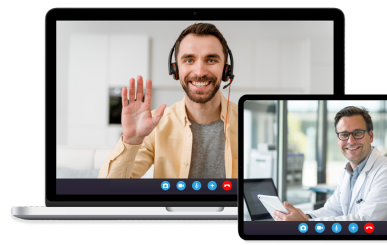
- Do you provide telehealth visits?
- What dosing options do you use?
- Do you offer support for microdosing induction for fentanyl users?
- What kind of counseling or case management do you include?
- How do you treat co-occurring conditions?
Asking these questions will help you understand whether the clinic aligns with your needs and values. Many individuals using opioids also experience anxiety, depression, trauma, bipolar disorder, or ADHD. High-quality clinics provide referrals or integrated care because treating mental health is critical for sustaining recovery. Clinics that ignore co-occurring conditions often see higher relapse rates. When searching for buprenorphine clinics near you, look for those that prioritize holistic, patient-centered care over rigid rules and stigma.
What to Expect in Long-Term Treatment
Every person needs something different from their treatment, so the recovery timelines vary. Some people stabilize within months and are able to taper off over time. Others choose long-term maintenance because it keeps them safe and stable. Buprenorphine treatment meets people where they’re at, reducing harm along the way. Low-threshold programs allow individuals to start treatment without extensive requirements. For people not ready to give up using, buprenorphine can still protect against overdose in their early recovery. Harm reduction and medication-assisted treatment naturally work together. The goal is not perfection but sustained recovery and improved quality of life—safety, dignity, and progress for every patient in pursuit of care.
Long-term treatment may include periodic appointments, ongoing support, mental health care, and gradual dose adjustments. Clinics should never pressure patients to taper prematurely. Tapering should always be slow, individualized, and based on readiness. Searching for buprenorphine clinics is not just about starting treatment: it is about finding a clinic that will support long-term recovery.
Treatment Barriers
People exploring treatment options often face barriers such as transportation issues, stigma, lack of childcare, fear of judgment, financial challenges, and difficulty navigating the healthcare system. Care-focused clinics will offer telehealth, flexible scheduling, transportation support, or walk-in visits to help eliminate these barriers. Be sure to ask about community-based outreach programs, research mobile clinics, and find harm reduction partners. Treatment should meet people where they are rather than expecting perfection.
Some people avoid getting help because they fear failing in their treatment plan. But again, recovery is not about perfection: It is about progress. Understanding these fears helps individuals choose clinics that can compassionately support them.
Actionable Takeaways
If you’re looking for support for yourself or a loved one, consider these key points:
- Buprenorphine is highly effective in stabilizing brain chemistry, reducing cravings, and lowering overdose risk.
- Treatment includes medical assessments, dosing support, and behavioral care.
- You can take daily sublingual films or tablets, receive a monthly injection, or get an extended-release implant—discuss with a provider to determine the option that is best suited to your needs and lifestyle.
- Clinics vary widely, so choosing the right one matters.
- Private insurance and Medicaid often cover treatment in full.
- Buprenorphine improves quality of life quickly and sustainably.
- No one should feel ashamed to seek help.
Conclusion
There is significant shame and misinformation around addiction, which prevents many people from seeking treatment. Some even believe that buprenorphine will replace one addiction with another. But that is a myth. Buprenorphine treats addiction—it does not create it.
Searching for buprenorphine clinics is not just a practical task but an act of courage. It is the moment someone chooses healing over chaos, stability over instability, and hope over fear. Buprenorphine treatment changes lives every day. It helps people return to themselves. If you or someone you love is ready to start this chapter in their recovery, Renew Health is here to walk alongside you with compassion, expertise, and unwavering support.
Renew Health: Your Partner in Buprenorphine Treatment Care
Phone: 575-363-HELP (4357)
Website: www.renewhealth.com