When someone finds a burnt meth pipe in a home, vehicle, bathroom, or personal space, the experience can trigger fear, confusion, and urgency. Many people have no idea what a burnt meth pipe looks like or what it means about someone’s substance use. Some assume it indicates occasional experimentation. Others fear it represents severe addiction. Some people find evidence of meth use in a child’s room, a partner’s belongings, or a rental property and don’t know how to respond.
Table of Contents
TogglePeople who use meth may also wonder what their patterns of use indicate, what risks they face, and how to seek help without judgment. At Renew Health, we talk to families, patients, and providers every day who are navigating the consequences of methamphetamine use. Meth is a powerful stimulant that affects the brain, heart, mood, and behavior. It creates rapid changes in sleep, appetite, motivation, and impulse control, and can lead to cycles of bingeing, crashing, paranoia, and physical decline. A burnt meth pipe is not just paraphernalia; it’s a signal that someone is struggling, hiding pain, and experiencing a pattern of use that can quickly become dangerous.
This comprehensive guide explains what a burnt meth pipe is, how meth is commonly used, why pipes become burnt, what signs to look for, what health risks are associated, how use progresses, how to talk to someone who may be using, and how effective treatment can help people recover. Our goal is to provide clarity, compassion, and practical steps so families and individuals can move from fear to action.
What a Burnt Meth Pipe Actually Is
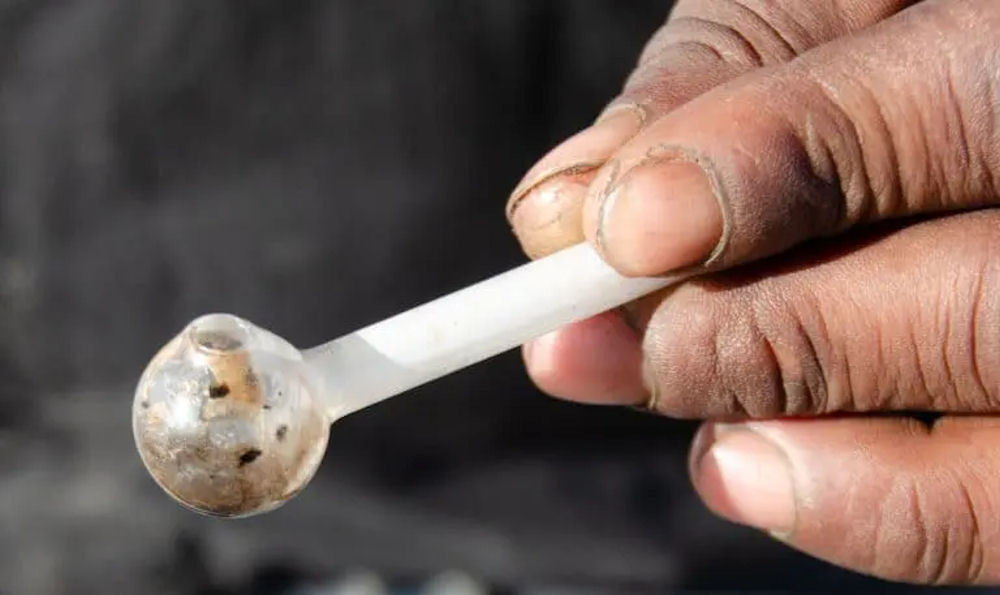
A burnt meth pipe is typically a small glass pipe with a round bubble at the end. Meth is placed inside the bubble and heated from below using a lighter or small torch. As the meth melts and vaporizes, the user inhales the vapors through the stem of the pipe. Over time, from repeated heating, the glass becomes discolored, burnt, or darkened. The residue inside may appear brown, black, white, or cloudy depending on purity and frequency of use. Some pipes crack or break due to high temperatures. People unfamiliar with drug paraphernalia may confuse a burnt meth pipe with a tobacco pipe, a vape accessory, or a decorative glass piece. But the bubble-shaped bowl, scorch marks, and residue are key indicators. Identifying a burnt meth pipe helps you understand what substance may be involved and what risks may be present.
Why Pipes Become Burnt and What It Indicates About Use
Meth burns at very high temperatures, and glass pipes are exposed to direct flame repeatedly. Over time, this causes heat damage. Burn marks, soot, and discoloration often suggest frequent use. A severely burnt pipe can indicate binge patterns where someone uses continuously for hours or days. The condition of the pipe doesn’t definitively show addiction severity, but it does provide context. A new pipe with light discoloration may indicate early use. A heavily burnt pipe may indicate more established use.
Why People Use Meth in Pipe Form
Smoking meth produces a fast and intense onset because vaporized meth reaches the brain rapidly. People experiencing stress, depression, trauma, chronic exhaustion, or social pressure may turn to meth for energy, euphoria, or temporary escape. Smoking is common because it acts quickly and avoids injection-related risks. However, smoking carries its own physical and psychological dangers. Understanding why someone may have a burnt meth pipe helps shift the focus from blame to understanding. People rarely begin meth use for fun. They begin because something in their life hurts.
Physical Risks Associated with Smoking Meth
Smoking meth, especially with a burnt meth pipe, exposes individuals to significant health concerns. Meth dries out mucous membranes, damages the lungs, increases heart rate and blood pressure, and causes severe dental issues. The intense stimulation suppresses hunger and sleep, leading to malnutrition and exhaustion. Repeated exposure to high heat from a burnt pipe can injure the mouth and airway. People who binge smoke meth may go days without eating, sleeping, or hydrating. This leads to dehydration, kidney strain, and immune system dysfunction. Over time, physical appearance, weight, and energy levels change dramatically.
Behavioral and Psychological Risks of Meth Use
Meth affects dopamine, the brain’s motivation and reward chemical. Over time, the brain becomes dependent on meth to feel normal. This leads to cravings, mood swings, anxiety, paranoia, irritability, and impulsive behavior. Many people who smoke meth experience cycles of intense energy followed by drastic crashes. Long-term use increases the risk of psychosis, including hallucinations, paranoia, and delusional thinking.
Other Signs of Meth Use to Look For
In addition to a burnt meth pipe, families may notice other signs. These include,
- drastic changes in sleep patterns,
- rapid weight loss,
- unexplained financial problems,
- hyperactivity,
- teeth grinding,
- twitching,
- emotional volatility,
- hiding in locked rooms,
- disappearing for long periods,
- frequent bathroom use,
- unusual burns on fingers or lips, and
- small baggies containing crystals or powder.
A single sign doesn’t confirm meth use, but multiple signs together indicate a concerning pattern.
Why Finding a Burnt Meth Pipe Often Creates Crisis Moments
Discovering meth paraphernalia often catches families off guard. Parents may feel shocked or betrayed. Partners may feel worried, confused, or fearful. People who find a burnt meth pipe in their teen’s room may worry about overdose, legal trouble, or exploitation. People who find one in their partner’s belongings may fear relapse or hidden struggles. These emotions are normal. But panic-based reactions often escalate conflict rather than help. Understanding the situation clearly and responding calmly increases the chances of constructive change.
How to Approach a Loved One After Finding a Burnt Meth Pipe
The way you respond matters deeply. People who use meth often carry shame, fear, and defensiveness. When confronted with anger, accusations, or threats, they shut down or lie. A better approach is calm, direct, and compassionate. Use statements like, “I found something, and I want to understand what is going on,” or “I am worried about you, and I want to support you.” Ask questions rather than making assumptions. Avoid yelling or catastrophizing. Encourage honesty without punishment. Offer help rather than control. People are far more likely to accept support when they feel safe instead of attacked.
Why People Hide Meth Use Even from Loved Ones
Meth use is heavily stigmatized. People fear being judged, rejected, or punished. They may also fear losing custody, relationships, or employment. Many people with a burnt meth pipe are struggling with mental health issues, trauma, poverty, or loneliness. The pipe isn’t the whole story; it’s a symptom of deeper pain. Recognizing this allows families to shift from reactive fear to support.
Health Risks of Secondhand Exposure to Meth Residue
While simply seeing a burnt meth pipe doesn’t pose immediate danger, the residue can contain chemicals from meth production. Touching or inhaling residue is unlikely to cause intoxication but may irritate skin or lungs. Be sure to clean surfaces carefully using gloves and proper ventilation. If heavy contamination is suspected, such as from home production, professional cleaning may be required.
How Meth Affects the Brain and Why It’s So Addictive
Meth causes massive dopamine release. Over time, the brain adapts by reducing natural dopamine production. This means everyday activities no longer bring pleasure. The person becomes dependent on meth to feel anything at all. They may lose interest in relationships, work, hobbies, or responsibilities. Withdrawal leads to fatigue, depression, hopelessness, and cravings. The presence of a burnt meth pipe often signals that these neurological changes may already be underway.
How Meth Use Progresses over Time
Many people begin with occasional use. Over time, they smoke more frequently, keep a pipe nearby, or binge for multiple days. They may lose jobs, relationships, or housing; become paranoid; withdraw socially; and may neglect hygiene or daily tasks. Not everyone progresses the same way, but a burnt meth pipe is a sign that the person’s relationship with meth is entering a risky stage.
Why Confrontation Alone Doesn’t Lead to Recovery
Families sometimes believe tough love will force someone to stop. But addiction is a brain-based illness, not a behavioral choice. Removing a burnt meth pipe doesn’t remove cravings. Punishment doesn’t heal trauma. Shame doesn’t repair dopamine pathways. Recovery requires compassionate intervention, evidence-based treatment, and sustained support.
Effective Treatment Options for Meth Use Disorder
There is no single medication that cures meth addiction, but treatment is absolutely possible. Evidence-based treatment includes behavioral therapy, contingency management, trauma-informed care, structured routines, mental health support, exercise, nutrition, sleep regulation, and strong social support. Some clinics also use medication combinations like bupropion and naltrexone to reduce cravings. People recover every day with the right support.
How to Encourage Someone to Seek Treatment
Encourage treatment respectfully. Say things like, “I care about you, I want you to be safe, and you don’t have to deal with this alone.” Share information about programs, therapists, or recovery centers, and offer to attend appointments with them.
When to Seek Emergency Help
Call for immediate help if someone appears severely paranoid, suicidal, dehydrated, is experiencing chest pain, is extremely agitated, or is experiencing hallucinations. Meth-related psychosis can be dangerous and requires medical care.
How People Recover from Meth Use
Recovery involves stabilizing sleep, eating consistently, rebuilding dopamine pathways, healing relationships, developing coping skills, and addressing underlying trauma. The process is challenging but entirely possible. People regain their physical health, mental clarity, and sense of purpose. With time, the brain begins to heal.
Actionable Takeaways
- A burnt meth pipe is a sign of methamphetamine use.
- It signals risk but also an opportunity to intervene with compassion.
- Meth affects the brain, body, and behavior in powerful ways.
- Families should respond calmly, ask questions, and offer support.
- Treatment works when combined with empathy, structure, and evidence-based support.
Conclusion
Finding a burnt meth pipe is frightening, but it’s also a crucial moment for support and intervention. Meth use damages the mind and body, but recovery is possible with understanding and care. When families respond with compassion instead of fear, people using meth are more likely to accept help. At Renew Health, we believe that every moment of crisis can become a moment of possibility.
Renew Health: Your Partner in Substance Use Recovery
Phone: 575 363 HELP (4357)
Website: www.renewhealth.com