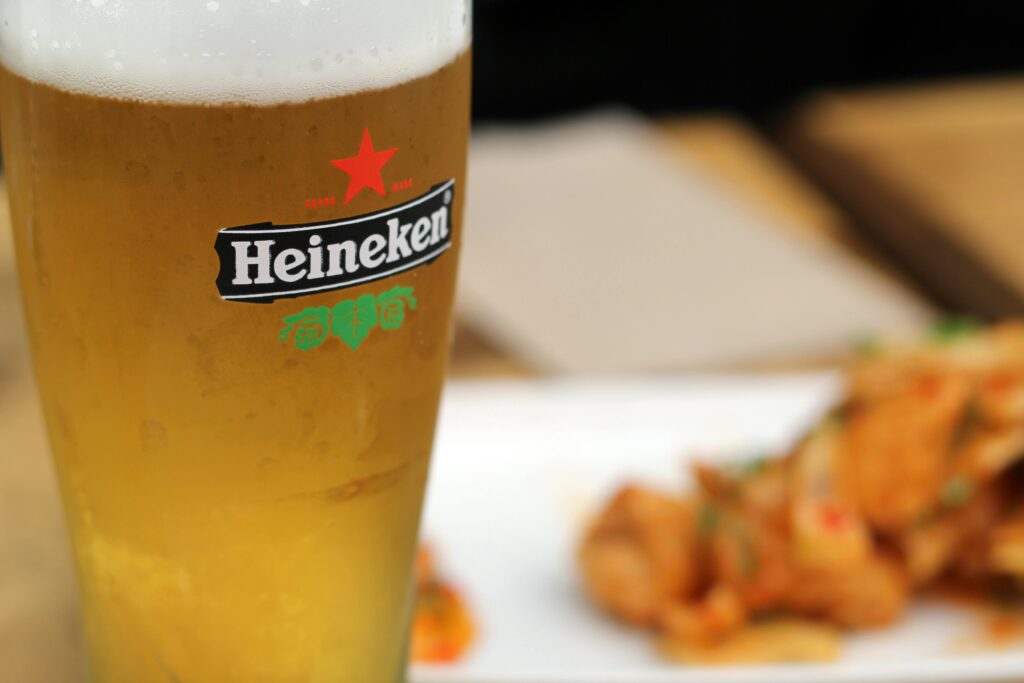
When someone asks how long does 4 beers stay in urine they are rarely asking out of simple curiosity. More often the question comes with anxiety fear confusion or concern about health legal issues employment or recovery. At Renew Health we hear questions like this every day from people who are trying to understand how their bodies process alcohol how long alcohol remains detectable how alcohol affects recovery medications and overall physical well being. Many people believe alcohol leaves the body after a few hours and that urine tests are simple and straightforward. In reality the science is more complex. Alcohol does not just disappear. It moves through stages of absorption metabolism oxidation and elimination. And when it comes to drug and alcohol testing different tests measure different markers which changes the detection window dramatically. In this comprehensive guide we will break down what actually happens when someone drinks 4 beers how the body processes alcohol how long alcohol and its metabolites can be detected in urine the difference between standard tests and advanced tests how factors like age weight hydration liver health and frequency of drinking influence detection times why some test results surprise people and why understanding these details can support healthier decisions especially for individuals working on sobriety or managing chronic liver or metabolic concerns.
Table of Contents
ToggleHow The Body Processes Alcohol After You Drink 4 Beers
To understand how long does 4 beers stay in urine we must first understand how alcohol is absorbed and metabolized. When you drink alcohol it enters the stomach and small intestine where it is absorbed into the bloodstream. From there it travels to the liver which performs more than ninety percent of alcohol metabolism. The liver breaks alcohol down primarily through the enzyme alcohol dehydrogenase which converts ethanol into acetaldehyde a highly toxic compound. The body then uses another enzyme aldehyde dehydrogenase to convert acetaldehyde into acetate a far less harmful substance. Acetate is then broken down into water and carbon dioxide which the body eliminates through breathing sweating and urine. This process takes time and cannot be sped up. Drinking water does not make alcohol leave the body faster. Coffee does not make someone sober. Cold showers and exercise do not accelerate metabolism. The liver processes alcohol at a fixed rate generally around 0.015 blood alcohol concentration per hour which is roughly one drink per hour although this varies from person to person. When someone consumes 4 beers the liver must work steadily to eliminate the alcohol and the process may take several hours before blood alcohol concentration returns to zero. But urine detection is a different matter entirely.
Understanding Urine Alcohol Testing Windows
When people ask how long does 4 beers stay in urine they may assume the test measures alcohol itself. But most standard urine tests can only detect alcohol for six to twelve hours because alcohol leaves the bloodstream relatively quickly. However many modern tests no longer test for alcohol directly. Instead they test for metabolites such as ethyl glucuronide often called EtG and ethyl sulfate called EtS. These metabolites remain in the body much longer and can be detected long after blood alcohol concentration returns to zero. EtG and EtS can be detectable for twenty four to seventy two hours and in some cases longer depending on consumption patterns and individual physiology. This means that although someone may feel sober and have no measurable alcohol in their blood their urine may still show evidence of alcohol consumption. Understanding the difference between direct alcohol detection and metabolite detection is essential for accurately interpreting test results.
How Long Alcohol Itself Stays In Urine
Direct alcohol testing detects ethanol in urine. This type of testing has the shortest detection window. For most individuals ethanol can be detected in urine for up to six to twelve hours after drinking. For heavier consumption such as 4 beers detection may be closer to eight to twelve hours. The exact time depends on hydration weight liver health and drinking speed. However this type of testing is becoming less common because it has such a short window and is less reliable. Many workplaces courts probation programs treatment centers and healthcare providers now use EtG testing because it identifies alcohol use over a longer period. This is where the question how long does 4 beers stay in urine becomes more complicated.
Understanding EtG And EtS Alcohol Metabolite Testing
EtG and EtS tests detect byproducts of alcohol metabolism rather than alcohol itself. These tests are highly sensitive and can detect even small amounts of alcohol consumed up to several days prior. Research shows that after moderate drinking such as 4 beers EtG can be detectable for twenty four to forty eight hours and EtS often for a similar length. In some cases especially in individuals with slower metabolism heavy drinking patterns or dehydration EtG may remain detectable for up to seventy two hours. These tests are so sensitive that even incidental exposure such as mouthwash certain hygiene products or fermented foods may produce low level positives although these are generally minimal and distinguished from drinking patterns by cutoff thresholds. This means that someone who drank 4 beers on a Friday night could still potentially test positive on a Sunday depending on the sensitivity of the test. In some legal or treatment environments this can create confusion tension or fear especially for individuals who believed they were safe from detection.
Why Detection Times Vary From Person To Person
No two people metabolize alcohol the same way. This is why asking how long does 4 beers stay in urine has more than one possible answer. Detection time varies based on age liver function hydration body mass metabolism sex frequency of drinking genetics and whether alcohol was consumed with food. Individuals with higher body fat percentages often metabolize alcohol more slowly. Individuals with chronic liver disease particularly fatty liver hepatitis or alcohol related damage may have significantly slower alcohol processing. Women often metabolize alcohol more slowly than men due to differences in enzyme levels and body composition. People who drink regularly may metabolize alcohol faster in some respects but produce higher levels of metabolites which remain detectable longer. Dehydration can concentrate metabolites in urine making them easier to detect. Eating before or during alcohol consumption slows absorption but does not significantly change metabolite detection windows. Certain medications may interact with alcohol metabolism as well. Because of these variables two people who drink the same amount may show very different results on urine tests.
How Drinking Speed Affects Detection
Drinking 4 beers quickly raises blood alcohol concentration more rapidly which leads to more pronounced intoxication and increased metabolite production. Drinking 4 beers over several hours leads to a lower peak blood alcohol level but metabolites may still accumulate. This influences how long does 4 beers stay in urine because the more alcohol the liver processes in a short time the more EtG and EtS it produces. Rapid consumption especially on an empty stomach leads to higher metabolite levels and longer detection windows. Slow steady drinking with food may produce lower metabolite concentrations but detection windows still commonly reach twenty four to forty eight hours.
How Hydration And Dilution Affect Results
Hydration can influence urine concentration. Drinking water after consuming alcohol does not make alcohol leave the body faster but it may slightly dilute urine metabolite concentration. This means that if someone is very dehydrated urinary EtG may appear more concentrated and remain detectable longer. Conversely hydration may reduce concentration but not eliminate detection. Most testing programs use creatinine normalization which adjusts for urine dilution making attempts to dilute urine far less effective. This means the safest and most accurate assumption is that EtG and EtS remain detectable for at least twenty four to forty eight hours after consuming 4 beers regardless of hydration.
How Alcohol Use Frequency Changes Detection Time
One of the most important variables in how long does 4 beers stay in urine is how often someone drinks. Occasional drinkers who consume alcohol infrequently tend to eliminate metabolites more quickly. Regular drinkers even if they drink moderate amounts produce higher levels of alcohol metabolites and may have detection windows that extend longer. Chronic heavy drinkers may show detectable EtG for three to five days depending on the sensitivity of the test. This is especially important for individuals in recovery programs or legal monitoring who may assume moderate drinking will not produce a positive test. Frequency matters significantly.
Alcohol Testing In Medical Legal And Workplace Settings
Many individuals who ask how long does 4 beers stay in urine are facing testing in probation employment healthcare addiction treatment or child custody contexts. It is crucial to understand that different settings use different testing thresholds. Workplace tests often use higher cutoff levels to avoid false positives from incidental exposure. Legal settings such as probation or DUI programs often use lower cutoffs which make detection more sensitive. Addiction treatment programs may use even lower thresholds to ensure accurate monitoring. This means someone who would pass a workplace test may fail a court ordered test based on the same alcohol consumption. Understanding the specific testing environment is essential for interpreting results.
Alcohol Use And Liver Health
For individuals with liver concerns such as fatty liver disease alcoholic hepatitis or elevated enzymes understanding how long does 4 beers stay in urine is part of a larger conversation about liver function. Even moderate drinking can worsen liver inflammation elevate enzymes increase fat accumulation and interfere with healing. The liver prioritizes alcohol metabolism over other metabolic tasks which can worsen insulin resistance increase fat storage and slow healing from fatty liver disease. For individuals actively working to repair their liver even occasional alcohol use can delay progress significantly. This is why clinicians often recommend full abstinence during liver healing phases. Supporting liver health includes hydration sleep consistent meals reduced sugar and stable blood sugar which all influence metabolism and overall wellness.
Alcohol And Medication Interactions
Alcohol can interact with many medications including antidepressants antipsychotics anxiety medications blood pressure medications pain medications and opioid treatment medications such as methadone or buprenorphine. These interactions may alter metabolism increase sedation or worsen side effects. For individuals in recovery alcohol use can disrupt emotional regulation trigger cravings impair judgment and increase relapse risk. Understanding how long does 4 beers stay in urine is not just about testing. It is also about safety.
What People Often Misunderstand About Alcohol Detection
Many myths circulate about how to eliminate alcohol from the body quickly. Coffee will not speed metabolism. Exercise will not accelerate clearance. Water only affects concentration not metabolism. Supplements detox drinks or over the counter cleanses cannot remove alcohol metabolites. Time is the only factor that determines elimination. Many people also misunderstand how sensitive EtG and EtS tests are. Even small amounts of alcohol will produce metabolites that remain detectable for at least twenty four hours. Moderate drinking like 4 beers often remains detectable for forty eight hours. Heavy drinking may be detectable longer. The safest way to avoid positive results is to avoid alcohol entirely during testing periods especially if the consequences are significant.
Emotional And Psychological Implications Of Alcohol Testing
Testing often produces anxiety shame fear or defensiveness especially for individuals trying to rebuild trust with family employers or legal systems. Understanding how long does 4 beers stay in urine can help reduce confusion and prevent unintentional violations of testing agreements. For individuals in recovery testing can also serve as accountability and support. But testing should never replace compassion. People heal best when they receive nonjudgmental guidance emotional support and clear education about how substances affect their bodies. At Renew Health we help individuals navigate alcohol use recovery and testing requirements with empathy because shame does not create change but support does.
Actionable Takeaways
Here are the key points to remember about how long does 4 beers stay in urine. Standard urine tests detect alcohol for six to twelve hours. EtG and EtS tests detect metabolites for twenty four to forty eight hours on average. In some cases metabolites remain detectable for up to seventy two hours. Drinking speed hydration frequency of alcohol use liver health and body composition all influence detection time. Chronic drinkers often have longer detection windows. Metabolite tests are extremely sensitive and can detect even moderate drinking. Hydration does not eliminate metabolites though it may slightly dilute concentrations. The safest assumption is that 4 beers will remain detectable for one to two days for most individuals. Alcohol may remain detectable longer in certain testing environments with lower cutoff thresholds. Abstinence is the only guaranteed way to avoid positive results.
Conclusion
Understanding how long does 4 beers stay in urine is not simply a scientific question. It is a question about health choice accountability and safety. Whether you are navigating employment requirements legal obligations recovery goals or medical concerns you deserve clear information that helps you make informed decisions. Alcohol affects every system in the body. Understanding detection windows supports safer choices but also opens the door to deeper conversations about why alcohol use matters and how it affects long term physical and emotional health. At Renew Health we are here to guide you through every step of your recovery and wellness journey with clarity compassion and evidence based support.
Renew Health: Your Partner in Alcohol Recovery Care
Phone: 575-363-HELP (4357)
Website: www.renewhealth.com