
Drug testing plays a crucial role in workplaces, healthcare settings, addiction treatment programs, and legal systems. It ensures safety, accountability, and fairness while supporting people on their path to wellness. Among the various types of tests available, the 4 panel drug test is one of the most commonly used because it screens for several widely abused substances in a single, efficient process. Many patients and employees who undergo testing often ask, how long does a 4 panel drug test take, what drugs it checks for, and how accurate it is. Knowing what to expect can reduce anxiety, prevent misunderstandings, and help people prepare appropriately. At Renew Health, we believe in empowering individuals through education so that testing feels transparent, respectful, and aligned with personal and professional goals.
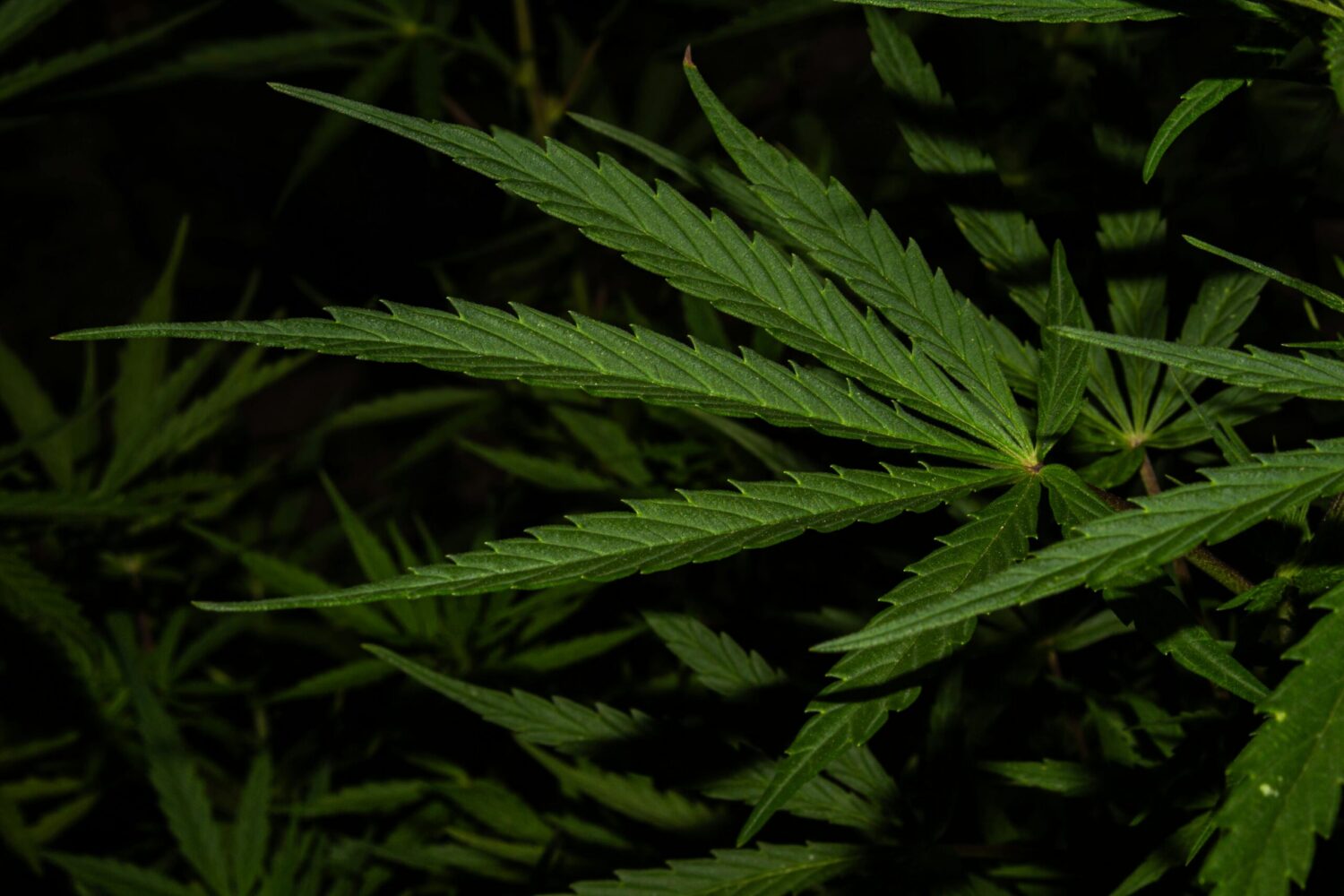
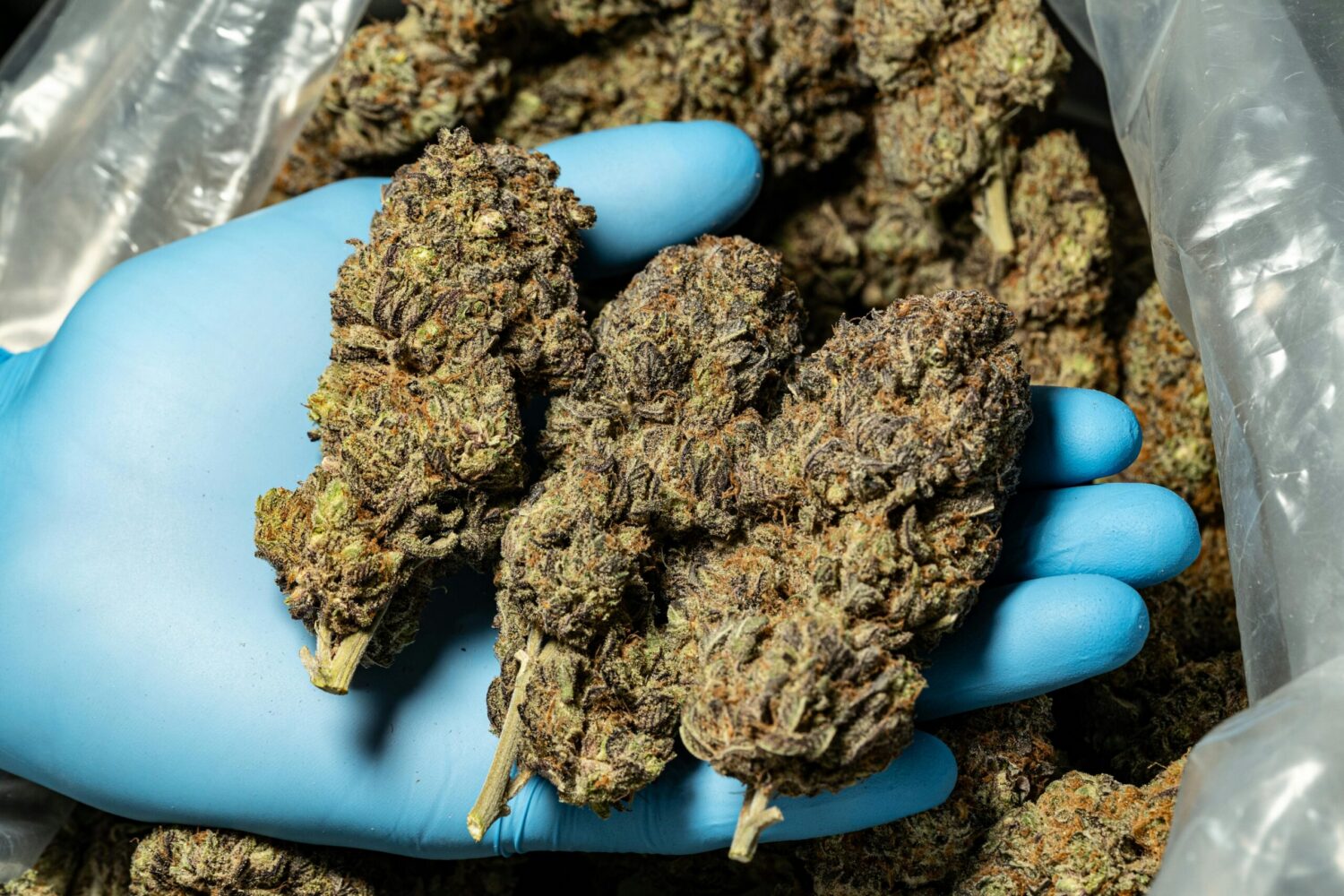
What Is a 4 Panel Drug Test? A 4 panel drug test is a screening tool designed to detect the presence of four major categories of commonly misused substances in a person’s body. The “panel” refers to the number of drug classes the test can identify. While the exact substances tested may vary slightly depending on the organization or laboratory, most 4 panel tests screen for the following: 1. Amphetamines (AMP) – including drugs such as Adderall, methamphetamine, and other stimulants. 2. Cocaine (COC) – derived from coca plants and used recreationally as a stimulant. 3. Opiates (OPI) – including codeine, morphine, and heroin. 4. Marijuana (THC) – the active component in cannabis that produces psychoactive effects. These four categories represent the substances most frequently associated with workplace impairment, addiction, and legal violations.
Why Drug Tests Are Performed Organizations and healthcare providers use drug testing for a range of reasons. Employers often implement it to promote workplace safety and productivity, especially in industries involving heavy machinery, transportation, or public safety. Healthcare providers and addiction specialists use it to monitor treatment progress, ensure medication compliance, and verify abstinence. Courts, probation officers, and rehabilitation programs rely on drug tests to support accountability and recovery. In all cases, the goal is not punishment but prevention and protection.
How Drug Tests Work Drug testing identifies specific metabolites—chemical byproducts created when the body processes a drug. These metabolites remain detectable in biological samples such as urine, saliva, blood, or hair for varying lengths of time after use. The most common type of 4 panel drug test uses a urine sample because it is cost-effective, non-invasive, and reliable. Other collection methods include oral fluid (saliva) testing, which detects recent use, and hair follicle testing, which identifies long-term use patterns. Each type has unique detection windows and procedures.
What Happens During a 4 Panel Drug Test The testing process typically follows a standardized sequence to ensure accuracy and confidentiality. When someone arrives at a collection site or clinic, they will be asked to present identification and complete consent forms. The collector provides instructions on how to provide a urine or saliva sample while maintaining privacy. For urine tests, individuals may be asked to leave personal belongings outside the restroom and wash their hands before collection. The sample is then sealed in a tamper-evident container, labeled, and documented. For saliva tests, the collector places a swab in the mouth to gather fluid, which is then sealed similarly. The sample is sent to a laboratory for analysis or tested on-site, depending on the type of test ordered.
How Long Does a 4 Panel Drug Test Take The total time for a 4 panel drug test depends on whether the test is performed on-site or sent to a laboratory. On-site rapid tests can produce preliminary results within 5 to 10 minutes after the sample is collected. These are commonly used for pre-employment or routine workplace screenings. Laboratory-based tests, which require more detailed analysis, typically take 24 to 48 hours to deliver results. In some cases where confirmation testing is needed, results may take 72 hours or longer. The collection process itself usually takes about 10 to 15 minutes, including paperwork, sample collection, and sealing. In summary, if someone asks, “how long does a 4 panel drug test take,” the answer is usually between a few minutes and two days, depending on testing type and confirmation procedures.
On-Site vs. Laboratory Testing On-site tests use immunoassay technology to quickly detect drugs through chemical reactions. They are fast, affordable, and suitable for preliminary screening. However, they can sometimes produce false positives or false negatives. Laboratory tests use more advanced methods such as gas chromatography-mass spectrometry (GC-MS) or liquid chromatography-tandem mass spectrometry (LC-MS/MS), which provide near 100 percent accuracy. Labs perform both the initial screen and, if necessary, confirmatory testing to verify results. Employers and healthcare providers often use lab tests for official documentation or legal cases due to their reliability.
Accuracy and Reliability The accuracy of a 4 panel drug test depends on several factors including sample integrity, timing, and method of testing. Urine tests are extremely reliable when collected properly and analyzed under controlled conditions. Most laboratories follow strict chain-of-custody procedures that track every step of the process from collection to reporting. This ensures that results are both scientifically valid and legally defensible. False positives may occur if certain over-the-counter medications or foods mimic drug metabolites, but confirmatory testing eliminates these errors.
Detection Windows for Each Substance The amount of time each drug remains detectable in the body varies based on dosage, frequency of use, metabolism, and hydration. For most standard 4 panel tests, approximate detection times in urine are:
-
Amphetamines: 1 to 3 days
-
Cocaine: 2 to 4 days
-
Opiates: 2 to 3 days
-
Marijuana (THC): 1 to 7 days for occasional users, up to 30 days for heavy users
These ranges highlight why timing matters when interpreting test results. A negative result does not always mean no use ever occurred—it means the drug was not present above the detection threshold at the time of testing.
What Can Affect Test Results Several factors can influence test outcomes. Hydration can dilute urine and lower metabolite concentration, possibly affecting detection. Certain medical conditions, such as kidney disease, may slow drug elimination. Prescription medications, including some antibiotics or cold medicines, can cause cross-reactivity in rapid screens. Honesty about all current medications and supplements helps ensure accurate interpretation.
Privacy and Legal Rights Drug testing is a sensitive issue, and patients have rights regarding privacy and informed consent. In workplace settings, employers must comply with federal and state laws that protect confidentiality and prevent discrimination. Medical testing for treatment programs follows HIPAA privacy regulations, meaning results cannot be shared without written permission. Individuals always have the right to request a copy of their test results and ask for a retest if they believe an error occurred. Renew Health maintains strict confidentiality and transparency in all testing processes, treating every patient with dignity and respect.
Why 4 Panel Testing Is Common While multi-panel tests can screen for up to 10 or 12 substances, the 4 panel test remains one of the most widely used because it focuses on the drugs most likely to cause impairment or dependency. It balances efficiency, cost, and accuracy, making it ideal for employers, rehabilitation centers, and healthcare providers. For addiction treatment programs, it provides enough information to monitor recovery progress without unnecessary complexity.
Interpreting Test Results Test results are typically categorized as negative, positive, or inconclusive.
-
Negative: No drug metabolites detected above the established cutoff level.
-
Positive: Drug metabolites detected above the cutoff, requiring confirmation.
-
Inconclusive or invalid: Sample compromised or results unclear, requiring retesting.
For positive results, confirmatory testing using advanced laboratory methods ensures precision. In treatment programs, positive results are not treated as punishment but as an opportunity to provide additional support and reinforce accountability.
How Long It Takes to Receive Results As mentioned, rapid test results are usually available within minutes. Laboratory results typically arrive within one to three business days. In some clinical or legal cases, results may take longer if additional verification is required. Patients and employers usually receive results through secure electronic portals or official reports. At Renew Health, results are communicated confidentially and explained clearly so patients understand what the findings mean and what steps come next.
What Happens If a Test Is Positive A positive drug test does not automatically indicate addiction or impairment. It simply shows that a substance was present in the system. For patients in treatment programs, a positive result may prompt further discussion with their care team about stressors, triggers, or potential relapse. For employees, it may lead to confirmatory testing before any employment action is taken. In all cases, the goal is understanding and support rather than punishment. Renew Health clinicians use positive results as opportunities for conversation, education, and renewed commitment to recovery.
How Drug Tests Support Recovery In addiction treatment, drug testing serves as an accountability tool rather than a measure of punishment. It helps patients and providers track progress, identify challenges early, and celebrate success. Regular, transparent testing fosters trust and keeps recovery goals in focus. Over time, consistent negative results reinforce confidence and motivation. For individuals using medication-assisted treatment such as Suboxone or naltrexone, testing verifies adherence and ensures that the recovery process remains medically safe and effective.
The Role of Drug Testing in Healthcare and Safety Outside of addiction treatment, drug testing promotes safety in many fields. Healthcare workers, commercial drivers, pilots, and law enforcement personnel are often subject to random or scheduled testing to ensure public safety. Schools and athletic programs use drug testing to discourage substance use and support early intervention. In all settings, the 4 panel test serves as a reliable tool to detect impairment risk while maintaining fairness and accuracy.
How Renew Health Uses Drug Testing in Recovery Programs At Renew Health, drug testing is an integrated part of comprehensive care. Our clinicians use testing not as a judgment but as a diagnostic tool that supports transparency and accountability. We explain each step of the process, from sample collection to interpretation, ensuring that patients feel informed and respected. Whether conducted in-house or through certified laboratories, every test follows strict chain-of-custody protocols. We combine testing results with therapy, counseling, and medication management to deliver holistic recovery care that addresses both physical and emotional needs.
Addressing Anxiety About Testing Many individuals experience anxiety before a drug test, even when they have nothing to hide. Fear of mistakes, misunderstanding, or false positives can create unnecessary stress. At Renew Health, we normalize this feeling and help patients prepare by explaining the process clearly. Drinking water, following instructions, and communicating honestly with the medical team all help reduce stress. We emphasize that testing is a partnership between patient and provider—a shared effort toward accountability and progress.
Actionable Takeaways 1. A 4 panel drug test screens for amphetamines, cocaine, opiates, and marijuana. 2. The total testing process typically takes 10 to 15 minutes for collection and between 5 minutes and 48 hours for results. 3. Laboratory confirmation ensures accuracy for any positive results. 4. Detection windows vary depending on the drug, dosage, and individual metabolism. 5. Privacy and consent are protected by law, and patients have the right to understand their results. 6. Renew Health integrates drug testing into recovery programs as a supportive, nonjudgmental tool for accountability.
Conclusion When people ask how long does a 4 panel drug test take, the answer is both simple and reassuring—it’s a quick and efficient process that provides vital information for safety, health, and recovery. While the test itself may take only a few minutes, its purpose extends far beyond that brief moment. It helps individuals stay accountable, supports employers in maintaining safe environments, and guides healthcare providers in delivering effective treatment. At Renew Health, we approach drug testing as an opportunity for growth, trust, and progress. Whether you’re an employer, patient, or family member, understanding the process transforms testing from a source of fear into a foundation of support and healing.
Renew Health: Your Partner in Recovery, Safety, and Drug Testing Education
Phone: 575-363-HELP (4357)
Website: www.renewhealth.com