
After the fear and uncertainty of a diagnosis subsides, the first detail most people want to know is how to rectify the situation and get onto the road to recovery. Individuals faced with fatty liver disease are no different.
Table of Contents
ToggleMany people feel overwhelmed when they learn their liver has accumulated excess fat and are weighed down with questions:
- Is the damage reversible?
- Did I wait too long to get help?
- What changes need to be made to see improvement?
- Are those changes sustainable?
- How soon will I see the results?
At Renew Health, we support countless patients who are dealing with metabolic issues, alcohol-use concerns, chronic stress, or lifestyle patterns that have contributed to liver inflammation and fatty liver disease. We always start with the good news: This is one of the most reversible conditions in medicine, especially when caught early. The liver is incredibly resilient and is designed to heal. Of course, the timeline for healing depends on multiple factors, including the stage of the disease and any underlying health conditions, as well as a person’s lifestyle (diet, alcohol use, stress levels, sleep patterns, and physical activity). This guide will walk through the basics of fatty liver disease and how to create a realistic and sustainable path toward full recovery.
What Does Fatty Liver Disease Really Mean?
Before recovery can start, you need to understand the disease and its cause. Fatty liver disease occurs when more than five percent of liver cells accumulate fat. This begins with simple steatosis, which is the earliest and most reversible stage. If inflammation develops, the disease progresses to nonalcoholic steatohepatitis (NASH). From there, long-term inflammation can cause fibrosis (scarring). If this scarring continues, the severe and prolonged fibrosis often progresses to cirrhosis, an advanced stage that is much harder to reverse. The stage of liver disease determines the timeline for healing. Early-stage fatty liver can improve rapidly. Full reversal becomes trickier—and longer—for late-stage diagnoses.
There are two main types of fatty liver disease: Alcoholic fatty liver disease develops from excessive alcohol consumption, while nonalcoholic fatty liver disease (NAFLD) is prompted by metabolic factors. This can include insulin resistance, high blood sugar, high cholesterol, poor diet, obesity, chronic stress, or a sedentary lifestyle. Many people think fatty liver only happens to individuals with heavy alcohol use. The data says otherwise—NAFLD is now one of the most common liver conditions in the world, and it affects millions of people who rarely or never drink. Regardless of the cause, fatty liver disease requires intervention for reversal.
The Reversal Timeline
The liver bounces back quickly because it starts healing almost immediately after the underlying cause of damage is removed.
When someone stops drinking alcohol or addresses the NAFLD causes, improvement quickly follows. It starts with the symptoms: fatigue, abdominal discomfort, bloating, brain fog, irritability, or decreased energy. These often improve before lab numbers do, at about the four-to-six-week mark. Blood tests, such as ALT, AST, and GGT, typically show progress within four to eight weeks. Imaging tests, such as ultrasound or MRI-based fat quantification, show results a little later, at around eight to twelve weeks. Even small changes can initiate healing. The timeline varies greatly, but the speed at which the liver responds is reassuring. Full reversal, though, requires consistency and long-term change.
Research shows that early-stage simple steatosis can be addressed within eight to twelve weeks when individuals maintain consistent lifestyle changes. Full reversal takes approximately three to six months. For NAFLD without fibrosis, the timeline is often six months to a year since both the inflammation and fat reduction must be resolved through consistent metabolic changes. For mild to moderate fibrosis, the reversal timeline can last as long as one to two years. Fibrosis takes longer to heal because it involves structural changes to liver tissue. In advanced fibrosis or cirrhosis, complete reversal is not always possible. That said, slowing or halting progression is absolutely achievable; measurable improvements in liver function can be tracked in just months. With intention and consistency, fatty liver disease is not usually a lifelong condition.
Identifying Ways to Reverse Fatty Liver Disease
Weight loss is one of the most effective tools, with research showing that a loss of seven to ten percent of total body weight significantly reduces liver fat and inflammation. For someone weighing 200 pounds, they should see major improvements after losing 14 to 20 pounds. Weight loss improves insulin sensitivity, which is the primary driver for the liver storing excess fat. That said, the type of weight loss matters. Slow, steady weight loss is crucial. Crash diets or rapid weight loss can overwhelm the liver, causing it to release additional fat into the bloodstream. This will worsen inflammation temporarily, but talk to your doctor if you have questions about healthy weight loss. Sustainable lifestyle changes support greater and more stable healing.
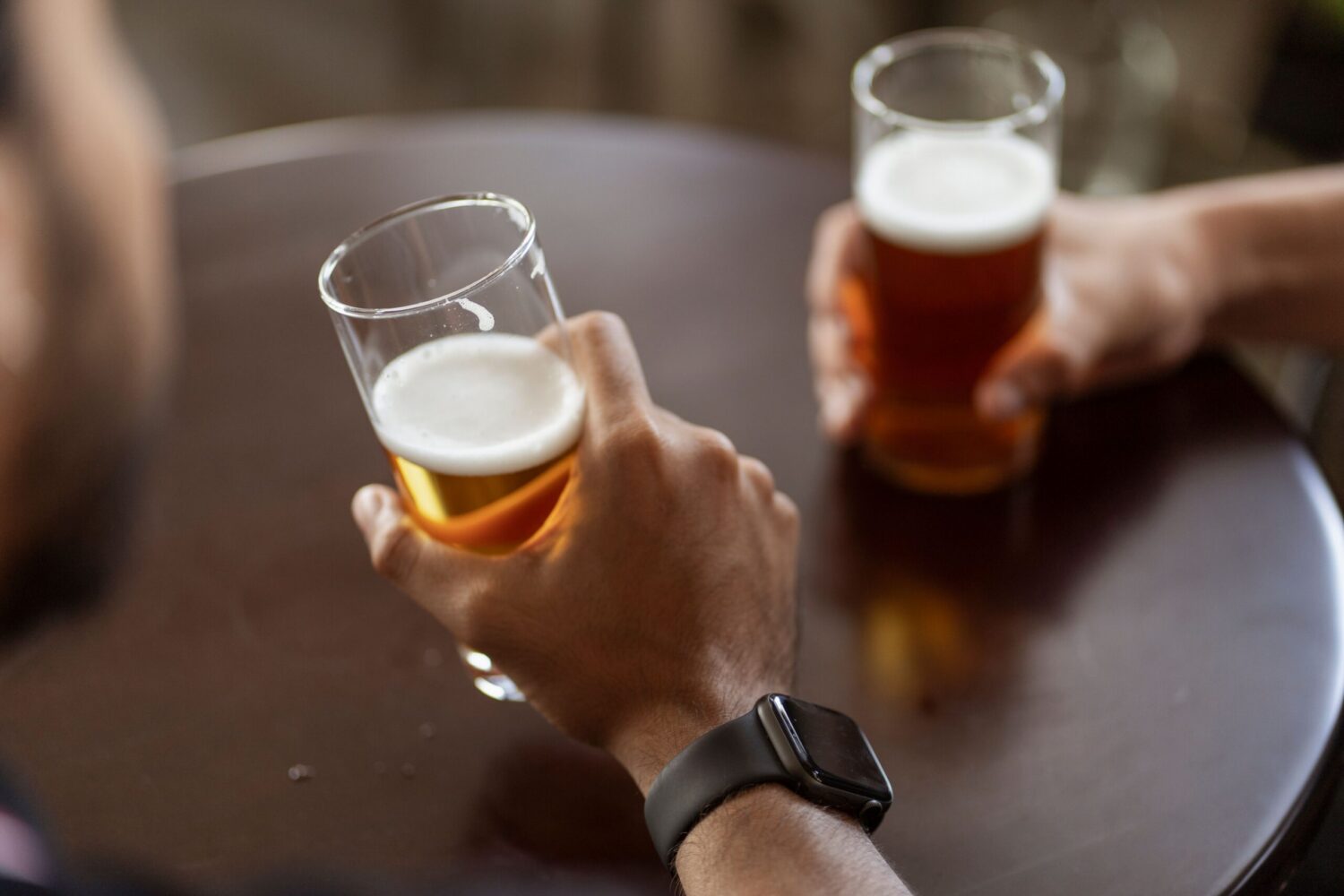
For fatty liver disease caused by alcohol use, the solution is simple, though often a challenge: stop alcohol use. This is the single most powerful step someone can take. The liver begins to repair itself almost immediately once alcohol is removed. Within two to three weeks, inflammation begins to drop. By six weeks, liver fat is substantially decreased. Within three to six months, many individuals recover full liver function. It’s important to note that healing only occurs with complete abstinence. Even small amounts of alcohol can interfere with liver recovery. People who struggle to stop drinking should seek support from medication-assisted treatment, such as naltrexone, acamprosate, or disulfiram, combined with counseling and support. Alcohol use disorder is a medical condition, not a moral failure. Treating it improves the likelihood of a healed liver.
Diet plays a major role in determining the timeline for fatty liver reversal. A diet high in sugar, refined carbohydrates, saturated fats, processed foods, and alcohol contributes to liver inflammation. A liver-friendly diet consists of whole foods, lean proteins, vegetables, fruits, high-fiber foods, and healthy fats, such as olive oil and avocados. This could be a drastic lifestyle change for some. Start with the following strategies to enhance liver repair:
- Eliminate sugary drinks
- Reduce ultra-processed foods
- Cut back on refined carbohydrates, such as white bread, pastries, and pasta
- Limit processed meats and fried foods
- Increase fiber intake
- Eat lean proteins
- Prioritize whole grains
- Consume plenty of vegetables and fruits
- Incorporate omega-3-rich foods, like salmon and walnuts
Your diet does not need to be perfect to create meaningful change. Your commitment to change and consistency is far more important than intensity.
Diet and exercise go hand in hand. Exercise accelerates liver healing, even without weight loss or significant diet changes. Aerobic exercise and strength training can both reduce liver fat: Aerobic exercise improves insulin sensitivity and reduces inflammation, while strength training increases muscle mass, which, in turn, improves metabolism and glucose regulation. The recommended activity level is at least 150 minutes of moderate aerobic exercise per week plus two days of strength training. If you live a relatively sedentary lifestyle, that’s a major change. Start with small changes. A 10 to 15-minute walk after meals improves blood sugar and supports the liver. Try taking the stairs instead of the elevator or taking a parking spot that is further away. Before long, these efforts will start to feel easy, and you’ll move on to the next challenge.
Sleep and stress may not seem directly related, but like every health condition, they play large roles in your health. For fatty liver disease, the impact is on your metabolic function. Poor sleep increases cortisol, which prompts abdominal fat storage and worsens insulin resistance. Chronic stress also drives hormonal changes that increase liver fat accumulation. By improving sleep quality and practicing stress management techniques (deep breathing, yoga, journaling, or counseling), you can significantly accelerate the healing process.
Fatty liver disease can be caused or exacerbated by weight, diet, exercise, sleep, and stress. By making improvements, however small, in these spheres, you can support liver healing and reversal.
Comorbidities and Liver Healing
Some conditions have a significant influence on fatty liver disease. Diabetes, hypothyroidism, high cholesterol, polycystic ovary syndrome (PCOS), and obesity are at the top of the list. When these conditions are untreated, the liver struggles to heal. For example, uncontrolled diabetes increases insulin resistance, which, in turn, causes the liver to store more fat. Thyroid disorders slow metabolism, making fat accumulation more likely. It’s important to treat these conditions through medication, lifestyle changes, and consistent monitoring to support faster liver recovery.
Professional Treatment and Support
Fatty liver disease, while reversible, should not be ignored. If someone has elevated enzymes for more than six months, shows signs of fibrosis or cirrhosis, is struggling with alcohol use disorder, or has comorbidities, expert support is crucial. With so many variables, the timeline for fatty liver reversal is dependent on the individual patient. Thankfully, the liver is incredibly resilient. With consistent lifestyle changes, medical support, and a commitment to long-term health, fatty liver disease is reversible for the majority of people.
The disease not only affects the body but also the emotional well-being of the individual. Many people face their diagnosis with guilt, shame, and fear. Lifestyle changes can feel overwhelming. Professional care offers structured treatment, medical monitoring, nutritional counseling, medication assistance, and treatment for underlying conditions. Only then can the healing timeline be maximized.
At Renew Health, we know that patients who feel supported are more likely to succeed. Patients who feel judged or overwhelmed often shut down. Healing requires encouragement, clarity, and compassion. Recovery is not just a medical question but an emotional one. A well-informed and supported patient has the power to heal. That’s why we at Renew Health are available to guide you through every step of the process with compassion, clarity, and evidence-based care.
Actionable Takeaways
- Early-stage fatty liver can improve in weeks and often resolves within two to three months.
- NASH without fibrosis may require six months to a year. Mild fibrosis may take one to two years to heal.
- Improvements can be made through weight loss, alcohol abstinence, diet, exercise, sleep, stress reduction, and consistent healthy habits.
- Healing is possible for most people with the right plan and professional care.
Renew Health: Your Partner in Liver Healing Care
Phone: 575-363-HELP (4357)
Website: www.renewhealth.com