
Drug testing has become a routine part of modern healthcare, employment, and recovery programs. Whether it’s part of a workplace policy, a medical evaluation, or ongoing monitoring during treatment, drug tests help ensure safety, compliance, and transparency. One of the most common questions people ask when they encounter drug screening for the first time is simple: what is a 4-way drug test? Understanding what this test measures, how accurate it is, and what its results mean can make a big difference in how someone approaches the testing process. At Renew Health, we believe knowledge empowers recovery and self-awareness. So let’s break down exactly what this kind of test is, what it detects, and why it’s important across so many settings.
What Is a 4-Way Drug Test?
A 4-way drug test—sometimes called a 4-panel drug test—screens for four major categories of commonly misused substances. These tests are typically urine-based, though oral fluid (saliva), hair, and blood versions exist. The “four-way” label refers to the number of drug classes detected, not the number of substances specifically. The exact substances can vary depending on the manufacturer or the testing purpose, but most standard 4-panel tests identify:
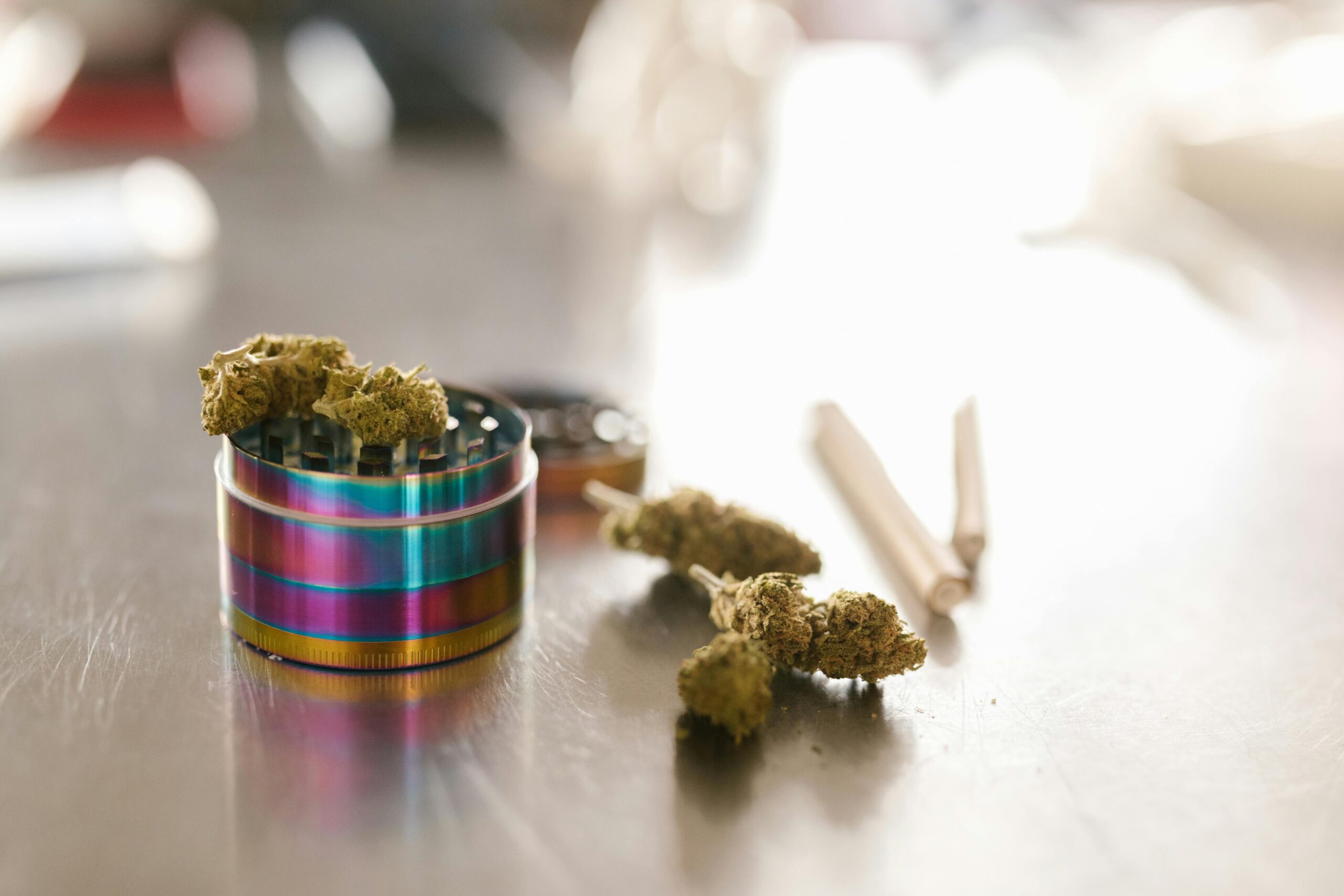
- Marijuana (THC)
- Cocaine
- Opiates (such as morphine, codeine, or heroin)
- Amphetamines (including methamphetamine)
A positive result in any of these categories indicates recent or ongoing use of that drug class. For example, someone using prescription opioids for pain management under medical supervision might test positive for opiates. That’s why interpretation of the results always requires professional context—what’s prescribed, what’s legal, and what’s potentially harmful or illicit.
The Purpose of Multi-Panel Drug Testing
Drug testing serves different goals. In workplace settings, it ensures safety and productivity. In healthcare and recovery, it helps monitor adherence and detect possible relapse. For legal or probationary requirements, it provides objective evidence of compliance. A 4-way drug test is often the baseline screening tool used because it covers a broad range of substances without being excessively expensive or complicated to interpret. It provides a balance between breadth and efficiency, making it a practical choice for clinics, treatment programs, and employers alike.
Many companies incorporate 4-panel drug testing into their hiring or random testing programs. Safety-sensitive industries, such as construction, transportation, and healthcare, rely on these screenings to protect both workers and the public. The U.S. Department of Transportation (DOT) requires drug testing for specific positions, though the federal standard usually includes five drug categories rather than four. Still, smaller businesses and non-DOT employers often prefer a 4-way test because it’s affordable and straightforward. For employees, understanding what a 4-way drug test entails helps them know their rights and responsibilities, especially if they take prescription medication that could trigger a positive result.
In addiction treatment programs, drug testing revolves around support. At Renew Health, we use testing as a tool to help patients stay accountable and to identify when additional support may be needed. Regular testing helps ensure that prescribed medications such as buprenorphine or naltrexone are being used appropriately and that no other substances are interfering with recovery. A 4-way drug test offers a quick snapshot of progress and can be used as part of a broader monitoring plan that may include counseling, medication management, and behavioral therapies. This transparency builds trust between patients and providers. When a result comes back unexpected, it opens a conversation rather than closing a door.
Drug testing is a powerful accountability tool in recovery, but it’s not about shame. It’s about honesty. For many individuals in treatment, knowing that a 4-way drug test will occur helps reinforce daily choices that support sobriety and provides measurable feedback, which can be encouraging when results consistently show progress. Renew Health integrates testing into care plans not as surveillance, but as a partnership. We remind our patients that the test is a data point, and we use it together to celebrate wins and troubleshoot challenges.
Whether drug testing is required by a workplace, recovery program, medical clinic, legal counsel, or another entity, the choice between a 4-panel and a more comprehensive panel depends on the situation. For general screening or pre-employment purposes, a 4-way test is often sufficient. A 5-panel test adds one more drug class, typically PCP or benzodiazepines, while 10-panel tests and beyond can include barbiturates, methadone, propoxyphene, MDMA, and other substances. In addiction treatment programs, clinicians may choose a customized panel based on a patient’s substance use history to ensure accountability, measure progress, and tailor care.
With this in mind, while it may seem logical to test for as many drugs as possible, larger panels aren’t always necessary or cost-effective. A 4-way drug test provides a focused snapshot, especially when specific substances are of primary concern. Expanding to a 10- or 12-panel test can increase costs and introduce unnecessary complexity if certain drugs are unlikely to be used by the population being tested. For example, a pain management clinic might prefer a targeted panel for prescription opioids and benzodiazepines, while a manufacturing company might stick to the core four classes. Customization is key.
How Drug Tests Work
To understand what a 4-way drug test measures, it helps to look at how these tests actually work. Most rely on a process known as immunoassay screening, which uses antibodies that react to specific drug metabolites—the chemicals left in the body after a substance has been processed by the liver. If a target drug or its metabolite is present, the antibodies bind to it and produce a visible signal (in a dipstick test) or a measurable result in a laboratory setting. While these tests are designed for accuracy, they aren’t perfect. False positives can occur if certain over-the-counter medications, foods, or prescription drugs mimic the structure of a targeted substance. For that reason, confirmatory testing—usually through gas chromatography-mass spectrometry (GC-MS)—is performed when an initial result comes back positive.
Every drug has its own detection window, or the amount of time the drug remains traceable in the body after use. Factors such as metabolism, dosage, frequency, and the type of sample (urine, saliva, hair, or blood) all influence detection. For instance:
- THC can remain detectable in urine for several days to weeks, depending on the frequency of use.
- Cocaine is generally detectable for 2–4 days.
- Opiates may show up for 1–3 days.
- Amphetamines can remain for 1–3 days as well.
Hair follicle tests can detect substances up to 90 days later, while saliva and blood tests have much shorter windows, typically a few hours to a couple of days. Because of these variations, healthcare providers choose test types based on what information they need most: short-term use or long-term patterns.
Factors That Affect Drug Test Results
While 4-panel tests cover major drug categories, they don’t detect everything. Benzodiazepines, alcohol, synthetic opioids like fentanyl, and many newer designer drugs may not appear in the results. That’s why it’s crucial to match the test type to the individual situation. A patient in medication-assisted treatment might require a panel that includes methadone or buprenorphine, while a corporate employer may only need the basic four classes. Misunderstanding the limits of testing can lead to false assumptions about substance use or sobriety. The test is just one piece of data—it doesn’t tell the whole story.
Several factors can influence the outcome of a 4-way drug test, including:
- Hydration levels: Drinking excessive water before a test can dilute urine and affect accuracy.
- Body composition: Higher body fat can extend the detection window for THC.
- Metabolic rate: People with faster metabolisms may eliminate substances more quickly.
- Frequency of use: Chronic use leads to accumulation and longer detection times.
- Testing conditions: Temperature, sample handling, and contamination can alter results.
Even the best-designed tests have limits. A false positive occurs when a substance is detected even though it wasn’t actually used, while a false negative means the drug was present but not detected. False positives can arise from medications like pseudoephedrine, poppy seeds, or antidepressants, while false negatives might occur if someone diluted their sample or if the test’s detection window has passed. Confirmatory testing helps reduce these errors, ensuring results are accurate before any decisions are made. Clinicians should always interpret results within the broader clinical picture, not in isolation.
Myths and Misconceptions About Drug Testing
There’s no shortage of myths surrounding drug testing, including:
- You can “beat” a drug test.
People often believe they can fake a 4-way drug test using detox drinks, synthetic urine, or herbal remedies. However, modern tests have evolved significantly. Most include temperature checks, adulterant panels, and other safeguards to detect tampering.
- Passive exposure—like being near someone smoking marijuana—can cause a positive result.
While trace exposure might show minimal metabolite levels, it rarely reaches the threshold for a true positive.
- If you “fail” a drug test, you will be accused of substance abuse.
A positive test result doesn’t necessarily mean someone is guilty of illicit use. It simply means that a target substance or its metabolite was detected above the established threshold. The next step is typically confirmatory testing. In employment settings, a Medical Review Officer (MRO) reviews the results and contacts the individual for explanation. If the person has a valid prescription for the detected drug, that can often clear the result. In treatment settings, a positive result might lead to an honest discussion about relapse triggers and additional support options. The goal is always recovery, not punishment.
The Future of Drug Testing in Healthcare
As science advances, drug testing is shifting from punitive frameworks to proactive wellness models. Emerging technologies may soon allow for real-time monitoring of recovery biomarkers or the use of AI algorithms to detect relapse risk patterns. As of today, rapid point-of-care tests can now provide results in minutes with high reliability. Some digital platforms connect test results directly to electronic health records, improving efficiency and reducing errors. Research from the National Institute on Drug Abuse (NIDA) has also explored using sweat patches and breath-based detection for specific substances.
These innovations aim to make monitoring more convenient, accurate, and less invasive. The more accessible testing becomes, the better providers can track and support patient recovery in real time. In the future, tests could provide not just detection, but predictive insights to guide personalized care.
The more this sector evolves, though, the more questions are raised about privacy, consent, and the human side of drug testing. At Renew Health, we prioritize informed consent and confidentiality in every case. Patients have a right to understand why they are being tested, what substances are included, and how results will be used. All results are stored securely and shared only with authorized parties according to HIPAA standards. In employment or probationary contexts, transparency from both sides helps maintain trust.
Testing can feel intimidating. Many Renew Health patients come to us with a history of judgment or punishment related to substance use. We take a different approach. Our philosophy is that testing should feel supportive, not punitive. Every test is an opportunity for understanding, encouragement, and growth. When a result comes back positive, we don’t shame; we ask, “What’s happening in your life right now?” That human-centered response helps break the cycle of secrecy and fear that often surrounds addiction.
Recovery thrives in an environment of honesty and accountability. Drug testing supports that environment when done correctly, as it can validate progress, reinforce motivation, and identify areas needing more attention. Each test result is part of a larger clinical narrative. Over time, these data points help clinicians identify trends, adjust medications, and strengthen recovery strategies. For example, consistent negative results over several months may signal readiness for reduced monitoring or transition to outpatient care. On the other hand, occasional positives may indicate the need for additional therapy or medication adjustment.
The difference lies in intention. When patients know that testing is there to help them, not punish them, they’re more likely to engage fully in treatment and to share openly with their care team.
Preparing for a Drug Test: Practical Tips
If you know you’ll be taking a drug test soon, it’s important to be honest and prepared:
- Disclose medications: Provide documentation for prescriptions or over-the-counter medications.
- Stay hydrated, but not excessively: Normal hydration helps produce an adequate sample.
- Avoid unverified detox products: Many “quick fix” methods can cause invalid results or even raise suspicion.
- Ask questions: It’s your right to know what the test includes and how results are handled.
- Follow instructions carefully: Proper sample collection ensures accurate testing and avoids the need for retesting.
Actionable Takeaways
- A 4-way drug test detects four major classes of substances: THC, cocaine, opiates, and amphetamines.
- It’s used in workplaces, healthcare, and recovery programs to ensure safety and accountability.
- Testing accuracy depends on proper procedures, confirmatory testing, and honest communication.
- False positives can occur, but confirmatory testing resolves most discrepancies.
- In treatment, testing should serve as a supportive tool—not punishment.
- Renew Health emphasizes dignity, trust, and transparency in every aspect of testing and care.
- Knowledge of what a 4-way drug test is helps patients and professionals use it responsibly.
Drug testing isn’t about catching people—it’s about caring for them. Whether you’re an employer ensuring safety, a clinician monitoring recovery, or a patient navigating treatment, understanding what a 4-way drug test does can remove much of the anxiety that surrounds it.
Behind every sample cup or lab result is a person. A parent. A worker. A friend. Someone trying to rebuild trust and stability. At Renew Health, we never forget that. We’ve seen countless individuals transform their lives, and drug testing—done compassionately—has played an important role in that transformation.
Renew Health: Your Partner in Drug Testing and Recovery Care
Phone: 575-363-HELP (4357)
Website: www.renewhealth.com