
Oxycodone has destroyed Fran’s life. Where does she go from here?
The opioid crisis has gripped every corner of the United States, affecting millions of
Americans with opioid use disorder (OUD). This disorder encompasses addiction to
prescription painkillers like oxycodone and illicit drugs such as heroin and fentanyl.
Opioid addiction traps individuals in a cycle of dependence that feels almost
insurmountable to break free from.
But fortunately, effective treatment options do exist. One such option is Medication-
Assisted Treatment (MAT), which combines behavioral therapy with medications like
Suboxone, helping individuals overcome opioid addiction.
However, finding convenient and accessible care can prove to be a challenge for many
opioid-addicted individuals. For those in need of immediate assistance, a walk-in
Suboxone clinic provides a pivotal lifeline. These clinics allow people to receive
prompt care without the need to schedule an appointment weeks in advance. This
carves a faster path to the life-saving treatment they need.
If you’re searching for a walk-in Suboxone clinic near you, this guide will help you
understand what to expect from a walk-in clinic, how Suboxone works, and the
benefits of getting treatment free of the delays often associated with traditional
healthcare settings.
So Fran wants to change.
She heard about Suboxone and wants to see if it’s an effective treatment for her opioid
addiction.
She searched “walk-in Suboxone clinic near me” and this is what she found.
What is a Walk-In Suboxone Clinic?
Walk-in Suboxone clinics are medical facilities where, unlike traditional medical routes,
patients can receive immediate and effective care for opioid use disorder, without the
need for a scheduled appointment. These clinics provide a full range of services related
to Medication-Assisted Treatment (MAT), including assessments, counseling, and
ongoing monitoring to support long-term recovery.
Walk-in Suboxone clinics are designed to offer same-day access to Suboxone. Suboxone
is a medication that helps manage withdrawal symptoms and reduce cravings for opioid
use. This same-day access allows people to seek treatment on their own schedule. This
is crucial for opioid addicted individuals, as their window of opportunity to seek help
can often be narrow. When someone like Fran is ready to take the first step toward
recovery, having immediate access to care can make all the difference.
The Role of Suboxone in Opioid Addiction Treatment
Suboxone, a crucial medication utilized in MAT programs, is a synergistic combination
of buprenorphine and naloxone. These two medications collaborate in assisting
individuals in managing their opioid addiction and progressing towards recovery.
Buprenorphine: A Partial Opioid Agonist
Buprenorphine, a partial opioid agonist, binds to the same receptors in the brain as
opioids like heroin, fentanyl, and prescription painkillers. However, unlike full opioid
agonists, buprenorphine only partially activates these receptors, providing sufficient
stimulation to reduce cravings and withdrawal symptoms without inducing the intense
euphoria associated with opioid misuse. One of buprenorphine’s significant advantages
is its ceiling effect. After reaching a certain dose, increasing the amount of
buprenorphine taken does not enhance its effects. This makes it much more
challenging to misuse compared to full opioid agonists, and it substantially reduces the
risk of overdose.
Naloxone: An Opioid Antagonist
Suboxone’s other counterpart is naloxone. Buprenorphine is an opioid agonist that
helps manage opioid addiction, while naloxone is an opioid antagonist, included to
prevent misuse. Naloxone blocks the effects of opioids, rendering it impossible to get
high if Suboxone is injected or used improperly. When taken as prescribed (as a
sublingual tablet or film), the naloxone component remains inactive. But if someone
attempts to misuse Suboxone, naloxone blocks the opioid receptors, preventing any
euphoric effects. Together, buprenorphine and naloxone offer a safe and effective
approach to managing opioid addiction and minimizing the risk of relapse.
The Benefits of Walk-In Suboxone Clinics
For people like Fran, being able to access immediate care is vital. Walk-in Suboxone
clinics provide several advantages that make them an appealing choice for individuals
seeking rapid treatment.
Immediate Access to Care
A primary challenge in seeking addiction treatment is appointment wait time. In
traditional healthcare settings, patients may have to wait days or even weeks to see a
doctor or get started on medication. For someone like Fran, struggling with opioid
addiction, this delay can be life-threatening.
The same-day access to treatment that Walk-in clinics offer eliminates this barrier.
Patients can walk into the clinic, undergo an assessment, and commence Suboxone
treatment on the same day. This promptness is particularly paramount for individuals
experiencing withdrawal symptoms or cravings, as they require immediate relief to
prevent relapse or overdose.
Reduced Barriers to Entry
For many individuals grappling with opioid addiction, having to schedule appointments
and navigating the healthcare system can be an overwhelming task. Walk-in Suboxone
clinics offer a solution of convenience by eliminating the need for prior scheduling.
This flexibility empowers individuals like Fran to seek help whenever they feel ready,
reducing the stress associated with coordinating appointments, ensuring they receive
the necessary care without unnecessary delays.
Flexibility in Care
Walk-in Suboxone clinics provide flexible hours and often operate on evenings and
weekends, which makes it easier for individuals to access care around their work,
family, and personal commitments. This flexibility is essential for those who may not be
able to take time off during regular business hours to attend a clinic.
Comprehensive Care
Many walk-in Suboxone clinics go beyond medication to offer comprehensive care,
including counseling, behavioral therapy, and support groups. This holistic approach
addresses the roots and origins of addiction while equipping individuals with the steady
tools for long-term sobriety.
Counseling and therapy are crucial components of recovery, helping individuals
develop coping strategies, build resilience, and manage the emotional and
psychological aspects of addiction. Walk-in clinics that provide these services offer a
well-rounded approach to recovery, ensuring patients receive both medical and
psychological support.
No Need for Long-Term Commitments
For some individuals, the idea of entering a long-term treatment program can be
daunting. Walk-in Suboxone clinics offer a convenient alternative, allowing patients to
begin treatment without committing to a lengthy program immediately. This flexibility
can make it easier for individuals to take the first step toward recovery without feeling
overwhelmed by the prospect of a prolonged commitment.
What to Expect When Visiting a Walk-In Suboxone Clinic
So what happens when Fran heads into a Suboxone clinic? Visiting a walk-in Suboxone
clinic is akin to visiting any other healthcare provider, but with the added convenience
of there being no appointments required.
Here’s what you can anticipate during your visit:
Intake and Assessment
Upon your arrival at the clinic, you’ll typically undergo an intake assessment. This
pivotal step aids in assessing the severity of your opioid use disorder, then devising a
tailored treatment plan. During the intake, a healthcare provider will inquire about your
substance use history, medical history, and any co-occurring mental health conditions
such as anxiety or depression.
The assessment may also include a physical examination and, in some cases, lab tests to
check for any underlying health issues. The goal of the intake is to gather the necessary
information to develop a comprehensive treatment plan that addresses your unique
needs and challenges.
Starting Suboxone Treatment
Once your intake assessment is complete, the healthcare provider will evaluate whether
Suboxone is the suitable medication for you. If it is, they’ll test you on a low dose of
Suboxone and closely monitor your response to the medication.
Suboxone is typically administered as a sublingual film or tablet that dissolves under the
tongue. That initial dose is meticulously calculated to minimize withdrawal symptoms
while avoiding sedation or other adverse effects. During the initial few days of
treatment, you may need to return to the clinic for follow-up visits to ensure the
medication’s effectiveness and make any necessary dosage adjustments.
Counseling and Behavioral Therapy
On top of medication, many walk-in Suboxone clinics provide counseling and
behavioral therapy as part of their treatment program. These therapies are crucial for
helping individuals identify and address the underlying causes of their addiction, as
well as develop the necessary skills for sustained recovery.
Individual counseling involves one-on-one sessions with a therapist to delve into the
emotional and psychological factors that contribute to addiction. During these sessions,
patients work on developing coping mechanisms, setting achievable goals, and building
a robust support network.
Group therapy sessions are offered at many clinics, providing individuals in recovery
with an opportunity to share their experiences, offer support, and learn from one
another. These sessions foster a sense of community and help alleviate the isolation that
often accompanies addiction.
Family therapy is beneficial for individuals struggling with addiction as it not only
addresses the individual’s challenges but also impacts their loved ones. It provides a
supportive environment for healing, fostering open communication, and strengthening
familial relationships.
Ongoing Support and Monitoring
Recovery is a long-term journey, and walk-in Suboxone clinics offer ongoing support to
help patients continue making progress. After the initial stabilization period, many
patients can take Suboxone at home and return to the clinic for regular check-ins and
follow-up appointments.
During these follow-up visits, healthcare providers closely monitor your progress,
adjust your dosage if needed, and provide ongoing counseling and support. Regular
urine screenings may also be conducted to ensure you’re adhering to the treatment
plan and to check for the presence of any other substances.
How to Find a Walk-In Suboxone Clinic Near Me
If you’re looking for a walk-in Suboxone clinic near you, there are several resources
available to assist you in finding the appropriate care. Here are multiple methods to
locate a clinic in your area:
Use SAMHSA’s Treatment Locator
The Substance Abuse and Mental Health Services Administration (SAMHSA) offers
a Treatment Locator Tool that allows you to search for certified MAT providers in your
area. This tool assists you in locating walk-in clinics that provide Suboxone as part of
their services. You can filter the results based on your location, the services offered, and
the payment options to find a clinic that aligns with your specific requirements.
Search Online
A simple online search using the keywords “walk-in Suboxone clinic near me” can
provide a list of clinics in your area. Many of these clinics have websites where you can
find information about their services, operating hours, and whether they accept walk-
ins. Additionally, reading public reviews from other patients can offer insights into the
quality of care provided by the clinic.
Contact Local Addiction Treatment Centers
Many addiction treatment centers provide walk-in services for individuals seeking
Suboxone treatment. Contacting these centers directly will help you determine if they
offer walk-in options and if they’re currently accepting new patients.
Ask Your Primary Care Provider
If you have a primary care physician, they might be able to refer you to a walk-in
Suboxone clinic in your area. Many healthcare providers are familiar with local
addiction treatment resources and can assist you in finding a clinic that provides the
necessary care.
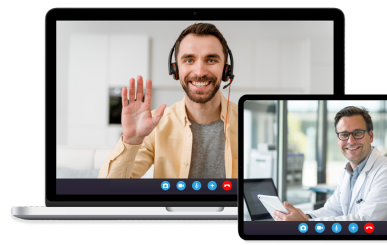
Explore Telehealth Options
In certain instances, clinics may provide telehealth services that enable patients to
receive Suboxone treatment remotely. Although not all clinics offer telehealth for walk-
ins, it’s advisable to inquire about this option, especially if you reside in a rural area or
face challenges in accessing in-person care.
The Role of Renew Health in Providing Walk-In Suboxone Treatment
At Renew Health, we recognize the critical importance of immediate access to care for
individuals seeking recovery from opioid addiction. Our walk-in Suboxone clinic offers
same-day access to Suboxone treatment, coupled with comprehensive counseling and
support services. These resources are designed to empower individuals on their
journey towards lasting recovery.
Our Walk-In Suboxone Clinic Offers:
• Medication-Assisted Treatment (MAT): We use Suboxone as part of a
comprehensive MAT program to help individuals manage cravings and
withdrawal symptoms.
• Counseling and Therapy: Our experienced counselors provide individual, group,
and family therapy to address the emotional and psychological aspects of
addiction.
• Ongoing Monitoring: We provide regular follow-up appointments to ensure that
Suboxone treatment is working effectively and to adjust the dosage as needed.
• Telehealth Options: For those who cannot attend in-person appointments, we
offer telehealth services that allow patients to receive Suboxone prescriptions
and counseling remotely.
Conclusion
Walk-in Suboxone clinics provide individuals like Fran with the opportunity to take
control of their addiction and embark on a genuine path to recovery.
Finding a walk-in Suboxone clinic near you is a crucial step in seeking immediate help
to overcome opioid addiction. These clinics offer same-day access to life-saving
medications like Suboxone, along with counseling and support services to aid
individuals in achieving long-term recovery. By providing flexible and comprehensive
care, walk-in Suboxone clinics simplify the recovery journey, eliminating delays and
barriers commonly associated with traditional healthcare settings.
At Renew Health, we are committed to providing accessible, compassionate care for
individuals struggling with opioid addiction. If you or a loved one is seeking walk-in
Suboxone treatment, contact us today to learn more about our services and how we can
support you on your path to recovery.