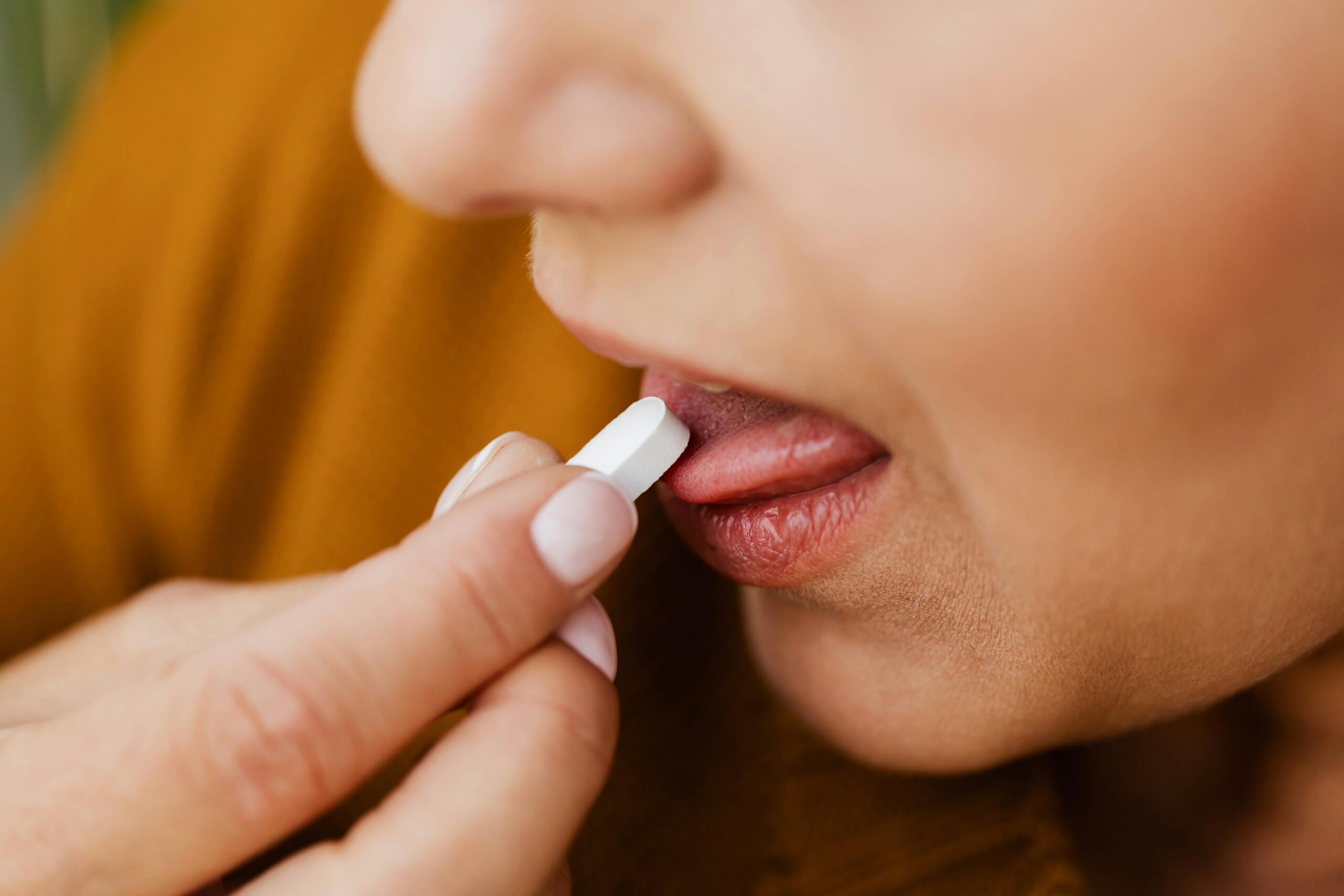

Methadone is a cornerstone of medication-assisted treatment (MAT) for opioid use disorder (OUD), helping countless people reclaim their lives from the grips of addiction. It reduces cravings, suppresses withdrawal, and creates a stable platform for long-term recovery. But with recovery comes new questions—and one of the most common is this: Can you drink alcohol while on methadone? It’s a fair question, especially for individuals who are trying to reintegrate into social settings or celebrate milestones. But the answer isn’t just a simple yes or no. Mixing methadone and alcohol comes with significant risks—some of them life-threatening. Both substances are central nervous system (CNS) depressants, and when combined, they can multiply each other’s effects in dangerous ways. In this comprehensive guide, we’ll explore why drinking alcohol on methadone is risky, what the potential outcomes are, and what safer alternatives look like for individuals in recovery. Whether you’re on methadone yourself, supporting someone who is, or simply trying to understand the facts, this article will provide everything you need to know about the dangers of mixing alcohol with methadone.
Table of Contents
ToggleWhat Is Methadone and How Does It Work?
Methadone is a long-acting synthetic opioid that binds to the brain’s opioid receptors, the same ones affected by heroin, fentanyl, or prescription opioids. However, methadone works more slowly and lasts much longer—usually 24 to 36 hours. When taken as prescribed under the supervision of a licensed treatment provider, methadone:
-
Suppresses withdrawal symptoms
-
Reduces opioid cravings
-
Blocks the euphoric effects of other opioids
-
Helps normalize brain chemistry
The goal of methadone treatment is not to get patients high, but to provide a stable, therapeutic dose that restores functionality and enables participation in counseling, family life, employment, and community. Most patients on methadone say they feel “normal,” not intoxicated or sedated. However, methadone is still a central nervous system depressant, meaning it slows down vital functions like breathing, heart rate, and brain activity. That’s where the risk of mixing it with alcohol comes in.
What Happens When You Mix Methadone and Alcohol?
Alcohol is also a CNS depressant. When you drink, your brain activity slows down. This leads to effects like:
-
Relaxation
-
Slowed reaction time
-
Impaired judgment
-
Drowsiness
-
Lowered inhibition
When you combine alcohol with methadone, the depressant effects don’t just add—they multiply. This phenomenon is called synergistic potentiation, and it can have dangerous, even fatal consequences. Here’s what happens when methadone and alcohol are in the system at the same time:
-
Breathing slows down dramatically, sometimes to the point of respiratory arrest
-
Heart rate decreases, increasing the risk of fainting, cardiac events, or death
-
Mental alertness is compromised, leading to extreme drowsiness, unconsciousness, or coma
-
Liver stress increases, as both substances require processing through the liver, heightening the risk of toxicity
The result? A much higher chance of overdose—even if both substances are taken in seemingly “moderate” amounts.
The Overdose Risk: A Life-and-Death Reality
Mixing methadone and alcohol significantly raises the risk of fatal overdose. Methadone itself has a long half-life, which means it stays in the body for a long time—even after the sedating effects wear off. Alcohol, by contrast, acts quickly. When both are in the system, the combined effects can:
-
Slow breathing to dangerously low levels
-
Cause loss of consciousness
-
Increase the risk of vomiting while unconscious, which can lead to choking or aspiration
-
Disrupt heart rhythms and blood pressure
According to the Centers for Disease Control and Prevention (CDC), a growing number of opioid-related overdose deaths also involve alcohol. In fact, alcohol is involved in 1 in 5 opioid overdose deaths, and methadone is among the opioids most commonly implicated when alcohol is present.
Why Some People Are More at Risk
Certain factors increase the danger of mixing alcohol with methadone. These include:
-
New patients: Individuals just starting methadone treatment have not yet developed tolerance and may be more sensitive to side effects.
-
Elderly individuals: Age-related changes in liver and kidney function can slow down drug metabolism, leading to higher blood concentrations.
-
Liver disease: Since both methadone and alcohol are processed through the liver, anyone with compromised liver function is at increased risk of toxicity.
-
Polysubstance use: Individuals taking benzodiazepines, sleep medications, antidepressants, or antipsychotics may already have increased CNS depression.
-
People with mental health disorders: Co-occurring conditions like depression or anxiety may increase the temptation to use alcohol to self-medicate.
What If You Only Drink Occasionally?
Even a single drink can be dangerous depending on your methadone dose, your tolerance, and your metabolism. People often underestimate how alcohol interacts with medications—especially methadone, which remains active in the body long after you feel its effects. There’s no “safe” amount of alcohol when you’re on methadone. The truth is, even light or occasional drinking can lead to serious side effects or overdose when combined with methadone.
Short-Term Effects of Mixing Methadone and Alcohol
When consumed together, alcohol and methadone can lead to:
-
Dizziness or vertigo
-
Confusion or disorientation
-
Slurred speech
-
Impaired motor function
-
Nausea or vomiting
-
Intense sedation
-
Fainting or blackouts
These symptoms may appear within minutes to an hour of mixing the substances—and they can escalate quickly. What starts as a buzz can become a medical emergency, especially if you fall asleep and stop breathing.
Long-Term Effects of Mixing Methadone and Alcohol
Chronic alcohol use while on methadone can have damaging long-term consequences, including:
-
Liver damage: Alcohol can cause or worsen fatty liver, hepatitis, and cirrhosis. Methadone also depends on liver metabolism, compounding the risk.
-
Heart disease: Both alcohol and methadone can affect cardiac function, increasing the risk of arrhythmias and heart failure.
-
Cognitive decline: Long-term polysubstance use impairs memory, concentration, and decision-making abilities.
-
Increased tolerance and dependence: Using alcohol regularly may require adjustments in your methadone dose, complicating treatment.
-
Higher risk of relapse: Alcohol can lower inhibitions and increase the likelihood of returning to illicit opioid use.
Can You Be Kicked Out of Methadone Treatment for Drinking?
Not necessarily. Most methadone clinics and treatment centers recognize that relapse is part of recovery, and occasional alcohol use does not automatically result in removal from the program. However, alcohol use is typically discouraged—and monitored through urine or breathalyzer tests—because of its dangers. In many programs, consistent or heavy drinking may:
-
Trigger a treatment plan review
-
Lead to more frequent counseling sessions
-
Result in loss of take-home dose privileges
-
Prompt a referral to dual-diagnosis care for co-occurring substance use
The goal is not to punish patients but to protect their safety. If alcohol use is identified, most programs offer additional support—not judgment.
Why Patients in Recovery Often Struggle With Alcohol
It’s not uncommon for people recovering from opioid addiction to turn to alcohol, especially if they’re dealing with:
-
Anxiety or depression
-
Loneliness or boredom
-
Trauma
-
Social pressure
-
Cravings for altered states
Alcohol may seem “safer” or more socially acceptable than heroin or fentanyl, but for individuals in recovery—especially those on methadone—it poses serious risks. Moreover, alcohol use can compromise the emotional and psychological gains you’ve made in treatment. It can:
-
Disrupt sleep
-
Impair judgment
-
Reinforce escape-based coping mechanisms
-
Undermine confidence in your recovery
That’s why many treatment programs recommend total abstinence from alcohol, not just from opioids.
How to Talk to Your Provider About Alcohol Use
If you’re using alcohol while on methadone—or you’re thinking about it—it’s critical to talk to your provider. This can feel intimidating, especially if you’re worried about being judged. But transparency is essential for your safety. Here’s how to approach the conversation:
-
Be honest: Let your provider know how often and how much you’re drinking.
-
Ask questions: Express any confusion about whether occasional drinking is safe.
-
Request help: If you’re struggling to stop, ask about additional support services or referrals.
-
Stay open: Your provider is not there to punish you—they want to help you succeed.
Treatment plans are most effective when they’re personalized and based on the whole picture—not just what shows up on a chart.
What to Do If You’ve Mixed Alcohol and Methadone
If you or someone else has taken methadone and then consumed alcohol, watch closely for warning signs of overdose:
-
Extreme drowsiness or inability to wake up
-
Slowed or stopped breathing
-
Blue or gray lips or fingertips
-
Vomiting while unconscious
-
Unresponsiveness
In the event of any of these symptoms:
-
Call 911 immediately
-
Administer naloxone (Narcan) if available
-
Stay with the person and monitor breathing
Even if the person seems okay after a few minutes, they still need emergency care. The effects of methadone and alcohol can worsen over time, and re-sedation is common.
Healthy Alternatives to Alcohol in Recovery
Recovery doesn’t mean the end of fun, celebration, or social life—it just means finding new ways to connect, relax, and enjoy yourself without putting your life or stability at risk. Try:
-
Mocktails: Creative non-alcoholic drinks with the feel of a cocktail
-
Sober events or communities: Recovery-friendly social spaces
-
Exercise or outdoor activities: Natural endorphin boosters
-
Mindfulness or meditation: Grounding practices for stress and anxiety
-
Journaling or art: Creative outlets for emotional expression
Many people find that these alternatives provide deeper and more lasting satisfaction than alcohol ever did—and they do it without compromising health or recovery.
Actionable Takeaways
-
Never mix methadone and alcohol—the combination significantly increases your risk of sedation, overdose, and death.
-
Even small amounts of alcohol can be dangerous, especially during the early stages of methadone treatment.
-
If you’re struggling with alcohol use while on methadone, talk to your provider immediately. Help is available.
-
Be aware of other CNS depressants (like benzos or sleep aids), which can further increase risk when combined with methadone.
-
Recovery works best with honesty, structure, and support—you’re not expected to be perfect, but you are encouraged to be proactive.
-
Embrace healthy alternatives for stress, fun, and connection that don’t compromise your safety or sobriety.
Conclusion
So, can you drink alcohol while on methadone? Technically, yes—but you absolutely shouldn’t. The risks far outweigh any short-term reward. The combination of methadone and alcohol is dangerous, unpredictable, and potentially fatal. But more importantly, alcohol use on methadone undermines the hard work, stability, and healing that recovery offers. You don’t need to drink to feel connected, relaxed, or celebrated. There are safer, healthier, and more fulfilling ways to live. Whether you’re early in treatment or years into recovery, the decision to say no to alcohol is an act of self-respect, self-preservation, and personal empowerment. You’ve already taken huge steps by choosing methadone and committing to your recovery. Don’t let alcohol put that progress at risk. If you’re struggling, reach out. You don’t have to do this alone.
Renew Health: Your Partner in Methadone-Based Recovery
Phone: 575‑363‑HELP (4357)
Website: www.renewhealth.com