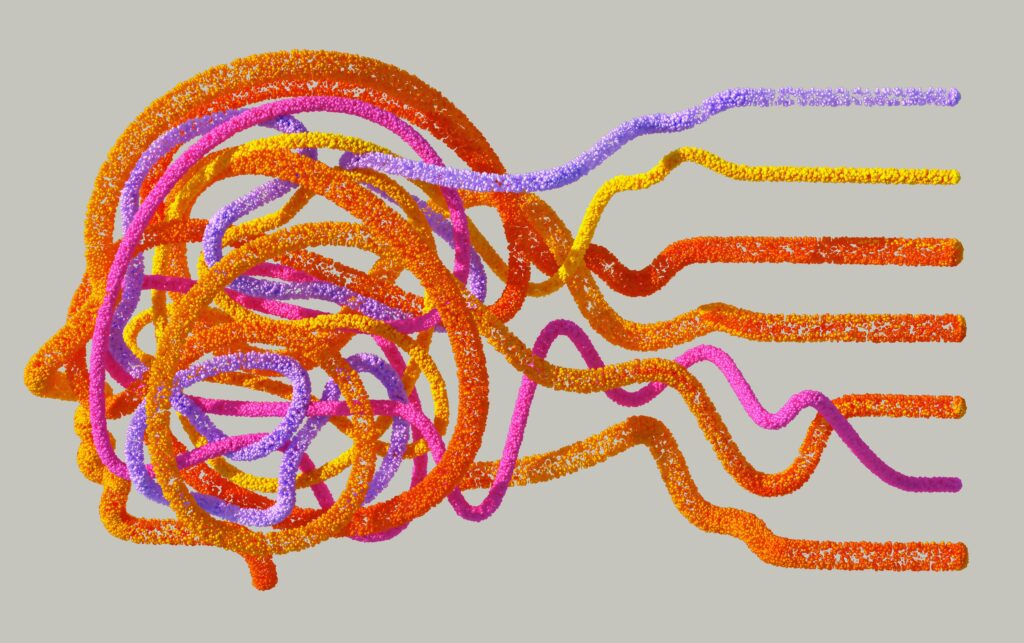
Addiction is often described as a disease of the brain, but what does that really mean? For many people, the word addiction still conjures up images of willpower or moral weakness. The science tells a different story. Addiction changes the way the brain functions at a fundamental level. These changes explain why quitting is so hard, why relapse is common, and why professional treatment is so important. At the same time, the brain also has the remarkable ability to heal. Recovery is possible, not just because people find strength but because the brain itself is capable of rewiring in healthier directions. In this post, we will explore how addiction alters the brain, the science behind those changes, and what you can do to help restore balance, healing, and hope.
Understanding the Basics of Brain Function
Before we look at what addiction does, it helps to understand how the brain normally works. The brain is made up of billions of neurons that communicate with one another through chemicals called neurotransmitters. These messages allow us to move, think, feel, and respond to our environment. One of the most important neurotransmitters in addiction is dopamine. Dopamine is part of the brain’s reward system, which evolved to reinforce survival behaviors like eating, drinking water, and connecting socially. When something pleasurable happens, dopamine is released, creating a sense of satisfaction. This helps motivate us to repeat behaviors that keep us alive and connected.
How Drugs Hijack the Reward System
Addictive substances like opioids, alcohol, stimulants, and sedatives all tap into this reward system. They flood the brain with dopamine or mimic the effects of other neurotransmitters. The result is an intense feeling of pleasure or relief, often much stronger than what natural rewards can provide. The brain quickly learns to associate the substance with that powerful reward. Over time, the brain begins to prioritize the substance over natural sources of pleasure. The more someone uses, the more the brain adapts, shifting its focus to obtaining and using the drug above all else.
Tolerance and Dependence: The Brain’s Adaptation Process
One of the hallmark features of addiction is tolerance. Tolerance happens when the brain reduces its sensitivity to the drug. At first, one dose produces a powerful effect. But as the brain adapts, the same amount no longer feels as strong, leading the person to use more to achieve the same result. Alongside tolerance comes dependence. Dependence means the brain has adjusted so thoroughly that it now needs the drug to function normally. Without it, withdrawal symptoms appear. These can range from anxiety and irritability to severe physical illness depending on the substance. This adaptation process shows how deeply substances change brain chemistry and why quitting cold turkey is often so difficult.
Structural Brain Changes in Addiction
Addiction doesn’t just affect neurotransmitters; it also changes the structure of the brain. Imaging studies show that chronic substance use alters the physical wiring of neural pathways. Three areas are especially impacted:
-
The prefrontal cortex, which controls decision-making, planning, and impulse control. In addiction, this area becomes less active, making it harder to weigh consequences or resist cravings.
-
The amygdala, which processes emotions like fear and stress. Addiction can heighten reactivity here, leading to strong emotional responses that fuel relapse.
-
The nucleus accumbens, which is central to the reward system. This region becomes hyperactive in response to drug cues, while natural rewards produce less response.
These structural changes create a vicious cycle where cravings dominate, self-control weakens, and stress becomes overwhelming.
Memory, Learning, and Triggers
The brain also forms powerful memories around drug use. These memories are stored in a way that makes them easily triggered. A sight, smell, place, or even a certain feeling can bring back a flood of craving. This is why people in recovery often find themselves struggling when they return to environments where they used to use substances. The hippocampus, which is involved in memory, works together with the amygdala to connect emotional experiences to these memories. The result is that triggers feel not only mental but also physical, as the body prepares for drug use even before the person consciously thinks about it.
Why Willpower Alone Isn’t Enough
Because addiction changes the brain so profoundly, it’s unrealistic to think that willpower alone can overcome it. Telling someone to “just stop” doesn’t address the neurological reality. The brain has been rewired to seek the substance, often against the person’s own best intentions. This doesn’t mean recovery is hopeless—it means recovery requires more than just determination. Professional treatment, medical support, therapy, and social connection all work together to help the brain relearn healthier patterns.
The Good News: Neuroplasticity and Recovery
Here’s the hopeful part: the brain is not fixed in its damaged state. Neuroplasticity refers to the brain’s ability to adapt and change. Just as addiction rewires the brain in destructive ways, recovery rewires it in healing ways. When someone stops using substances and begins treatment, new neural pathways form. The prefrontal cortex can regain strength, the reward system can recalibrate, and natural pleasures can begin to feel satisfying again. This process doesn’t happen overnight. It takes time, support, and repeated healthy behaviors to create lasting changes. But science shows that the brain is capable of remarkable recovery.
What You Can Do: Practical Steps Toward Healing
If you or a loved one is struggling with addiction, there are concrete steps you can take to support brain healing:
-
Seek Professional Treatment: Evidence-based care, including medication-assisted treatment and behavioral therapy, provides a foundation for recovery.
-
Prioritize Sleep: Rest is essential for brain repair. Poor sleep increases cravings and weakens decision-making.
-
Eat Nutritious Foods: A balanced diet provides the building blocks for neurotransmitter production and overall brain health.
-
Exercise Regularly: Physical activity boosts dopamine in healthy ways and helps repair the reward system.
-
Practice Mindfulness: Meditation and mindfulness reduce stress, strengthen the prefrontal cortex, and improve self-control.
-
Build a Support Network: Positive social connections activate the brain’s reward pathways in sustainable, healthy ways.
-
Avoid Triggers Early On: Protecting yourself from high-risk situations gives the brain time to heal before facing challenges.
The Role of Therapy in Rewiring the Brain
Different therapeutic approaches directly support brain healing. Cognitive Behavioral Therapy helps individuals recognize distorted thought patterns and replace them with healthier ones. Motivational Interviewing strengthens commitment to change by exploring personal values. Trauma-informed therapy addresses the underlying pain that often fuels addiction. Each of these approaches works with the brain’s natural plasticity, reinforcing positive circuits and weakening destructive ones.
The Importance of Medication-Assisted Treatment
For many people, medication plays a vital role in stabilizing brain chemistry. Medications like buprenorphine, methadone, or naltrexone for opioid addiction, and acamprosate or disulfiram for alcohol, help normalize brain function. These medications are not replacing one addiction with another; rather, they allow the brain to function without the destructive highs and lows of illicit substance use. This stability provides the foundation for therapy and lifestyle changes to take root.
Healing the Stress System
Addiction doesn’t only affect the reward system; it also throws the stress system out of balance. The hypothalamic-pituitary-adrenal (HPA) axis becomes overactive, making people more sensitive to stress. Stress is one of the biggest triggers for relapse. Healing the stress system means learning new coping skills, engaging in relaxation practices, and sometimes using therapy or medication to regulate mood. As stress responses normalize, the brain is less likely to fall back into old patterns.
The Role of Environment in Brain Healing
The environment you live in plays a huge role in brain recovery. A safe, stable environment free of substance cues gives the brain a chance to build new pathways. Conversely, an environment full of triggers makes healing much harder. This is why many people benefit from structured programs, sober living, or support groups during the early stages of recovery. Over time, as the brain heals, people become more resilient to stress and triggers.
Stories of Hope
Research can feel abstract, but real people show us the power of brain healing every day. Many individuals who once felt trapped by cravings, destructive habits, and hopelessness have gone on to build fulfilling lives in recovery. Their brains didn’t stay stuck in the patterns of addiction. With time, treatment, and support, they experienced the joy of natural rewards again, the strength of self-control, and the freedom to choose their future. These stories remind us that while addiction rewires the brain, recovery rewires it back.
Actionable Takeaways
-
Addiction is a disease of the brain, not a moral failing.
-
Substances hijack the brain’s reward system, creating tolerance, dependence, and powerful cravings.
-
Structural changes weaken decision-making, intensify emotions, and strengthen drug-related memories.
-
Willpower alone is rarely enough, because the brain has been rewired at a deep level.
-
Recovery is possible because of neuroplasticity—the brain’s ability to adapt and heal.
-
Professional treatment, therapy, medication, and lifestyle changes all support brain healing.
-
Social connection, stress management, and positive environments make recovery more sustainable.
Conclusion
Addiction changes the brain in profound ways, but it does not define a person forever. Understanding how addiction rewires the brain helps reduce stigma and highlights the importance of treatment. More importantly, it underscores the power of recovery. The same brain that once learned to crave substances can also learn to live without them, to find joy in healthier rewards, and to thrive in new ways. Healing takes time, effort, and support, but it is entirely possible. Every day, people prove that recovery is real—not just because they are strong, but because the brain is built to heal.
Renew Health: Your Partner in Addiction Care
Phone: 575-363-HELP (4357)
Website: www.renewhealth.com