
For anyone beginning addiction treatment, naltrexone has proven to be one of the most powerful and consistent modern tools available. It works by blocking the euphoric effects of opioid or alcohol dependence, allowing those in recovery to fully focus on rebuilding their lives without having to deal with severe withdrawal. One of the most common questions a patient might have is how long naltrexone blocks receptors, and what that means for daily life and long-term healing. Having an in-depth understanding of how this medication works is essential for safe and effective use. Here at Renew Health, we believe knowledge and understanding are the building blocks for empowerment–knowing how medicines like naltrexone work supports families in making confident, informed choices during recovery.
What Is Naltrexone? Naltrexone is a prescription medication used to support people living with opioid or alcohol use disorders. It works by gently blocking the brain’s opioid receptors, the same receptors that opioids like heroin, oxycodone, or fentanyl attach to to produce feelings such as euphoria, pain relief, and sedation. Unlike those substances, naltrexone binds to these receptors without activating them, helping to prevent opioids from having their usual effects. For individuals working to reduce drinking or opioid use, naltrexone can play a meaningful role. It helps lessen cravings and may reduce the sense of reward associated with alcohol, making it easier for people to move forward in their recovery.
How Naltrexone Works in the Brain The brain’s reward system is shaped by a complex system of interactions between neurotransmitters and receptors. When substances like opioids or alcohol activate this system, they can create strong connections between substance use and feelings of relief or pleasure. Over time, these patterns can deepen, making cravings feel more persistent and behaviors harder to change. Naltrexone helps interrupt this process by attaching to opioid receptors without activating them and blocking the usual response to these substances. This can ease cravings and reduce the sense of reward if relapse occurs, making setbacks less reinforcing. With continued use, this reduced feedback gives the brain space to gradually loosen those learned associations, allowing recovery to take root.
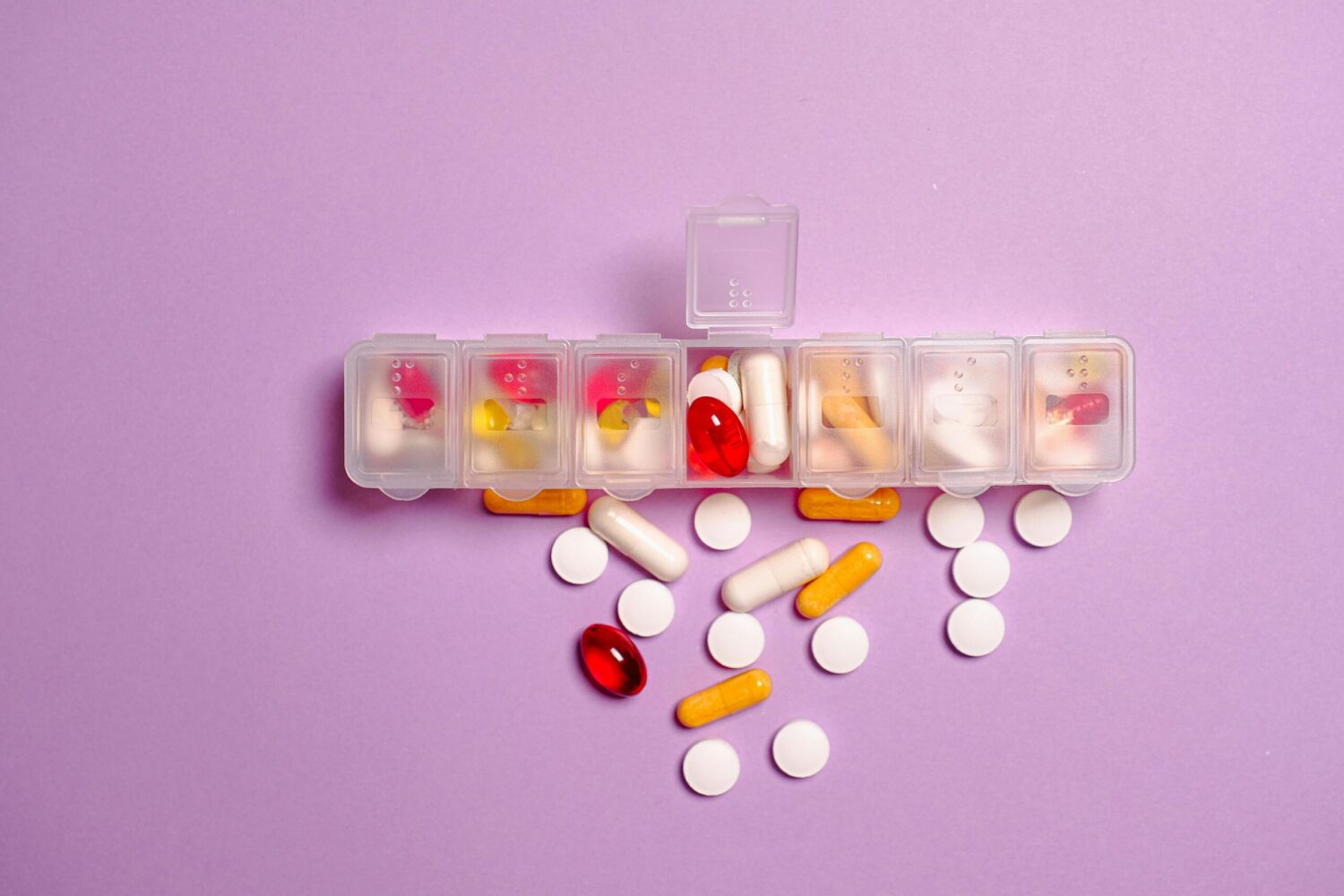
Forms of Naltrexone: Oral and Injectable Naltrexone shows up in two primary forms: a daily oral tablet and a longer-acting injectable option. The tablet is commonly available under the brand name ReVia, and is usually taken once a day, most often at a 50 mg dose. The injectable form, Vivitrol, is given once every four weeks. Both forms offer the same effects, but they differ in the time each is active in the body. A single tablet provides coverage for about 24 to 36 hours, while the injectable version releases medication gradually, maintaining its effect for roughly a month. Choosing between these options can shape how consistently the medication blocks receptors, and is often guided by what feels most manageable and supportive for each individual’s routine and recovery plan.
How Long Does Naltrexone Block Receptors? How long naltrexone continues to block opioid receptors can vary from person to person. Factors like the dose, the form of the medication, metabolism, and overall physiology all play a role in how it works in the body. With the oral form, ReVia or its generic version, the blocking effect generally lasts about 24 to 36 hours after each dose. During that time, opioids or alcohol are much less likely to produce their usual effects. Because the medication can linger slightly beyond a full day, some clinicians may recommend adjusted dosing schedules, such as every other day or a few times per week, depending on individual needs. The injectable form, Vivitrol, works differently. It provides a steady, continuous level of medication for about 28 to 30 days. This extended release helps keep receptors consistently blocked over time, offering ongoing support during moments when cravings may come and go.
Pharmacokinetics and Half-Life To understand how long naltrexone continues to block receptors, it can be helpful to look at its pharmacokinetics. Pharmacokinetics are defined by how the body absorbs, processes, and clears the medication over time. After taking an oral dose, naltrexone reaches its peak level in the bloodstream within about one to two hours. The medication itself has a relatively short half-life of around four hours, meaning half of it is cleared from the body in that time. However, it is converted into an active metabolite called 6-beta-naltrexol, which remains in the body longer, with a half-life of about 13 hours. Together, these compounds continue working to block opioid receptors for roughly a full day after each dose. The injectable form, Vivitrol, behaves differently. Since it is released slowly from muscle tissue, it has a much longer effective half-life, typically between 5 and 10 days. This slow, sustained release is what allows it to maintain receptor blockade for close to a month after a single injection
What Happens During Receptor Blockade When naltrexone attaches to opioid receptors, it works like a protective barrier, so if someone uses opioids while on the medication, they won’t experience the usual “high” or euphoric effects. Because the reward is blocked, the urge to use again will be greatly reduced. For alcohol use, naltrexone works in a similar way, by changing how the brain responds to drinking, which can lessen cravings and make alcohol feel less rewarding. Over time, this can support the brain’s adjustment to the medication, lowering dependence and supporting a more stable mood and emotional control.
How Long Does the Blocking Effect Last After Stopping Naltrexone? Once you stop taking naltrexone, how long it continues to block opioid receptors depends on the form you were using and how long you’ve been on it. With a single oral dose, the blocking effect usually wears off within about 48 to 72 hours. If you’ve been taking it regularly for a few weeks, small amounts of the medication and its byproducts can stay in your system a bit longer, sometimes up to five days. For the extended-release injection, the effect lasts much longer. It continues to block receptors for about 30 days, then gradually fades as the medication slowly leaves your body. Even after naltrexone is fully out of your system, some people notice ongoing benefits like fewer cravings, due to the brain adjusting more healthily.
Why the Blocking Duration Matters Understanding how long naltrexone stays active in your body is important for both safety and treatment success. If opioids are used before naltrexone has fully worn off, it can trigger sudden and intense withdrawal symptoms. This happens because naltrexone strongly binds to opioid receptors and can push other opioids off those receptors very quickly. On the other hand, once naltrexone is completely out of your system, there’s a different risk. During treatment, your tolerance to opioids decreases. If someone returns to using the same amount they took before, it can significantly increase the risk of overdose. Because of these risks, it’s important to work closely with a healthcare provider when stopping naltrexone or switching treatments, so changes can be made safely and at the right time.
Factors That Influence Duration
Several things can affect how long naltrexone continues to block opioid receptors in your body:
- Dose and frequency: Higher doses or taking the medication more often can make the blocking effect last longer.
- Metabolism: People who naturally metabolize medications more quickly may clear naltrexone sooner.
- Liver function: Since naltrexone is processed by the liver, reduced liver function can delay how quickly it breaks down.
- Injection absorption: With the injectable form, how the medication is absorbed can vary depending on muscle mass and activity level.
- Hydration and diet: Staying well-hydrated and maintaining balanced nutrition can help your body process medications more efficiently.
- Overall health and body composition: Factors like age, body fat, and underlying medical conditions can all influence how long the medication remains active.
How Naltrexone Supports Recovery Beyond blocking receptors, naltrexone helps individuals focus on the psychological aspects of recovery without the distraction of cravings or euphoria. It allows patients to engage fully in therapy, relationships, and daily responsibilities without the constant battle against urges. Many describe it as a safety net that gives them time to rebuild confidence and coping skills. The duration of receptor blockade ensures consistent protection during vulnerable phases of recovery, particularly in the first six to twelve months when relapse risk is highest.
Beyond blocking opioid receptors, naltrexone can help create space to focus on the deeper, psychological side of recovery. By reducing cravings and preventing the “high,” it allows people to engage more fully in therapy, relationships, and everyday life without constantly battling urges. Many people describe it as a kind of safety net—something that gives them time to rebuild confidence, develop healthier coping skills, and regain a sense of control. Because its effects last for a set period of time, naltrexone also provides steady, reliable protection during more vulnerable stages of recovery—especially in the first six to twelve months, when the risk of relapse is often highest.
Naltrexone for Alcohol Use Disorder. In alcohol recovery, naltrexone works a bit differently, but it can be just as helpful. Instead of blocking an opioid “high,” it changes how the brain responds to alcohol, making drinking feel less rewarding. With the oral form, this effect typically lasts about 24 hours after each dose. The injectable version provides a steady effect for about 30 days. For many people, this consistent support helps reduce cravings and lowers the likelihood of binge drinking. Some individuals use an approach called the Sinclair Method, where naltrexone is taken before planned drinking. Over time, this can help retrain the brain’s reward system, gradually reducing the urge to drink.
How to Start Naltrexone Safely Before starting naltrexone, it’s important to be completely free of opioids for at least 7 to 10 days. Taking it too soon can trigger sudden and severe withdrawal due to naltrexone immediately blocking any opioids still in your system. A healthcare provider will usually confirm that opioids are no longer present, often through a naloxone challenge test or a urine screening. Once treatment begins, some people may experience side effects like nausea or fatigue, but these are typically short-lived and ease as the body adjusts to the medication.
Side Effects and Considerations Naltrexone is generally safe, but some people may experience mild side effects such as headache, trouble sleeping, muscle aches, or feelings of anxiety. Rarely, it can affect the liver, particularly at higher doses, so doctors usually monitor liver enzymes during treatment. For the injectable form, soreness or mild discomfort at the injection site can occur for a few days. Overall, most people tolerate naltrexone well and do not experience any long-term problems.
Transitioning from Naltrexone to Other Medications If someone decides to stop naltrexone or switch to another treatment, like buprenorphine or methadone, careful timing is important to make the transition safe and comfortable. Because naltrexone continues to block opioid receptors for days or weeks, starting another medication too soon may not work as intended and could even trigger withdrawal symptoms. Healthcare providers usually guide this process closely, waiting until the blocking effect has fully worn off. For oral naltrexone, this generally means 2 to 3 days, and for the injectable form, 4 to 6 weeks. This careful approach helps protect your safety while supporting a smooth, steady path toward recovery
Can You Feel Normal While on Naltrexone? It’s completely natural to worry that naltrexone might dampen your emotions or take away your sense of pleasure. The reassuring truth is that it doesn’t block your brain’s natural endorphins; it only affects the receptors triggered by external opioids. Many people find that, rather than feeling “numb,” they feel more grounded and emotionally steady as cravings ease. Over time, the brain gently recalibrates, and natural dopamine and endorphin activity returns, helping patients reconnect with everyday joys. Naltrexone isn’t about suppressing your feelings, but about creating space for balance and a fuller sense of well-being.
How Long Should You Stay on Naltrexone? The ideal duration of time on naltrexone can differ for each person. Some people use it for around six months, while others benefit from several years of treatment. Research shows that longer use is often linked to stronger recovery and lower chances of relapse. Stopping naltrexone should always be a decision made together with your healthcare provider, once the risk of relapse is low and healthy coping strategies are well established. Even after the medication is discontinued, ongoing therapy and connection with others remain important for maintaining long-term recovery.
Life After Naltrexone When naltrexone treatment comes to an end, recovery doesn’t stop. It continues through self-care, counseling, and creating balance in your daily life. Completing treatment while staying abstinent can give you a strong foundation and a sense of confidence moving forward. It’s natural to feel cautious because the risk of relapse never fully disappears. That’s why staying aware of your triggers, leaning on supportive friends, family, or peer groups, and reaching out for help early if cravings return is so important. Recovery is a journey, and having guidance and connection along the way can help you navigate it with greater safety and resilience.
Renew Health’s Approach to Naltrexone Treatment At Renew Health, we see naltrexone as more than just a medication—it’s a tool that supports both the patient’s physical recovery and emotional well-being. Our clinicians work closely with these individuals to create a treatment plan tailored to unique needs, taking aspects such as lifestyle, health history, and personal recovery goals in to account. We offer both oral and injectable options, regular follow-up visits, and integrated therapy to provide care that addresses the whole person. We also make sure patients understand how naltrexone works, including how long it blocks receptors. This helps them to feel informed, safe, and prepared every step of the way. Recovery isn’t one-size-fits-all, and our team is here to help build a plan that fits patients’ specific lifestyles, helping them move forward with confidence and stability.
Actionable takeaways
- Naltrexone blocks opioid receptors for about 24–36 hours with each oral dose, and up to 30 days with the injectable form.
- How long the blockade lasts can vary based on factors like metabolism, liver function, dosage, and the type of medication.
- By preventing opioids and alcohol from producing euphoric effects, naltrexone helps reduce cravings and lowers the risk of relapse.
- Safe use requires being fully detoxed before starting and working closely with a healthcare provider when stopping or switching treatments.
- Combining naltrexone with therapy, counseling, and peer support provides the strongest foundation for long-term recovery.
- At Renew Health, we offer personalized naltrexone programs designed to guide you safely, keep you informed, and support lasting recovery every step of the way.
Conclusion Asking “how long does naltrexone block receptors?” is about more than the science—it’s about understanding how recovery medications can provide safety, structure, and confidence during one of life’s most challenging transitions. For most people, naltrexone offers a steady foundation by blocking the pathways that once fueled addiction, creating the space needed for true healing to begin. Whether its effects last a single day or a full month, the relief from cravings and the sense of control it brings can have a lasting impact. At Renew Health, we’re here to guide each person through this journey with compassion, education, and evidence-based care, supporting the individual’s journey towards clarity, stability, and hope.
Renew Health: Your Partner in Naltrexone Treatment and Long-Term Recovery
Phone: 575-363-HELP (4357)
Website: www.renewhealth.com