
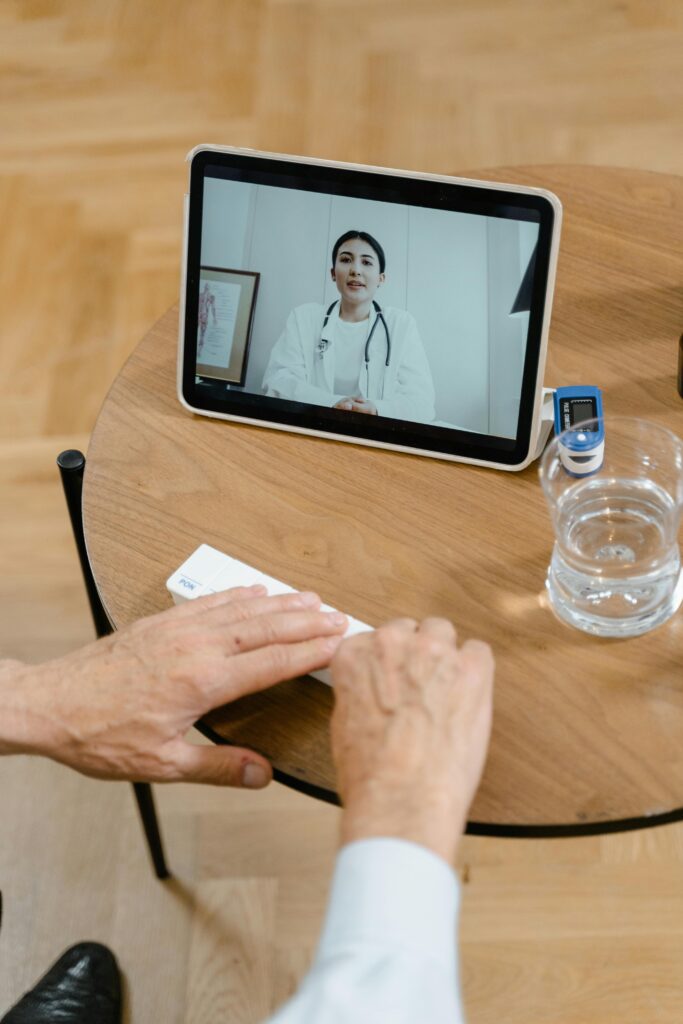
The landscape of addiction treatment is undergoing a historic transformation—and at the heart of it lies one of the most powerful tools in modern healthcare: telehealth. Once a peripheral option in medicine, telehealth has emerged as a critical lifeline for people struggling with substance use disorders (SUDs), especially in the wake of the COVID-19 pandemic. But why is telehealth growing so rapidly in addiction care? And what makes it so effective for both patients and providers?
Table of Contents
ToggleIn this 4,000-word guide, we explore the accelerated adoption of telehealth in addiction treatment. We’ll cover the origins of virtual care, its specific advantages for addiction recovery, real-world outcomes, provider perspectives, patient success stories, and what the future holds. If you’re seeking clarity on how telehealth is changing the addiction care model—for the better—this comprehensive post is for you.
The Telehealth Surge: A Timeline of Growth
Pre-2020: The Early Adoption Phase
Telehealth wasn’t born in the pandemic era. It has its roots in the 1960s, when NASA and remote hospitals began experimenting with long-distance health consultations. For decades, though, adoption remained limited, largely due to:
- Regulatory constraints
- Limited reimbursement
- Skepticism from both providers and patients
- Technology barriers
Some pioneering addiction treatment centers used video calls or phone check-ins, but these were rare and often underfunded.
2020–2022: The Pandemic Explosion
The arrival of COVID-19 changed everything. Virtually overnight, telehealth became essential. Emergency legislation lifted restrictions, allowing:
- DEA-approved remote prescribing of controlled substances (including buprenorphine)
- State parity laws requiring insurers to reimburse virtual addiction care
- Medicaid and Medicare expansions of telehealth coverage
Telehealth usage across behavioral health spiked by over 3,800% in the first six months of 2020, according to a FAIR Health report. Addiction treatment centers pivoted quickly to keep patients connected.
2023 and Beyond: Normalization and Optimization
Now that the pandemic is no longer in its emergency phase, telehealth has become a permanent part of the addiction treatment landscape. Policymakers are working to:
- Make temporary waivers permanent
- Develop national licensure compacts
- Expand access to underserved communities
Today, patients expect virtual options. Clinics that don’t offer telehealth may be left behind.
Why Telehealth Is a Natural Fit for Addiction Treatment
Addiction recovery requires frequent, flexible, and personalized engagement. Telehealth aligns with these needs perfectly.
1. Increased Access to Care
Millions of Americans live in areas with few or no addiction specialists. Telehealth brings services to:
- Rural counties
- Inner cities
- Tribal lands
- Underserved neighborhoods
Patients can connect from home, from transitional housing, or even from their car. This eliminates transportation as a barrier—a major issue for many in early recovery.
2. Reduced Stigma and Greater Privacy
Fear of judgment keeps many people from seeking help. Telehealth provides:
- Anonymous entry points (apps, chat, text)
- Discreet therapy from private spaces
- Less exposure to triggering environments
Patients can focus on healing without worrying about being seen at a rehab facility or clinic.
3. Lower Costs and Fewer Logistical Hurdles
Virtual care reduces costs for patients and providers alike:
- No need for travel or time off work
- Lower administrative overhead
- Group sessions scale more efficiently
Many platforms also offer integrated billing, scheduling, and documentation tools.
4. Enhanced Retention and Engagement
Consistency is key in addiction recovery. Telehealth helps patients stick with their treatment plans by:
- Making rescheduling easy
- Offering reminders and check-ins
- Providing on-demand or asynchronous options
Studies show that telehealth-based MAT programs have higher retention than in-person care alone.
What Addiction Services Are Delivered Via Telehealth?
Telehealth supports every stage of the recovery journey:
Assessment and Diagnosis
- Initial intake via secure video
- Screening for SUD and co-occurring conditions
Medication-Assisted Treatment (MAT)
- Remote buprenorphine and naltrexone prescribing
- Digital monitoring of side effects and adherence
Behavioral Therapy
- Individual counseling (CBT, DBT, trauma-informed care)
- Group therapy via HIPAA-compliant video
Peer Recovery Support
- Certified coaches offering encouragement and lived-experience insights
- Text-based or video support outside therapy hours
Family Engagement
- Family therapy sessions
- Psychoeducation for loved ones
Relapse Prevention
- Mood and craving tracking apps
- AI alerts for risk detection
- Virtual emergency response plans
Real-World Impact: Research and Data
Let’s look at what the science says.
Higher Retention and Medication Adherence
A 2023 JAMA Psychiatry study showed that patients receiving MAT via telehealth were 42% more likely to remain in care at 90 days. Other findings:
- 15% higher adherence to buprenorphine
- Fewer early dropouts from care
Reduced Relapse and Readmission
Telehealth programs incorporating peer support, digital journaling, and contingency management saw:
- 32% lower relapse rates
- 21% fewer hospital readmissions
Improved Mental Health Outcomes
Patients receiving integrated mental health services via telehealth reported:
- Better depression and anxiety symptom control
- Higher satisfaction with care
Cost Savings
According to a RAND study, systems using hybrid addiction care (telehealth + in-person) saved 10–15% per patient annually.
Provider Perspectives: Why Clinicians Embrace Telehealth
While telehealth was initially met with caution by some providers, most now see its lasting value.
Benefits for Providers
- Reduced no-show rates
- Flexible scheduling
- Broader patient reach
- Better work-life balance
Clinical Efficacy
“Telehealth allows me to meet patients in their own environments,” says Dr. Lisa M., an addiction medicine specialist in Ohio. “I see their reality—and that helps us build trust faster.”
Continuity of Care
Clinicians also appreciate the ability to follow patients as they transition between settings—detox, IOP, sober living, or home. Telehealth bridges these gaps.
Patient Voices: Stories from the Screen
Carlos, 28, New Mexico
Carlos started using heroin after an injury. After inpatient treatment, he joined a telehealth MAT program that included weekly therapy and peer check-ins. “If I didn’t have Zoom therapy, I wouldn’t have stayed clean. I couldn’t get to town every week.”
Renee, 42, Washington State
Renee struggled with alcohol use while raising two kids. Telehealth allowed her to attend group therapy without leaving home. “It was hard to make that first call. But once I did, it felt like someone was in my corner.”
DeShawn, 36, Chicago
DeShawn combines in-person MAT with telehealth coaching and a recovery app. “I check in every morning. That app knows me. And my coach? He saved my life.”
Common Barriers and How to Overcome Them
1. Digital Divide
Not everyone has smartphones or stable internet. Solutions include:
- Device lending programs
- Mobile-first platforms
- Clinic-based telehealth kiosks
2. Privacy Concerns
Some patients lack private spaces. Providers can:
- Offer flexible hours
- Teach headphones + noise-masking strategies
3. Licensing and Reimbursement Issues
Regulations vary by state. Advocacy is pushing for:
- National licensure compacts
- Permanent reimbursement parity
Telehealth Platforms and Tools Making a Difference
Clinical Care
- Zoom for Healthcare: Secure group and individual sessions
- Doxy.me: Easy browser-based platform for therapy
Patient Monitoring
- Validic: Connects wearables and health data to providers
- DynamiCare: Biometrics, drug testing, and contingency management
Mobile Apps
- Sober Grid: Peer network and coaching
- WEconnect: Recovery plans and reminders
- reSET-O: FDA-approved digital CBT for OUD
Coordination and Admin
- SimplePractice: Scheduling, billing, documentation
- Kareo: Comprehensive telemedicine and EHR system
The Future of Telehealth in Addiction Care
Expect even more innovation in the coming years:
- AI-driven triage and therapy assistance
- Wearable-triggered interventions
- Virtual reality for craving management and trauma work
- Expanded multilingual platforms
- Smart home tools for 24/7 recovery monitoring
Hybrid models will dominate—combining the best of both virtual and in-person care.
Conclusion: Why the Growth of Telehealth Is Good for Recovery
Telehealth isn’t a trend. It’s a durable, data-backed, patient-preferred model of care that is transforming how we treat addiction.
It works because it:
- Removes barriers
- Fosters connection
- Supports long-term change
As more patients and providers embrace it, we move closer to a system where everyone can access the care they need—wherever they are.
Renew Health: Leading the Way in Virtual Addiction Care
At Renew Health, we offer a fully integrated telehealth platform for:
- MAT
- Therapy
- Peer support
- Digital recovery tools
Whether you’re just starting your journey or looking for better support after treatment, we’re here to help—on your schedule, from your space.
Phone: 575-363-HELP (4357)
Website: www.renewhealth.com