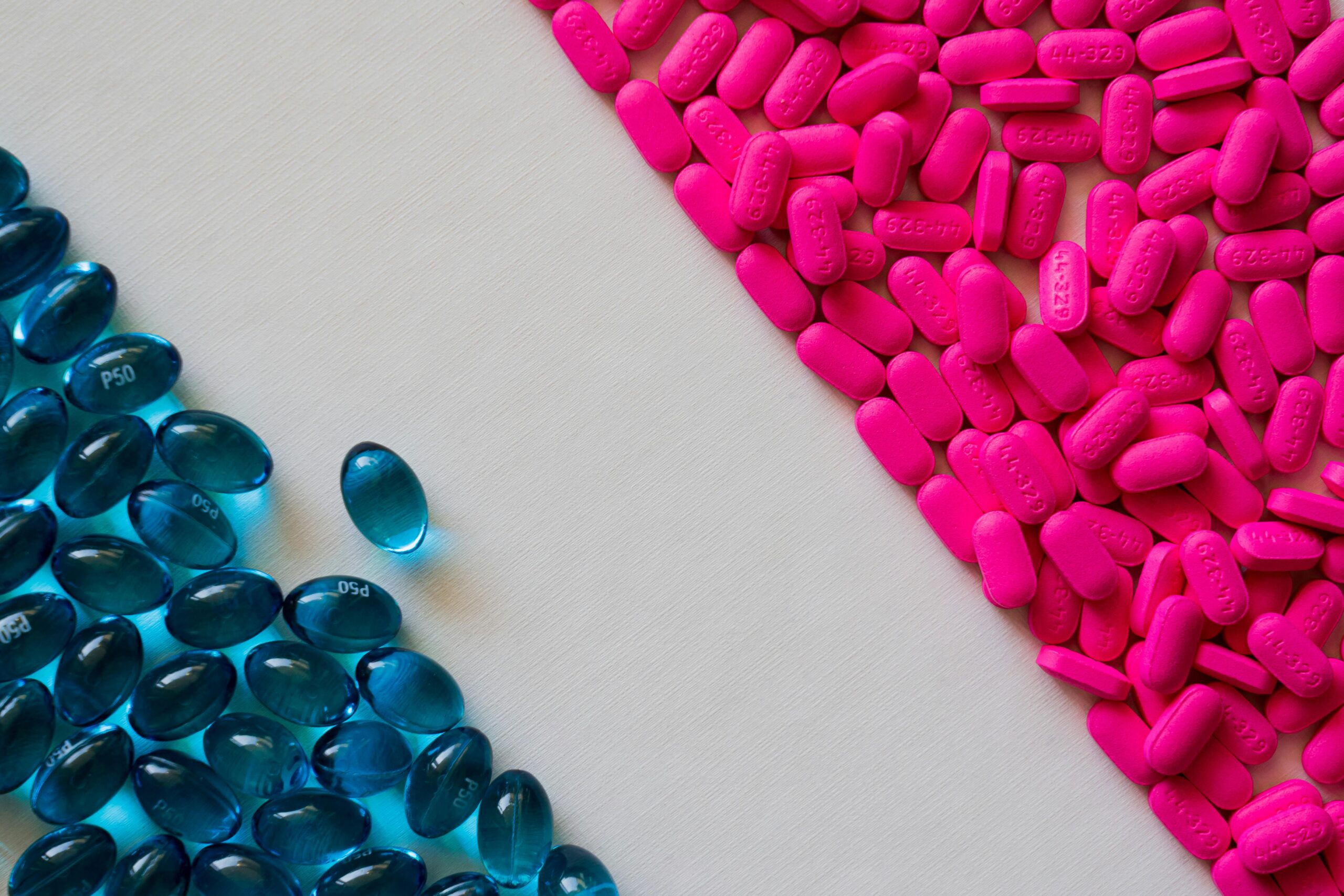

Methamphetamine, often called meth, ice, crystal, or glass, has taken countless lives and devastated entire communities. Among the many street forms of this drug, “bubble meth” has emerged as one of the most dangerous. It’s a potent, addictive form of crystal meth known for its distinctive glass-like appearance that resembles soap bubbles or shards. For those struggling with meth use or watching a loved one spiral under its influence, understanding what bubble meth is and how to find help can mean the difference between continued chaos and a path toward recovery.
Table of Contents
ToggleWhat Is Bubble Meth and Why Is It So Addictive
Bubble meth refers to a form of crystal methamphetamine that gets its name from its translucent, shiny texture that can look like bubbles or small glass crystals. It is typically smoked, though it can also be snorted or injected. The term “bubble” often comes from the way it reacts when heated in a glass pipe. The drug bubbles and vaporizes, releasing a potent smoke that delivers an almost instant high. This high can last several hours, producing a powerful sense of euphoria, confidence, and energy.
Methamphetamine works by flooding the brain with dopamine, the neurotransmitter responsible for pleasure, motivation, and reward. The intense surge creates a rush that hooks users quickly, but the brain soon adapts, requiring more of the drug to achieve the same effect. Over time, natural dopamine production plummets, leaving users unable to feel joy or motivation without meth. This biochemical hijacking is why bubble meth addiction can feel nearly impossible to escape without help.
How Bubble Meth Affects the Brain and Body
When someone uses bubble meth, dopamine levels spike dramatically, but what follows is a steep crash. The brain becomes overstimulated, leading to long-term changes in how it processes emotions, memory, and decision-making. Chronic meth use damages dopamine and serotonin neurons, which are vital for mood regulation. Over time, this can lead to severe anxiety, depression, paranoia, and even psychosis.
Physically, the toll is just as severe. Meth accelerates heart rate, raises blood pressure, and increases body temperature. Chronic use can lead to heart attack, stroke, and irreversible organ damage. Many users develop what’s known as “meth mouth,” a condition marked by severe tooth decay, gum disease, and jawbone erosion caused by dry mouth and teeth grinding. The skin may also break down from constant picking or scratching, a side effect of meth-induced hallucinations that make users feel bugs are crawling under their skin.
The Short-Term High vs. Long-Term Destruction
At first, bubble meth might feel like a miracle to someone chasing energy or escape. It can make a person feel powerful, alert, and unstoppable. But this illusion fades quickly. The crash that follows can bring exhaustion, irritability, confusion, and suicidal thoughts. As tolerance builds, users need more frequent doses to chase the same high. This cycle leads to binges that can last days without sleep or food, pushing the body to its limits.
Long-term users often experience dramatic weight loss, muscle deterioration, and immune suppression. The mind also deteriorates. Chronic meth use can trigger permanent changes in brain structure, resulting in hallucinations, obsessive thoughts, and aggressive behavior. Researchers at the National Institute on Drug Abuse (NIDA) found that even after months of sobriety, the brain may still struggle to recover fully, highlighting how critical early intervention is.
What Makes Bubble Meth Different from Other Drugs
Bubble meth’s potency makes it distinct. While many stimulants increase alertness, meth delivers a surge so intense that it rewires the brain’s reward circuitry almost immediately. It’s also relatively cheap, which makes it accessible. In recent years, its purity has increased dramatically, with law enforcement seizing meth that is 90 percent pure or higher. The more pure the drug, the greater the potential for addiction and overdose.
Another factor that sets bubble meth apart is its method of use. Smoking it allows the drug to reach the brain within seconds, producing a nearly instantaneous rush. This rapid onset makes it especially addictive because the brain learns to associate the ritual of smoking with immediate pleasure. The paraphernalia used, such as glass pipes or “bulb” pipes, becomes symbolic triggers that reinforce the addiction loop.
Recognizing the Signs of Bubble Meth Use
Recognizing meth use early can help save lives. Common physical signs include dilated pupils, rapid weight loss, excessive sweating, dental decay, and skin sores. Behavioral signs can include insomnia, hyperactivity, paranoia, or unpredictable mood swings. People using bubble meth often isolate themselves or stay awake for long stretches, followed by intense crashes where they sleep for days.
You may notice changes in hygiene, increased secrecy, or missing money or valuables. In later stages, psychosis may develop, characterized by delusions, auditory hallucinations, and paranoia. Loved ones may hear bizarre claims about being watched or followed, or see the person talking to themselves. These symptoms often resemble schizophrenia and can require emergency psychiatric intervention.
How Meth Addiction Develops and Why It’s So Hard to Stop
Meth addiction forms quickly because of how it impacts dopamine. The brain’s reward system becomes reliant on the drug to feel normal. Each time bubble meth is used, it strengthens neural pathways that reinforce the habit. This makes cravings almost automatic, especially in response to stress, certain environments, or reminders of past use.
Stopping meth use often leads to intense withdrawal symptoms such as fatigue, anxiety, depression, irritability, and overwhelming cravings. These symptoms can persist for weeks or months, making relapse common without medical and therapeutic support. Because the brain’s dopamine system has been damaged, natural rewards like food, exercise, or social connection may not bring pleasure during early recovery, which is why structured treatment is essential.
How Renew Health Approaches Meth Addiction Treatment
At Renew Health, we understand that recovery from meth addiction is about more than just stopping the drug. It’s about restoring balance to the body, mind, and spirit. Our clinicians use a combination of evidence-based therapies, medical support, and holistic tools to help patients heal from the inside out.
While there are currently no FDA-approved medications that directly reverse methamphetamine addiction, there are treatments that ease withdrawal symptoms and repair the brain over time. Medications such as bupropion and naltrexone have shown promise in reducing cravings and improving mood stability. In addition, behavioral therapies like Cognitive Behavioral Therapy (CBT) and Contingency Management (CM) have been proven to reduce relapse rates by helping patients replace harmful thought patterns with positive coping skills.
The Role of Therapy in Healing from Meth Use
Therapy is central to long-term recovery. CBT helps patients identify and change destructive thoughts and behaviors that keep them trapped in addiction. Contingency Management rewards positive behaviors like attending therapy or maintaining sobriety, which retrains the brain to associate recovery with real, tangible benefits.
Renew Health also uses trauma-informed therapy, recognizing that many people who turn to bubble meth do so as a way to numb pain from past experiences. By addressing the trauma rather than suppressing it, patients can begin to process their emotions safely. Group therapy builds connection and accountability, showing patients that they are not alone and that others have successfully overcome meth addiction.
The Importance of Nutrition and Physical Health During Recovery
Meth use depletes the body’s nutrients, leading to severe malnutrition. Recovery must therefore include proper nutrition and hydration to help the brain heal. Renew Health’s recovery programs emphasize healthy eating, gradual exercise, and rest to rebuild the immune system and improve mood stability.
Physical activity releases endorphins that help restore natural dopamine levels, while structured sleep schedules repair the body’s internal clock. Over time, these changes help reduce cravings and improve emotional regulation. Relearning how to care for the body is a crucial step in building a sustainable, drug-free life.
Why Stigma Prevents Many from Seeking Help
Despite growing awareness, stigma remains a powerful barrier to treatment. Society often frames addiction as a moral failure rather than a chronic medical condition. This misunderstanding isolates people who are already struggling. Many hide their use out of shame, delaying treatment until serious harm occurs.
Renew Health works to break this stigma by providing judgment-free care. Every person deserves compassion, dignity, and access to evidence-based treatment. Addiction is not a choice, but recovery is. By changing how we talk about bubble meth and those affected by it, we can encourage more people to step forward and seek the help they need.
How Families Can Support a Loved One Using Meth
Family involvement can make a tremendous difference. The first step is to educate yourself about addiction. Understanding that meth use changes brain chemistry helps replace anger with empathy. Approach your loved one with compassion, not confrontation. Express concern for their safety rather than judgment about their behavior.
Avoid enabling behaviors, such as giving money or covering for their actions, but do encourage treatment. Family therapy at Renew Health helps rebuild trust and teaches communication strategies that strengthen recovery. Setting boundaries and caring for your own well-being are equally important. A healthy, informed support system can be the foundation for lasting change.
The Role of Community and Peer Support
Community is a cornerstone of healing. Support groups like Crystal Meth Anonymous (CMA) or SMART Recovery provide a safe place for people to share experiences and find encouragement. Being around others who understand the struggle can reduce feelings of isolation and shame.
Renew Health encourages every patient to connect with peer networks, whether online or in-person. Recovery is not about perfection but about progress. Small steps, like attending one meeting or sharing your story, can build confidence and connection that strengthen resilience.
The Rise of Fentanyl-Laced Meth: A Growing Crisis
In recent years, meth has become even more dangerous due to contamination with fentanyl, a synthetic opioid up to 50 times stronger than heroin. Dealers sometimes lace meth with fentanyl to increase potency or profit, but this practice drastically raises the risk of overdose. Many users who believe they are using pure bubble meth are unknowingly consuming fentanyl, leading to fatal outcomes.
According to the Centers for Disease Control and Prevention (CDC), meth-related overdose deaths have tripled in the past five years, largely due to this combination. Because fentanyl is nearly impossible to detect by sight or smell, the only way to know if meth is contaminated is by using fentanyl test strips. Renew Health encourages harm reduction strategies like testing drugs and carrying naloxone, the overdose reversal medication, to save lives while working toward recovery.
Life After Meth: Rebuilding from the Ground Up
Recovery from bubble meth is possible, though it requires patience, support, and commitment. Many individuals find that the hardest part isn’t detox but learning how to live without chaos. Structure, purpose, and connection become vital. Renew Health helps patients rediscover meaning by setting achievable goals, developing healthy routines, and reconnecting with passions that were lost during addiction.
Vocational support, education programs, and mindfulness practices are all part of rebuilding. Over time, as the brain heals and dopamine levels stabilize, joy returns. It may begin as small sparks—enjoying a meal, laughing with family, or waking up clear-headed—but these moments become the foundation of a new life.
Prevention: Protecting the Next Generation
Education is key to prevention. Young people need honest, science-based information about drugs like meth. Scare tactics rarely work; understanding the reality does. Schools, families, and communities can collaborate to create environments where children feel supported and empowered to make healthy choices.
Teaching coping skills, emotional intelligence, and resilience reduces the risk of substance use later in life. When kids learn how to manage stress, build confidence, and seek help without shame, they are better equipped to resist temptation. Renew Health partners with community organizations to promote awareness and prevention initiatives that protect future generations.
Actionable Takeaways for Those Seeking Help
-
If you or someone you love is struggling with meth use, reach out for help immediately. Early intervention saves lives.
-
Seek medical and therapeutic support through programs like Renew Health, which combine medication management, therapy, and holistic care.
-
Focus on whole-person healing: physical, emotional, and spiritual well-being all matter.
-
Remember that relapse does not mean failure. It’s part of the learning process.
-
Connect with community resources, peer support groups, and family therapy to build a strong recovery network.
Conclusion: A Path Toward Renewal
The grip of bubble meth is strong, but it is not unbreakable. With the right combination of medical care, counseling, and support, recovery is entirely possible. Each day without meth is a step toward freedom, health, and peace of mind. The courage to seek help is the first and most important step.
At Renew Health, we believe in second chances and the power of healing. We have witnessed countless people rebuild their lives, find joy again, and inspire others to do the same. No matter how dark it feels now, light is within reach. Your story does not end with addiction—it begins with recovery.
Renew Health: Your Partner in Meth Addiction Care
Phone: 575-363-HELP (4357)
Website: www.renewhealth.com