
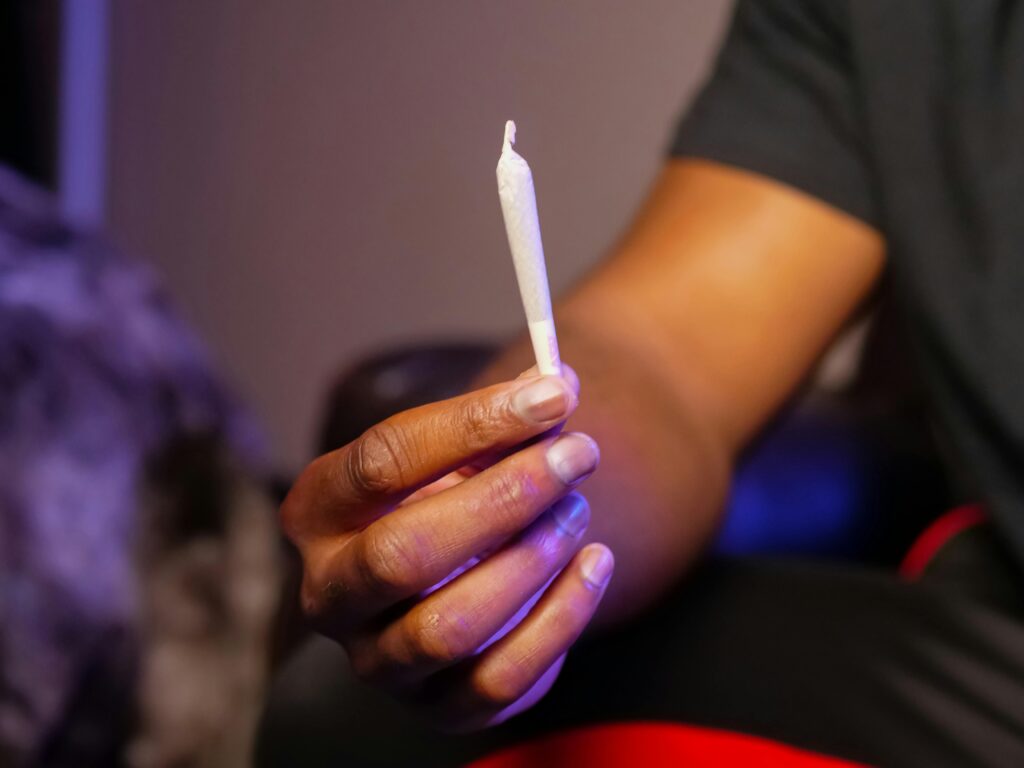
In the wake of marijuana legalization across many U.S. states, the conversation around cannabis has shifted dramatically. Once labeled a gateway drug and demonized in public service announcements, marijuana has gained newfound legitimacy. Medical cannabis is now legal in over 35 states, and recreational use is permitted in nearly half of them. Advocates point to its therapeutic benefits for conditions like chronic pain, anxiety, and epilepsy. However, this evolution in public perception has obscured the very real and scientifically documented negative effects marijuana can have on overall health and wellness. For individuals struggling with substance use or those using cannabis as a coping mechanism, these risks deserve serious attention. In this comprehensive exploration, we’ll dissect the lesser-discussed side of cannabis. From its impact on brain development and respiratory function to its association with mental health disorders and decreased motivation, marijuana’s downsides can be profound—especially with frequent, high-potency use. We’ll also discuss addiction potential, withdrawal symptoms, and how chronic use affects lifestyle habits, physical health, and long-term well-being. If you or someone you love uses marijuana regularly, this blog post will arm you with the insights needed to assess whether it’s supporting—or sabotaging—your health goals.
Marijuana and Brain Health: Short-Term Highs, Long-Term Risks
When you consume marijuana, the psychoactive component delta-9-tetrahydrocannabinol (THC) immediately begins interacting with your endocannabinoid system. This system plays a key role in regulating memory, attention, mood, and reward processing. While many people associate weed with temporary euphoria, relaxation, or altered perception, the effects on brain health are far from benign. THC binds to receptors in the brain’s hippocampus and prefrontal cortex—regions responsible for memory formation, problem-solving, and executive function. In the short term, this can lead to impaired learning, reduced concentration, and memory lapses. For example, a 2022 study published in JAMA Psychiatry found that even occasional cannabis use in adolescents significantly impaired short-term memory and verbal learning. Over time, chronic exposure can lead to structural changes in the brain. MRI studies have shown reduced gray matter volume in frequent users, particularly in areas associated with motivation and emotional regulation. And for those who begin using cannabis during adolescence—a critical period for brain development—these changes can be lasting. A well-known longitudinal study from New Zealand followed participants over several decades and found that persistent cannabis use from adolescence into adulthood was associated with a six-point drop in IQ by midlife. While some cognitive functions may rebound with abstinence, others—especially those affected during developmental years—may not fully recover.
Mental Health Consequences: Cannabis Is Not Always Calming
Many individuals turn to marijuana to manage stress, anxiety, or depression. Initially, cannabis may seem to offer temporary relief from negative emotions. But research increasingly shows that long-term or heavy use can actually exacerbate mental health issues. According to a 2021 meta-analysis in The Lancet Psychiatry, regular marijuana use was significantly associated with increased risk of developing anxiety disorders, especially in individuals who began using at a young age. The data around depression is equally concerning. While some short-term users report mood improvement, chronic use has been linked to depressive symptoms, emotional blunting, and anhedonia—the inability to feel pleasure. These effects may be driven by how THC disrupts dopamine signaling in the brain’s reward circuitry. The risk of psychosis is perhaps the most alarming mental health consequence tied to marijuana. A landmark study in The Lancet (2019) found that daily use of high-potency cannabis (over 15% THC) was associated with a three- to five-fold increase in the risk of developing psychotic disorders, including schizophrenia. These risks are amplified for individuals with a family history of psychosis or genetic vulnerabilities. Moreover, cannabis-induced psychosis is not just a theoretical concern—it’s one of the leading causes for psychiatric hospital admissions in several countries where marijuana has been legalized.
Cannabis Use Disorder: Yes, Marijuana Can Be Addictive
A common myth surrounding marijuana is that it isn’t addictive. This belief has been perpetuated by decades of cultural messaging, but modern science tells a different story. According to the National Institute on Drug Abuse (NIDA), approximately 1 in 10 marijuana users will develop Cannabis Use Disorder (CUD). That number rises to 1 in 6 for individuals who begin using before age 18. Cannabis Use Disorder is characterized by compulsive use despite negative consequences, unsuccessful attempts to cut back, and withdrawal symptoms upon cessation. These symptoms can include irritability, insomnia, anxiety, appetite changes, and intense cravings—often peaking within the first week of abstinence and lasting up to two weeks or longer. People with CUD often find themselves in a vicious cycle: using weed to relax or cope, then feeling worse when they’re not high, which prompts more use. Over time, the brain becomes dependent on external cannabinoids to regulate mood, motivation, and sleep, making natural emotional regulation increasingly difficult. CUD can also lead to a gradual erosion of personal goals, relationships, and routines, especially when marijuana use becomes the primary way a person manages stress or boredom.
Physical Health Risks: Not Just About the Brain
Although marijuana is often touted as a safer alternative to alcohol or tobacco, it can still take a serious toll on physical health—especially when smoked. Cannabis smoke contains many of the same irritants, toxins, and carcinogens as tobacco smoke. Regular smoking can lead to chronic bronchitis symptoms, including coughing, wheezing, and phlegm production. According to the American Lung Association, marijuana smoke may increase the risk of lung infections and reduce the lungs’ ability to clear out harmful microbes. Even vaping cannabis isn’t without risk. Outbreaks of EVALI (e-cigarette or vaping use-associated lung injury) in 2019 highlighted the dangers of unregulated THC vape products, many of which contained vitamin E acetate—a substance linked to severe lung damage. Cardiovascular health is another area of concern. THC increases heart rate and can elevate blood pressure, placing stress on the heart. A 2023 review in the Journal of the American Heart Association warned that marijuana use may increase the risk of arrhythmias, heart attacks, and strokes, particularly in older adults or those with pre-existing heart conditions. There are also concerns around reproductive health. Studies suggest that chronic cannabis use may lower sperm count, reduce testosterone levels in men, and disrupt ovulation and menstrual cycles in women. While these effects may be reversible with cessation, they pose significant challenges for couples trying to conceive.
Sleep Disruption: Not the Natural Remedy Many Assume
Many people use marijuana to help them fall asleep, citing its relaxing and sedative properties. In the short term, cannabis—particularly indica strains—can help users fall asleep more quickly. But the long-term impact on sleep quality is more complicated. THC has been shown to reduce rapid eye movement (REM) sleep—the stage associated with dreaming and memory consolidation. Over time, users may develop tolerance, requiring higher doses to achieve the same effect. They may also experience sleep fragmentation and decreased overall sleep quality. When individuals stop using cannabis, a common withdrawal symptom is “REM rebound,” characterized by vivid dreams and nightmares. This can make quitting feel even more difficult for those who rely on marijuana as a sleep aid. Moreover, long-term users may develop dependency on cannabis to initiate sleep, which can interfere with natural circadian rhythms and perpetuate insomnia once they try to stop.
Motivation and Lifestyle: The “Amotivational Syndrome” Debate
The stereotype of the lazy, unambitious stoner has long been part of pop culture. While this portrayal is exaggerated, there is a growing body of research suggesting that heavy marijuana use can dampen motivation, ambition, and reward sensitivity. A 2020 study in Psychology of Addictive Behaviors found that chronic cannabis users scored significantly lower on measures of goal-setting, time management, and task persistence compared to non-users. The brain’s dopamine system—which plays a key role in motivation and reward processing—is negatively impacted by long-term THC exposure. This may help explain why frequent users often report feeling “stuck” or “apathetic,” even when they recognize that their behavior is holding them back. The effects are particularly troubling for young adults, who are in a critical period of career development, identity formation, and goal pursuit. Instead of making progress in school or work, some heavy users may find themselves trapped in a cycle of procrastination, missed opportunities, and lost momentum.
Cannabis and Academic or Professional Performance
The cognitive effects of marijuana—especially impaired memory, attention, and processing speed—can significantly hinder academic and professional performance. Students who use marijuana regularly tend to have lower GPAs, higher dropout rates, and reduced educational attainment. In a longitudinal study published in Addiction (2018), persistent cannabis users were less likely to complete college and more likely to experience unemployment or underemployment in adulthood. In the workplace, marijuana can compromise productivity, decision-making, and workplace safety—particularly in jobs requiring alertness or operating machinery. Employers in safety-sensitive industries often prohibit cannabis use for this reason, even in states where it’s legal. Moreover, chronic users may find it harder to adhere to deadlines, maintain professional relationships, or meet performance expectations. Over time, these challenges can lead to job loss, financial instability, and decreased self-esteem.
Social and Relational Consequences of Chronic Use
While marijuana can enhance social bonding in some settings, chronic use often leads to isolation. As tolerance builds and use becomes more frequent, individuals may begin prioritizing cannabis over social events, hobbies, or responsibilities. This shift can erode personal relationships, especially when partners, friends, or family members express concern about the frequency or impact of use. Cannabis-related conflict is common in couples where only one partner uses regularly. Issues around trust, communication, and shared responsibilities often emerge. In family dynamics, chronic use can strain parent-child relationships, especially when young children perceive their caregiver as distracted, emotionally unavailable, or dependent on a substance. For adolescents, marijuana use is also linked to increased risk-taking, peer pressure, and academic decline—all of which can affect long-term life outcomes and family dynamics.
Gateway Effect: Myth or Measurable Risk?
The idea that marijuana is a “gateway drug” has been hotly debated. While not everyone who uses cannabis goes on to use harder substances, research does show that marijuana use is correlated with increased likelihood of experimenting with drugs like cocaine, opioids, and hallucinogens. According to a 2021 study in Drug and Alcohol Dependence, adolescents who use marijuana are more than twice as likely to misuse prescription opioids in young adulthood. One possible explanation is that cannabis normalizes drug use and alters brain chemistry in ways that heighten the appeal of other substances. The social environments in which marijuana is used can also expose individuals to other drugs. While the gateway hypothesis shouldn’t be overstated, it remains a valid concern—especially for individuals with genetic predispositions to addiction or who start using marijuana at an early age.
Legal Doesn’t Mean Harmless: A Public Health Warning
The legalization of cannabis has led to increased potency and availability, but also a dangerous sense of complacency. Today’s marijuana is not the same product people were using in the 1970s or even the early 2000s. THC levels in modern strains can exceed 25%, compared to 3–5% in older varieties. This increase in potency amplifies the risk of adverse effects—especially psychosis, addiction, and withdrawal symptoms. Moreover, the commercialization of marijuana has led to aggressive marketing, flavored products, and deceptive messaging, much like what we’ve seen in the tobacco and alcohol industries. Consumers are often unaware of how much THC they’re ingesting, particularly with edibles and concentrates. Without proper education and regulation, many people underestimate the risks and overestimate the benefits of cannabis use—particularly for medical conditions where evidence is still emerging.
Actionable Takeaways
-
Start conversations about cannabis risks early, especially with teens and young adults.- Monitor use frequency and potency—daily or high-THC use carries greater risks.- Be aware of signs of dependency, including tolerance, cravings, and withdrawal.- Prioritize brain health—avoid using marijuana during adolescence or while pregnant.- Choose non-combustible methods like edibles or tinctures if you use, but remain cautious about dosage and source.- Consider professional help if cannabis use is interfering with your goals, relationships, or mental health.- Stay informed—legal doesn’t mean risk-free. Treat cannabis like any other drug: with respect, moderation, and awareness.
Conclusion
The narrative around marijuana is rapidly evolving, but it’s critical to separate cultural myths from scientific facts. While cannabis may offer short-term relief or recreational enjoyment, the long-term effects on health and wellness are significant and often underestimated. From cognitive decline and addiction risk to mental health struggles and lifestyle impairment, marijuana can quietly undermine a person’s well-being. Understanding these consequences isn’t about demonizing cannabis—it’s about empowering people to make informed, healthy choices. If you or someone you know is struggling with cannabis use, support is available. Acknowledging the downsides is the first step toward reclaiming clarity, motivation, and vitality.
Renew Health: Your Partner in Marijuana Recovery Care
Phone: 575‑363‑HELP (4357)
Website: www.renewhealth.com