
When people talk about the physical signs of addiction, one phrase that often comes up is “drug user face.” This term, though informal, refers to the visible changes that occur in a person’s face and overall appearance due to long-term substance use. While it’s not a medical diagnosis, the concept highlights something deeply real: addiction affects every part of the body, including the skin, eyes, and expression. Understanding what the term “drug user face” means can help people recognize the warning signs of addiction, approach the topic with empathy, and begin the process of healing both inside and out.
What Does the Term “Drug User Face” Mean
The phrase “drug user face” is commonly used to describe the physical changes that can appear after prolonged drug use. These changes vary depending on the substance, the duration of use, and individual health factors. It’s often associated with symptoms like hollowed cheeks, dull or sunken eyes, skin lesions, and premature aging.
While this phrase is sometimes used judgmentally in popular culture, in a clinical and compassionate context, it represents the visible evidence of the toll addiction takes on the body. These changes aren’t a matter of vanity—they are signals from the body that something deeper is happening.
At Renew Health, we approach this topic not with stigma but with understanding. Physical transformation is part of the disease process, but recovery allows the body and mind to repair.
Why Drug Use Affects Facial Appearance
Drugs affect the body’s systems in complex ways, and those effects show up on the skin and face because the skin is one of the largest and most visible organs. Chronic substance use can cause dehydration, nutritional deficiencies, hormonal imbalances, and blood vessel constriction—all of which can lead to visible changes.
-
Dehydration: Many substances, including alcohol, stimulants, and opioids, cause dehydration. Lack of moisture leads to dry skin, fine lines, and dullness.
-
Nutrient depletion: Drugs interfere with appetite and nutrient absorption, depriving the skin of vitamins and minerals necessary for collagen production and elasticity.
-
Sleep deprivation: Substance use disrupts normal sleep cycles, leading to dark circles, puffiness, and premature aging.
-
Poor circulation: Drugs like cocaine and methamphetamine constrict blood vessels, reducing oxygen flow to the skin and causing a pale or uneven tone.
-
Hormonal disruption: Prolonged substance use alters hormones that affect skin repair, oil production, and hair growth.
Over time, these physiological changes create the outward signs associated with what people refer to as “drug user face.”
Common Facial Changes Associated with Substance Use
Each drug affects the body differently, and the changes in facial appearance depend on the substance. Below are some of the most common examples.
1. Methamphetamine
Methamphetamine has some of the most visible effects on appearance. Chronic use can lead to extreme weight loss, acne, open sores, and a gaunt look often referred to as “meth face.” This happens because meth dries out the skin, suppresses appetite, and causes users to pick or scratch due to a sensation known as “formication”—the feeling of bugs crawling under the skin.
2. Cocaine
Cocaine constricts blood vessels, leading to reduced blood flow and oxygen to the skin. Over time, this can cause a grayish complexion, broken capillaries, and accelerated aging. Users may also experience facial sweating, redness, or puffiness.
3. Opioids (Heroin, Fentanyl, Painkillers)
Opioids slow metabolism and can cause fluid retention, giving the face a puffy or bloated appearance. Long-term users often develop pale skin, dark circles, and an overall tired look due to poor sleep and hormonal imbalance.
4. Alcohol
Alcohol abuse contributes to facial redness, broken blood vessels (especially on the nose and cheeks), and dehydration. Chronic drinkers may develop a flushed, swollen appearance. Alcohol also promotes inflammation, leading to accelerated aging and worsening of conditions like rosacea.
5. Stimulants (Amphetamines, Ecstasy, Prescription ADHD Medications)
These substances increase metabolism and suppress appetite, leading to rapid weight loss. The resulting lack of nutrients and hydration makes the skin appear dull and thin. Grinding teeth or clenching the jaw, a common side effect, can change facial muscle tone and create a tense expression.
6. Cannabis
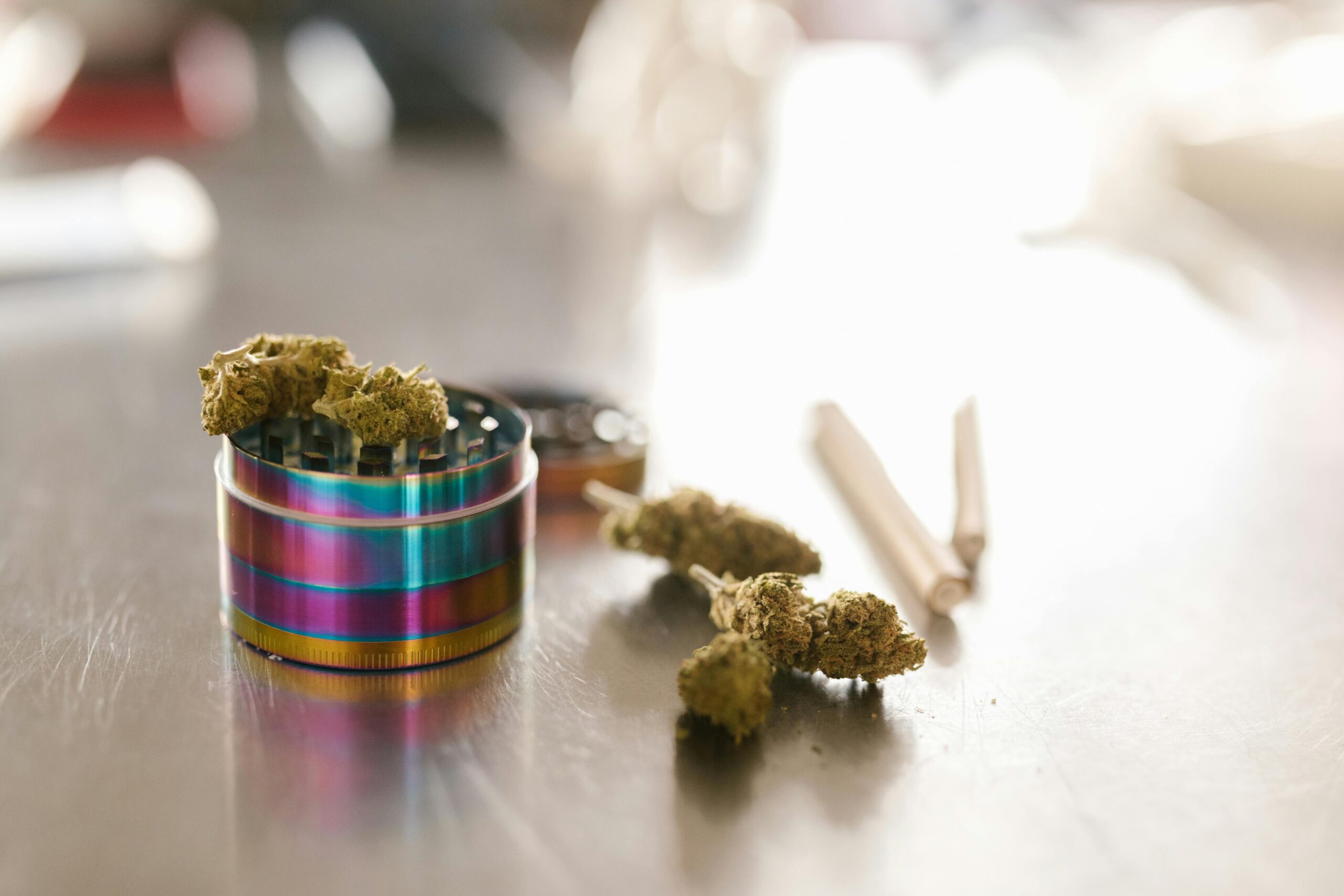
While cannabis is less damaging than most illicit drugs, excessive long-term use can still affect the skin and eyes. Users may experience persistent redness, dryness, or dark circles due to changes in sleep and hydration.
The Role of Stress and Lifestyle in Facial Aging
Addiction is not just a chemical problem—it’s also a lifestyle one. Irregular sleep, poor nutrition, and chronic stress all accelerate aging. Stress hormones like cortisol break down collagen, the protein that keeps skin firm and smooth. When combined with dehydration and nutrient loss, this creates a visible toll on the face.
Many patients describe feeling as though they “aged 10 years overnight” during active addiction. However, with recovery, proper nutrition, hydration, and rest, these changes can often reverse.
Reversing the Physical Signs of Addiction
The encouraging truth is that most of the physical effects associated with “drug user face” are reversible once substance use stops and the body begins to heal. The skin regenerates naturally, and with proper self-care, visible improvement can occur within weeks to months.
-
Hydration: Drinking plenty of water restores moisture and elasticity to the skin.
-
Nutrition: A balanced diet rich in vitamins A, C, and E supports collagen repair and reduces inflammation.
-
Sleep: Rest allows the body to regenerate and repair damaged tissue.
-
Exercise: Physical activity improves circulation and oxygenation, enhancing skin tone.
-
Professional treatment: Dermatological procedures like hydration therapy or medical-grade skincare can accelerate recovery.
-
Therapy and recovery: Treating the root cause—addiction—allows full physical and emotional healing.
At Renew Health, we believe true rejuvenation begins from within. As patients regain stability and sobriety, their physical health and appearance often transform as well.
How Addiction Affects Self-Perception and Confidence
Addiction doesn’t just alter physical appearance—it impacts how people feel about themselves. Many patients entering treatment express shame about their looks, which can feed into the cycle of substance use. Part of recovery involves rebuilding self-esteem and learning to care for the body again.
In therapy, patients explore the connection between self-image and addiction, learning healthier ways to cope with emotions and stress. As their bodies heal, confidence often returns naturally.
The Science of Healing: How the Body Recovers After Sobriety
Once drug use stops, the body immediately begins to repair. Within days, hydration levels improve, sleep stabilizes, and circulation increases. Within weeks, the skin begins to clear and color returns to the face. Over several months, deeper changes occur—collagen production increases, inflammation subsides, and hormones rebalance.
A 2023 study in The Journal of Addiction Medicine found that individuals who maintained three months of sobriety showed measurable improvements in skin hydration, tone, and elasticity compared to active users. After a year, many had regained youthful appearance and vitality.
Behavioral Health and Recovery Support
Because addiction affects both body and mind, recovery requires a comprehensive approach. At Renew Health, we integrate medical treatment, therapy, and lifestyle support to help patients rebuild their health. Our services include:
-
Medication-assisted treatment (MAT) for opioid or alcohol use disorder
-
Individual and group therapy
-
Behavioral health counseling for anxiety, depression, or trauma
-
Nutritional and fitness coaching
-
Telehealth services for ongoing support
We treat physical and emotional healing as equally important. When the brain and body recover together, transformation happens faster and more sustainably.
The Emotional Side of Recovery
As patients begin to look healthier, they often describe feeling lighter—not just physically, but emotionally. The return of color to their skin and brightness to their eyes becomes symbolic of inner healing. Family members and friends frequently notice these changes first, reinforcing hope and motivation to continue recovery.
However, it’s important to recognize that recovery is not about appearance—it’s about health, self-respect, and life renewal. The physical transformation is simply a visible reminder of progress made within.
Breaking Stigma Around Appearance and Addiction
The term “drug user face” has been used harshly in the past, but stigma does more harm than good. Addiction is a medical condition, not a moral failure. Judging someone based on their appearance can prevent them from seeking help. Renew Health’s mission is to replace stigma with compassion and understanding.
By educating communities about the physical and psychological effects of substance use, we help break down barriers to treatment. When people feel seen without judgment, they are more likely to reach out for help.
Rebuilding Health Through Nutrition and Self-Care
Recovery from addiction includes rebuilding the body from the inside out. Nutrition and self-care play crucial roles in reversing damage and restoring vitality. Foods rich in antioxidants, such as berries, leafy greens, and citrus, combat inflammation. Omega-3 fatty acids found in fish and nuts promote skin health and brain function.
Regular skincare routines—cleansing, moisturizing, and protecting the skin from sun damage—also help restore texture and brightness. These small acts of self-care reinforce a sense of control and pride in one’s recovery journey.
Real-Life Stories of Transformation
Consider Jake, who entered Renew Health’s recovery program after years of methamphetamine use. When he started, his skin was dry and his face looked much older than his age. Within six months of sobriety, hydration, and proper nutrition, his skin regained color and elasticity. More importantly, his confidence returned.
Or think of Maria, who struggled with alcohol addiction for over a decade. After achieving one year of sobriety through Renew Health’s integrated care program, she not only restored her health but felt proud of her reflection again. “I look like myself,” she said, “but I also feel like myself again.”
These stories illustrate that healing goes far beyond physical restoration—it’s about reclaiming identity, health, and hope.
Actionable Steps Toward Healing from the Inside Out
-
Seek professional help for substance use disorder. Recovery begins with medical and emotional support.
-
Focus on hydration and nutrition to restore your body’s balance.
-
Establish healthy sleep routines.
-
Incorporate daily physical activity, even gentle exercise.
-
Practice stress-reduction techniques such as mindfulness or meditation.
-
Join support groups or therapy to maintain motivation and connection.
-
Be patient. Healing is gradual, but every small step counts.
Conclusion: Your Face Tells a Story of Resilience and Renewal
The term “drug user face” may sound harsh, but it reflects something profound—the visible consequences of addiction and, more importantly, the visible signs of recovery. The same body that once showed pain can also reveal healing. With time, nutrition, therapy, and care, the body regenerates, the eyes brighten, and life returns to the face.
At Renew Health, we believe no one is defined by their past or their appearance. Recovery restores not just health but dignity and identity. If you or someone you love is struggling with addiction, know that healing is possible, both inside and out. Every day in recovery is a step toward renewed strength, vitality, and self-worth.
Renew Health: Your Partner in Addiction Recovery and Whole-Person Healing
Phone: 575-363-HELP (4357)
Website: www.renewhealth.com