Substance use often leaves behind physical signs that provide important clues about what someone may be using and how. One such clue is the appearance of a glass pipe, often called a meth bulb. This small, round glass device has become widely recognized as a tool for smoking methamphetamine, one of the most addictive and damaging stimulants known. While the object itself may seem simple, what it represents is complex—dependence, health risk, and an urgent need for help. Understanding what a meth bulb is, why it’s used, and how it affects health is essential for anyone concerned about substance use, whether personally or for a loved one.
What Is a Meth Bulb
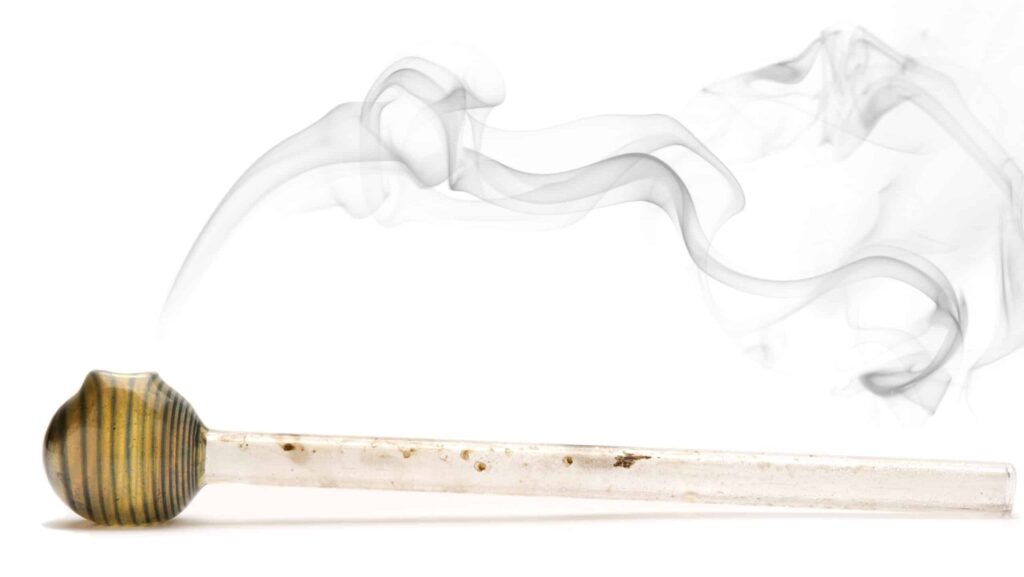
A meth bulb, sometimes referred to as a glass pipe or “meth pipe,” is a small piece of paraphernalia used to smoke crystal methamphetamine. It usually consists of a narrow glass stem with a round bulb at one end. The bulb has a small hole on top where meth crystals are placed. When the bulb is heated with a lighter, the methamphetamine vaporizes, allowing the user to inhale the fumes through the stem.
Because methamphetamine is a stimulant that delivers an intense rush of energy and euphoria, users often seek rapid effects, and smoking provides that. Inhaling vaporized meth delivers the drug quickly into the bloodstream through the lungs, producing a high within seconds. Unfortunately, this method also increases addiction potential and accelerates damage to the body and brain.
Why People Use a Meth Bulb
People who use meth bulbs often do so because smoking provides a fast, powerful effect. Methamphetamine triggers the release of large amounts of dopamine, a neurotransmitter associated with pleasure and motivation. This sudden flood of dopamine creates an intense feeling of euphoria, confidence, and energy—but the crash that follows is severe.
The high from smoked meth lasts anywhere from 4 to 12 hours, depending on purity and tolerance. As the effects wear off, users experience exhaustion, depression, and cravings, often leading to repeated use. This cycle quickly leads to physical dependence and psychological addiction.
Recognizing a Meth Bulb and Signs of Use
Identifying a meth bulb can help families and caregivers recognize potential substance use early. Common characteristics include:
-
A small, round glass sphere attached to a tube-like stem.
-
Blackened or burned areas on the bulb from repeated heating.
-
White or brown residue inside from leftover meth crystals.
-
A lighter, torch, or candle often used alongside it.
People who use meth bulbs may also show physical and behavioral signs such as:
-
Insomnia or staying awake for days at a time.
-
Rapid weight loss.
-
Dilated pupils and dry mouth.
-
Intense mood swings or irritability.
-
Picking at the skin, leading to sores or scabs.
-
Paranoia or hallucinations.
-
Unusual energy followed by extreme fatigue.
If you’ve found a meth bulb or observed these symptoms, it’s important to approach the situation with care and compassion. Addiction is not a moral failure—it’s a medical condition that requires understanding and treatment.
How Methamphetamine Affects the Body and Brain
Methamphetamine is one of the most powerful stimulants available. It increases heart rate, blood pressure, and body temperature while reducing appetite and the need for sleep. Over time, meth use alters brain chemistry, depleting dopamine and damaging nerve cells. This leads to emotional instability, memory problems, and difficulty experiencing pleasure naturally.
Long-term meth use can cause:
-
Severe dental decay, known as “meth mouth.”
-
Extreme weight loss and malnutrition.
-
Skin sores from scratching or poor hygiene.
-
Premature aging and hair loss.
-
Cognitive decline and mood disorders.
-
Heart problems and increased risk of stroke.
The brain changes caused by meth can persist long after use stops, making recovery challenging but not impossible.
The Connection Between a Meth Bulb and Addiction
The meth bulb is more than just a piece of glass—it represents the behavioral rituals of addiction. The act of heating the bulb, watching the crystals melt, and inhaling the vapor becomes deeply tied to the brain’s reward system. These sensory cues make quitting meth difficult because they trigger cravings even after long periods of sobriety.
Breaking this connection requires professional treatment that addresses both the physical dependency and the psychological habits built around it. Renew Health uses an evidence-based approach that helps patients identify and replace these triggers with healthy coping mechanisms.
Health Risks of Using a Meth Bulb
Beyond addiction itself, smoking meth carries serious health risks. The high heat from the glass can burn the lips, tongue, and throat. Repeated heating also releases toxic vapors that can irritate the lungs and respiratory tract. Sharing pipes increases the risk of spreading infectious diseases like hepatitis and tuberculosis.
Methamphetamine is highly corrosive, and its byproducts damage tissues throughout the body. Chronic users often develop persistent coughs, chest pain, and respiratory infections. Over time, cardiovascular complications, malnutrition, and weakened immunity become life-threatening.
Meth Use and Mental Health
Meth doesn’t just harm the body—it takes a profound toll on mental health. Chronic users often experience anxiety, paranoia, and psychosis. The drug’s stimulant effects can trigger hallucinations, delusions, and extreme agitation. These psychological symptoms may continue for weeks or months after quitting.
At Renew Health, we recognize that meth addiction and mental health are deeply intertwined. Our integrated behavioral health services treat both simultaneously, helping patients stabilize, manage symptoms, and rebuild confidence.
The Cycle of Craving and Crash
The high produced by a meth bulb is intense but short-lived. When it fades, the user experiences a sharp drop in dopamine levels, leading to exhaustion, irritability, and depression. This “crash” often drives the next use. Over time, tolerance builds, meaning users need more meth to achieve the same effect. This cycle quickly spirals into dependency, with physical and emotional consequences growing worse each time.
Why Quitting Meth Is So Hard
The brain adapts to meth use by reducing its natural dopamine production and sensitivity. Without the drug, people often feel flat, joyless, and unmotivated. These symptoms can last for months, a condition known as post-acute withdrawal syndrome (PAWS). Because meth affects memory, decision-making, and impulse control, relapse risk remains high during early recovery.
Professional treatment is essential for breaking this cycle. Renew Health’s clinicians use evidence-based therapies such as Cognitive Behavioral Therapy (CBT), contingency management, and medication support to help patients navigate withdrawal and develop new coping strategies.
What to Do If You Find a Meth Bulb
Discovering a meth bulb can be alarming, especially if it belongs to someone you care about. The best response is calm concern rather than confrontation. Here’s what to do:
-
Ensure safety first: Do not handle the pipe with bare hands; residue may be harmful.
-
Look for additional signs of use: Burn marks, small plastic bags, or unusual behavior may confirm meth use.
-
Approach with empathy: Express concern, not judgment. Addiction is complex and requires support, not shame.
-
Encourage treatment: Offer resources like Renew Health or local recovery centers.
-
Seek professional advice: If safety is a concern, contact a counselor or addiction specialist before intervening directly.
Treatment Options for Meth Addiction
There is no single path to recovery, but comprehensive care dramatically increases success rates. Effective treatment includes:
-
Medical detox: Supervised withdrawal management to ensure safety and comfort.
-
Therapy: Cognitive Behavioral Therapy (CBT), Motivational Interviewing (MI), and trauma-informed counseling help address root causes.
-
Behavioral health services: Support for co-occurring mental health conditions like depression or anxiety.
-
Support groups: Peer-based recovery groups build accountability and community.
-
Telehealth services: Convenient virtual therapy and follow-ups for continued care.
At Renew Health, we personalize every treatment plan to fit the individual’s unique situation, ensuring medical, psychological, and social needs are met.
The Role of Family and Support Systems
Family involvement often makes a major difference in recovery outcomes. Loved ones can help by learning about addiction, attending therapy sessions, and setting healthy boundaries. Renew Health provides family education programs that teach communication skills and self-care strategies to support both the patient and the family’s well-being.
Healing After Meth Use
Physical recovery from meth use begins quickly after quitting, though it takes time to restore balance. Within weeks, appetite and sleep improve. After a few months, skin health and weight stabilize, and mental clarity begins to return. While dopamine levels take longer to normalize, ongoing therapy and healthy lifestyle choices accelerate healing.
Nutrition, exercise, and adequate rest are vital parts of recovery. Renew Health’s holistic approach includes guidance on diet and wellness, helping patients rebuild strength and confidence from the inside out.
Real Stories of Renewal
Consider Trevor, who entered treatment at Renew Health after years of meth use. When he arrived, he still carried a meth bulb in his pocket. Within months of therapy, medical care, and support, he found freedom from addiction. His energy returned, his mind cleared, and his relationships began to heal.
Or think of Jamie, who started using meth to stay awake for work but became trapped in addiction. After entering our telehealth program, she received therapy, nutritional counseling, and peer support. Today, she celebrates two years of sobriety and shares her story to inspire others.
How to Help Someone Using Meth
-
Start with compassion: Approach the person calmly and express concern without blame.
-
Offer professional help: Suggest treatment programs or offer to make a call together.
-
Avoid enabling: Do not provide money or excuses for their behavior.
-
Educate yourself: Understanding meth addiction helps you respond effectively.
-
Take care of yourself: Supporting someone in addiction recovery requires boundaries and support for your own well-being.
The Importance of Early Intervention
Meth addiction worsens quickly, but early intervention can prevent severe health consequences. If you notice signs of use or find a meth bulb, don’t wait to seek help. The sooner treatment begins, the greater the chances for full recovery.
Conclusion: From a Meth Bulb to a Brighter Future
A meth bulb may look like a small piece of glass, but it represents one of the most destructive drugs in existence. Behind every bulb is a story of pain, dependence, and loss—but also the possibility of hope and transformation. Recovery is never out of reach. With medical care, counseling, and consistent support, people can heal from meth addiction and rebuild their lives.
At Renew Health, we believe every person deserves a second chance. Whether you are struggling personally or helping a loved one, our team offers compassionate, evidence-based care designed to restore health, stability, and self-worth. Healing begins the moment you decide to reach out.
Renew Health: Your Partner in Meth Addiction Treatment and Recovery
Phone: 575-363-HELP (4357)
Website: www.renewhealth.com