Alcohol is one of the most widely used substances in the world. For many people, it is seen as a normal part of social life, relaxation, or celebration. Prescription medications are also a common part of modern living, helping millions manage pain, anxiety, depression, sleep problems, and chronic conditions. On their own, alcohol and prescription drugs can be risky if not used carefully. When combined, the dangers increase dramatically. Unfortunately, many people underestimate or misunderstand these risks. Mixing alcohol with prescription drugs can cause serious health complications, including organ damage, accidents, and even fatal overdoses. Families and individuals need to understand how alcohol interacts with medications, why people take these risks, what warning signs to look for, and what treatment and prevention strategies can help.
Why Alcohol and Prescription Drugs Are a Dangerous Mix
Alcohol and prescription drugs often act on similar systems in the body. Many medications target the central nervous system, the liver, or the heart, and alcohol affects these same areas. When combined, their effects can intensify in unpredictable ways. For example, alcohol can slow the metabolism of certain drugs, increasing their concentration in the blood. This can turn a normal dose into a toxic one. Alcohol can also reduce the effectiveness of some medications, making health conditions harder to manage. Beyond the chemical interactions, alcohol can impair judgment, leading people to take more medication than prescribed or to use substances in ways they would not otherwise consider.
Common Types of Prescription Drugs That Interact with Alcohol
Several categories of prescription drugs are especially dangerous when mixed with alcohol. Benzodiazepines, such as Xanax, Valium, and Ativan, are used to treat anxiety and insomnia. They depress the central nervous system. When combined with alcohol, which also acts as a depressant, the risk of slowed breathing, sedation, and fatal overdose increases significantly. Opioid painkillers, including oxycodone, hydrocodone, and morphine, also depress breathing. Alcohol magnifies this effect, creating one of the most dangerous and deadly combinations. Sleep medications such as zolpidem, also known as Ambien, are extremely risky with alcohol. The combination can lead to blackouts, dangerous behaviors, and accidents. Antidepressants, particularly certain SSRIs and MAOIs, can cause extreme drowsiness, dizziness, and heart complications when combined with alcohol. Stimulants, including ADHD medications such as Adderall or Ritalin, may seem to counteract alcohol, but this is misleading. Alcohol still impairs coordination and judgment, while stimulants mask the feeling of intoxication, leading to higher consumption and increased risk of poisoning. Even antibiotics, blood pressure medications, and diabetes drugs can interact with alcohol, causing side effects such as nausea, vomiting, dangerously low blood sugar, or reduced effectiveness.
Why People Mix Alcohol with Prescription Drugs
There are several reasons why people end up mixing alcohol and prescription drugs. Sometimes it is unintentional. A person may not realize that their medication interacts with alcohol or may forget to ask their doctor. At other times, people mix alcohol and medications intentionally, seeking stronger effects. For example, some misuse benzodiazepines with alcohol to intensify relaxation, or stimulants with alcohol to drink longer without feeling as intoxicated. Some individuals use alcohol to cope with stress while also taking medications prescribed for anxiety or depression. Whatever the reason, the combination creates dangerous risks.
Short-Term Dangers of Mixing Alcohol and Prescription Drugs
The immediate effects of mixing alcohol and prescription drugs can be severe. Increased sedation and drowsiness can lead to accidents, falls, or dangerous behaviors such as driving under the influence. Blackouts and memory loss are common when alcohol is mixed with sedatives or sleep medications. Confusion, dizziness, and impaired coordination increase the risk of injury. Overdose is a constant risk, especially when alcohol is combined with opioids or benzodiazepines. Symptoms may include slowed or stopped breathing, loss of consciousness, and death without immediate medical intervention.
Long-Term Dangers
Long-term use of alcohol with prescription drugs damages organs and overall health. The liver is especially vulnerable, as it metabolizes both alcohol and many medications. Over time, the liver can become overwhelmed, leading to cirrhosis, liver failure, or cancer. The heart is also affected. Combining alcohol with certain medications increases the risk of high blood pressure, irregular heartbeat, or heart disease. The brain suffers from long-term interactions as well. Memory problems, cognitive decline, and emotional instability are common. Dependence and addiction can develop, both to alcohol and to prescription drugs, creating a cycle that is difficult to break without help.
The Role of Mental Health
Many people who mix alcohol and prescription drugs are struggling with mental health challenges. Anxiety, depression, trauma, and stress are common. Some people drink while taking medications prescribed for these very conditions, believing it helps, but alcohol often worsens symptoms. It can also interfere with the effectiveness of antidepressants and anti-anxiety medications. For those with co-occurring disorders, mixing substances creates even greater instability, increasing the risk of relapse, hospitalization, or suicide.
Warning Signs That Someone May Be Mixing Alcohol and Prescription Drugs
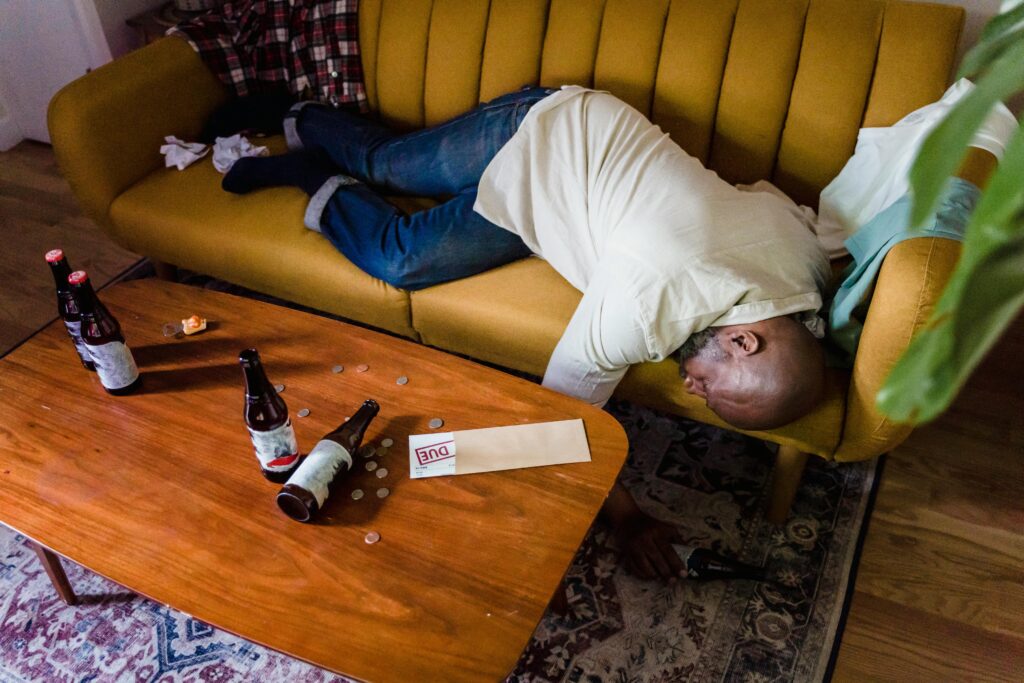
Families should be alert to changes that may indicate dangerous mixing. Signs include excessive drowsiness, frequent confusion, memory lapses, poor coordination, and unexplained injuries. Behavioral changes such as irritability, secrecy, or neglecting responsibilities may also be clues. Empty bottles of alcohol alongside prescription pill containers can be another warning sign. Loved ones may notice blackouts, slurred speech, or erratic behavior. If these signs are present, it is important to address the issue quickly and compassionately.
Treatment Options
Treatment for mixing alcohol and prescription drugs must address both substances and any underlying mental health conditions. Detox may be necessary, especially if dependence on alcohol, opioids, or benzodiazepines has developed. Because withdrawal from alcohol and benzodiazepines can be life-threatening, medical supervision is essential. Medication-assisted treatment may be recommended. Naltrexone, acamprosate, or disulfiram can support recovery from alcohol use disorder. Buprenorphine or methadone may be used for opioid use disorder. Therapy plays a central role. Cognitive Behavioral Therapy helps people identify triggers and build healthier coping skills. Trauma-informed therapy addresses root causes. Group therapy and peer support provide connection and accountability. Integrated care is critical when mental health disorders are also present. Long-term recovery involves aftercare such as ongoing therapy, support groups, and relapse prevention planning.
The Role of Families in Recovery
Families are central to helping loved ones recover. They can encourage treatment, provide emotional support, and set healthy boundaries. Family therapy helps repair relationships damaged by substance use. Families should also learn about the dangers of mixing alcohol and prescription drugs, so they can recognize risks early. Patience is vital, as recovery is a long process that involves setbacks as well as progress.
Prevention Strategies
Prevention begins with education. Patients should be informed by healthcare providers about the risks of mixing alcohol with their medications. Clear instructions on prescription labels help, but families and individuals must also take responsibility for asking questions and reading warnings. Safe prescribing practices, careful monitoring, and avoiding unnecessary prescriptions reduce risk. Families should talk openly about substance use, stress, and coping strategies. Schools and communities should provide education about the dangers of prescription drug misuse and alcohol.
Stories of Hope
Consider Emma, who was prescribed benzodiazepines for anxiety. She began drinking wine in the evenings to relax, not realizing the risk. After several blackouts and a hospitalization, she sought treatment. Through therapy and support, she stopped mixing substances, learned healthier ways to manage anxiety, and now shares her story to educate others. Or think of Michael, who combined prescription painkillers with alcohol after surgery. He developed dependence and nearly lost his job. With medication-assisted treatment and family support, he entered recovery and rebuilt his life. These stories show that while mixing alcohol and prescription drugs is dangerous, recovery is possible with the right help.
Frequently Asked Questions
Why is it dangerous to mix alcohol with prescription drugs? Alcohol and many medications act on the same systems, intensifying effects and increasing the risk of overdose, organ damage, and accidents. Which medications are most dangerous with alcohol? Benzodiazepines, opioids, sleep medications, antidepressants, and stimulants are particularly risky. Can occasional mixing cause harm? Yes. Even one instance of combining alcohol with certain medications can be life-threatening. What are the signs of overdose from mixing substances? Extreme drowsiness, slowed or stopped breathing, unresponsiveness, blue lips or fingertips, or seizures. Can naloxone reverse an overdose involving alcohol and opioids? Naloxone can reverse the opioid portion, but medical care is still needed immediately. What should I do if I suspect a loved one is mixing alcohol and prescription drugs? Approach with compassion, encourage medical help, and keep emergency resources like naloxone available if opioids are involved. Is treatment available for people dependent on both alcohol and prescription drugs? Yes. Integrated treatment with medical supervision, therapy, and support is effective. How can I prevent risks if I am prescribed medication? Ask your doctor about interactions, follow instructions carefully, and avoid alcohol unless your provider confirms it is safe. Is recovery possible after years of mixing alcohol and medications? Yes. With treatment, support, and persistence, many people recover and live healthy, fulfilling lives.
Actionable Takeaways
Mixing alcohol and prescription drugs is a hidden danger that can cause immediate and long-term harm. Many medications, including benzodiazepines, opioids, and antidepressants, become far more dangerous when combined with alcohol. Families should recognize warning signs and know that treatment is available. Prevention begins with education, communication, and safe prescribing practices. Recovery is possible with comprehensive care that addresses both substances and underlying mental health needs.
Conclusion
The dangers of mixing alcohol and prescription drugs are real, but too often overlooked. Because alcohol is so normalized and medications are seen as safe, people underestimate the risks of combining them. In truth, even occasional mixing can have deadly consequences. Families and communities must take this issue seriously, stay informed, and advocate for education and prevention. For those already struggling, treatment provides hope. With medical care, therapy, and family support, people can stop the dangerous cycle, recover, and build healthier lives.
Renew Health: Your Partner in Addiction Care
Phone: 575-363-HELP (4357)
Website: www.renewhealth.com