When someone decides to break free from opioid addiction, the first and most pressing question is often where are the places to get Suboxone near me. Suboxone is one of the most effective and widely used medications for treating opioid use disorder. It helps stabilize withdrawal, reduce cravings, and give patients the clarity and strength to rebuild their lives. But knowing where to find safe, reliable, and compassionate care is crucial—especially when you’re ready to start right away. This guide will explain what Suboxone is, how it works, where to get it, and what to expect when beginning treatment. You’ll also learn about telehealth options, local clinics, community resources, and how to find programs that fit your financial situation and personal needs.
Understanding Suboxone and Why It’s Used
Suboxone is a prescription medication approved by the FDA for the treatment of opioid use disorder (OUD). It combines two ingredients—buprenorphine and naloxone—that work together to control withdrawal symptoms and reduce cravings safely. Buprenorphine is a partial opioid agonist, meaning it activates opioid receptors in the brain just enough to prevent withdrawal without producing the euphoric high associated with opioids like heroin, fentanyl, or oxycodone. Naloxone is an opioid antagonist that blocks the effects of opioids if Suboxone is misused.
This combination makes Suboxone both safe and highly effective. It helps people regain stability, reduces the risk of overdose, and allows them to focus on therapy, work, and family life. Suboxone is a cornerstone of Medication-Assisted Treatment (MAT)—a comprehensive approach that includes medication, counseling, and behavioral therapy.
Why Finding Suboxone Quickly Matters
Opioid withdrawal can begin within hours of the last use and is physically and emotionally exhausting. Without medical help, many people relapse simply to stop the pain. That’s why finding places to get Suboxone near me as soon as possible is so important. Access to same-day or next-day treatment can mean the difference between relapse and recovery.
Modern Suboxone programs are designed to meet people where they are. Many clinics and telehealth providers now offer immediate appointments, same-day prescriptions, and ongoing support. The sooner you start, the sooner your body and mind can begin to heal.
Where to Get Suboxone Near You
Finding a provider who can prescribe Suboxone is easier than it used to be. Here are the most common and effective places to look:
-
Dedicated Suboxone Clinics:
These clinics specialize in treating opioid addiction using Medication-Assisted Treatment. They often provide same-day or next-day appointments and integrate therapy, counseling, and support groups. Many accept insurance, Medicaid, or self-pay options. -
Primary Care Doctors:
Many family physicians and internal medicine doctors are now authorized to prescribe Suboxone. If you already have a trusted doctor, ask whether they provide MAT or can refer you to someone who does. -
Community Health Centers (FQHCs):
Federally Qualified Health Centers offer affordable addiction treatment, including Suboxone. They often provide sliding-scale fees based on income, making care accessible for uninsured or low-income individuals. -
Telehealth Suboxone Providers:
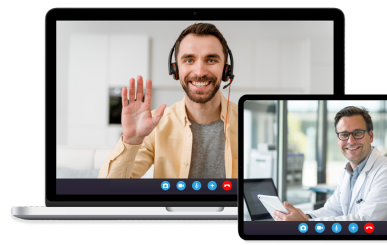
Virtual clinics allow you to meet with a licensed Suboxone doctor through a secure video appointment. The doctor can evaluate your condition, send an electronic prescription to your local pharmacy, and provide ongoing follow-up—all from home. Telehealth is especially helpful for rural areas or people without reliable transportation. -
Hospitals and Emergency Departments:
Some hospitals have addiction medicine specialists who can start Suboxone treatment right in the ER and connect you to an outpatient clinic for continued care. -
Addiction Treatment Centers and Rehab Facilities:
Inpatient and outpatient programs often include Suboxone as part of their comprehensive recovery plans, offering medication along with therapy, peer support, and relapse prevention strategies. -
Local Health Departments:
County and state health departments frequently fund or operate Suboxone programs for residents. These programs may offer free or low-cost care for uninsured patients.
How to Find Places to Get Suboxone Near Me
If you’re ready to start but don’t know where to look, here are the best ways to locate providers near you:
• SAMHSA Treatment Locator: The Substance Abuse and Mental Health Services Administration (SAMHSA) offers a national directory of certified buprenorphine (Suboxone) providers. You can search by zip code to find clinics and telehealth options nearby.
• Google Maps and Local Searches: Typing “Suboxone clinics near me” or “Suboxone doctors near me” often reveals local results with contact information, reviews, and appointment scheduling links.
• Telehealth Platforms: Many online MAT providers, such as Bicycle Health or Confidant Health, specialize in Suboxone treatment and operate nationwide.
• State Health Hotlines: Every state has an addiction recovery hotline that can connect you to licensed Suboxone providers in your area.
• Community Support Networks: Local recovery organizations, such as NA chapters or community coalitions, often maintain lists of trusted providers.
What to Expect During Your First Appointment
Starting Suboxone treatment involves an evaluation, a discussion about your goals, and a clear plan for induction—the process of beginning medication. Here’s what typically happens:
• Initial Assessment: Your provider will ask about your medical history, substance use, and current symptoms.
• Withdrawal Evaluation: Suboxone should be started when you’re in mild to moderate withdrawal to avoid precipitated withdrawal.
• First Dose: You’ll receive your first Suboxone dose in a controlled setting or through telehealth guidance. Relief usually begins within 30 to 60 minutes.
• Stabilization: Over the next few days, your doctor adjusts the dose to ensure you feel comfortable and balanced.
• Ongoing Care: You’ll continue follow-up visits, therapy, and recovery support as part of your long-term plan.
Why Suboxone Is So Effective
Suboxone doesn’t just suppress withdrawal—it restores brain balance, allowing individuals to think clearly, make healthy decisions, and engage fully in life. The medication helps:
• Reduce opioid cravings and prevent relapse.
• Block the euphoric effects of opioids, discouraging misuse.
• Improve focus and emotional stability.
• Allow normal functioning at work, home, and in relationships.
• Reduce the risk of overdose by maintaining a steady level of medication.
When combined with counseling and support, Suboxone has one of the highest success rates of any addiction treatment available.
How Much Does Suboxone Treatment Cost?
The cost of Suboxone varies depending on where you go and whether you have insurance. Here’s what you can expect:
• With Insurance: Most private insurance plans, as well as Medicaid and Medicare, cover Suboxone and associated medical visits.
• Without Insurance: Many clinics offer affordable self-pay rates, typically between $80 and $200 per visit. Generic buprenorphine-naloxone tablets cost less than branded Suboxone and are often under $100 per month.
• Low-Cost Options: Community health centers and nonprofit programs offer sliding-scale pricing or grant-funded care.
If you’re uninsured, ask about financial assistance programs or state-funded initiatives that can cover your treatment cost.
The Role of Counseling in Suboxone Treatment
Medication alone treats the physical side of addiction, but therapy and counseling address the emotional and behavioral aspects. Most Suboxone programs include:
• Individual Therapy: Helps identify triggers, manage stress, and rebuild confidence.
• Group Counseling: Provides peer support and shared accountability.
• Family Therapy: Reconnects and strengthens family relationships.
• Cognitive Behavioral Therapy (CBT): Teaches skills for changing thought patterns that lead to relapse.
• Peer Recovery Support: Connects you with others who’ve walked the same path and achieved long-term recovery.
Why Telehealth Has Changed the Game
Telehealth has made Suboxone treatment more accessible than ever before. With secure online appointments, patients can receive care privately and conveniently. Telehealth providers can prescribe Suboxone, adjust doses, and offer virtual therapy—all without requiring in-person visits.
This model has proven especially valuable in rural areas, where transportation and clinic availability are limited. Many patients find that telehealth gives them the consistency and privacy they need to stay engaged in treatment.
Common Myths About Suboxone and MAT
Despite its proven success, some misconceptions persist about Suboxone:
• Myth: It’s just replacing one addiction with another.
Fact: Suboxone stabilizes the brain without causing euphoria, allowing for normal, healthy functioning.
• Myth: You can’t recover while taking medication.
Fact: Medication-Assisted Treatment has some of the highest long-term recovery rates in addiction care.
• Myth: It’s hard to find Suboxone providers.
Fact: Thousands of certified doctors and clinics offer Suboxone treatment, both in person and online.
• Myth: It’s too expensive.
Fact: Insurance, Medicaid, and grant-funded programs make treatment affordable or even free.
How to Stay Successful in Treatment
To get the best results from Suboxone treatment:
• Take your medication exactly as prescribed.
• Attend all appointments and counseling sessions.
• Avoid mixing Suboxone with alcohol or sedatives.
• Build a strong support network of peers and loved ones.
• Focus on self-care through nutrition, exercise, and rest.
Recovery isn’t about perfection—it’s about progress. Every day you stay engaged in treatment brings you closer to lasting health and stability.
Actionable Takeaways
• The best places to get Suboxone near me include dedicated clinics, telehealth providers, primary care doctors, and community health centers.
• Suboxone combines buprenorphine and naloxone to treat opioid addiction safely and effectively.
• Many providers offer same-day or next-day appointments to start treatment immediately.
• Most insurance plans and Medicaid cover Suboxone treatment, and low-cost options are available for uninsured patients.
• Counseling, therapy, and community support are essential for long-term recovery success.
• Telehealth makes it easier than ever to access treatment privately and conveniently.
Conclusion
Finding places to get Suboxone near me is the first step toward reclaiming your life from opioid addiction. Whether through a local clinic, telehealth provider, or community health center, help is available today—compassionate, evidence-based, and focused on your long-term well-being. Suboxone provides stability, clarity, and freedom from cravings, allowing you to live life on your terms again. Don’t wait for the perfect moment to start recovery—the right time is now, and the right place is wherever you can take your first step toward healing.
Renew Health: Your Partner in Suboxone Treatment and Recovery
Phone: 575-363-HELP (4357)
Website: www.renewhealth.com