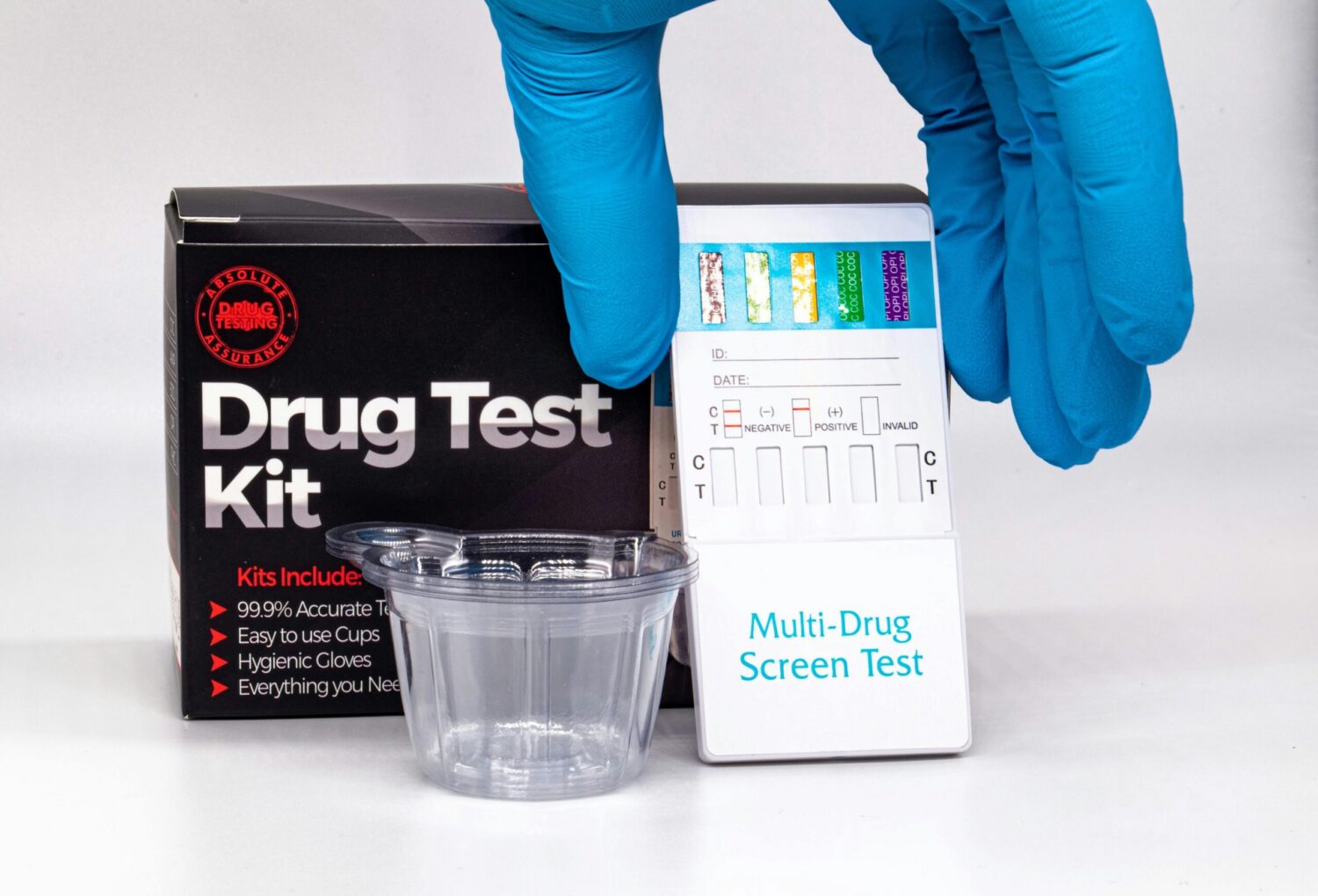
If you’ve ever read a medical chart, lab report, or hospital discharge summary and noticed the term “ETOH,” you might have wondered what it means. The phrase whats ETOH often comes up when people encounter this abbreviation for the first time in a healthcare setting. ETOH is the medical shorthand for ethyl alcohol, the chemical name for the type of alcohol found in beverages such as beer, wine, and liquor. It’s also the form of alcohol used in medical products, disinfectants, and industrial applications. While ETOH might sound clinical or harmless, its use in medical contexts often refers to alcohol consumption, intoxication, or alcohol-related health conditions. Understanding what ETOH means, how it’s used in healthcare, and its implications for physical and mental health can help patients interpret medical information accurately and recognize the risks of excessive alcohol use.
What Does ETOH Stand For?
ETOH is derived from the chemical formula for ethanol: C₂H₅OH. The “Et” represents the ethyl group (C₂H₅), and the “OH” represents the hydroxyl group, which defines alcohol molecules. When healthcare professionals use the abbreviation “ETOH,” they’re referring to ethanol—the intoxicating ingredient in alcoholic drinks.
Ethanol is a central nervous system depressant that slows brain activity, affects coordination, and alters mood and judgment. While moderate alcohol use can be socially accepted or even associated with certain health benefits, excessive or chronic consumption leads to serious medical and psychological consequences.
Common Medical Uses of the Term ETOH
In healthcare settings, “ETOH” is used frequently in medical documentation, test results, and communication between providers. Some common examples include:
• ETOH intoxication: Refers to acute alcohol intoxication, commonly known as being drunk.
• ETOH abuse: Indicates a pattern of excessive drinking leading to physical or social harm.
• ETOH withdrawal: Refers to the symptoms that occur when someone who is dependent on alcohol stops drinking suddenly.
• ETOH positive: A laboratory result showing the presence of alcohol in the blood or urine.
• ETOH dependence: Another term for alcohol use disorder (AUD), describing a medical condition involving addiction to alcohol.
Medical professionals use this abbreviation for clarity and brevity when documenting patient conditions, especially in emergency or hospital settings.
The Chemical Nature of ETOH
Ethanol, or ETOH, is a volatile, flammable liquid produced through the fermentation of sugars by yeast. It acts as both a psychoactive drug and a depressant. When consumed, ETOH is rapidly absorbed into the bloodstream through the stomach and small intestine. It then travels to the brain, where it affects neurotransmitters like GABA and dopamine. These chemical changes lead to feelings of relaxation, reduced inhibition, and euphoria.
However, as blood alcohol concentration (BAC) rises, ethanol begins to impair motor skills, speech, and decision-making. High levels can suppress respiratory and heart function, leading to alcohol poisoning or death in extreme cases.
How ETOH Appears in Lab Tests
When doctors order a blood test to measure alcohol levels, results are often labeled as “ETOH.” This test measures Blood Alcohol Concentration (BAC), which reflects how much ethanol is in the bloodstream. Typical readings are expressed in milligrams per deciliter (mg/dL) or as a percentage.
• A BAC of 0.02%–0.03% can cause mild relaxation and mood changes.
• A BAC of 0.08%—the legal limit for driving in most states—causes significant impairment.
• A BAC above 0.30% may cause unconsciousness or respiratory failure.
ETOH levels are used to evaluate intoxication, confirm alcohol-related impairment in accidents or arrests, and monitor recovery in clinical settings.
ETOH in Medical Records and Diagnoses
If you see “ETOH” in your medical records, it may refer to alcohol use, intoxication, or complications related to alcohol. For example:
• “ETOH use disorder” means the patient meets criteria for alcohol addiction.
• “ETOH withdrawal” indicates treatment for symptoms after stopping alcohol use.
• “ETOH abuse” suggests harmful drinking patterns without full dependence.
Doctors include this information to track a patient’s alcohol use and its potential effects on diagnosis and treatment. For instance, alcohol can interfere with medications, complicate surgery, and increase risks for certain diseases.
Health Effects of ETOH Consumption
While occasional alcohol consumption may not cause harm for most adults, regular or heavy drinking can lead to serious short- and long-term health issues. Common health effects include:
• Liver damage: Chronic alcohol use is the leading cause of fatty liver disease, hepatitis, and cirrhosis.
• Heart problems: Excessive ETOH consumption raises blood pressure, weakens the heart muscle, and increases the risk of stroke.
• Brain and nerve damage: Long-term drinking alters brain chemistry, leading to memory problems, neuropathy, and cognitive decline.
• Cancer risk: Alcohol use is linked to several cancers, including liver, breast, throat, and esophageal cancer.
• Mental health disorders: ETOH abuse is strongly associated with depression, anxiety, and increased suicide risk.
• Digestive issues: Alcohol irritates the stomach lining and disrupts nutrient absorption.
Even moderate drinkers may experience sleep disturbances, dehydration, and increased anxiety from regular consumption.
ETOH Intoxication and Its Dangers
ETOH intoxication, or alcohol poisoning, occurs when blood alcohol levels rise to dangerous levels. Symptoms include:
• Confusion or stupor.
• Vomiting and risk of choking.
• Slow or irregular breathing.
• Hypothermia and pale skin.
• Unconsciousness or unresponsiveness.
Severe ETOH intoxication is a medical emergency. Immediate care is necessary to prevent brain damage or death.
ETOH Dependence and Addiction
ETOH dependence, also called Alcohol Use Disorder (AUD), is a chronic medical condition characterized by compulsive drinking, tolerance, and withdrawal symptoms. Signs of ETOH addiction include:
• Drinking more or longer than intended.
• Inability to cut down or stop.
• Spending significant time obtaining or recovering from alcohol use.
• Cravings and urges to drink.
• Neglecting responsibilities or relationships due to drinking.
Addiction changes the brain’s reward system, making it difficult to stop without medical intervention. Treatment for ETOH dependence often includes Medication-Assisted Treatment (MAT), therapy, and support groups.
ETOH Withdrawal and Treatment
When someone who is dependent on alcohol stops drinking suddenly, they may experience ETOH withdrawal, a potentially dangerous condition. Symptoms can begin within hours and range from mild to life-threatening. Common withdrawal symptoms include:
• Tremors or shaking.
• Sweating and rapid heartbeat.
• Anxiety and irritability.
• Nausea and vomiting.
• Hallucinations or seizures (in severe cases).
Medical detox is often necessary to manage withdrawal safely. Treatment may include medications such as benzodiazepines, IV fluids, and monitoring by healthcare professionals. After detox, ongoing care through therapy and support programs helps maintain sobriety.
How ETOH Affects the Body Over Time
The effects of alcohol accumulate with prolonged use. Long-term heavy drinkers often experience:
• Weakened immune function.
• Hormonal imbalances.
• Malnutrition.
• Decreased bone density.
• Permanent organ damage.
Chronic ETOH use can also affect medication metabolism, reducing effectiveness or increasing toxicity. For this reason, doctors routinely ask about alcohol consumption when prescribing treatment.
ETOH in Non-Drinking Contexts
ETOH isn’t always discussed in the context of drinking. It’s also used in medicine and industry as:
• A disinfectant in hand sanitizers and antiseptics.
• A solvent for pharmaceuticals and laboratory procedures.
• A fuel additive (ethanol-based biofuels).
However, when listed in medical records or discussed by healthcare providers, ETOH almost always refers to ethanol related to drinking behavior or intoxication.
Getting Help for ETOH Abuse or Dependence
If you or someone you know struggles with alcohol use, professional help is available and effective. Treatment may include:
• Medical detoxification to manage withdrawal safely.
• Medication-Assisted Treatment using drugs like naltrexone or acamprosate.
• Cognitive Behavioral Therapy (CBT) to address thought patterns that lead to drinking.
• Support groups such as Alcoholics Anonymous (AA) or SMART Recovery.
• Outpatient or residential rehab programs for structured recovery.
Recovery from alcohol dependence is possible, and seeking help early prevents long-term damage and improves quality of life.
Actionable Takeaways
• The answer to whats ETOH is that it’s the medical abbreviation for ethyl alcohol, the intoxicating substance in alcoholic beverages.
• ETOH appears in medical charts to describe alcohol use, intoxication, or dependence.
• Excessive ETOH consumption can lead to liver disease, heart problems, mental health disorders, and addiction.
• ETOH intoxication and withdrawal can be life-threatening and require medical care.
• Professional treatment, therapy, and support can help individuals achieve lasting recovery.
Conclusion
So, whats ETOH? It’s the scientific and medical shorthand for ethyl alcohol—the same alcohol people drink in beer, wine, and liquor. In medicine, the term appears frequently to describe alcohol use, intoxication, or addiction. While ETOH is deeply ingrained in social culture, its misuse can have devastating effects on the body and mind. Recognizing what ETOH means and understanding its health implications can empower people to make informed choices about drinking. For those already struggling with alcohol use, help is available through compassionate, evidence-based care. No one has to face addiction alone, and recovery begins the moment you decide to reach out for help.
Renew Health: Your Partner in Alcohol Recovery and Behavioral Health Care
Phone: 575-363-HELP (4357)
Website: www.renewhealth.com