
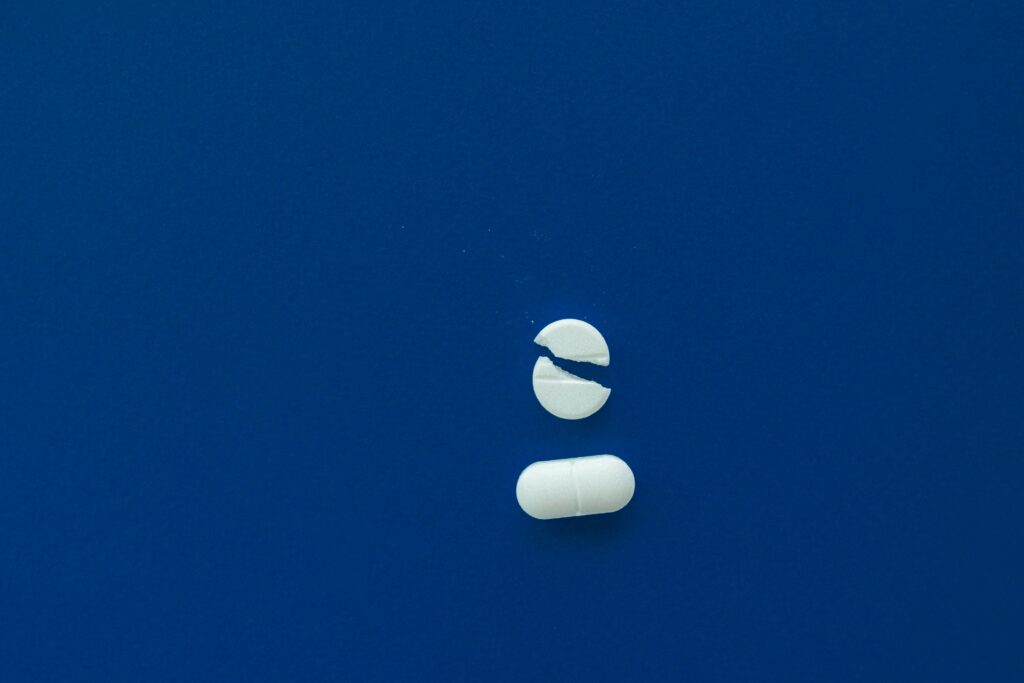
Every day, people find stray pills at home, in a loved one’s belongings, or even in their own medicine cabinet and wonder what they are. One of the most frequently searched imprints in the United States is “M365.” Understanding what that code means and how to identify medications correctly can make a major difference in preventing misuse, overdose, or confusion between legitimate prescriptions and counterfeit drugs. Whether you are a healthcare professional, a concerned parent, or someone managing recovery, learning about pill identification M365 can help you make informed, safe decisions.
What Is Pill Identification and Why It’s Important
Pill identification is the process of using the markings, shape, color, and size of a tablet to determine what medication it contains. In the U.S., the Food and Drug Administration (FDA) requires all prescription and over-the-counter pills to be imprinted with unique identifiers that distinguish them from one another. These imprints typically include a combination of letters, numbers, and sometimes logos. They allow pharmacists, healthcare providers, and consumers to verify a pill’s identity even if it’s removed from its packaging.
Accurate identification matters because medications can look similar, and counterfeit pills are increasingly common. Misidentifying or misusing medication can lead to dangerous side effects or overdose. In the context of addiction recovery, it can also trigger relapse or medical emergencies.
What Does Pill Identification M365 Mean
When you see the imprint “M365” on a pill, it refers to a specific prescription medication: Acetaminophen and Hydrocodone Bitartrate 325 mg / 5 mg. This combination drug is a generic version of Vicodin, Lorcet, or Norco, commonly prescribed for moderate to severe pain. The pill is white, capsule-shaped (oblong), and imprinted with “M365” on one side, plain on the other. It is manufactured by Mallinckrodt Pharmaceuticals.
Hydrocodone is a semi-synthetic opioid that works by binding to opioid receptors in the brain and spinal cord, reducing pain perception. Acetaminophen (the active ingredient in Tylenol) enhances pain relief and reduces fever. Together, these components make M365 effective for short-term pain management following injury or surgery. However, because hydrocodone is an opioid, it carries a high risk for addiction, tolerance, and dependence if used improperly.
How Opioid Combination Medications Work
Opioid combination medications like M365 are designed to maximize pain relief while minimizing the amount of opioid required. Hydrocodone provides the analgesic effect, while acetaminophen boosts its efficacy through a different mechanism, acting on both the central nervous system and inflammatory pathways.
However, combining these drugs also increases potential risks. Taking too much acetaminophen can cause severe liver damage, while excessive hydrocodone use can slow breathing and lead to overdose. Because of these dangers, the FDA classifies hydrocodone combination products as Schedule II controlled substances, meaning they have accepted medical use but a high potential for abuse and psychological or physical dependence.
Common Uses for M365 and Its Medical Purpose
M365 is typically prescribed for acute pain conditions, such as post-surgical discomfort, injury, or dental procedures. It may also be used for chronic pain when non-opioid options are ineffective. However, long-term use is discouraged unless absolutely necessary. Patients prescribed M365 should follow medical directions exactly, avoid combining it with alcohol or sedatives, and never share it with others.
Doctors often prescribe this medication as part of a short-term treatment plan, gradually tapering dosage to prevent dependence. Renew Health clinicians emphasize that any medication containing hydrocodone should be used only under close supervision, particularly for patients with a history of substance use disorder.
The Dangers of Misusing M365
While hydrocodone combination pills like M365 provide powerful pain relief, they also pose serious risks when misused. Taking more than prescribed can cause euphoria or sedation, leading to rapid tolerance and dependency. Once tolerance develops, users may increase dosage to chase the same effect, putting themselves at risk for overdose.
Signs of misuse or addiction include:
-
Taking higher doses or using the medication longer than prescribed
-
Crushing or snorting pills to enhance effects
-
Experiencing withdrawal symptoms when not taking the drug
-
Using the medication for reasons other than pain relief (such as to relax or escape stress)
According to the Centers for Disease Control and Prevention (CDC), more than 10 million Americans misused prescription opioids in 2023. Hydrocodone products like M365 remain among the most commonly diverted and misused medications in the country.
Identifying Counterfeit Pills
In recent years, counterfeit pills that mimic legitimate prescription opioids have become increasingly prevalent. These fake tablets often appear identical to authentic M365 pills but may contain dangerous substances such as fentanyl, a synthetic opioid up to 50 times stronger than heroin.
Counterfeit pills are typically manufactured illegally and sold online or on the street. Even one counterfeit pill can be lethal. Distinguishing fake from real pills by appearance alone is nearly impossible. The only safe way to verify authenticity is through a pharmacy or laboratory testing.
If you or someone you know has obtained M365 pills from an unverified source, do not take them. Contact local law enforcement or a pharmacist, and dispose of them safely through a medication take-back program. Renew Health strongly advises against purchasing or consuming any medication that does not come directly from a licensed pharmacy.
What to Do If You Find an Unknown Pill
If you discover a pill with an imprint like M365 and are unsure of its source or purpose, use the following steps:
-
Use a verified pill identifier tool: The FDA and the National Library of Medicine offer free online databases where you can search by imprint, color, and shape.
-
Consult a pharmacist: Pharmacists are trained to identify medications quickly and can confirm if a pill is legitimate.
-
Avoid handling unknown pills: Some counterfeit drugs may contain potent synthetic opioids that can cause harm through skin contact or accidental inhalation.
-
Dispose of safely: If you suspect a pill is unsafe, do not flush it. Use a designated medication disposal site or ask your local pharmacy about drop-off options.
Recognizing the Signs of Hydrocodone Addiction
Because M365 contains hydrocodone, it carries the same risk for addiction as other opioids. Recognizing early warning signs can help prevent serious consequences. Symptoms of opioid addiction include:
-
Cravings or preoccupation with the drug
-
Taking medication outside of prescribed instructions
-
Secretive behavior or doctor shopping
-
Physical dependence, including withdrawal symptoms like sweating, nausea, muscle pain, or insomnia
-
Loss of interest in daily activities or relationships
If you recognize these signs in yourself or a loved one, reach out for professional help immediately. Renew Health provides confidential assessments, medication-assisted treatment, and counseling to help individuals regain control and rebuild their lives.
Treatment Options for Opioid Dependence
Recovery from hydrocodone or opioid dependence is entirely possible with the right treatment plan. At Renew Health, we use a combination of evidence-based medical care and holistic therapy to address both the physical and emotional aspects of addiction.
Medication-assisted treatment (MAT) is a cornerstone of our approach. Medications such as buprenorphine, Suboxone, or methadone can help stabilize the brain, reduce cravings, and prevent relapse. For patients who developed dependency after legitimate prescriptions like M365, MAT provides a medically safe bridge to recovery without the pain of withdrawal.
Therapy and Counseling: Psychological support is equally important. Cognitive Behavioral Therapy (CBT), Motivational Interviewing (MI), and trauma-informed therapy help patients identify triggers, change thought patterns, and develop healthy coping strategies.
Holistic Care: Renew Health also emphasizes lifestyle recovery—nutrition, exercise, sleep, and mindfulness all play vital roles in long-term healing. We believe in treating the whole person, not just the addiction.
The Role of Education in Prevention
Education is one of the strongest tools for preventing prescription misuse. Understanding what a pill like M365 contains and how it works discourages unsafe experimentation. Families should discuss medication safety openly, store prescriptions securely, and dispose of unused pills properly.
Schools, employers, and healthcare providers can also contribute by sharing information about opioid risks and promoting responsible pain management. When communities work together, overdose rates drop, and more people feel safe seeking help.
How Renew Health Helps Patients in Opioid Recovery
Renew Health offers a patient-centered model that combines medical treatment, therapy, and ongoing support. Our clinicians specialize in addiction medicine and understand how quickly dependence can develop—even from legitimate prescriptions. We provide personalized care plans that include medical detox, MAT, and therapy designed to address both physical symptoms and underlying emotional factors.
Our telehealth programs make it easy for patients to access care no matter where they are. Video appointments allow for discreet, flexible treatment without travel barriers. Whether someone is transitioning from pain management, detoxing from opioids, or seeking relapse prevention, Renew Health ensures continuity of care from start to finish.
Actionable Safety Steps for Pill Identification and Use
-
Always check pill imprints before taking any medication.
-
Never consume pills from unverified sources or friends.
-
Keep medications in original containers with labels intact.
-
Safely dispose of leftover prescriptions through take-back programs.
-
If you suspect dependence or misuse, seek help immediately.
Stories of Recovery and Hope
Consider James, a construction worker who was prescribed M365 after a back injury. What began as legitimate pain management turned into daily use that he could not stop. When his prescriptions ran out, he experienced withdrawal symptoms and turned to the street for relief. Eventually, he entered treatment through Renew Health, where he began Suboxone therapy and weekly counseling. Today, he’s two years sober and back to work full-time.
Or think of Sarah, a mother who found pills marked “M365” in her teenager’s room. Instead of reacting with anger, she contacted Renew Health for guidance. Her son was connected with a counselor and early intervention program, preventing addiction before it could take hold. Their story reminds us that awareness and action save lives.
The Bigger Picture: Opioid Awareness and Responsibility
The opioid crisis has reshaped how society views pain management and prescription safety. Every M365 pill represents both the potential for relief and the risk of misuse. Recognizing that balance and approaching medication with education and respect helps protect individuals and communities.
Healthcare providers are now emphasizing non-opioid alternatives for pain, such as physical therapy, anti-inflammatory medications, and mindfulness-based stress reduction. Renew Health advocates for responsible prescribing and patient education to ensure that opioids remain tools for healing, not harm.
Conclusion: Knowledge Is Prevention
Understanding pill identification M365 is more than learning about one specific medication—it’s part of a broader effort to promote safety, awareness, and recovery. Each time someone verifies a pill’s identity, safely disposes of unused medication, or reaches out for help, it reduces the risk of tragedy.
At Renew Health, we believe that education is empowerment. When patients, families, and communities understand the risks and resources available, they become part of the solution. Whether you are managing pain, navigating recovery, or supporting someone you love, knowledge is the first step toward health and healing.
Renew Health: Your Partner in Opioid Recovery and Education
Phone: 575-363-HELP (4357)
Website: www.renewhealth.com