
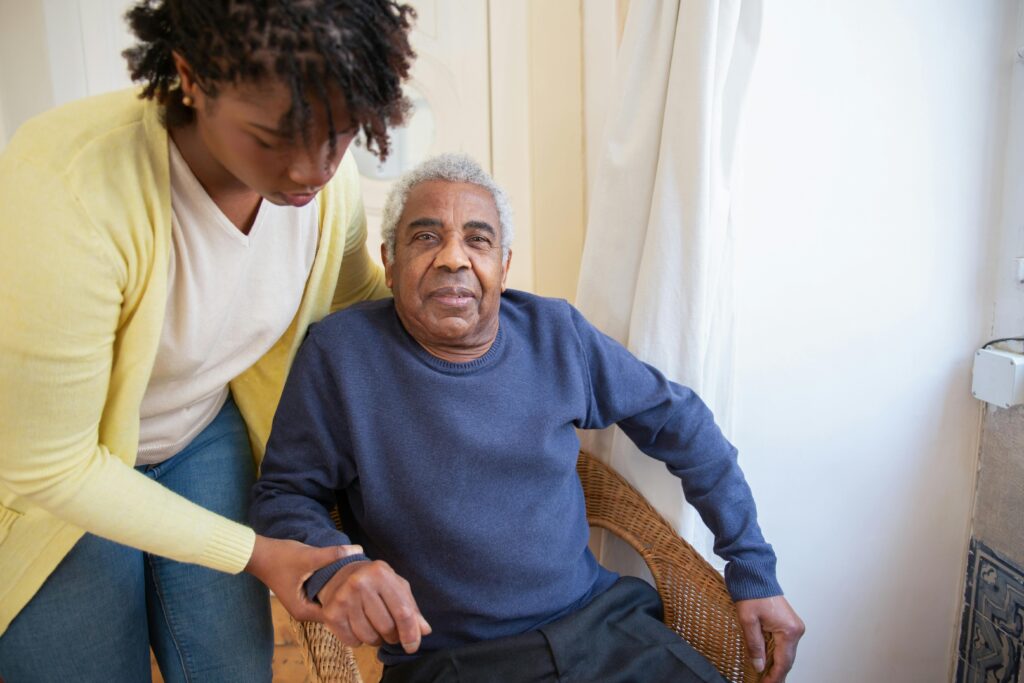
In healthcare and recovery, the word “care” is used constantly, yet few people stop to consider what it truly means. We hear about patient care, primary care, mental health care, and addiction care every day, but what is a care, really? At its core, care is more than treatment or service—it is the combination of compassion, expertise, and connection that empowers healing. In the world of addiction recovery and holistic wellness, understanding the meaning of care can transform how we approach healing for ourselves and others.
Defining Care in the Modern Health Context
The simplest way to define care is the provision of what is necessary for the health, welfare, maintenance, and protection of someone or something. Yet that definition hardly captures the depth of the concept. In medicine, care involves both technical skill and human understanding. It’s not just about prescribing medication or performing procedures; it’s about seeing the person behind the diagnosis.
When people search for “what is a care,” they are often seeking clarity about how care differs from treatment or service. Treatment is specific—it’s what we do to address an illness. Care is comprehensive—it’s how we do it, why we do it, and the relationship we build while doing it. True care considers the mind, body, and environment that surround a person.
The Foundations of Quality Care
At Renew Health, care is built on three pillars: compassion, evidence-based practice, and continuity. Compassion means meeting patients where they are, without judgment or stigma. Evidence-based practice ensures that every decision aligns with the latest scientific research. Continuity means providing long-term support rather than short-term fixes. Together, these pillars create the kind of care that changes lives, not just symptoms.
Every patient has unique needs, experiences, and histories. Quality care recognizes that individuality. It means listening deeply, personalizing treatment plans, and walking beside the patient instead of leading from a distance. It’s the difference between feeling managed and feeling supported.
The History and Evolution of Care
The idea of care has evolved over centuries. In ancient times, care was a community practice—neighbors, families, and healers working together to support one another. Over time, as medicine advanced, care became more specialized. Hospitals, clinics, and structured systems emerged, offering expert treatment but sometimes losing the personal touch that once defined healing.
Today, there is a movement back toward whole-person care, where the science of medicine meets the art of empathy. This approach values both the measurable and the meaningful—the data that track progress and the compassion that makes progress possible. Renew Health embraces this philosophy, combining modern medicine with human connection to help patients heal fully.
Different Types of Care in Healthcare
Care takes many forms, each with a unique purpose and method. Understanding these categories helps clarify what care looks like in action.
-
Primary care serves as the first point of contact in the healthcare system, focusing on prevention, early detection, and overall wellness.
-
Acute care provides immediate treatment for injuries or sudden illnesses that require urgent attention.
-
Chronic care supports individuals managing long-term conditions such as diabetes, heart disease, or substance use disorder.
-
Mental health care focuses on emotional and psychological well-being, addressing issues like anxiety, depression, trauma, and addiction.
-
Rehabilitative care helps individuals regain function and confidence after illness, injury, or surgery.
-
Palliative care prioritizes comfort and quality of life for patients with serious or terminal conditions.
Each type of care requires collaboration between professionals, patients, and families. While the methods differ, the goal is always the same: improved quality of life and restored dignity.
What Is a Care in Addiction Treatment
When it comes to addiction recovery, care takes on even deeper meaning. Addiction is not just a medical condition—it affects every aspect of a person’s life, including relationships, purpose, and identity. That means recovery care must address all of these dimensions.
At Renew Health, addiction care includes medical detoxification, medication-assisted treatment, behavioral therapy, and holistic wellness practices. But it also includes something less tangible: the commitment to seeing each patient as a person, not a problem. The process begins with stabilization, continues through therapy and relapse prevention, and extends into aftercare—long-term support that helps patients maintain sobriety and rebuild their lives.
The Emotional Dimension of Care
The most profound aspect of care often lies in its emotional dimension. When someone receives care that is truly compassionate, they feel seen, heard, and valued. For individuals in recovery, who may carry shame, fear, or self-doubt, this experience can be transformative. It restores trust and opens the door to vulnerability, which is essential for healing.
Empathy is the heartbeat of care. A clinician may have years of training, but without empathy, patients will not feel safe enough to engage fully in their treatment. Renew Health prioritizes this emotional connection, ensuring every interaction communicates respect, understanding, and hope.
The Science Behind Compassionate Care
Research supports what people intuitively know: compassion improves outcomes. Studies published in The Journal of General Internal Medicine show that patients who perceive their healthcare providers as empathetic experience better adherence to treatment, lower anxiety, and improved satisfaction. In mental health and addiction treatment, compassion also reduces dropout rates and strengthens resilience.
From a biological perspective, compassionate care activates the parasympathetic nervous system—the body’s “rest and digest” response. This reduces stress hormones like cortisol and promotes healing. In other words, the act of caring doesn’t just feel good; it changes the body’s chemistry in ways that support recovery.
Care as Collaboration
True care is not something done to someone—it is something done with them. Patients are not passive recipients but active participants. When patients feel ownership of their recovery, outcomes improve dramatically. Collaborative care encourages open communication between provider and patient, with shared decision-making guiding each step.
Renew Health’s approach to collaboration ensures that patients understand their treatment options, participate in goal-setting, and receive education about their health. This shared partnership builds confidence and empowerment.
Care Across the Continuum
Another key part of understanding what is a care lies in recognizing that it doesn’t end when the immediate crisis does. Quality care continues beyond the initial phase of treatment. After someone completes detox, finishes therapy, or recovers from surgery, they still need ongoing support to maintain progress.
Continuum of care refers to the seamless transition between levels of treatment—from detox to outpatient therapy, from primary care to specialty services, or from medical stabilization to lifestyle management. This model prevents relapse and ensures that no one feels abandoned after their first stage of recovery. Renew Health’s programs are designed to provide this continuous support, combining medical follow-up, counseling, and virtual care for long-term success.
The Role of Technology in Modern Care
Technology has transformed how care is delivered. Telehealth, digital therapy platforms, and remote monitoring allow patients to access care anytime, anywhere. For people in rural areas or those balancing work and family obligations, virtual care removes barriers that once kept them from getting help.
Renew Health leverages technology to expand access to addiction treatment and behavioral health support. Virtual visits, digital therapy sessions, and secure messaging keep patients connected to their providers between appointments. This hybrid model ensures convenience without compromising quality.
The Cultural and Social Aspects of Care
Care is also deeply cultural. People from different backgrounds have unique beliefs about health, healing, and communication. Effective care requires cultural sensitivity and an understanding of how social context shapes health outcomes.
At Renew Health, providers receive training to respect and integrate each patient’s values and preferences into their care plan. Whether addressing language barriers, family dynamics, or spiritual beliefs, culturally competent care fosters trust and inclusion.
What Is a Care Without Humanity
In contrast, care without empathy becomes mechanical. When healthcare becomes transactional, patients often feel unseen. This disconnect can discourage people from seeking help or cause them to disengage from treatment prematurely. In addiction recovery, where trust is fragile, impersonal care can be especially damaging.
Renew Health strives to restore humanity to healthcare by ensuring every patient encounter communicates compassion and dignity. Healing begins with connection.
Integrating Mental Health into Overall Care
Mental health is a cornerstone of total wellness, yet it’s often treated as separate from physical care. Anxiety, depression, trauma, and stress all influence physical health outcomes. In addiction recovery, these issues often fuel substance use. Integrated care brings these elements together, treating the whole person rather than isolated symptoms.
Renew Health’s integrated model addresses mental health alongside medical and social needs. Patients have access to therapy, psychiatric evaluation, and wellness coaching all under one coordinated system. This approach aligns with the core mission of comprehensive care: no part of a person’s health exists in isolation.
How to Recognize High-Quality Care
Not all care is equal. To identify quality care, look for providers and programs that demonstrate:
-
Transparency: Clear communication about treatment options and outcomes.
-
Empathy: Genuine concern and active listening.
-
Expertise: Clinicians trained in evidence-based practices.
-
Accessibility: Flexible options such as telehealth or same-day appointments.
-
Personalization: Treatment tailored to individual needs rather than one-size-fits-all.
-
Follow-up: Continued engagement after initial treatment ends.
When these elements are present, care transforms from a service into a partnership.
Stories That Redefine Care
Consider Andrea, who came to Renew Health feeling hopeless after several failed treatment attempts. What made the difference this time was not just the medication or therapy—it was the compassion she experienced from her care team. They listened, understood, and guided her step by step. Today, she’s two years sober and mentoring others in recovery.
Or think of Marcus, who struggled with depression and addiction after losing his job. At his first appointment, his provider asked not just about his symptoms but about his story. That question changed everything. It reminded him that care is not about fixing someone—it’s about helping them rediscover who they are.
Actionable Takeaways on What Care Means
-
Care is not just treatment—it is connection, compassion, and continuity.
-
The best care addresses physical, mental, and emotional health together.
-
Patients and providers share responsibility for success through collaboration.
-
Technology and accessibility expand opportunities for care but never replace human empathy.
-
Recovery and wellness depend on consistent, quality care that honors each person’s unique journey.
Conclusion: Redefining What Care Really Means
When people ask “what is a care,” they are really asking how healing happens. The answer lies in the intersection of science and humanity. Care is the act of standing beside someone as they take their steps toward health. It is listening, guiding, and believing in their ability to recover.
At Renew Health, care is not a service we deliver—it is a relationship we build. Every patient deserves to feel seen, safe, and supported. Whether you’re managing addiction, mental health challenges, or chronic illness, remember that care is not just about what happens in the clinic. It’s about connection, commitment, and compassion—the elements that make healing possible.
Renew Health: Your Partner in Compassionate Care
Phone: 575-363-HELP (4357)
Website: www.renewhealth.com