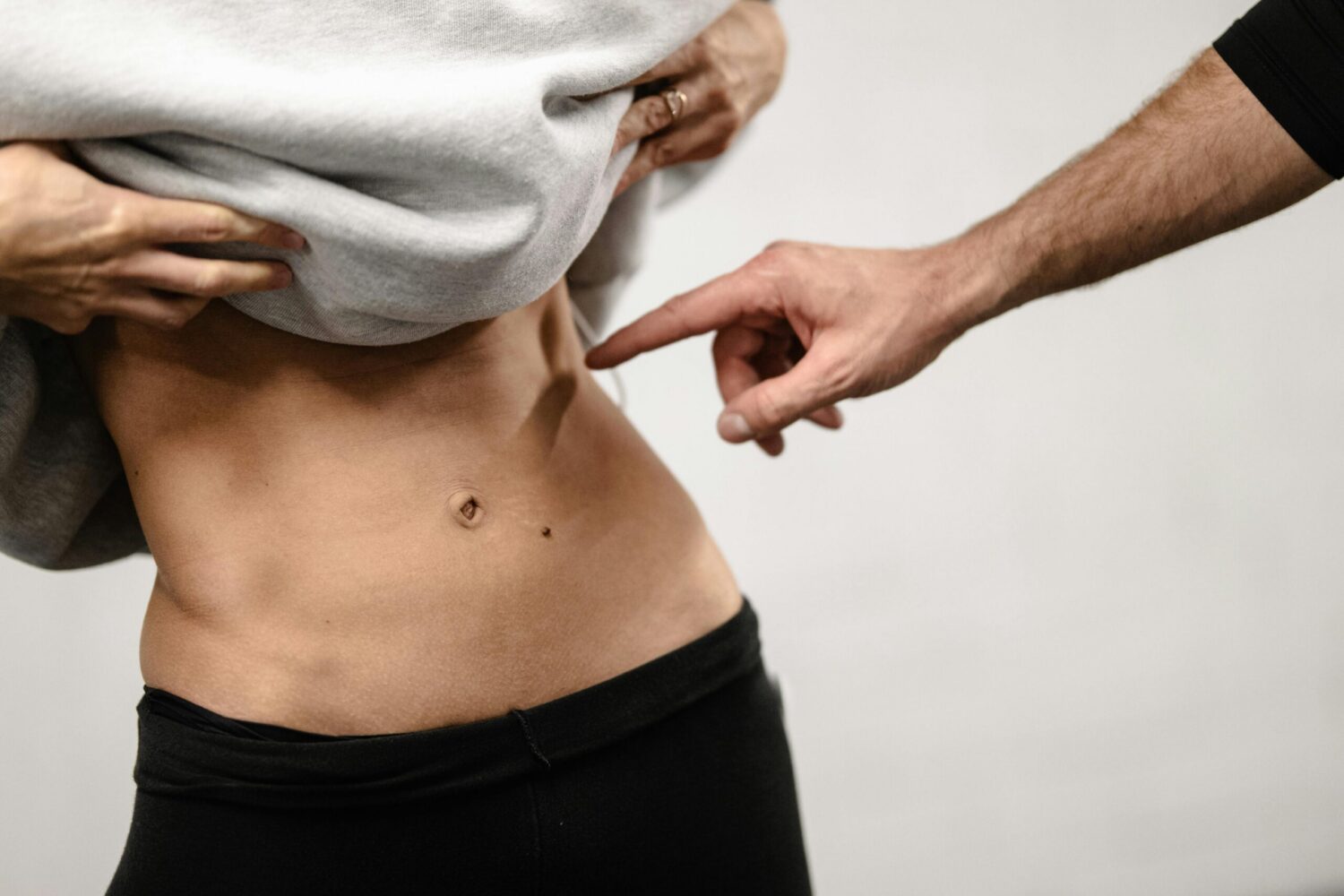

Your liver is one of the body’s most extraordinary organs. It filters toxins, processes nutrients, regulates hormones, and helps digest fats. Yet despite its resilience, it can only take so much strain. One of the most common conditions affecting the liver today is fatty liver disease—a silent condition that often develops without symptoms until damage has already begun. For many people diagnosed with fatty liver, the next question is simple yet vital: how long to heal fatty liver? The answer depends on many factors including diet, lifestyle, and the severity of the disease, but with consistent care, the liver can recover.
What Is Fatty Liver Disease
Fatty liver disease, also known as hepatic steatosis, occurs when excess fat builds up inside liver cells. A small amount of fat in the liver is normal, but when fat exceeds 5–10 percent of the organ’s weight, it becomes a health concern. Fatty liver is typically classified into two main types: alcoholic fatty liver disease (AFLD) and nonalcoholic fatty liver disease (NAFLD).
Alcoholic fatty liver develops from long-term heavy drinking. The liver metabolizes alcohol into substances that can damage cells, cause inflammation, and disrupt fat metabolism. Nonalcoholic fatty liver disease, on the other hand, is linked to metabolic factors such as obesity, insulin resistance, high cholesterol, and poor diet. Both forms can progress to more serious conditions such as steatohepatitis (inflammation), fibrosis (scarring), or cirrhosis (irreversible damage).
Can the Liver Heal Itself
The good news is that the liver is the only organ in the human body capable of significant regeneration. When injury or damage occurs, the liver can repair itself by replacing damaged cells with new ones. This natural regenerative ability means that early-stage fatty liver disease is often reversible if the underlying cause is addressed.
Healing begins once the liver is no longer exposed to harmful substances, such as excess alcohol or processed foods high in sugar and saturated fat. With time and proper care, fat deposits can decrease, inflammation can subside, and liver function can return to normal. But this process takes consistency, and how long it takes depends on how much damage has been done.
How Long to Heal Fatty Liver: The Short Answer
For mild cases of fatty liver—especially if detected early—significant improvement can occur within three to six months of lifestyle changes. In more advanced cases with inflammation or scarring, healing may take one to two years or longer. The timeline depends on several factors:
-
The cause of the disease (alcoholic vs. nonalcoholic)
-
The degree of fat accumulation and inflammation
-
Weight, diet, and physical activity
-
Metabolic health, including blood sugar and cholesterol levels
-
Consistency in following treatment recommendations
According to research published in Hepatology in 2023, patients who lost 7–10 percent of their body weight saw measurable improvements in liver fat within six months. Those who maintained lifestyle changes for a year often achieved near-complete reversal of early-stage disease.
The Role of Alcohol in Liver Healing
If your fatty liver is related to alcohol, the first and most important step is complete abstinence. Even moderate drinking can interfere with recovery. When alcohol use stops, liver enzymes typically begin to normalize within weeks, and fat content can start to decline within two to three months. In many cases, alcoholic fatty liver can fully reverse within six months to a year of sobriety.
At Renew Health, we emphasize medical supervision during alcohol cessation, especially for individuals with dependency. Withdrawal symptoms can be severe without support. Medication-assisted treatment and counseling help ensure safety and success during detox and recovery.
Nutrition and Diet for Healing Fatty Liver
Food plays one of the biggest roles in liver recovery. The goal is to reduce fat accumulation, improve insulin sensitivity, and supply the nutrients the liver needs for repair. The Mediterranean diet is one of the most recommended eating patterns for fatty liver because it emphasizes whole foods, healthy fats, and anti-inflammatory ingredients.
Key nutritional steps include:
-
Eliminate refined sugars and processed foods. High-fructose corn syrup and added sugars promote fat buildup in the liver.
-
Choose healthy fats. Incorporate olive oil, avocados, nuts, and fatty fish while limiting saturated and trans fats.
-
Increase fiber intake. Vegetables, fruits, legumes, and whole grains support digestion and blood sugar control.
-
Add lean proteins. Opt for fish, poultry, or plant-based proteins like beans and lentils to help repair tissue.
-
Stay hydrated. Water aids in toxin removal and supports metabolism.
-
Limit portion sizes. Gradual, sustainable weight loss reduces liver fat without triggering inflammation.
Coffee, interestingly, may also support liver health. Studies suggest that drinking two to three cups per day is linked with lower rates of liver fibrosis, possibly due to its antioxidant properties.
Exercise and Physical Activity
Physical activity complements nutrition by improving insulin sensitivity and burning fat. Regular exercise can reduce liver fat even without major weight loss. The Centers for Disease Control and Prevention (CDC) recommends at least 150 minutes of moderate activity per week, such as brisk walking, swimming, or cycling. Strength training two days per week also supports metabolism and overall health.
Consistency matters more than intensity. Even small daily changes—like taking the stairs, walking after meals, or reducing sedentary time—can accelerate healing.
How Weight Loss Affects Recovery
Weight loss is one of the most effective strategies for reversing fatty liver. Studies show that losing 5–10 percent of body weight can significantly decrease liver fat and inflammation. For example, someone weighing 200 pounds could see major improvement by losing just 10–20 pounds over several months.
However, rapid weight loss should be avoided. Crash diets or fasting can worsen inflammation and increase stress on the liver. Gradual, steady progress through balanced nutrition and activity supports safe recovery.
Sleep, Stress, and Hormonal Health
The liver’s ability to heal is influenced by more than diet and exercise. Sleep quality, stress levels, and hormonal balance also play important roles. Chronic stress raises cortisol levels, which can promote fat storage in the liver. Poor sleep disrupts metabolism, making it harder to lose weight and regulate blood sugar.
Practices like mindfulness, yoga, and deep breathing can help lower stress and support hormonal stability. Aim for 7–9 hours of sleep per night, maintain consistent sleep routines, and create a calm bedtime environment.
Medical Treatments and Monitoring
While lifestyle changes are the foundation of recovery, medical monitoring is essential. Doctors track progress using blood tests that measure liver enzymes such as ALT and AST, as well as imaging studies like ultrasounds or MRIs. These tests show whether fat levels are decreasing and inflammation is resolving.
There is no specific medication that cures fatty liver, but some treatments support the healing process. Vitamin E, omega-3 fatty acids, and certain diabetes medications like pioglitazone have been shown to reduce liver fat in some patients. However, supplements and medications should only be used under medical supervision.
Renew Health clinicians personalize care based on each patient’s needs, incorporating nutritional counseling, lab monitoring, and mental health support. Because the liver’s health affects the entire body, we treat recovery as a whole-person process.
The Connection Between Fatty Liver and Mental Health
Emotional well-being plays a significant role in liver health. Depression, anxiety, and chronic stress are common among individuals diagnosed with fatty liver, particularly when the condition is related to lifestyle factors. Addressing emotional health helps prevent self-blame and encourages long-term motivation.
Renew Health integrates behavioral therapy, mindfulness training, and supportive counseling to help patients manage stress and develop healthier habits. Healing the body often begins with healing the mind.
The Difference Between Fatty Liver and NASH
Not all fatty liver cases are the same. Nonalcoholic fatty liver disease (NAFLD) can progress into nonalcoholic steatohepatitis (NASH), a more serious form involving inflammation and cell damage. NASH can lead to fibrosis and cirrhosis if untreated.
While mild fatty liver can heal within months, NASH requires longer treatment and closer medical supervision. Even in advanced cases, however, lifestyle improvements can slow or reverse progression. The earlier intervention begins, the better the outcomes.
Can the Liver Fully Heal
For most people diagnosed in the early stages, the answer is yes. The liver can fully recover if fat accumulation and inflammation are reversed before significant scarring occurs. Once fibrosis develops, healing is slower but still possible with consistent care. Cirrhosis, the final stage of scarring, is largely irreversible, but further damage can still be prevented through abstinence, diet, and medical management.
The timeline for complete healing ranges widely—from several months for early cases to several years for advanced ones. The body’s natural repair mechanisms work best when supported by consistent healthy habits.
How Renew Health Helps Patients Heal
At Renew Health, we combine medical expertise with compassionate guidance to help patients heal fatty liver and improve overall wellness. Our integrated care model includes:
-
Comprehensive health assessments and lab testing
-
Nutritional and exercise counseling
-
Weight management programs tailored to individual goals
-
Mental health support through therapy and stress management
-
Education about alcohol and medication safety
-
Telehealth follow-ups for convenience and continuity
We view healing as a collaborative journey between patient and provider, built on understanding, accountability, and long-term support.
Actionable Steps for Healing a Fatty Liver
-
Eliminate alcohol entirely if applicable.
-
Adopt a balanced, Mediterranean-style diet.
-
Exercise at least 30 minutes most days.
-
Lose 5–10 percent of body weight gradually.
-
Manage stress and get adequate sleep.
-
Attend regular medical check-ups to track progress.
-
Stay consistent for at least six months before expecting major results.
Patient Stories of Recovery
Consider Angela, who was diagnosed with nonalcoholic fatty liver after years of fast food and inactivity. With guidance from Renew Health, she changed her diet, began walking daily, and lost 15 percent of her body weight over a year. Her liver enzyme levels returned to normal, and she regained her energy.
Or think of Robert, whose alcoholic fatty liver nearly progressed to cirrhosis. With medical supervision, complete sobriety, and counseling, his scans showed dramatic improvement after one year. Both stories illustrate the same truth: the liver’s capacity for renewal is remarkable when given a chance.
Conclusion: Healing Is Possible with Time and Consistency
When patients ask how long to heal fatty liver, the honest answer is that it depends on your commitment, health, and environment. For most people, visible improvement begins within months, while full recovery can take a year or more. The key is consistency—small, daily choices build up over time to create lasting change.
Your liver has the power to heal itself, but it needs your cooperation. Every healthy meal, every day without alcohol, and every night of good sleep moves you closer to recovery. Renew Health is here to guide and support that journey with compassion, science, and personalized care.
Renew Health: Your Partner in Liver Health and Recovery
Phone: 575-363-HELP (4357)
Website: www.renewhealth.com