In healthcare, certain abbreviations carry specific clinical meanings. One is EtOH, a common medical shorthand for ethanol, the form of alcohol found in alcoholic beverages. In medical records and clinical settings, an “EtOH drink” refers to any alcohol-containing beverage that has health significance. Understanding what EtOH means, how the body processes alcohol, and why it matters in medicine and recovery provides valuable insight into prevention and healing.
Although alcohol is widely integrated into culture and celebration, it’s also one of the most commonly misused substances worldwide. This blog explores EtOH, how the body processes it, and how healthcare professionals manage its risks, health effects, and treatment.
What Does EtOH Mean?
“EtOH” comes from the chemical formula for ethanol, the primary alcohol found in beer, wine, and spirits. The abbreviation combines “Et” for the ethyl group and “OH” for the hydroxyl group. In daily conversation, people simply say “alcohol” when referring to ethanol. In medicine, however, precision is necessary.
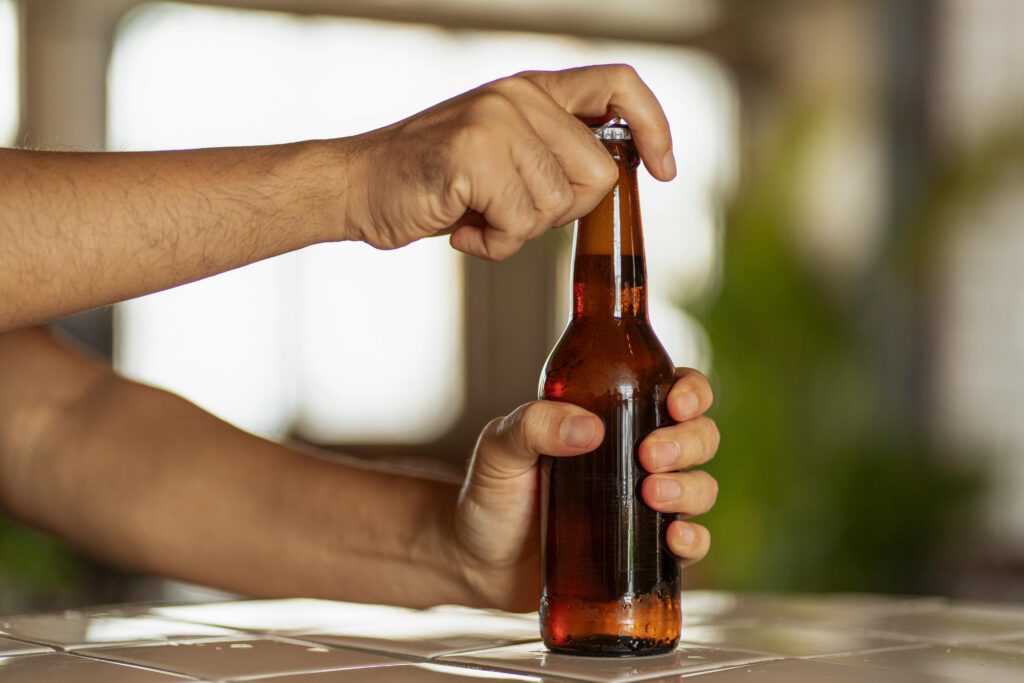
Healthcare providers use EtOH to distinguish consumable beverage alcohol from toxic non-beverage alcohols, such as methanol or isopropyl alcohol. Therefore, an “EtOH drink” refers specifically to any consumable beverage containing ethanol, including beer, wine, liquor, and mixed drinks.
The Role of EtOH in the Body
When you consume an EtOH drink, ethanol is rapidly absorbed into the bloodstream through the stomach and small intestine. Within minutes, it reaches the brain and alters neurotransmitters, the chemicals that regulate mood, coordination, and judgment.
Ethanol enhances the gamma-aminobutyric acid (GABA), a neurotransmitter that promotes calmness, while suppressing glutamate, which stimulates brain activity. This dual effect slows down neural activity, producing feelings of relaxation or euphoria. At the same time, ethanol triggers dopamine release, reinforcing the brain’s reward system and contributing to potential dependence.
How the Body Metabolizes Alcohol
The liver is the primary organ that breaks down ethanol. Enzymes—such as alcohol dehydrogenase and aldehyde dehydrogenase—convert ethanol into acetaldehyde. Then, it converts into acetate, and lastly, into carbon dioxide and water, which the body eliminates.
The average adult metabolizes about one standard drink per hour. In the United States, a standard EtOH drink contains roughly 14 grams of pure alcohol—the amount found in 12 ounces of beer, 5 ounces of wine, or 1.5 ounces of distilled spirits. Consuming alcohol faster than the body can process it causes blood alcohol concentration (BAC) to rise, leading to intoxication. When BAC reaches 0.08 percent or higher, judgment, coordination, and reaction times become significantly impaired.
The Immediate Effects of an EtOH Drink
Alcohol is classified as a central nervous system depressant. Even after one drink, you may experience mild relaxation, lowered inhibitions, or a feeling of warmth due to blood vessel dilation. As consumption increases, these effects become more pronounced. Two to three drinks can slow reaction times and slur speech, while higher amounts lead to impaired balance, blurred vision, and drowsiness. Excessive drinking can result in vomiting, memory loss, or blackouts.
At very high levels, alcohol poisoning can occur; a potentially fatal condition marked by confusion, vomiting, irregular breathing, and unconsciousness. Medical staff frequently document these emergency cases as “acute EtOH intoxication.”
The Long-Term Effects of EtOH Consumption
Regular, excessive consumption of EtOH drinks causes cumulative harm to nearly every organ system in the body. Chronic heavy drinking is directly linked to liver conditions such as fatty liver, hepatitis, and cirrhosis. It also increases the risk of cardiovascular disease, pancreatitis, and several types of cancer. Neurologically, long-term alcohol use damages brain structure and function, impairing memory, mood stability, and motor coordination.
From a mental health perspective, alcohol can worsen anxiety and depression while increasing the risk of suicide. When healthcare providers note a “history of EtOH use” or “EtOH abuse” in medical records, it signals a need to monitor for these potential complications and provide integrated medical treatment.
Cultural Normalization of EtOH Drinks
In many cultures, alcohol is deeply embedded in social rituals, celebrations, and relaxation. Moderate consumption is often viewed as normal or acceptable, but the line between social drinking and problematic use can be subtle and easily crossed.
Marketing and cultural expectations frequently blur this boundary by portraying alcohol as essential for fun or social connection. In reality, regular consumption of EtOH drinks—even in small amounts—can disrupt sleep, elevate blood pressure, and increase long-term cancer risks. Understanding these biological and medical facts helps shift the conversation from glamorizing alcohol to promoting health awareness.
EtOH and Addiction: How Dependence Develops
Alcohol dependence develops gradually as the brain adapts to repeated exposure. Over time, the brain produces fewer of its own natural calming chemicals as it comes to rely on alcohol’s presence. When drinking stops abruptly, the sudden absence of ethanol triggers withdrawal symptoms such as tremors, sweating, anxiety, and nausea. In severe cases, individuals may experience seizures or delirium tremens (DTs), which is a life-threatening medical emergency. The Diagnostic and Statistical Manual of Mental Disorders (DSM-5) classifies Alcohol Use Disorder (AUD) based on criteria like tolerance, cravings, and loss of control over consumption. Recognizing these patterns early is crucial for timely intervention and effective recovery.
Medical Use of the Term EtOH
Healthcare professionals use the term EtOH in clinical documentation to ensure clarity and precision. For instance, “EtOH positive” means laboratory tests detected alcohol in a patient’s system, while “EtOH withdrawal” indicates symptoms associated with stopping alcohol use. The phrase “denies EtOH use” indicates that a patient reports not drinking alcohol. Standardized terminology helps healthcare teams communicate quickly and accurately across specialties.
In emergency medicine, EtOH testing helps clinicians distinguish alcohol-related symptoms from other urgent medical conditions, such as diabetic ketoacidosis, head injuries, or stroke. In behavioral health, tracking EtOH consumption patterns allows providers to design treatment plans that address both physical dependence and underlying emotional factors.
The Relationship Between EtOH and Mental Health
Alcohol use and mental health are deeply connected. Many people drink to manage anxiety, depression, or trauma, as an EtOH drink may initially seem to relieve stress by relaxing the brain. Unfortunately, when the ethanol effects wear off, the rebound on brain chemistry can intensify negative emotions. Chronic drinking disrupts serotonin and dopamine pathways, worsening mood disorders over time. Dual-diagnosis treatment, which addresses both mental health conditions and substance use simultaneously, is essential for sustainable recovery. At Renew Health, this integrated approach helps patients heal both mind and body.
Recognizing Problem Drinking
Recognizing when social drinking becomes problematic is one of the most significant challenges in addressing alcohol misuse. Warning signs include drinking more or longer than intended, struggling to cut down, experiencing strong cravings, or continuing to drink despite negative health or relationship consequences. Frequent hangovers, blackouts, or risky behaviors such as driving after drinking also indicate potential dependence.
In clinical settings, screening tools like the AUDIT (Alcohol Use Disorders Identification Test) and CAGE questionnaire help nurses and physicians assess risk levels. Documenting “frequent EtOH drink use” or “high-risk EtOH consumption” alerts care teams to potential medical and psychological complications.
EtOH in Laboratory and Clinical Testing
Blood tests detect ethanol levels to determine the severity of intoxication or to monitor abstinence in recovery programs. Ethanol is typically measured in milligrams per deciliter (mg/dL), where 80 mg/dL corresponds to a blood alcohol concentration (BAC) of 0.08 percent. Chronic heavy drinkers may also undergo liver function tests to measure enzymes like AST, ALT, and GGT, which rise in response to alcohol-induced liver stress. Another marker, carbohydrate-deficient transferrin (CDT), helps providers assess long-term heavy drinking. Accurate testing and clear documentation of EtOH levels guide clinical treatment decisions and inform legal or occupational evaluations.
EtOH and Medication Interactions
Alcohol interacts dangerously with many prescription and over-the-counter medications. Mixing an EtOH drink with sedatives, painkillers, or antidepressants can enhance drowsiness, slow reaction times, and suppress breathing. Alcohol can also reduce the effectiveness of antibiotics or increase bleeding risks when combined with anticoagulants. Nurses and pharmacists routinely warn patients to avoid EtOH while taking these medications to prevent adverse reactions and ensure safety. Additionally, patients in recovery from alcohol dependence are advised to avoid medications containing ethanol, as even small amounts can trigger cravings or relapse.
Withdrawal and Detoxification from EtOH
When someone stops drinking after prolonged heavy use, the body must readjust to functioning without alcohol. Withdrawal can begin within hours of the last drink and may last several days. Common symptoms include tremors, insomnia, irritability, and sweating. Severe withdrawal requires medical supervision to prevent dangerous complications such as seizures or delirium tremens (DTs).
Medical detox programs provide a controlled environment where clinicians can administer medications, like benzodiazepines, to manage symptoms safely while restoring hydration and proper nutrition. Documenting “EtOH withdrawal protocol initiated” ensures coordination among nurses, physicians, and mental health professionals.
Treatment for Alcohol Use Disorder
Effective treatment combines medical management with behavioral therapy and peer support. Medication-assisted treatment (MAT) may include naltrexone to reduce cravings, acamprosate to help stabilize brain chemistry, or disulfiram to discourage drinking by causing unpleasant physical reactions when alcohol is consumed. Behavioral therapies, such as Cognitive Behavioral Therapy (CBT) and Motivational Interviewing (MI), help patients identify triggers, build healthier coping strategies, and set meaningful recovery goals. Group therapy and 12-step support programs offer essential community connection and accountability. At Renew Health, our integrated treatment approach combines evidence-based medicine with compassionate, individualized care to support long-term recovery.
Preventing Alcohol-Related Health Problems
The CDC defines moderate drinking as up to one drink per day for women and up to two drinks per day for men. Exceeding these guidelines increases the risk of developing high blood pressure, liver disease, and several types of cancer. Nurses and physicians often deliver brief interventions—short, focused conversations that encourage patients to reflect on their drinking habits and consider healthier changes. Simple strategies, such as alternating EtOH drinks with non-alcoholic beverages, eating before drinking, and setting clear personal limits, can significantly reduce overall harm.
EtOH and Nutrition
Alcohol provides calories without essential nutrients, which often leads to malnutrition in heavy drinkers; it also interferes with the body’s absorption of key vitamins like thiamine, folate, and B12, contributing to serious neurological conditions such as Wernicke-Korsakoff syndrome.
Nutritional rehabilitation is a vital component of recovery; patients in treatment programs are encouraged to consume balanced meals rich in protein, complex carbohydrates, and antioxidants. Restoring nutrient balance rebuilds physical health, supports mood stability, and energy throughout recovery.
How Families Can Support Recovery
Alcohol use affects entire families, not just individuals; loved ones often experience frustration, guilt, or fear as they try to offer support. Family therapy and educational support can rebuild communication, help set healthy boundaries, and foster mutual understanding. Encouraging open dialogue and celebrating milestones reduces shame and strengthens overall motivation. Active family involvement in the recovery process also lowers relapse rates and improves long-term outcomes. Renew Health works with families as part of a comprehensive approach to healing the whole system, not just the individual.
The Importance of Compassion in Care
The way healthcare professionals discuss alcohol use can directly influence whether a patient seeks help. Stigma and judgmental language often discourage honesty and create barriers to care. A compassionate approach that uses neutral, clinical terms such as “EtOH use” instead of labeling someone as an “alcoholic” promotes trust and open dialogue. Nurses and clinicians trained in motivational interviewing focus on collaboration rather than confrontation, meeting patients where they are to help them explore their readiness for change. Compassion doesn’t mean minimizing health risks; it means treating patients with respect and supporting them every step of the way toward lasting recovery.
Public Health and EtOH Awareness
Alcohol misuse is one of the leading preventable causes of death worldwide. Raising awareness about what constitutes an EtOH drink, how alcohol affects health, and where to seek help is essential for reducing harm. Public health campaigns emphasize moderation, safe driving practices, and early intervention. Schools, workplaces, and community organizations all play a role in promoting healthy choices and connecting individuals with recovery resources. Every informed conversation about alcohol use is an opportunity to prevent health complications and support meaningful recovery.
Actionable Takeaways
- EtOH means ethanol: It’s the specific clinical term for consumable beverage alcohol, distinguishing it from non-consumable chemical alcohols like methanol or isopropyl alcohol.
- An EtOH drink is any consumable alcoholic beverage: Beer, wine, spirits, and mixed drinks consumed recreationally or socially.
- Understanding physiological impact prevents harm: Knowing how the body absorbs and metabolizes ethanol helps individuals recognize risks, avoid excessive intoxication, and prevent chronic organ damage.
- EtOH is standard clinical terminology: Medical professionals use EtOH in patient records to clearly document alcohol presence, usage patterns, intoxication, or withdrawal.
- Mixing EtOH with medications is dangerous: Combining ethanol with prescription or over-the-counter drugs can cause severe side effects, impair respiratory function, or reduce medication effectiveness.
- Comprehensive treatment requires multiple approaches: Managing alcohol use disorder effectively involves medical detox, evidence-based therapies (such as CBT), medications, and family involvement.
- Compassionate, evidence-based care supports recovery: Using neutral, non-stigmatizing clinical language and integrated treatment models fosters trust and promotes long-term healing.
Conclusion
The phrase “EtOH drink” may sound like clinical jargon, but it addresses one of the most significant factors affecting human health worldwide. Alcohol’s impact extends to every system in the body—from brain function to liver health—and its misuse continues to present challenges for individuals, families, and healthcare systems alike. Yet, knowledge is foundational to health. Understanding what an EtOH drink is, how the body processes ethanol, and the risks associated with consumption empowers individuals to make informed, conscious decisions.
For those experiencing alcohol dependence, recovery is attainable with evidence-based medical care, strong support networks, and compassionate guidance. At Renew Health, we support every individual taking steps toward health and recovery. Healing begins with understanding, and every informed choice about alcohol moves us closer to lasting wellness and balance.
Renew Health: Your Partner in Alcohol Recovery and Wellness
Phone: 575-363-HELP (4357)
Website: www.renewhealth.com