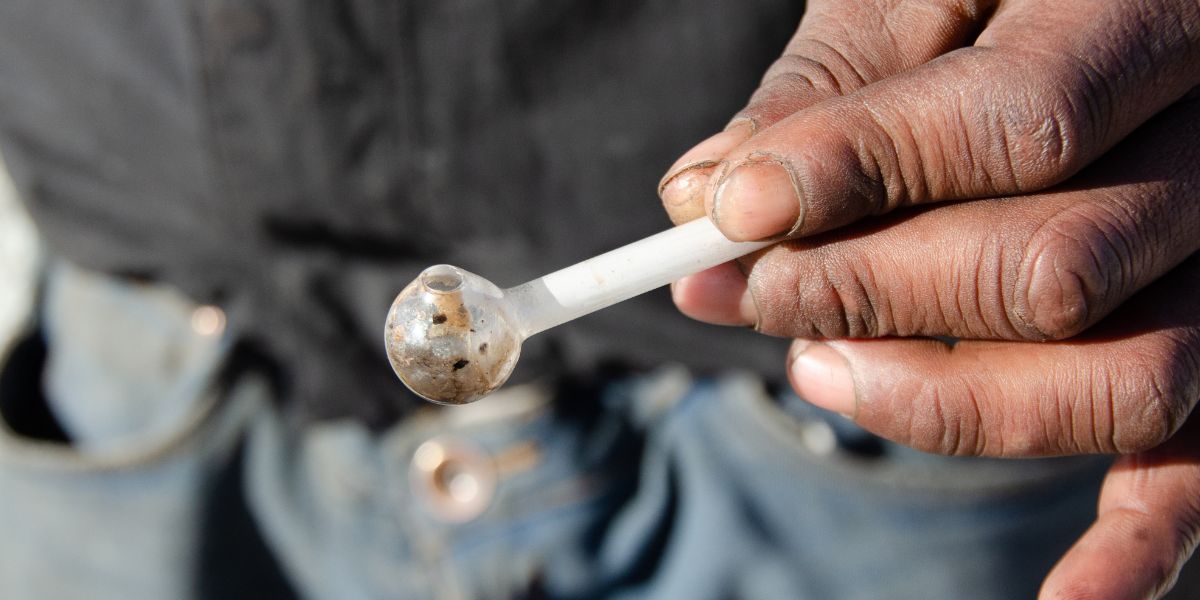

Every day, people search “What’s a meth head?” because they’ve heard it said on TV and social media. At first glance, the phrase looks harmless, but underneath it lies a deep misunderstanding of addiction, mental health, trauma, and the ways humans cope with overwhelming pressure. The phrase itself is stigmatizing and painful, and it reduces an incredibly complex medical condition to a single dehumanizing label. Yet many people searching this phrase are not trying to be cruel; they’re scared and confused, and they want answers.
At Renew Health, we believe that education breaks down stigma and helps families feel empowered rather than helpless. That starts with honest conversations about what meth use disorder actually is, how it affects the brain, why physical changes happen, and why the label “meth head” causes real harm.
In this blog, we explore the full picture. You will learn how meth impacts the brain and body, why behaviors can shift so dramatically, how recovery works, what science says about long-term healing, and what compassionate support actually looks like. We will also look at the types of questions patients commonly ask, the reasons behind visible changes such as weight loss and skin issues, and the path toward medical treatment. If you came here looking for help for yourself or someone else, you’re in the right place.
What People Really Mean When They Ask “What’s a Meth Head?”
When someone types “What’s a meth head?” into a search bar, they’re usually looking for information on how meth use impacts a person. They might imagine the familiar images from TV or social media showing severe dental decay, significant weight loss, intense anxiety, or unpredictable movements. These images are often used to shock, but they rarely tell the full story.
The phrase grew out of stigma. It suggests that a person is nothing but their addiction and ignores the root causes of substance use disorder, which, according to the American Society of Addiction Medicine, is a chronic brain disease influenced by genetics, trauma, environment, mental health conditions, and changes in neural pathways. No one becomes addicted to meth because they’re weak. Many begin using it in an attempt to cope with pain, numb emotional problems, fight depression, stay awake, improve productivity, or escape stress. Others were introduced through relationships or social environments where substance use was normalized. Some were managing undiagnosed mental health conditions and found that meth temporarily increased dopamine and energy.
The problem begins when repeated use alters dopamine receptors, restructures motivation pathways, and reduces natural pleasure responses. Over time, the brain prioritizes the drug over everything else. This is why meth use disorder is considered a medical condition, not a moral failure. Instead of seeing a stereotype, we see a person whose brain has been hijacked by a powerful stimulant and who needs medical, emotional, and social support to recover.
How Meth Changes the Brain and Why Behavior Shifts So Quickly
Meth is one of the most potent stimulants known and has a profound impact on brain chemistry. Since meth causes a rapid surge of dopamine, individuals may experience intense euphoria, increased confidence, fast thinking, rapid speech, hyperfocus, and boundless energy. At first, this can feel extremely productive or even empowering. But with repeated use, dopamine receptors become overstimulated and eventually damaged. The brain begins producing less dopamine naturally and relies more on the drug to feel normal. This is where drastic behavioral changes start to appear.
A person might become increasingly agitated, paranoid, restless, or unable to sleep for extended periods. Their ability to make rational decisions decreases, and they may hyperfocus on irrelevant tasks or act impulsively, often unaware of the risks. Long periods with little to no sleep can trigger hallucinations or delusions. This is where relationships begin to suffer, and emotions become unpredictable, swinging from euphoria to anxiety to confusion. Meth fundamentally alters the brain areas responsible for judgment, emotional regulation, and self-control. With treatment, these areas can heal, but it takes time, structure, and medical support.
Visible Physical Changes and Why They Happen
The images most people associate with a meth head come from the physical toll meth can take on the body. While not every person experiences every symptom, several common changes are linked to long-term meth use.
- One of the most recognizable is severe weight loss. Meth suppresses appetite, increases energy expenditure, and disrupts normal hunger cues. Individuals often go hours or days without eating, leading to rapid fat and muscle loss.
- Dental decay, often referred to as meth mouth, is caused by a combination of dry mouth, increased acidity in the oral environment, teeth grinding, poor dental hygiene, and high sugar consumption during crashes. Meth also causes blood vessels to constrict, reducing blood flow to the skin. Over time, this can slow healing and contribute to sores or scabs. Some individuals experience formication, the sensation of bugs crawling under the skin, which leads to scratching and picking, worsening skin damage.
- Chronic sleep deprivation adds another layer of physical decline. Without restorative sleep, the immune system weakens, the skin ages prematurely, cognitive function drops, and emotional stability collapses.
These physical symptoms occur because the drug disrupts nearly every system in the body and pulls a person away from basic self-care.
Why Stigma Matters and How Labels Create Barriers to Recovery
Language shapes perception, so when society uses terms like meth head, it sends a message that people with substance use disorders are somehow less than human. Stigma is not just emotionally painful; it has measurable effects on treatment outcomes. It’s common for those who feel stigmatized to be less likely to 1) seek care, 2) disclose their drug use to clinicians, and 3) follow through with treatment plans. Stigma also affects families who may feel embarrassed or afraid to ask for help.
The phrase meth head also misrepresents the recovery process. It suggests a person becomes permanently defined by their addiction, when in reality recovery often involves rebuilding health, repairing relationships, restoring brain function, and rediscovering identity. Many people in long-term recovery report profound personal transformation, renewed resilience, and a stronger emotional awareness than before they ever used. When we shift how we talk about addiction, we open doors to healing. Using compassionate language helps people feel seen and supported instead of labeled and dismissed.
The Science of Withdrawal and Why It Can Feel Overwhelming
Understanding withdrawal is essential to healing from meth use. Withdrawal is not simply feeling tired or irritable; it’s the process of the brain attempting to rebalance itself without the artificial dopamine spikes that came from meth. Common withdrawal symptoms include intense fatigue and sleepiness, depression, anxiety, irritability, slowed movements and speech, vivid dreams, increased appetite, and intense meth cravings. These symptoms can last days to weeks depending on the duration and intensity of use.
The first phase of withdrawal, commonly called the crash, typically occurs within the first 24 to 48 hours after stopping. The body swings from extreme stimulation to extreme exhaustion. The second phase involves emotional and cognitive effects like low motivation, difficulty concentrating, and depressed mood. These symptoms can persist for several weeks as the brain gradually restores its organic dopamine function.
Meth cravings can come in waves for months, especially when triggered by stress or familiar environments. This is why professional support is so important. Withdrawal requires structure, encouragement, medical guidance, and realistic expectations. When people don’t understand the biology behind withdrawal, they may assume a person is choosing not to get better. But in reality, withdrawal is a neurological process, not a matter of willpower.
Understanding Cravings and Why Relapse Happens
Cravings are one of the least understood aspects of substance use disorder. They’re not simply a desire to get high; they’re the brain sending repeated signals that it needs dopamine regulation restored. Triggers can include stress, loneliness, certain environments, music, people, memories, physical exhaustion, and even positive emotions. Because meth creates such a powerful dopamine spike, the brain becomes conditioned to associate the drug with relief or reward. This conditioning can last long after the physical withdrawal symptoms subside.
A relapse does not mean failure; it means treatment needs adjustment. It’s common for long-term recovery to involve multiple attempts. Each attempt builds new skills, insights, and resilience, aiding the next attempt. Recovery is not linear. It’s a process of rewiring neural pathways, building new habits, repairing damage, and strengthening support systems.
Treatment Options and Why Professional Care Matters
Meth use disorder is treatable, and people recover every day with the right combination of support, structure, and medical care. Effective treatment plans often include behavioral therapies, medication support in some cases, mental health treatment, sleep stabilization, nutritional support, and structured recovery programs. Cognitive behavioral therapy has significant evidence backing its effectiveness for stimulant use disorders. Contingency management, which uses reward-based systems, remains one of the most successful methods.
For many patients, underlying conditions like trauma, anxiety, bipolar disorder, or ADHD must be treated simultaneously. This is where experienced clinical teams make a profound difference. Telehealth programs like Renew Health remove barriers such as transportation, scheduling conflicts, and local provider shortages. The key is consistency. Healing the brain takes time. Rebuilding the body takes time. Repairing trust takes time. Treatment gives people the tools and accountability they need to keep moving forward even when progress feels slow.
How Families Can Support a Loved One Without Losing Themselves
Families often feel powerless when someone they love is struggling with meth use. Supporting someone through addiction is emotionally exhausting. Here are the steps to begin:
- The first step is education. Understanding the science behind addiction helps families replace blame with clarity.
- The second step is boundaries. Support doesn’t mean enabling. Healthy boundaries protect both the individual in recovery and those around them.
- The third step is communication. Compassionate statements like “I want you to be safe” or “I care about you” often open more doors than confrontational language.
- Families should also seek support for themselves. Therapy, peer groups, and educational resources provide essential tools for navigating the chaos that addiction can bring into a household.
Remember that recovery is possible. Many families come out stronger and more connected after walking through this journey together.
Actionable Takeaways
- When people ask “What’s a meth head?” they’re often trying to understand behaviors, physical changes, or risks, but the truth is that the phrase itself does more harm than good.
- Meth use disorder is a chronic medical condition that alters the brain.
- Physical changes are symptoms of a disease, not personal failure.
- Stigma creates dangerous barriers to recovery.
- Treatment works, especially when tailored to individual needs.
- Recovery is possible at every stage, even after multiple relapses.
- Families play a crucial role and also need support.
- Compassionate language improves outcomes and encourages healing. Understanding replaces fear, and education opens doors to effective treatment.
Conclusion
People want to understand what meth use disorder really looks like, why it happens, how it affects the brain and body, and how healing works. By replacing stigma with science and judgment with compassion, we create an environment where people feel safe asking for help. Meth use disorder is treatable. The brain can heal. Lives can be rebuilt. Families can reconnect. Recovery is real, and it starts with a single decision to reach out. If you or someone you love is struggling, you are not alone. Support is available right now.
Renew Health: Your Partner in Methamphetamine Recovery
Phone: 575-363-HELP (4357)
Website: www.renewhealth.com