Methamphetamine use disorder affects millions of individuals and families across the United States. The phrase “bubble pipe meth” describes the most common tool for smoking meth, so many people search that phrase because they’ve seen a style of drug paraphernalia and want to understand what it is and what risks are associated with it. For others, the search comes from fear or worry after finding a glass pipe in a car, bedroom, or backpack, and not knowing what to do next.
Understanding how meth is utilized provides crucial insight into behavior changes, health risks, and opportunities for early intervention. When someone sees a bubble pipe meth setup, they’re often noticing the pipe used to smoke crystal meth. While the pipe can look simple or even harmless, the behaviors, health complications, and neurological effects associated with smoking meth are anything but simple.
This blog breaks down:
- The science of meth use and the mechanics of the bubble pipe
- Physical and psychological effects
- Signs of addiction
- Pathways to recovery
Most importantly, it shifts the conversation from fear and stigma toward understanding and practical solutions.
At Renew Health, we believe no one should feel lost when trying to understand addiction. Whether you use meth, care for someone struggling with addiction, or want to educate yourself, this guide provides clarity and outlines available options for healing.
What a Bubble Pipe Meth Device Is and Why It Matters
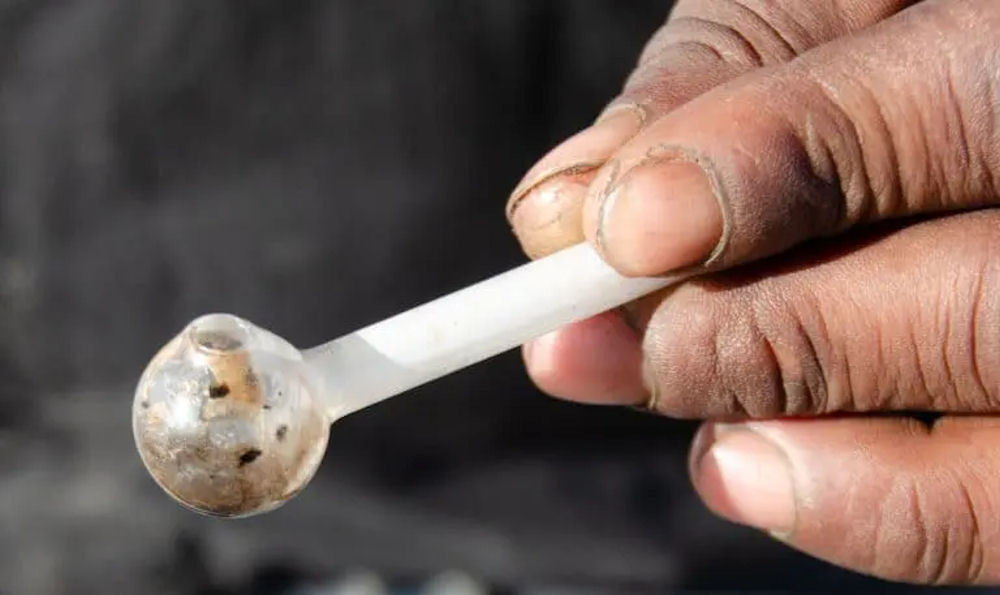
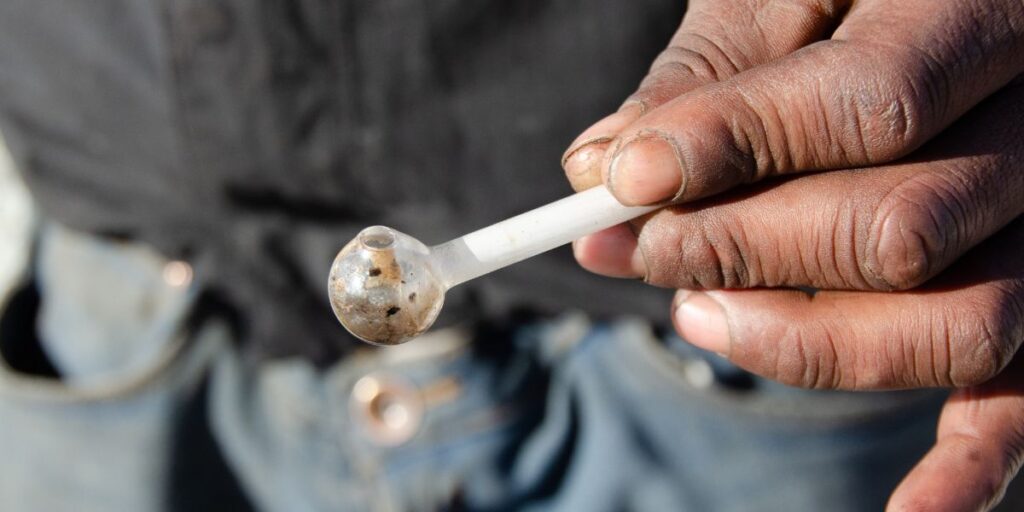
A bubble pipe is a round glass pipe with a stem and a small bowl, used for heating crystal methamphetamine, often with a single hole on the top or side. The design allows the substance to be heated evenly. As the heat increases, the meth liquefies, then vaporizes, and the user inhales through the stem. Users immediately experience a rapid, intense release of dopamine in the brain. This method creates a fast and powerful effect, making it one of the highest-risk methods of use because the brain adapts quickly to the dopamine surge.
A bubble pipe can appear clear, frosted, partially burnt, blackened, or cloudy inside depending on use. Burn marks around the bowl or discoloration inside the glass indicate repeated heating. People unfamiliar with drug paraphernalia often confuse bubble pipes with pipes for tobacco or cannabis, but the shape, burn patterns, and residue are distinct.
Understanding what using a bubble pipe looks like isn’t about judgment; it’s about early identification. Often, families realize a loved one is struggling when they find an unfamiliar pipe. Identifying paraphernalia enables earlier conversations, support, and intervention, which can significantly improve outcomes.
Why People Smoke Meth Instead of Snorting or Injecting
Different forms of meth-use produce different effects. Smoking meth, especially using a bubble pipe, produces an extremely fast and intense high. When smoked, it enters the lungs, the bloodstream, and the brain within seconds; this creates what many users describe as a rush or a wave of euphoria.
Snorting meth produces a slower onset. Injecting it is fast, but comes with its own dangers. Many people choose smoking because it feels less invasive and dangerous than injection, even though the neurological risks are still severe. The rapid dopamine spike caused by smoking increases the potential for addiction because the brain begins to link the quick release of dopamine with the act of smoking itself. Over time, this creates strong behavioral conditioning. Individuals may crave not only the drug, but also the ritual of heating the substance, watching it melt, and inhaling the vapor. This ritual becomes tied to the brain’s reward system.
Understanding why someone uses a bubble pipe helps families and clinicians better understand the addiction cycle. It’s not only the drug itself, but the speed, the intensity, and the ritualized pattern that reinforces use.
How Meth Affects the Brain and Body
Methamphetamine dramatically alters the brain. Dopamine regulates motivation, reward, attention, and movement. When meth floods the brain with dopamine, it creates intense euphoria, but with repeated exposure, the brain’s natural dopamine system becomes damaged. Receptors become overstimulated, begin to shut down, and natural dopamine production drops. Over time, the brain becomes dependent on meth to feel normal; this is one of the reasons individuals rapidly lose interest in normal activities, relationships, school, or work.
In terms of physical impact, meth also amplifies the body’s systems:
- Heart rate increases, blood vessels constrict, body temperature rises, and sleep becomes disrupted or nonexistent.
- Appetite disappears, and over time, this leads to extreme weight loss, dehydration, weakened immunity, and, in severe cases, organ damage.
- Because blood flow decreases, the skin heals slowly, and sores can form. Some individuals experience formication, a sensation of bugs crawling under the skin, which can lead to picking and scratching.
Understanding the physical changes associated with bubble pipe meth use helps families recognize early warning signs and encourages earlier medical intervention.
The Behavioral Signs Associated with Bubble Pipe Meth Use
Certain behavioral changes are associated with meth use, especially when smoking is the primary method. These can include rapid speech, restlessness, increased energy, unusual confidence, difficulty sitting still, or obsessive focus on small tasks. As meth begins to wear off, individuals may become irritable, anxious, or withdrawn. Long periods of use cause sleep deprivation, which leads to hallucinations, paranoia, confusion, agitation, and emotional instability. Loved ones often notice these drastic shifts in personality, routine, or priorities. People who previously maintained stable routines may suddenly disappear for hours or stay awake for days. In contrast, others may isolate themselves in a room, become protective of bags or pockets, or react defensively when questioned.
Because bubble pipe meth is fast-acting, these cycles of high energy followed by crashes can be intense and unpredictable. Recognizing behavioral patterns helps families intervene earlier and gives individuals insight into the changes happening in their bodies.
Why Stigma Surrounding Paraphernalia Creates Barriers to Recovery
The phrase “bubble pipe meth” often triggers strong reactions because society has associated certain objects with danger, but stigma doesn’t help individuals recover. People who fear judgment are less likely to ask for help and disclose their drug use to medical providers, and more likely to hide their addiction until it reaches a crisis point.
Paraphernalia doesn’t define a person; it signals a medical condition. Addiction is a chronic brain disease recognized by the American Society of Addiction Medicine and the Substance Abuse and Mental Health Services Administration, and it requires treatment, not shame. When we shift how we talk about meth, recovery becomes more accessible, families feel more empowered, and individuals feel more willing to come forward. Stigma never saves lives . . . compassion does.
The Emotional and Psychological Drivers Behind Meth Use
Being an addict isn’t a choice. The reasons behind bubble pipe meth use are often deeply emotional or situational. Some individuals begin using it to cope with trauma, depression, anxiety, loneliness, or overwhelming stress. Others may begin using meth because it initially seems to improve confidence, productivity, or social comfort. For people with untreated ADHD, meth temporarily improves focus by overstimulating dopamine pathways. Over time, these temporary benefits lead to codependence, which makes underlying conditions even worse.
Understanding the emotional motivation behind meth use helps clinicians develop better treatment plans. It also helps families replace frustration with empathy. When we view addiction through the lens of emotional need rather than judgment, we can provide stronger support.
Withdrawal and Why It Can Be Overwhelming
Withdrawal from meth is intensely uncomfortable because the brain has to relearn how to regulate dopamine without the drug. When someone stops smoking meth, especially after heavy bubble pipe use, it’s not uncommon to experience a crash marked by exhaustion, increased appetite, depressed mood, slowed thinking, and intense fatigue. Over time, emotional symptoms like anxiety, irritability, and low motivation appear. Cravings can also become strong and unpredictable.
Without support, many people relapse to escape the emotional and physical discomfort of early withdrawal. It’s important to remember this isn’t a weakness; it’s chemistry. Understanding withdrawal helps families avoid harmful questions like, “Why can’t you just stop?” Instead, they can offer realistic support, such as encouraging professional care, creating a safe environment, and helping the person stick to a structured routine.
Treatment Options That Support Long-Term Recovery
Methamphetamine use disorder is treatable, no matter how hopeless you may feel. Although no FDA-approved medication exists specifically for meth addiction, a combination of behavioral therapies has strong evidence:
- Cognitive behavioral therapy helps individuals identify triggers, restructure thoughts, and build healthier coping skills.
- Contingency management provides rewards for staying sober and consistently shows some of the highest success rates in stimulant treatment.
- Trauma-informed therapy helps address the emotional drivers of addiction.
- Sleep stabilization, nutritional support, and mental health treatment also play essential roles
Telehealth programs, such as Renew Health, give patients access to consistent clinical support without the barriers of transportation or limited local resources. Always remember that recovery is possible: The brain can heal, dopamine receptors regenerate over time, emotional stability returns, and energy improves. And most importantly, relationships can be repaired.
Actionable Takeaways
- The phrase “bubble pipe meth” may describe a simple object, but behind that object lies a medical condition that affects millions.
- A bubble pipe is a tool used to smoke meth and often serves as an early warning sign of drug use.
- Meth dramatically changes the brain over time.
- Behavioral and physical changes are symptoms, not failures.
- Stigma prevents people from seeking help. Compassion and education save lives.
- Treatment works, and recovery is possible.
Conclusion
Understanding bubble pipe meth use helps individuals and families move from fear to clarity. When we see addiction for what it truly is, a chronic and treatable medical condition that affects brain chemistry, emotional stability, physical health, and daily function, we begin to understand why support matters.
If you’ve found paraphernalia on a loved one or are struggling yourself, now is the time to reach out for professional support. It can feel impossible to believe help is attainable while you’re in the thick of addiction, but resources and tools exist; you just have to take the first step. A pipe defines no one, and addiction defines no one. Healing is possible at every stage, and the earlier someone receives help, the better their long-term outcomes. Whether you’re searching for answers, guidance, or a path forward, you’re never alone. Renew Health is here to walk with you through every step of recovery.
Renew Health: Your Partner in Methamphetamine Recovery
Phone: 575 363 HELP (4357)
Website: www.renewhealth.com