Across the country more people are talking openly about cannabis than ever before. Whether someone is exploring options for relaxation pain relief anxiety management or recreational curiosity they often start by learning about the 2 different types of weed most commonly discussed in everyday language. These categories usually refer to indica and sativa though modern cannabis strains are far more hybridized than most people realize. At Renew Health we work with individuals navigating addiction recovery mental health concerns and complex medical needs and cannabis comes up frequently in conversations. Some people want to know whether cannabis is safe for anxiety. Some want to understand how weed interacts with medications like buprenorphine naltrexone or antidepressants. Others simply want clarity because the cannabis industry is filled with confusing marketing terms. No matter the reason education is key. This blog breaks down what people really mean when they refer to the 2 different types of weed how cannabis affects the brain how potency has changed significantly over the last twenty years how cannabis interacts with mental health and addiction and what you or a loved one should consider before using it. Our goal at Renew Health is not to stigmatize cannabis or to promote it. Instead we want to help you make informed decisions backed by science clinical insight and real world experience.
Table of Contents
ToggleUnderstanding What People Mean By The Two Main Types Of Cannabis
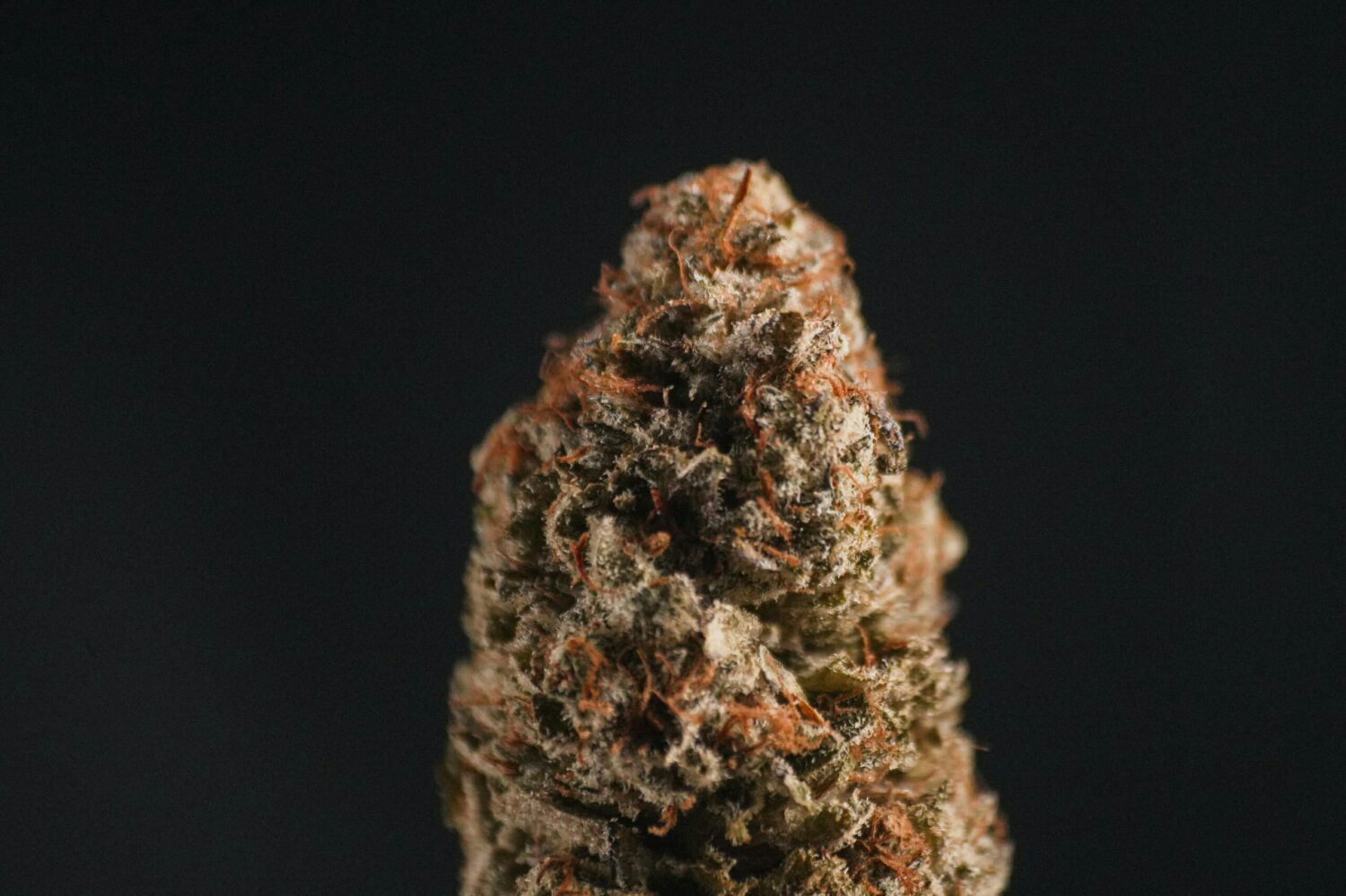
When people talk about the 2 different types of weed they are generally referring to the plant classifications that historically described cannabis varieties. These categories indica and sativa originally referred to different plant structures. Indica plants tended to be shorter with broader leaves while sativa plants tended to grow taller with narrower leaves. Over time popular culture began assigning effects to these categories. Indica strains were labeled as relaxing body heavy sleep promoting or sedating. Sativa strains were labeled as uplifting energizing creativity boosting or mentally stimulating. However this is an oversimplification. Modern cannabis strains are incredibly hybridized which means almost all strains contain genetic elements from both indica and sativa lineages. In practice the effects someone experiences have far more to do with cannabinoid content particularly THC and CBD terpene composition dosage method of consumption and individual physiology than whether something is labeled indica or sativa. Still these categories continue to shape how dispensaries market cannabis and how many consumers think about their choices. It is helpful to understand the history but equally important to recognize that the current cannabis landscape is more nuanced.
Cannabis Potency Has Changed Dramatically
To understand why conversations about the 2 different types of weed matter we have to talk about potency. Cannabis today is not the same as cannabis from the 1970s or even the early 2000s. THC levels have increased significantly due to selective breeding cultivation advances and consumer demand for stronger products. In the 1990s average THC levels in cannabis flower were around 4 percent. Today many strains exceed 20 percent with some extracts reaching 60 to 90 percent THC. This matters because high potency cannabis produces stronger psychoactive effects higher risk of anxiety and paranoia more intense intoxication and higher addiction potential. Many individuals using modern cannabis experience outcomes they were not expecting because they assume weed behaves the same way it did decades ago. Higher potency changes everything. For individuals with underlying mental health conditions especially anxiety PTSD bipolar disorder or schizophrenia high potency cannabis can worsen symptoms. At Renew Health we see many individuals with opioid or stimulant use disorders who also use cannabis believing it is harmless only to find that it worsens cravings sleep disruption and emotional instability. Understanding potency is key to using cannabis safely.
The Role Of Cannabinoids And Terpenes
When discussing the 2 different types of weed it is essential to understand cannabinoids. THC tetrahydrocannabinol is the primary psychoactive compound responsible for intoxication euphoria altered perception and impairment. CBD cannabidiol is non intoxicating and may reduce anxiety inflammation and seizure activity for some people. But THC and CBD are just two of more than one hundred cannabinoids found in cannabis. Others include CBG CBN and CBC each with unique properties though research remains limited. Terpenes the aromatic oils in cannabis also play a major role in determining effects. For example limonene may contribute to uplifting sensations while myrcene is associated with sedating or relaxing effects. This means a strain labeled sativa may contain sedating terpenes that contradict the stereotype and a strain labeled indica may contain energizing terpenes. This illustrates why relying solely on the category of the 2 different types of weed is misleading. The full chemical profile matters far more.
How Cannabis Affects The Brain
Cannabis interacts with the endocannabinoid system a network of receptors in the brain and body that regulate mood appetite memory stress response immune function and sleep. THC binds to CB1 receptors in the brain producing intoxication and altering perception. It also influences dopamine which affects reward pathways. This is one reason cannabis can become habit forming. CBD interacts differently and may counteract some of THC’s negative effects by reducing anxiety or paranoia in some users. However cannabis affects everyone differently. Factors such as metabolism environment mental health history and tolerance shape the experience. For individuals with a predisposition to mental health disorders cannabis can sometimes worsen symptoms especially with high potency strains. At Renew Health we frequently support individuals who believed cannabis was helping with anxiety but later realized it increased their anxiety when the effects wore off. Understanding how cannabis affects the brain helps people make informed choices.
Risks That Many People Overlook
Because cannabis is often marketed as natural or safe many people assume it has no risks. But just like alcohol caffeine or prescription medications cannabis has effects that depend on dose frequency and individual health. One of the most overlooked risks is cannabis use disorder. Studies estimate that about ten percent of cannabis users develop problematic use and the risk increases with daily use high potency products and early age of initiation. Another risk is cannabinoid hyperemesis syndrome a condition causing severe cyclical vomiting that resolves only when cannabis use stops. This condition is becoming more common as potency increases. Cannabis can also impair memory attention and motivation especially with long term heavy use. For teens and young adults cannabis affects brain development and increases risk of mental health complications. For individuals in addiction recovery cannabis sometimes becomes a substitute that delays healing by affecting mood motivation and sleep. The key message is not that cannabis is inherently dangerous but that it requires the same thoughtful consideration that any mood altering substance requires.
Cannabis And Mental Health The Complicated Relationship
One of the most important reasons we talk about the 2 different types of weed is because mental health outcomes can vary significantly based on strain composition and potency. Cannabis can temporarily reduce anxiety for some people but it can also trigger anxiety for others especially when THC levels are high. People with bipolar disorder may experience mood destabilization. Individuals with a family history of schizophrenia may face increased risk of psychosis. For those with trauma or PTSD cannabis may provide momentary relief but in some cases it interferes with long term recovery goals. At Renew Health our clinicians often help patients evaluate whether cannabis use is supporting or hindering their mental health. Many individuals discover that while cannabis helped in the short term it ultimately worsened anxiety depression or motivation over time. It is essential to evaluate cannabis use honestly and with compassion especially if other mental health conditions are present.
Cannabis And Addiction Recovery
Many people in recovery wonder whether using cannabis is safe. The answer depends on their goals risk factors and medical guidance. Some individuals use cannabis as a harm reduction tool when transitioning away from more dangerous substances. Others use cannabis to help with sleep or anxiety during early recovery. However cannabis can also interfere with treatment especially if someone is using methadone buprenorphine or naltrexone. High potency THC may increase cravings worsen emotional swings interfere with medication stability and reduce motivation for behavioral change. Cannabis can also become a replacement addiction which prevents full recovery. At Renew Health we encourage open nonjudgmental conversations about cannabis use. The goal is not abstinence for everyone but safety. If cannabis supports recovery in a stable controlled way that is one conversation. If cannabis disrupts progress that is another. Every situation deserves individualized care.
Medical Cannabis What People Should Know
Many individuals exploring the 2 different types of weed are considering medical cannabis. Conditions such as chronic pain multiple sclerosis cancer related nausea and certain seizure disorders may respond to specific cannabis formulations. However medical cannabis varies widely in quality. Some dispensaries emphasize high potency recreational strains which may not match clinical needs. Medical cannabis should be selected based on cannabinoid ratios terpene profiles and symptom targets rather than indica or sativa labels. Additionally cannabis is not a cure for most medical conditions and should not replace evidence based treatments. It may provide relief for some individuals and minimal benefit for others. Consulting with healthcare professionals is essential especially if someone is taking other medications.
Safer Ways To Use Cannabis If You Choose To Use
For those who do use cannabis understanding safety practices matters. Start with low THC products especially if you are new to cannabis or have anxiety. Consider strains with balanced THC and CBD which may reduce risk of paranoia. Avoid high potency extracts or concentrates which can be overwhelming even for experienced users. Avoid mixing cannabis with alcohol because the combination significantly increases impairment. Do not drive or operate heavy machinery while under the influence. Use cannabis in a safe environment with people you trust. Pay attention to how cannabis affects your sleep mood relationships and goals. If cannabis interferes with your life it may be time to reassess use. Monitoring consumption through journaling or self reflection can be helpful. If someone is in recovery consider discussing cannabis use with a clinician to determine whether it supports or hinders long term stability.
How Parents Can Talk To Teens About Cannabis
Teens often hear simplified messages about the 2 different types of weed from social media peers or pop culture. Unfortunately cannabis today is far stronger than what previous generations experienced. Teens need accurate information about potency addiction risk mental health effects and how cannabis interacts with developing brains. Conversations should be honest calm and supportive not fear based. Parents can ask open ended questions help teens develop critical thinking skills and emphasize safety. Teens who feel heard are more likely to communicate openly and less likely to engage in risky behavior.
When Cannabis Use Becomes A Problem
You may want to seek support if cannabis use is interfering with work school relationships motivation or mental health. Warning signs include needing higher doses to feel the same effect using cannabis to escape emotions feeling anxious without cannabis experiencing withdrawal symptoms such as irritability or insomnia and feeling unable to cut back. Cannabis use disorder is treatable with counseling behavioral therapies medication support for co occurring conditions and structured recovery programs. At Renew Health we provide compassionate care that focuses on addressing root causes rather than judgment.
Actionable Takeaways
Here are the most important things to understand about the 2 different types of weed. Indica and sativa categories are oversimplified because most modern strains are hybrids. THC potency has increased dramatically which affects safety mental health and addiction risk. Cannabinoid and terpene profiles influence effects far more than strain labels. Cannabis affects everyone differently and can either support or disrupt mental health depending on individual factors. Cannabis can become addictive for some individuals especially with high potency or daily use. Safer use includes starting low going slow avoiding mixing cannabis with alcohol choosing balanced THC to CBD ratios and assessing how cannabis affects overall well being. If cannabis is interfering with your goals relationships or stability support is available and effective.
Conclusion
The 2 different types of weed often serve as the starting point for understanding cannabis but the real picture is much more complex. Cannabis can be helpful for some people and harmful for others. It depends on potency frequency mental health history goals and individual physiology. With modern strains being stronger than ever before thoughtful informed decision making is essential. Whether you are considering cannabis for relief curiosity or harm reduction you deserve clear information and compassionate support. Renew Health is here to help you navigate these decisions with honesty evidence based guidance and care for your long term well being.
Renew Health: Your Partner in Cannabis and Recovery Care
Phone: 575-363-HELP (4357)
Website: www.renewhealth.com