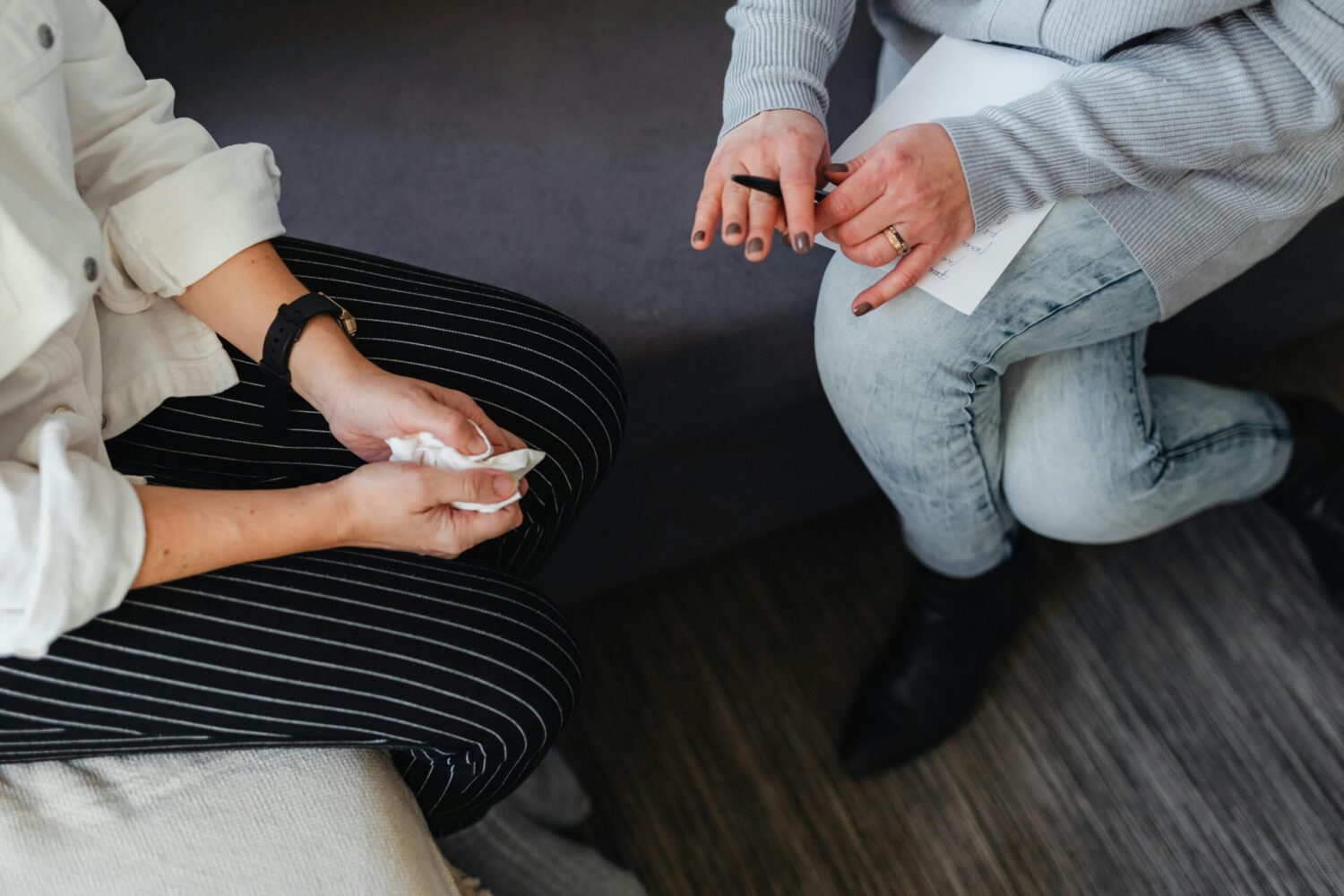

When people begin their rehab journey, they’re looking for hope, clarity, and answers during one of the most difficult seasons of their life. Whether you’re seeking treatment for yourself, supporting a loved one, or trying to understand what recovery looks like, the search can feel overwhelming.
Table of Contents
ToggleRehab options vary widely in quality. Some programs are compassionate and evidence-based, whereas others are outdated, understaffed, or overly rigid. At Renew Health, we work with patients and families across New Mexico who navigate the decision to enter treatment. Rehab isn’t just a place; it’s a process. It’s a structured environment designed to stabilize the brain, regulate the body, calm the nervous system, build coping skills, and address trauma.
This guide explains what to expect from a high-quality Clovis rehab program, how to know when someone needs treatment, what to ask when evaluating a center, what evidence-based treatment looks like, what red flags to avoid, and how to support long-term recovery after rehab.
What Rehab Actually Means and Why People Choose It
Rehab is short for rehabilitation, a structured treatment environment where people receive intensive support and care for substance use disorders, mental health challenges, or co-occurring conditions. People choose rehab for different reasons:
- Some are experiencing withdrawal symptoms they can no longer manage alone.
- Some are trapped in cycles of relapse and want a fresh start.
- Some are dealing with legal consequences, work pressure, family concerns, or medical complications.
- Some feel exhausted from trying to quit without support.
Rehab offers a controlled environment with medical care, therapy, peer support, skill-building, and routine.
Levels of Care Offered by Rehab Programs
Quality treatment programs usually provide multiple levels of care, including detox, residential rehab, partial hospitalization, intensive outpatient, and standard outpatient.
- Detox provides medical stabilization during withdrawal.
- Residential rehab offers 24-hour support.
- Partial hospitalization provides full-day programming while the patient sleeps at home.
- Intensive outpatient provides structured therapy several days a week.
- Standard outpatient provides ongoing support with flexible scheduling.
Not every Clovis rehab location offers every level, but high-quality care will match a person to the right level based on their needs.
Why Medical Detox Matters for Safety
People who use alcohol, opioids, benzodiazepines, or stimulants face physical and psychological withdrawal. Detox relieves symptoms, prevents complications, and sets the foundation for treatment. Alcohol withdrawal can be dangerous, causing seizures or hallucinations; opioid withdrawal is extremely uncomfortable and often triggers relapse; and benzodiazepine withdrawal can be life-threatening.
What Evidence-Based Rehab Looks Like
Evidence-based rehab uses research-supported treatments. These include,
- medication-assisted treatment,
- cognitive behavioral therapy,
- motivational interviewing,
- trauma-informed counseling,
- contingency management,
- family therapy, and
- relapse prevention planning.
Evidence-based treatment acknowledges addiction as a brain-based medical condition and avoids outdated models that rely solely on willpower or punishment.
Medication-Assisted Treatment in Rehab Settings
Medication-assisted treatment is one of the strongest tools in addiction medicine. It includes medications like buprenorphine, methadone, and naltrexone for opioid use disorder. It also includes medications for alcohol use disorder such as naltrexone, acamprosate, and disulfiram. These medications reduce cravings, stabilize brain chemistry, and make recovery more achievable.
Red Flags to Avoid When Choosing a Rehab
Be cautious of programs that offer “miracle cures”, guarantee success, use shame-based approaches, discourage medication-assisted treatment, lack licensed clinical staff, avoid family involvement, or hide program details. A trustworthy Clovis rehab program should be transparent, professional, and rooted in evidence-based care.
How to Evaluate Clovis Rehab Options
Research programs online, read reviews, ask about treatment methods, ensure staff is licensed, ask about trauma-informed care, inquire about medication availability, and speak with admissions staff.
How Telehealth Complements Local Rehab Services
Not all treatment has to occur in person! Telehealth offers flexible options for counseling, medication management, relapse prevention, and aftercare. Patients in Clovis can access high-quality virtual addiction medicine through programs like Renew Health.
What Makes a Rehab Program Truly Effective
Effective rehab is individualized, compassionate, trauma-informed, and medically sound. It includes medication when indicated, therapy tailored to each person, strong aftercare planning, and community support. It builds coping skills, emotional awareness, and healthy routines, and it acknowledges the complexity of addiction and addresses the whole person, not just the substance.
Therapies That Should Be Included in a High-Quality Rehab
Rehab should provide individual therapy, group therapy, family therapy, trauma therapy, and skill-building sessions. Therapy helps patients understand triggers, emotions, trauma, thinking patterns, and coping strategies. It can also build communication skills, distress tolerance skills, and emotional regulation techniques. High-quality Clovis rehab programs use therapists trained in modern approaches rather than outdated confrontational methods.
Why Trauma-Informed Care Matters
Most people with substance use disorders also have trauma histories, whether childhood trauma, relationship trauma, violence, grief, or chronic stress. Trauma-informed care recognizes how trauma affects the brain and nervous system. It avoids shaming, intimidation, or triggering practices, and emphasizes safety, choice, empowerment, and compassion.
How Rehab Helps Rebuild Daily Functioning
Addiction disrupts sleep, eating, hygiene, work routines, and personal responsibilities. Rehab helps stabilize these daily patterns through structured daily schedules. These schedules include meals, therapy, groups, activities, rest, and social support. Routine helps reset the nervous system, rebuild healthy habits, and shift the brain from survival mode to healing mode.
What a Day Inside Rehab Typically Looks Like
A typical day in rehab includes morning check-ins, group therapy, individual therapy, psycho-education classes, recreational activities, meals, rest periods, and evening reflections. The environment is structured but supportive, where patients are encouraged to participate actively in their healing. Some Clovis rehab programs include exercise, mindfulness, wellness groups, or creative therapy.
What Makes a Rehab Program Truly Effective
Effective rehab is individualized, compassionate, trauma-informed, and medically sound. It includes medication when indicated, therapy tailored to each person, strong aftercare planning, and community support. It builds coping skills, emotional awareness, and healthy routines, and it acknowledges the complexity of addiction and addresses the whole person, not just the substance.
Signs Someone May Need Rehab
Someone may need rehab if they cannot stop using despite consequences, experience withdrawal when they stop, frequently relapse, hide their use, neglect responsibilities, lose interest in activities, damage relationships, or place themselves in risky situations. People often wait until their life collapses before seeking help. But early treatment can prevent worsening symptoms and reduce harm. A burnt bridge or crisis doesn’t need to be the catalyst for seeking Clovis rehab.
How to Talk to a Loved One About Rehab
If you believe someone needs treatment, keep the conversation calm, compassionate, and direct. Use statements like, “I care about you,” or “I’m worried, and I want you to be safe.” Offer information about programs, and emphasize support, not punishment. People enter rehab willingly when they feel understood and not attacked.
Why Stigma Prevents People from Seeking Rehab
Many people delay treatment because they fear being judged. They believe rehab means weakness or failure, but addiction is a chronic, brain-based medical condition. Seeking help is courageous and life-saving, so it’s important to re-frame rehab as healthcare rather than punishment.
Why Rehab Is Not a Quick Fix
Rehab stabilizes, but long-term recovery requires ongoing support. Recovery is a lifestyle, not a single event. Leaving rehab doesn’t eliminate cravings or stress triggers; it equips people with tools, relationships, and supports to manage them. High-quality programs prepare patients for life after rehab rather than promising unrealistic instant transformation.
Aftercare and Why It Determines Long-Term Success
Aftercare refers to continued treatment after leaving rehab. It may include outpatient therapy, support groups, medication management, sober living environments, case management, and relapse prevention monitoring. People who engage in aftercare have dramatically higher recovery rates than those who do not.
How Families Can Support Recovery After Rehab
Families can help by learning about addiction, attending family therapy when possible, maintaining boundaries, providing emotional support, praising progress, and avoiding enabling behaviors. Recovery works best when loved ones are educated and supportive.
Actionable Takeaways
- Clovis rehab programs vary in quality.
- Effective rehab includes medical detox when needed, trauma-informed care, evidence-based therapy, medication-assisted treatment, structured routines, and strong aftercare planning.
- Families should respond with compassion when encouraging treatment.
- Rehab is not just about stopping substances; it’s about rebuilding the foundation of life.
Conclusion
The right program can help someone stabilize, recover, and reclaim their life. Rehab works when it’s compassionate, structured, and evidence-based. Whether you or someone you love is seeking help, remember that recovery is possible. With support, clarity, and medically sound care, lasting transformation can happen.