Searching for opioid doctors can feel overwhelming, emotional, and urgent. When someone reaches the point of wanting help for opioid dependence or opioid use disorder, they’re often exhausted, scared, ashamed, or tired of living in survival mode. At Renew Health, we hear this every day from patients who finally decide they’re ready for a change.
They want a healthcare provider who understands addiction as a legitimate medical condition rather than a moral failure. They want practical, evidence-based treatment options that work in the real world, not judgment, stigma, or lectures. They need convenient appointments that fit their daily lives, not long waitlists or unnecessary barriers. Most importantly, they want safety, stability, and a personalized recovery plan they can trust.
This guide walks you through everything you need to know when searching for local opioid treatment providers:
- What qualities to look for
- Which medical treatments are most effective
- How to identify and avoid unsafe clinics
- How to prepare for your first appointment
- Key questions to ask
- Practical strategies to sustain long-term recovery
What An Opioid Doctor Actually Does
An opioid doctor is a clinician who specializes in diagnosing and treating opioid use disorder. These providers can include physicians, nurse practitioners, and physician assistants with specialized training in addiction medicine.
- They understand the brain science of addiction, how cravings work, how medications help stabilize the brain, and how to manage withdrawal safely.
- They also know how to treat co-occurring conditions like anxiety, depression, trauma, or chronic pain, which often overlap with opioid misuse.
- A qualified opioid doctor offers evidence-based medications such as buprenorphine, Suboxone, methadone, or naltrexone depending on your individual needs.
- They create personalized treatment plans, monitor progress, adjust dosing, and provide ongoing clinical support.
Crucially, they understand that recovery looks different for everyone and focus on stability, compassion, and health rather than judgment or punishment.
Why Medication-Assisted Treatment is the Gold Standard
Leading organizations like the American Society of Addiction Medicine (ASAM) and the Substance Abuse and Mental Health Services Administration (SAMHSA) have repeatedly confirmed that medication-assisted treatment (MAT) is the most effective method for treating opioid use disorder.
People searching for local opioid doctors often wonder whether they truly need medication or if they should try quitting on their own. The reality is that medications like buprenorphine, Suboxone, methadone, and naltrexone dramatically reduce overdose risk, increase long-term recovery rates, stabilize brain chemistry, and relieve intense cravings. This allows individuals to rebuild their daily lives without constantly battling severe withdrawal.
Buprenorphine and methadone prevent the physical symptoms that frequently trigger relapse, while naltrexone blocks the effects of opioids to help maintain abstinence. These medications don’t substitute one addiction for another—they treat a chronic medical condition in the same way insulin treats diabetes or inhalers treat asthma. Patients receiving appropriate MAT consistently report feeling clearer, more grounded, and better equipped to focus on their long-term recovery goals.
How to Know If You Need an Opioid Doctor
Not everyone who uses opioids realizes they have developed dependence. Many people started with a legitimate prescription following an injury or surgery, while others began recreationally and slowly lost control over time. Some use occasionally, but find themselves thinking about opioids more and more frequently.
If you’re considering searching for local opioid doctors, you might be experiencing key signs such as intense cravings, physical withdrawal symptoms when you stop, needing higher doses to feel the same effect, spending significant time sourcing or using opioids, struggling to manage daily responsibilities, or feeling unable to quit despite wanting to.
You don’t need to hit a dramatic low point or wait for a crisis to seek help. If opioids are taking up more space in your life than you want them to, that is reason enough to reach out for professional support.
What to Look For When Searching For Opioid Doctors
Not all clinics operate with the same high standards of care. A trustworthy opioid doctor should practice evidence-based medicine, offer medication-assisted treatment, explain all available treatment options clearly, and communicate with genuine compassion. They should screen for co-occurring mental health conditions, maintain reasonable appointment availability, preserve full medical professionalism, and strictly avoid judgmental or shaming language.
Reputable providers will never demand cash-only payments without clear medical protocols, rush you through appointments without thorough evaluation, or prescribe high-dose controlled substances without appropriate monitoring and follow-up. A quality clinic is structured, transparent, and focused entirely on patient safety and long-term recovery support.
Red Flags to Avoid When Choosing an Opioid Doctor
Unfortunately, some clinics operate unsafely or unethically. If you’re searching for local opioid doctors and encounter providers who hand out prescriptions without a thorough evaluation, require cash-only payments with no receipts, operate without a clear treatment plan, or discourage therapy and support services, take caution. Red flags also include clinicians who fail to ask about your medical history, skip monitoring labs or vital signs, or pressure you into specific medications without explaining alternative options. A reputable provider will always prioritize comprehensive care, medical safety, and informed consent.
Why Many People Struggle to Find Care Locally
Access to treatment varies dramatically depending on location. Rural areas often have a shortage of addiction specialists, and some traditional providers still hold outdated beliefs about addiction that prevent them from offering evidence-based medication-assisted treatment. Additionally, many clinics have long waitlists or rigid schedules that make receiving care nearly impossible for individuals working full-time or caring for children. This is why so many people search endlessly for local opioid doctors, but struggle to find support.
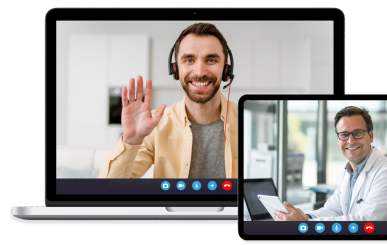
Telehealth has emerged as a major solution to these barriers. Virtual clinics like Renew Health connect patients directly with addiction medicine providers, making safe, comprehensive treatment accessible regardless of where you live or how busy your schedule is.
How Telehealth Has Transformed Opioid Treatment
Telehealth connects patients with qualified opioid treatment providers through secure video visits, eliminating major barriers like transportation, childcare, strict work hours, stigma, and long wait times. Studies show virtual medication-assisted treatment is just as effective as in-person care, and many patients feel more comfortable discussing sensitive topics from home. During virtual appointments, licensed providers can evaluate patients, prescribe medications like buprenorphine, track progress, and send prescriptions to local pharmacies. This expands your search for quality care beyond clinics in your immediate physical area.
What Happens During Your First Appointment
Your first visit with an opioid doctor is primarily conversational. The provider will ask about your history with opioids, medical background, past attempts to quit, daily stressors, goals, and mental or physical health symptoms. They ask these questions to understand how opioids affect your brain and body, not to judge you. Expect questions about when you last used, as timing is critical for starting medications like buprenorphine safely without triggering sudden withdrawal. Your doctor will guide you step by step to create an individualized plan.
How Buprenorphine Works and Why It Helps
Buprenorphine is often the first-line treatment for opioid use disorder. It activates brain receptors just enough to prevent withdrawal and cravings without causing euphoria or intoxication. Patients often report feeling stable, clear-headed, and grounded shortly after starting treatment. Additionally, buprenorphine protects against overdose by blocking stronger opioids from fully activating those same receptors, allowing individuals to stabilize and focus on long-term recovery.
Why Suboxone is Commonly Prescribed
Suboxone combines buprenorphine and naloxone. The added naloxone discourages misuse by triggering withdrawal if injected, but it has no negative effect when taken as prescribed under the tongue. Safe, well-studied, and highly effective, Suboxone manages withdrawal symptoms better than almost any other option. For this reason, many people searching for treatment specifically seek out Suboxone doctors to help stabilize their recovery.
Methadone as a Treatment Option
Methadone is another highly effective medication available through specialized clinics. It provides 24-hour stability and prevents withdrawal, making it beneficial for individuals with long histories of opioid use or for whom buprenorphine doesn’t offer enough relief. For many patients, methadone is a lifesaving treatment option.
Naltrexone as a Non-Opioid Option
Naltrexone blocks opioid receptors, completely preventing opioids from producing any effect if used. Because it requires a person to be fully detoxed before starting, it’s ideal for those seeking a non-opioid medication or a monthly injection option. By eliminating the ability to get high, naltrexone serves as an effective tool to help prevent relapse.
Why Withdrawal is Hard to Manage Alone
Opioid withdrawal causes severe physical symptoms, including
- chills,
- sweating,
- nausea,
- diarrhea,
- body aches,
- anxiety,
- shaking,
- restlessness, and
- insomnia.
While rarely life-threatening, these intense symptoms frequently lead to relapse to make the discomfort stop. This is a biological response to physical dependence, not a lack of willpower. Medication-assisted treatment relieves these symptoms, preventing the painful cycle of withdrawal and relapse.
Cravings Aren’t Moral Failures
Cravings occur because opioids flood the brain with dopamine, conditioning its reward pathways to reinforce drug-seeking behavior. Once conditioned, the brain doesn’t magically stop craving when someone decides to quit. Medication-assisted treatment helps to stabilize these pathways, significantly reducing cravings. Seeking help from a qualified opioid doctor provides the necessary medical tools to support your brain’s recovery.
How Treatment Helps Rebuild Daily Life
Once withdrawal and cravings are under control, people regain everyday stability. They can sleep, work, manage stress, repair relationships, and think clearly again. As the constant pull of opioid use fades, many notice their confidence returning alongside the ability to make clear decisions. Medication-assisted treatment isn’t just about stopping opioids; it’s about rebuilding the life you lost to them.
How Trauma and Mental Health Connect to Opioid Use
Many people develop opioid use disorder after attempting to cope with trauma, anxiety, depression, or chronic pain. A qualified opioid doctor will evaluate these areas because treating underlying issues directly improves recovery outcomes. If treatment only focuses on opioid use while ignoring mental or physical pain, long-term success becomes harder. Recovery is significantly stronger when comprehensive mental health support is included alongside medical treatment.
How to Talk to Family About Starting Treatment
Starting treatment is a personal decision, and you get to choose whether to share it with loved ones. Some people seek support from family, while others prefer to keep their care confidential; either choice is valid. If you decide to talk to family, explain that you’re working with a medical professional and using evidence-based treatment for a medical condition. Emphasize that treatment gives you safety, stability, and control over your life. Many families feel relieved to learn you’re taking structured steps toward health.
Why Shame Has No Place in Recovery
People often delay seeking treatment because of shame or embarrassment. This is an unfortunate mindset, as opioid doctors view opioid use disorder as a common, treatable, and well-understood medical condition. Shame doesn’t heal the brain—treatment, compassion, and support do. You deserve to receive quality healthcare without judgment.
How Long Treatment Usually Lasts
There is no timeline for recovery. Some people remain on medication for months, while others stay on it for years. Evidence shows that staying in treatment longer significantly reduces the risk of relapse, whereas stopping too early can trigger dangerous cravings and withdrawal. A good opioid doctor will guide you through a gradual, safe taper when you feel stable, ready, and fully supported.
Insurance and Cost Considerations
Most insurance plans cover medication-assisted treatment, including buprenorphine, Suboxone, and telehealth visits. If you don’t have insurance, many clinics offer sliding-scale fees or low-cost options to keep care affordable. Be wary of clinics that charge high cash-only fees without offering comprehensive medical care. Quality, evidence-based treatment should always be accessible.
How to Find the Right Opioid Doctor Near You
You can find a qualified provider by searching online or asking your primary care doctor for a referral. You can also contact your local health department or addiction treatment organizations. Telehealth options also provide accessible virtual care, like Renew Health. We connect you directly with licensed clinicians specializing in opioid use disorder treatment right from home.
Actionable Takeaways
- Medication-assisted treatment (MAT) saves lives.
- Buprenorphine, Suboxone, methadone, and naltrexone are evidence-based tools that reduce cravings, manage withdrawal, and protect against overdose.
- A qualified opioid doctor provides compassionate care, structured appointments, individualized treatment plans, and ongoing support.
- Avoid unsafe clinics, trust your instincts, and seek care that treats you with dignity.
- Searching for an opioid doctor should lead directly to real help, not barriers.
You’re not alone, and recovery is fully within reach.
Conclusion
Finding an opioid doctor is one of the most critical steps you can take for your health and future. Recovery isn’t a test of willpower; it’s about achieving medically supported stability, healing, and rebuilding your life.
Whether you choose in-person care or telehealth, and whether your treatment involves buprenorphine, methadone, or naltrexone, progress begins with a single appointment. You deserve relief from withdrawal, freedom from cravings, and support that meets you where you are. Clinics like Renew Health are ready to help you take that next step with confidence, compassion, and evidence-based care.
Renew Health: Your Partner in Opioid Use Disorder Care
Phone: 575-363-HELP (4357)
Website: www.renewhealth.com