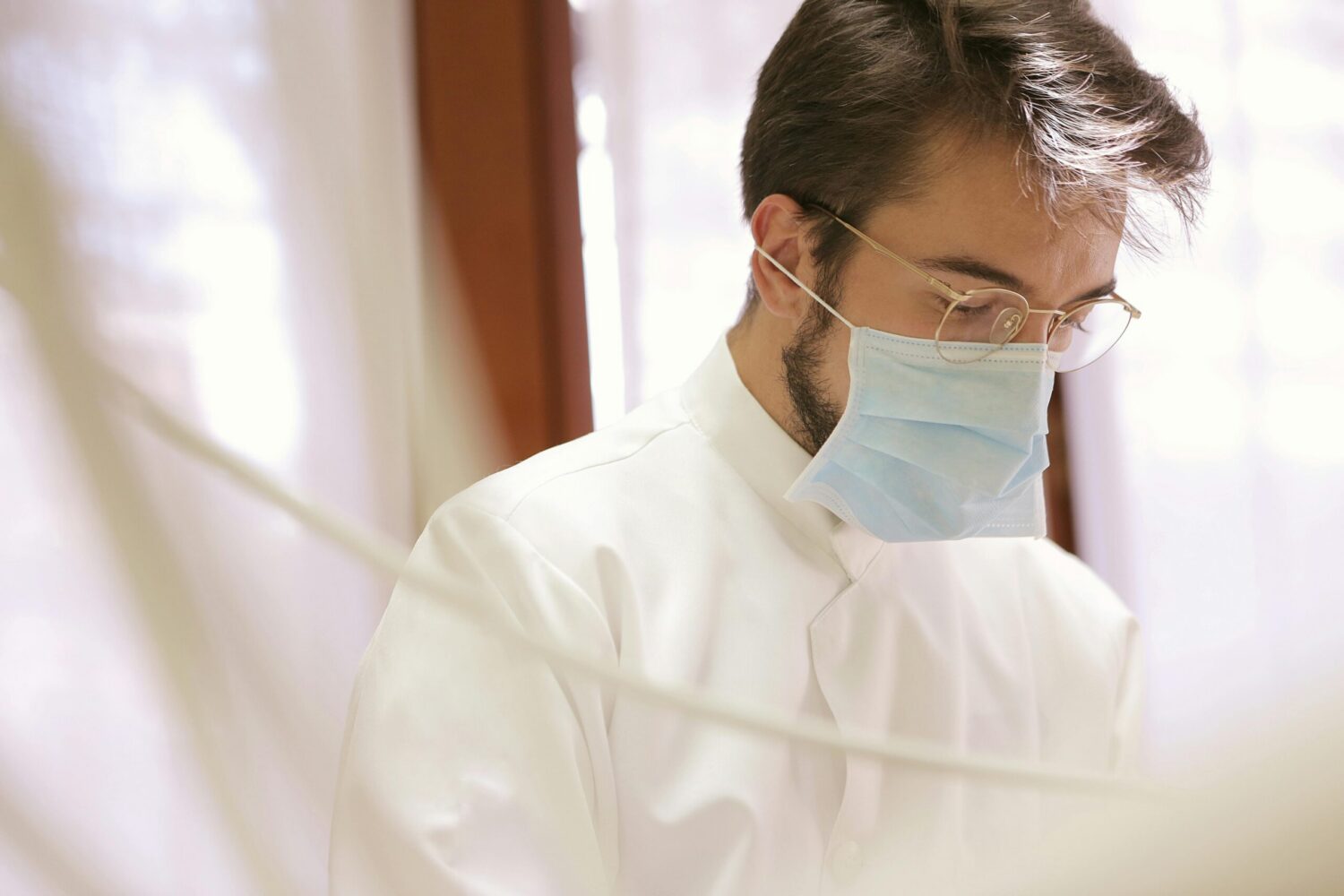
When someone begins exploring medication-assisted treatment for opioid use disorder, one of the first questions that arises is how to find doctors who can prescribe methadone. Methadone is one of the longest-standing and most evidence-based treatments for opioid addiction, yet it remains surrounded by confusion, stigma, and limited access. Finding out who can prescribe it, where to find treatment, and what to expect can be the difference between frustration and real recovery.
This guide shares everything you need to know about methadone treatment, why it remains an essential tool in addiction care, and how to locate qualified, compassionate providers in your area.
What Methadone Is and How It Works
Methadone is a long-acting opioid agonist medication used for both pain management and the treatment of opioid use disorder (OUD). For addiction treatment, methadone works by binding to the same opioid receptors in the brain that drugs like heroin, oxycodone, and fentanyl target. However, unlike those drugs, methadone doesn’t produce a euphoric high when taken at therapeutic doses. Instead, it provides a stable, steady state of receptor activation that prevents withdrawal symptoms, reduces cravings, and allows the individual to function normally. It essentially replaces the chaotic highs and lows of short-acting opioids with a controlled and predictable balance. Methadone has been used in this role for years and remains one of the most studied medications in addiction medicine.
Why Methadone Is a Life-Saving Medication
Decades of research have demonstrated that methadone significantly lowers the risk of overdose and mortality among people with OUD. It reduces illicit opioid use, improves employment outcomes, and enhances overall quality of life. Yet despite this strong evidence, many people who could benefit from methadone never receive it, often because they don’t know where to find a provider or don’t understand the system that regulates its use. Unlike Suboxone (buprenorphine/naloxone), which qualified clinicians can prescribe, methadone for addiction treatment can only be dispensed through federally certified opioid treatment programs (OTPs). That means not every doctor, even one experienced in addiction care, can prescribe it. Finding doctors who can prescribe methadone near me therefore requires knowing how to navigate this specialized care network.
The Difference Between Methadone and Other Medications for OUD
Methadone, buprenorphine, and naltrexone are the three main medications approved by the FDA for opioid use disorder. Each has its own mechanism of action and place in treatment.
- Methadone is a full opioid agonist, which means it fully activates opioid receptors but in a long, steady way that prevents withdrawal without causing intoxication.
- Buprenorphine is a partial agonist, providing similar stability but with a ceiling effect that limits its potency.
- Naltrexone is an antagonist, blocking opioid receptors entirely and preventing any opioid effect.
Because methadone provides continuous receptor activation, it can be more effective for individuals with severe or long-term opioid dependence who haven’t responded to other treatments. It’s also beneficial for those who need daily structure, since methadone maintenance programs require regular clinic visits for dosing and counseling.
Who Can Legally Prescribe Methadone?
Only specific medical professionals working within federally approved OTPs are authorized to dispense methadone for opioid addiction. These programs operate under strict guidelines set by SAMHSA and the Drug Enforcement Administration (DEA). A physician, nurse practitioner, or physician assistant must work under the supervision of a medical director within an OTP to prescribe methadone for addiction treatment. Outside of this framework, methadone can still be prescribed by any licensed provider for pain management, but not for addiction.
This regulatory distinction exists to prevent misuse while ensuring safe, consistent monitoring for patients. When you search for doctors who can prescribe methadone near me, the results will usually point to local OTPs rather than private offices. These centers often have a team-based structure including medical staff, counselors, and case managers who coordinate care holistically.
Why Access Can Be Difficult
Despite its proven benefits, methadone treatment is not available everywhere. According to SAMHSA data, there are roughly 2,000 OTPs in the United States, which is far fewer than the number of people who need treatment. Many rural areas have no OTPs, forcing patients to travel long distances to receive their medication. Federal law still requires most patients to begin methadone treatment under daily supervised dosing, meaning they must visit the clinic in person until they qualify for take-home privileges.
These logistical barriers can discourage some individuals from starting treatment even when they’re ready to get help. Expanding access and normalizing methadone care is therefore a major public health goal.
How to Find Certified Methadone Providers Near You
SAMHSA offers an online Treatment Locator where you can enter your zip code and search specifically for “Opioid Treatment Programs.” This tool lists all certified facilities authorized to dispense methadone for addiction treatment. You can also contact local hospitals, community health centers, or behavioral health clinics to ask for referrals. Many areas also have state hotlines that connect people directly to nearby methadone clinics.
When searching for doctors who can prescribe methadone, focus on whether the program is certified, not just whether the provider has addiction experience. A provider may be compassionate and skilled but, unless they are part of an OTP, they are still unable to prescribe methadone legally. For example, Renew Health often collaborates with OTPs to coordinate care and ensure continuity when patients transition between levels of support.
What to Expect When Starting Methadone Treatment
Entering methadone treatment typically begins with a comprehensive intake assessment at an OTP. During this evaluation, clinicians review your medical history, substance use background, and any co-occurring mental health concerns. A physical exam and urine drug screen are usually performed to confirm opioid dependence and rule out contraindications.
Once cleared, you’ll receive an initial supervised dose of methadone, usually between 20 and 30 mg, with careful monitoring for side effects or excessive sedation. Over the following days or weeks, your dose will be gradually adjusted to reach a stable maintenance level—enough to prevent withdrawal and cravings without causing drowsiness or euphoria.
The process is individualized and can take several weeks. Counseling, group therapy, and case management are often integrated into the program to address the psychological and social aspects of recovery alongside medication.
How Methadone Dosing Works
The key to methadone’s effectiveness is finding the right dose for each person. Too little, and withdrawal symptoms or cravings may persist. Too much, and side effects like excessive drowsiness or respiratory depression can occur. Most patients stabilize between 60 and 120 mg per day, though some may require higher or lower doses depending on metabolism and opioid tolerance. Because methadone has a long half-life—ranging from 24 to 36 hours—it accumulates gradually in the system until a steady state is achieved. That’s why medical supervision is so important during the initial phase. Once stability is achieved, many patients report a dramatic improvement in mood, energy, and overall functioning. The goal is to create a sense of normalcy where the medication supports recovery rather than dominating daily life.
Counseling and Support
Methadone treatment is most effective when paired with behavioral support. OTPs typically offer individual counseling, group sessions, and case management to help patients build coping skills, address trauma, and reconnect with family or community supports. This dual approach—medication plus therapy—is considered the gold standard in addiction care. According to the National Institute on Drug Abuse (NIDA), patients who remain engaged in methadone maintenance combined with counseling have better long-term outcomes than those who use medication alone.
How Long Methadone Treatment Lasts
One of the most common questions patients ask is how long they’ll need to stay on methadone. The answer varies widely. Some people remain on maintenance therapy for years, while others taper off gradually once they have achieved sustained stability. Studies show that remaining in methadone treatment for at least one year is associated with the best outcomes in terms of reduced relapse and improved functioning. Shorter durations often lead to higher relapse rates because the brain’s opioid receptors and reward pathways take time to heal. Tapering should always be done slowly and under medical supervision to minimize withdrawal symptoms and prevent relapse.
Methadone isn’t a cure but a powerful tool that helps people stay alive and productive while they rebuild their lives.
Addressing Stigma Around Methadone
Despite decades of research proving its effectiveness, methadone remains misunderstood. Some critics falsely view it as replacing one addiction with another, but that perspective ignores the fundamental difference between active addiction and medically supervised treatment. Methadone patients take a prescribed, regulated dose under medical oversight that allows them to function normally, work, and care for their families. It’s no more “addictive” than taking insulin for diabetes or antidepressants for depression. Changing public perception is crucial for expanding access and encouraging more people to seek help without shame.
Safety and Side Effects
Methadone is generally safe when taken as prescribed, but it does carry potential side effects, including constipation, sweating, dry mouth, and mild drowsiness. These often lessen as the body adjusts. Serious risks, such as respiratory depression or heart rhythm changes, are rare and usually associated with improper dosing or interactions with other sedatives. Methadone interacts with certain medications, including some antidepressants and anti-anxiety drugs, so always disclose your full medication list to your provider. For most patients, the benefits of stability and reduced overdose risk far outweigh the manageable side effects.
Accessing Methadone Treatment During Emergencies or Travel
Because methadone is highly regulated, traveling while on treatment requires coordination. Patients planning to move or take extended trips should inform their clinic in advance so a temporary transfer of care can be arranged. SAMHSA allows OTPs to issue “guest dosing” privileges, enabling patients to receive their medication at another approved clinic during travel.
During public health emergencies, such as the COVID-19 pandemic, take-home policies were expanded to reduce exposure risks. Some of these flexibilities have remained, improving convenience and autonomy for stable patients. The future of methadone care is trending toward more accessibility and patient-centered models while maintaining safety.
The Importance of Consistency in Recovery
Methadone works best when taken consistently at the same time each day. Missing doses can lead to withdrawal symptoms and increase relapse risk. Most OTPs provide counseling and support to help patients build routines that sustain long-term recovery. Additionally, they may connect patients to social services, vocational training, or peer support networks. Consistency isn’t just about medication; it’s about creating stability in all aspects of life. The predictability of methadone helps rebuild the structure that addiction often erodes.
How Renew Health Supports Patients Seeking Methadone Treatment
At Renew Health, we often encounter individuals searching for methadone options but are unsure about where to start. While we don’t dispense methadone directly, we collaborate closely with licensed OTPs and local physicians who do. Our team helps patients navigate the referral process, manage co-occurring conditions, and integrate behavioral therapy into their overall care plan. We also educate families about what to expect, reducing stigma and fear surrounding this proven form of treatment.
Every recovery journey is unique, but no one should have to navigate it alone. Our role is to connect you with the right level of care and ensure continuity from detox to maintenance and beyond.
Actionable Takeaways
- Methadone is a safe, evidence-based medication that reduces cravings, prevents withdrawal, and lowers overdose risk for individuals with opioid use disorder.
- Only certified OTPs can legally dispense methadone for addiction, so searching for “doctors who can prescribe methadone” will usually lead to OTPs rather than private practices.
- Methadone is most effective when combined with counseling and structured support.
- Daily dosing at the clinic ensures safety and consistency during early treatment.
- Over time, many patients can earn take-home privileges, increasing flexibility and independence.
- Stigma should never prevent access to life-saving care; methadone maintenance is medical treatment, not substitution.
- Renew Health assists patients by coordinating referrals, education, and ongoing therapeutic support.
Conclusion
Methadone remains one of the most powerful tools in addiction recovery, yet its potential is only realized when people can access it easily and without judgment. Understanding who can prescribe it, where to find those providers, and what the process entails helps people get the care they need. Every time someone searches “doctors who can prescribe methadone,” it represents more than curiosity—it represents a moment of courage, a willingness to reach for help, and a step toward reclaiming stability.
With the right information and support, recovery through methadone treatment is not only possible but sustainable. It provides structure, safety, and the chance to rebuild life on your own terms. At Renew Health, we believe everyone deserves access to compassionate, evidence-based care that meets them where they are and guides them toward lasting wellness.
Renew Health: Your Partner in Methadone Treatment Care
Phone: 575-363-HELP (4357)
Website: www.renewhealth.com