
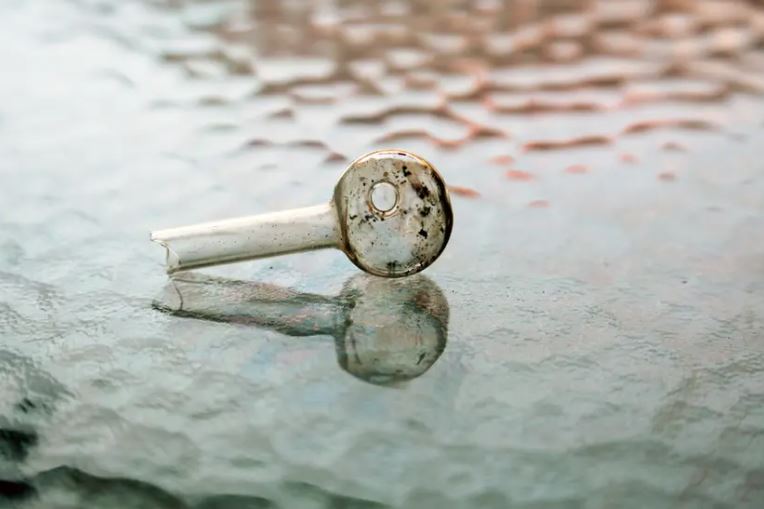
If you’ve ever seen a glass pipe with a rounded or “bulb-shaped” end, you’ve likely come across what’s known as a bulbous pipe. These pipes are often associated with smoking illicit substances such as methamphetamine, crack cocaine, or other crystalline drugs. While the object itself may look simple, its use carries serious health, legal, and social consequences. Understanding what a bulbous pipe is, how it’s used, and the risks it represents can help people identify substance use issues, recognize warning signs of addiction, and take steps toward seeking help or supporting loved ones in recovery.
What Is a Bulbous Pipe?
A bulbous pipe, sometimes called a “bubble pipe,” “meth pipe,” or “oil burner,” is a type of glass smoking device characterized by a long, narrow stem and a round, hollow bowl at the end. The bowl typically has one small hole on top and is designed to withstand high heat. This design allows users to heat and vaporize substances rather than burn them directly, producing inhalable vapors.
The bulbous shape at the end of the pipe serves a specific purpose: it collects and evenly distributes heat, allowing the substance—often a crystalline or powder-based drug—to melt and vaporize without being destroyed by direct flame. The user inhales the vapor through the stem, creating a fast and powerful high that reaches the brain within seconds.
What Substances Are Commonly Used in a Bulbous Pipe?
Bulbous pipes are most often associated with the use of methamphetamine, a powerful stimulant that produces intense euphoria, increased energy, and heightened alertness. However, they may also be used to smoke other substances, including:
• Crack cocaine
• Heroin (in vaporized form, known as “chasing the dragon”)
• Synthetic drugs such as “bath salts” or designer stimulants
• Prescription pills crushed and melted for inhalation
The pipe’s design makes it versatile for vaporizing crystalline or powder drugs, which can make it a common paraphernalia item among people struggling with addiction.
How a Bulbous Pipe Works
The process of using a bulbous pipe is simple but dangerous. A small amount of the drug is placed inside the bulb or bowl, and a lighter or torch is applied to the underside. As the substance heats up, it melts and produces vapor that the user inhales through the stem. Because the vapor enters the bloodstream rapidly through the lungs, the effects are felt almost instantly.
This quick delivery to the brain produces an immediate, intense rush, which is part of what makes drugs like methamphetamine so addictive. Unfortunately, the same mechanism that creates such a powerful high also contributes to severe dependency and neurological damage.
Why the Bulbous Design Is Dangerous
While the bulbous pipe itself may seem harmless—often sold in head shops or online as “glass art” or “oil burners”—its design is optimized for drug vaporization. This creates several serious health and safety risks:
• Extremely high heat exposure: The glass can reach temperatures hot enough to cause burns on fingers, lips, and face.
• Toxic inhalation: The chemicals produced when heating substances can scar lung tissue and damage respiratory function.
• Addiction reinforcement: The design’s ability to deliver drugs quickly intensifies dependence and shortens the time between use and craving.
• Paraphernalia residue: Leftover drug residue in the pipe can release toxins or contaminants with each use, increasing health risks.
• Infection risk: Sharing pipes exposes users to hepatitis C, respiratory infections, and other communicable diseases.
Over time, repeated use causes severe physical, mental, and social deterioration.
Recognizing a Bulbous Pipe
Recognizing a bulbous pipe can help families, friends, or employers identify potential drug use early. Common characteristics include:
• A clear or frosted glass pipe with a round, ball-shaped end.
• A single small hole in the bulb for heating the drug.
• Burn marks, soot, or discoloration on the glass.
• Crystalline residue inside the bulb or stem.
• Accompanying items such as lighters, torches, or small baggies with white powder or crystals.
Finding a bulbous pipe in someone’s belongings is a strong indicator of drug use and should be addressed with care, compassion, and professional guidance rather than confrontation.
Health Effects of Drugs Smoked in a Bulbous Pipe
Drugs commonly smoked through bulbous pipes have profound effects on the brain and body.
• Methamphetamine: Causes euphoria, hyperactivity, and confidence but leads to addiction, paranoia, hallucinations, and severe dental problems known as “meth mouth.” Chronic use can also cause cognitive decline and heart damage.
• Crack cocaine: Produces short-lived euphoria followed by depression and irritability. Long-term use leads to respiratory issues, cardiovascular disease, and mental health disorders.
• Synthetic stimulants: Often unpredictable, causing psychosis, seizures, and violent behavior.
• Heroin or opiates: Depress the central nervous system, slowing breathing and increasing overdose risk.
The act of smoking these substances can damage lung tissue, cause chronic cough, lead to burns, and increase infection risk due to weakened immune function.
The Psychological Toll
Addiction to substances commonly smoked through bulbous pipes takes a devastating psychological toll. Users often experience cycles of euphoria followed by deep depression, paranoia, anxiety, and insomnia. Over time, these drugs change the brain’s reward pathways, making it difficult to feel pleasure without continued use.
Many individuals isolate themselves from family and friends, experience job loss, or become entangled with the legal system. Shame and stigma can make it hard to reach out for help, even when the desire to quit is strong.
Legal Consequences of Possessing a Bulbous Pipe
In most states, a bulbous pipe is considered drug paraphernalia when it contains residue or is clearly used for illegal substances. Possession can result in fines, probation, or criminal charges, depending on the jurisdiction and the circumstances.
Even if the pipe is clean, law enforcement may still consider it paraphernalia based on intent or context—for example, if found alongside baggies, scales, or other drug-related items. For individuals struggling with addiction, these legal challenges can create additional barriers to recovery and employment.
How Addiction Develops and Why It’s Hard to Stop
Drugs smoked in a bulbous pipe rapidly alter the brain’s dopamine system. Each use floods the brain with dopamine—a chemical linked to pleasure and reward. Over time, natural dopamine production decreases, and the brain becomes dependent on the drug to feel normal.
This leads to compulsive use despite consequences, a hallmark of addiction. Stopping suddenly can cause withdrawal symptoms such as fatigue, depression, anxiety, and intense cravings. Because these symptoms can be overwhelming, many people relapse without professional support.
How to Get Help for Meth or Stimulant Addiction
If you or someone you know is using a bulbous pipe, professional help is essential. Recovery begins with detoxification, followed by therapy, medication (when appropriate), and long-term support.
Effective treatment options include:
• Medical detox: Safely manages withdrawal symptoms under supervision.
• Inpatient or outpatient treatment: Provides structured care, therapy, and relapse prevention strategies.
• Cognitive Behavioral Therapy (CBT): Helps reprogram thought patterns and behaviors linked to drug use.
• Contingency Management: Uses incentives to encourage sobriety and healthy behavior.
• Peer and family support groups: Build community and accountability throughout recovery.
Recovery is not easy, but it is possible. With compassionate care, many people achieve long-term sobriety and rebuild their lives.
How to Support Someone Who Uses a Bulbous Pipe
If you suspect someone is using drugs through a bulbous pipe, approach the situation with empathy rather than judgment. Addiction is not a moral failing—it’s a chronic medical condition. Helpful steps include:
• Talking calmly and without accusation.
• Offering to help find treatment resources.
• Avoiding enabling behaviors, such as giving money or covering up consequences.
• Encouraging medical evaluation or counseling.
• Seeking professional guidance from addiction specialists.
Remember that recovery takes time and relapse can be part of the process. Patience, persistence, and compassion are key.
Prevention and Education
Education plays a critical role in preventing addiction and reducing stigma. Schools, workplaces, and community programs that teach the dangers of drug use and emphasize mental health support can prevent people from turning to substances in the first place.
Understanding what a bulbous pipe is and what it represents can help communities identify early warning signs and intervene before addiction takes hold.
Actionable Takeaways
• A bulbous pipe is a glass smoking device commonly used for methamphetamine and other illicit drugs.
• The design allows drugs to vaporize quickly, delivering an immediate but dangerous high.
• Using a bulbous pipe carries severe health, psychological, and legal risks.
• Recognizing and addressing drug use early increases the chance of recovery.
• Addiction treatment through medical detox, therapy, and support groups is highly effective.
• Compassion and education are vital tools for prevention and recovery.
Conclusion
The bulbous pipe may appear simple, but its connection to addiction, health risks, and emotional suffering is profound. Recognizing what it is and understanding its dangers is the first step in protecting yourself or helping someone you care about. Addiction thrives in silence and shame, but recovery begins with awareness and support. If you or someone you know is using a bulbous pipe, reaching out for help can change everything. Treatment works, hope is real, and a healthy, drug-free life is possible for anyone willing to take the first step.
Renew Health: Your Partner in Substance Use Education and Recovery
Phone: 575-363-HELP (4357)
Website: www.renewhealth.com