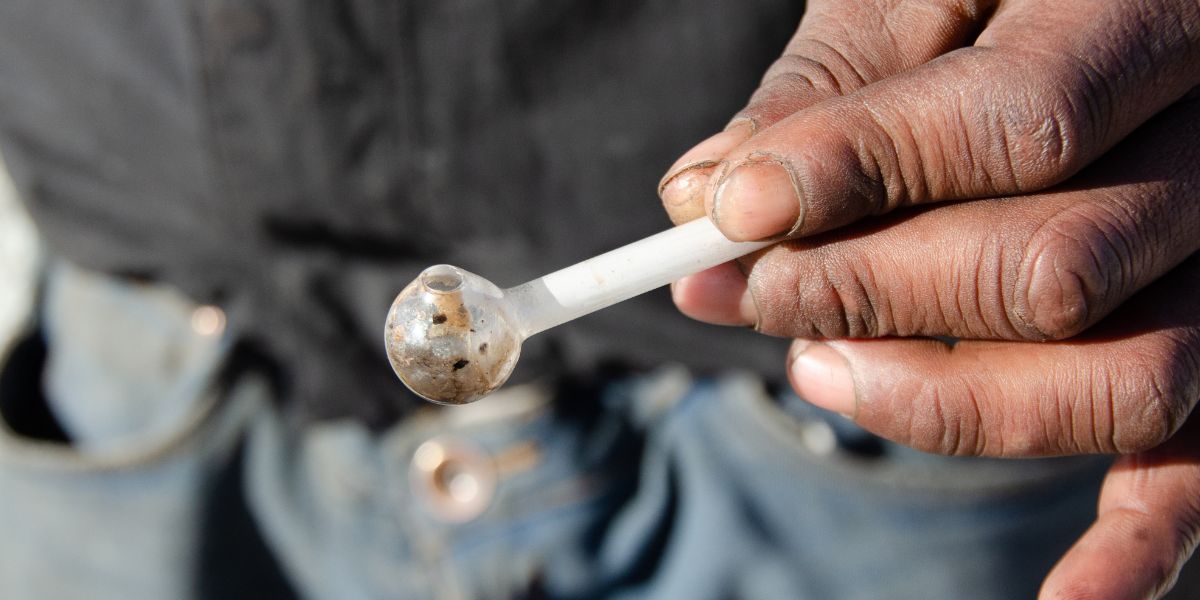

Methadone is a cornerstone of evidence-based addiction treatment. Used in medication-assisted treatment (MAT) programs for decades, methadone offers a lifeline to individuals recovering from opioid use disorder (OUD), helping them reduce cravings, suppress withdrawal, and regain control of their lives. When taken orally under medical supervision, methadone is safe, effective, and capable of supporting long-term recovery. But like any powerful medication, methadone can be misused—and one of the most dangerous forms of misuse is injection. While methadone is not typically formulated for injection, some people still attempt to do so, often with serious, life-threatening consequences. The question “Can you inject methadone?” is really a question about risk, desperation, and misunderstanding. In this blog post, we’ll explain why methadone is not meant to be injected, what the dangers of this misuse are, and how treatment and harm reduction strategies can save lives. Whether you’re a patient, a loved one, or someone navigating recovery, this guide offers the truth about methadone injection and the support available to break the cycle of misuse.
Table of Contents
ToggleWhat Is Methadone? A Brief Overview
Methadone is a full opioid agonist prescribed to treat opioid addiction and, in some cases, chronic pain. As a part of MAT, methadone helps stabilize individuals by:
-
Preventing opioid withdrawal symptoms
-
Reducing drug cravings
-
Blocking the euphoric effects of drugs like heroin and fentanyl
-
Supporting long-term behavioral change
Methadone works by binding to the brain’s opioid receptors, but it does so slowly and steadily. This long-acting nature allows for once-daily dosing and creates a stable, therapeutic blood level that keeps patients from experiencing highs and lows. Methadone is typically administered as a liquid, tablet, or diskette and is designed exclusively for oral use. It is not safe—or legal—to use methadone by any other route unless specifically approved by a healthcare provider in a hospital or pain management context.
Why People Try to Inject Methadone
Injecting methadone is not common among most patients in structured treatment programs. However, it does occur—especially in settings where:
-
People are acquiring methadone illicitly (not through a clinic)
-
Individuals have developed a tolerance to opioids and are chasing a stronger effect
-
The person has a history of intravenous (IV) drug use and is accustomed to injecting
-
Misinformation exists about how to increase methadone’s effects
People who inject methadone are often in the grips of addiction, trauma, and instability. For them, injecting feels like the only way to achieve the desired relief or euphoria. However, injecting methadone is far more dangerous than other forms of opioid misuse—and the risks begin with the medication’s very design.
Is Methadone Injectable? Technically, But Not Safely
While methadone can be formulated for intravenous use in medical settings, this version is highly regulated and carefully administered by trained professionals in sterile environments. The methadone used in outpatient treatment programs is not injectable. Most formulations are oral liquids or tablets that contain:
-
Sweeteners
-
Coloring agents
-
Preservatives
-
Thickening agents
-
Inactive binders and fillers
These ingredients are harmless when swallowed—but they become toxic or lethal when introduced directly into the bloodstream. Oral methadone is not sterile. It is not filtered for injection. It is not designed to dissolve completely in a syringe. Attempting to inject it introduces not just methadone into the body, but also a host of chemicals and particles that can cause immediate and long-term harm.
The Health Risks of Injecting Methadone
Injecting methadone—even just once—can lead to serious medical complications, including:
1. Vein Damage and Abscesses
Oral methadone contains particles and chemicals that can irritate or destroy vein walls. This can cause:
-
Collapsed veins
-
Infections at the injection site
-
Painful abscesses
-
Skin ulcers
These conditions can worsen quickly without medical treatment and often require surgical intervention or antibiotics.
2. Blood Clots and Embolism
Injecting non-sterile solutions can introduce debris into the bloodstream, leading to:
-
Deep vein thrombosis (DVT)
-
Pulmonary embolism (PE)
-
Stroke
-
Heart attack
Clots or particles can block blood flow to vital organs, potentially resulting in disability or death.
3. Endocarditis (Heart Infection)
Bacteria introduced through injection can settle on the heart’s valves, causing infective endocarditis. This life-threatening condition often requires:
-
IV antibiotics
-
Hospitalization
-
Valve replacement surgery
Even with treatment, endocarditis can cause permanent heart damage or death.
4. HIV, Hepatitis B and C
Using shared or unsterile needles significantly increases the risk of blood-borne infections. According to the CDC, injection drug use accounts for the majority of new hepatitis C cases in the U.S. Methadone misuse contributes to this crisis when not properly addressed through harm reduction and education.
5. Respiratory Depression and Overdose
Methadone has a long half-life (up to 36 hours), meaning it stays in the body much longer than its initial effects might suggest. Injecting methadone delivers the full dose at once, dramatically increasing the risk of:
-
Slow or stopped breathing
-
Coma
-
Fatal overdose
Because methadone builds up over time, repeated injections—even of what seems like a “safe” amount—can lead to cumulative toxicity.
Street Methadone and Diversion: A Recipe for Disaster
In regulated clinics, methadone is dispensed by licensed professionals who carefully track dosage, monitor side effects, and offer counseling. But methadone does appear on the black market, often diverted from legitimate patients or facilities. Street methadone:
-
Is often unlabeled or incorrectly dosed
-
May be cut with unknown substances
-
Is never sterile or safe for injection
-
Poses a high risk of overdose, especially for non-tolerant users
People who inject street methadone face the added danger of not knowing the exact dosage or formulation. What looks like a harmless pink liquid could be potent enough to stop someone’s breathing within minutes.
How Methadone Is Supposed to Be Taken
Methadone should only be taken as prescribed and under medical supervision. The three primary formulations used in MAT are:
-
Liquid: Typically dispensed at clinics in single daily doses. Designed to be swallowed and absorbed slowly through the digestive system.
-
Diskettes or tablets: Dissolved in water and taken orally.
-
Oral concentrate: A highly potent form diluted before administration.
These forms are never intended for injection. Patients in treatment programs are carefully monitored and may have to consume their doses on-site to prevent diversion or misuse. Over time, patients may earn “take-home” privileges based on progress, stability, and trust with their care team.
The Psychological Risk of Injection
Beyond the physical dangers, injecting methadone can reinforce psychological patterns linked to active addiction. Many people who inject drugs develop behavioral rituals and neurological responses tied to the act of injecting. These include:
-
Craving triggered by the sight of needles or paraphernalia
-
Reinforcement of compulsive behavior
-
Association of drug use with immediate relief or euphoria
Even if methadone doesn’t produce a high, the act of injecting it can reignite these patterns, increasing the risk of relapse into other substances. For people trying to build a life in recovery, staying away from injection behavior is an important milestone.
What to Do If You or Someone You Know Is Injecting Methadone
If you’re reading this and you’ve injected methadone—or you know someone who is—it’s not too late to get help. Here’s what to do:
1. Seek Medical Attention
If there are signs of infection (redness, swelling, pus), chest pain, or difficulty breathing, go to the emergency room immediately. Don’t wait. These symptoms can worsen rapidly.
2. Contact a Treatment Provider
Return to a licensed MAT program or addiction treatment center. Let them know what happened—without fear of judgment. Many programs are equipped to handle relapse, injection behavior, and medication misuse.
3. Explore Harm Reduction Resources
If stopping injection immediately isn’t possible, harm reduction programs can help reduce the risks. These include:
-
Needle exchange programs
-
HIV and hepatitis testing
-
Fentanyl test strips
-
Education on safer injection practices
These resources are not endorsements of drug use—they’re bridges to safety and, ultimately, recovery.
4. Address Underlying Mental Health Needs
Many people who inject methadone are dealing with unresolved trauma, depression, or anxiety. Connecting with a therapist, peer counselor, or psychiatrist can help get to the root of the behavior and find healthier coping tools.
5. Engage in Peer Support
Support groups like NA, SMART Recovery, or Methadone Anonymous offer understanding, encouragement, and accountability from people who’ve been there.
Can You Overdose from Injecting Methadone? Yes. Here’s Why.
Methadone’s long half-life makes it uniquely dangerous when misused. An overdose can happen hours after the injection due to cumulative effects on the respiratory system. Symptoms of methadone overdose include:
-
Slow or irregular breathing
-
Blue lips or fingernails
-
Pinpoint pupils
-
Extreme drowsiness or unconsciousness
-
Seizures
If someone is overdosing:
-
Call 911 immediately
-
Administer naloxone (Narcan) if available
-
Stay with the person and perform rescue breathing if trained
Naloxone may require multiple doses for methadone due to its long-lasting effects. Emergency care is essential, even if the person seems to recover.
The Legal Risks of Methadone Injection
Methadone is a Schedule II controlled substance. Injecting it without a prescription—or misusing a prescription—can result in:
-
Criminal charges for possession or distribution
-
Loss of take-home medication privileges
-
Removal from treatment programs
-
Custody or employment consequences
While the legal risks are real, most treatment providers aim to support—not punish—patients who relapse or misuse their medication. Honest communication is always the best first step.
Methadone Is Meant to Heal—Not Harm
When taken as prescribed, methadone helps people:
-
Rebuild relationships
-
Regain employment
-
Reduce criminal behavior
-
Improve mental and physical health
-
Stay alive
Injecting methadone undermines these goals. It puts recovery, health, and even life at risk. But if you or someone you care about has taken this path, there’s still hope. Recovery is always possible—no matter how many times you have to start over.
Actionable Takeaways
-
Methadone is not meant to be injected. Most oral formulations contain harmful additives not safe for IV use.
-
Injecting methadone can cause collapsed veins, abscesses, infections, blood clots, and death.
-
Overdose from methadone injection is more likely due to its long duration and accumulation in the body.
-
Injecting methadone is a sign that more support is needed—not a sign of failure. Reach out to your provider without fear of judgment.
-
Harm reduction services can save lives and serve as a bridge back to treatment.
-
Licensed methadone clinics offer safe, supervised, and stigma-free care tailored to your needs.
-
The goal of methadone is not to substitute addiction but to support recovery and rebuild a life worth living.
Conclusion
So, can you inject methadone? Technically, yes—but the better question is, should you? And the answer to that is a resounding no. Methadone was never designed to be injected. Doing so introduces a cocktail of harmful chemicals directly into your bloodstream, risking infections, blood clots, organ damage, and death. But the good news is that there’s a better way. Methadone, when taken as prescribed, can be a path to health, wholeness, and long-term recovery. If you’re struggling with methadone misuse, you’re not alone—and you don’t have to stay stuck. Help is available. You deserve a life free from fear, relapse, and the need to hide. You deserve a treatment plan built on safety, dignity, and hope. It’s never too late to start again.
Renew Health: Your Partner in Safe, Evidence-Based Methadone Care
Phone: 575‑363‑HELP (4357)
Website: www.renewhealth.com