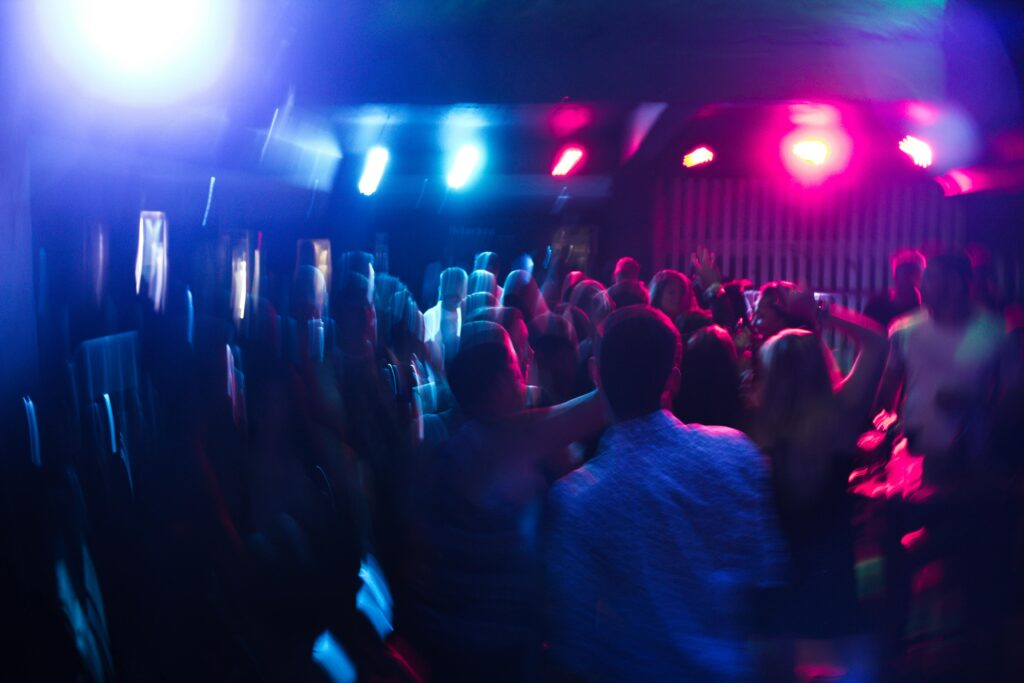
Club culture, music festivals, and party scenes often bring excitement, energy, and a sense of connection. Yet alongside the flashing lights and music, certain drugs circulate that carry real and sometimes deadly risks. These substances, commonly referred to as club drugs, include MDMA, GHB, and ketamine. While they are often associated with parties, dance floors, and raves, their effects reach far beyond a night out. They can cause serious physical and psychological harm, addiction, and even death. For families, communities, and young people navigating nightlife culture, understanding these substances is critical. This post will explain what MDMA, GHB, and ketamine are, how they affect the brain and body, why they are so dangerous, and what support is available for prevention and recovery.
What Are Club Drugs?
Club drugs are a group of substances commonly used in social settings such as nightclubs, bars, concerts, and parties. They are popular among young adults and are often linked to environments where people are seeking energy, connection, or altered states of consciousness. The most common are MDMA, also known as ecstasy or molly, GHB, often called liquid ecstasy, and ketamine, sometimes referred to as Special K. These drugs are appealing because they enhance sensory perception, reduce inhibitions, and create feelings of euphoria. However, their risks are often minimized or misunderstood. Club drugs are frequently mixed with alcohol or other substances, increasing the potential for harm. Because they are produced illegally, their purity and potency are unpredictable, making every use a gamble.
MDMA: The Party Pill with Hidden Risks
MDMA, short for 3,4-methylenedioxymethamphetamine, is a synthetic drug that acts as both a stimulant and a hallucinogen. It increases the release of serotonin, dopamine, and norepinephrine in the brain, creating feelings of euphoria, empathy, and heightened sensory perception. Users often feel more connected to others, which is why MDMA is sometimes called the love drug. MDMA typically comes in pill, capsule, or powder form and is taken orally. Its effects last three to six hours, though aftereffects can last much longer. Short-term risks include dehydration, overheating, teeth grinding, nausea, blurred vision, and anxiety. In crowded party environments, the risk of overheating and dehydration increases, sometimes leading to organ failure or death. Long-term risks involve damage to serotonin neurons, leading to depression, anxiety, memory problems, and difficulty regulating mood. Because MDMA floods the brain with serotonin, users often experience a crash afterward, marked by fatigue, sadness, and irritability. MDMA is also frequently cut with other substances such as methamphetamine, cocaine, or synthetic cathinones, making its effects unpredictable.
GHB: The Dangerous Sedative
Gamma-hydroxybutyrate, or GHB, is a central nervous system depressant. It is sometimes prescribed in medical settings for narcolepsy under the brand name Xyrem, but on the street it is known as liquid ecstasy or simply G. GHB is typically a colorless, odorless liquid sold in small vials or bottles. Its effects include relaxation, euphoria, and increased sociability. However, GHB is extremely dangerous because the difference between a recreational dose and an overdose is very small. Overdose can lead to vomiting, seizures, unconsciousness, respiratory depression, coma, and death. GHB is sometimes used as a date rape drug because it can cause sedation and memory loss, especially when combined with alcohol. This makes it particularly dangerous in nightlife environments where drinks may be left unattended. Tolerance and dependence can develop quickly. Withdrawal from GHB can be severe, with symptoms such as anxiety, tremors, insomnia, and in some cases, life-threatening complications.
Ketamine: The Dissociative Hallucinogen
Ketamine is a dissociative anesthetic originally developed for surgical use. In medical settings, it is still used for anesthesia and is being studied as a potential treatment for depression under controlled conditions. On the street, ketamine is often sold as a white powder that is snorted, though it can also be taken orally or injected. Its effects include detachment from reality, distorted perception, hallucinations, and feelings of floating or out-of-body experiences. At low doses, users may feel relaxed or euphoric. At higher doses, they may enter what is known as a K-hole, an intense dissociative state that can be terrifying and dangerous. Risks include confusion, memory loss, impaired coordination, and accidents. Long-term use can damage the bladder and urinary tract, leading to a condition known as ketamine bladder syndrome. Psychological dependence is also common, with users chasing dissociative effects despite consequences.
Why Club Drugs Are So Dangerous
Club drugs are dangerous for several reasons. First, they are often used in environments that increase risk, such as crowded clubs or outdoor festivals where dehydration, overheating, or lack of medical support make emergencies more likely. Second, they are rarely pure. Pills or powders sold as MDMA, GHB, or ketamine may contain other substances such as fentanyl, methamphetamine, or synthetic cathinones. Users often have no way of knowing what they are actually taking. Third, combining club drugs with alcohol or other substances dramatically increases the risk of overdose, accidents, or violence. Fourth, many users underestimate the addictive potential of these drugs. While not all are considered highly addictive in the same way as opioids, psychological dependence can develop, and withdrawal symptoms can occur. Finally, because these drugs impair judgment and coordination, they increase the likelihood of accidents, unsafe sex, and risky behaviors.
The Role of Fentanyl Contamination
One of the most alarming trends in the current drug crisis is the spread of fentanyl contamination. Fentanyl, a powerful synthetic opioid, has been found in counterfeit MDMA pills and even in ketamine supplies. This dramatically increases overdose risk, as many users of club drugs are not opioid tolerant and may not carry naloxone. Parents and communities should be aware that even drugs not traditionally associated with opioids may now carry this hidden danger.
Signs That Someone May Be Using Club Drugs
Families and friends should recognize the signs of club drug use. Physical signs include dilated pupils, teeth grinding, excessive sweating, dehydration, fatigue after parties, and unusual sleep patterns. Behavioral signs include sudden bursts of energy, mood swings, confusion, memory gaps, secrecy about activities, or unexplained financial problems. Social signs include frequent attendance at parties, new friend groups associated with nightlife, and risky behaviors. In some cases, signs may also include physical injuries or urinary problems linked to ketamine.
Short-Term and Long-Term Health Risks
In the short term, club drugs can cause dehydration, overheating, confusion, blackouts, accidents, and overdose. They can impair coordination, leading to falls, car crashes, or violence. They can also increase the risk of sexual assault, either because of impaired judgment or because substances like GHB are used to incapacitate victims. In the long term, MDMA can damage serotonin systems, leading to lasting mood and memory problems. GHB dependence can result in severe withdrawal syndromes. Ketamine can cause bladder damage, memory issues, and psychological dependence. Together, these risks paint a clear picture: club drugs are not harmless party enhancers but substances with the potential for devastating health outcomes.
Treatment for Club Drug Misuse
Treatment for club drug misuse depends on the substance and severity. Detox may be necessary, especially for GHB, where withdrawal can be life-threatening. Medical supervision is essential in these cases. Therapy is a cornerstone of recovery. Cognitive Behavioral Therapy helps individuals identify triggers and build healthier coping skills. Trauma-informed therapy addresses underlying issues such as anxiety or trauma that may have driven drug use. Group therapy and peer support provide connection and accountability. Currently, no FDA-approved medications exist specifically for MDMA, GHB, or ketamine addiction, but supportive care and integrated treatment are effective. Families should seek programs that address both substance use and mental health, as co-occurring disorders are common. Long-term recovery involves aftercare, relapse prevention planning, and support systems such as sober living environments.
The Role of Families in Recovery
Families can support recovery by encouraging treatment, offering compassion instead of judgment, and participating in family therapy. They can help create safe environments, reduce stigma, and support healthy routines. Families should also educate themselves about the risks of club drugs and stay alert to warning signs. By staying engaged, families provide motivation and stability for loved ones seeking recovery.
Prevention Strategies
Prevention begins with honest, age-appropriate conversations about drugs. Parents should talk with teens and young adults about the realities of MDMA, GHB, and ketamine, emphasizing both short-term and long-term risks. Schools and communities should provide accurate information rather than fear-based messages. Harm reduction strategies also play a role. While abstinence is the safest choice, harm reduction approaches such as drug checking, hydration, and access to naloxone save lives by reducing immediate risks. Communities can expand access to education, treatment, and resources.
Stories of Hope
Consider Anna, a college student who began using MDMA at parties. What started as occasional use became a pattern, and she struggled with depression after each crash. With therapy and support, she stopped using and rebuilt her emotional health. Or think of Mark, who misused ketamine heavily and developed bladder problems. After entering treatment and addressing underlying stress, he achieved recovery and is now an advocate for awareness. These stories show that while club drugs can cause harm, recovery is possible.
Frequently Asked Questions
What are club drugs? They are substances like MDMA, GHB, and ketamine often used in nightlife or party settings for their euphoric or dissociative effects. Why are they so dangerous? They are unpredictable in potency, often contaminated, and frequently combined with other substances, leading to overdose and long-term health issues. Can MDMA damage the brain? Yes. Long-term use damages serotonin systems, leading to depression, anxiety, and memory problems. Why is GHB so risky? The margin between a recreational dose and an overdose is very small, and it can cause sedation, coma, or death. What are the risks of ketamine? Risks include memory problems, bladder damage, psychological dependence, and accidents due to dissociation. Can naloxone reverse a club drug overdose? Naloxone works only on opioids. It will not reverse overdoses from MDMA, GHB, or ketamine, though it is still important in case fentanyl is present. What should families look for? Signs include dilated pupils, fatigue after parties, secrecy, new social circles, or unusual injuries. How is club drug addiction treated? Through medical supervision, therapy, group support, and integrated care that addresses mental health and substance use. Can people recover? Yes. Many achieve recovery through treatment, family support, and long-term care. How can parents talk to teens about these risks? Use open, nonjudgmental conversations that emphasize safety, listening, and facts.
Actionable Takeaways
Club drugs like MDMA, GHB, and ketamine are often viewed as part of nightlife culture, but they carry significant risks. They can cause short-term harm such as overdose, accidents, and blackouts, as well as long-term harm such as brain damage, bladder disease, and psychological dependence. They are often contaminated or combined with other substances, increasing unpredictability. Families should recognize warning signs, talk openly with young people, and seek treatment when needed. Prevention, education, and compassion are key.
Conclusion
The risks of club drugs extend far beyond a night of fun. MDMA, GHB, and ketamine may seem appealing in party settings, but their dangers are real and sometimes life-threatening. Families and communities must stay informed, have open conversations, and provide support for prevention and recovery. Addiction is not a moral failing but a medical condition that can be treated. With awareness, treatment, and compassion, people can recover from club drug misuse and rebuild healthier, safer lives.
Renew Health: Your Partner in Addiction Care
Phone: 575-363-HELP (4357)
Website: www.renewhealth.com