
In recent years, many people have turned toward natural alternatives to support mental health, stress management, and sleep. Among the most talked-about herbal options is kava, a traditional root from the South Pacific that has been used for centuries in ceremonial and social settings. Known for its calming and anxiety-reducing effects, kava is now gaining attention in Western medicine and wellness circles. But as interest grows, so do questions about safety, effectiveness, and the true science behind this plant. What are the real health benefits of kava, how does it work in the body, and can it play a meaningful role in recovery or stress relief programs?
What Is Kava and Where Does It Come From
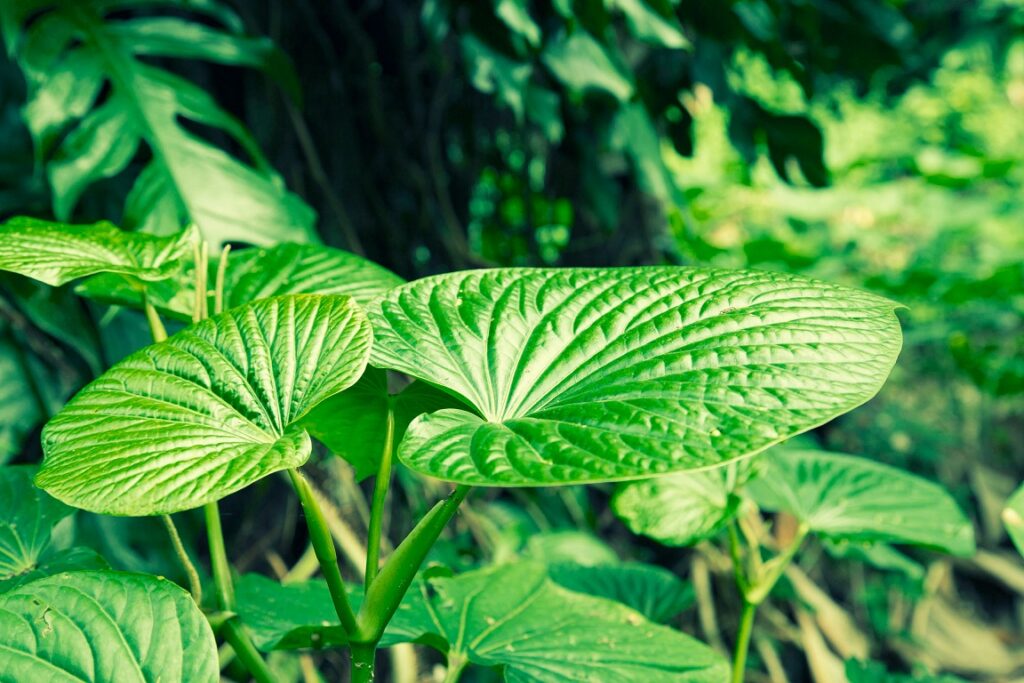
Kava, also known as Piper methysticum, is a tropical plant native to islands in the South Pacific, including Fiji, Vanuatu, Tonga, and Samoa. For centuries, it has been used by Pacific Islanders in social and spiritual ceremonies, often consumed as a drink made from the root. Traditionally, kava symbolizes peace, relaxation, and community. In recent decades, it has been introduced to Western countries as a natural supplement for anxiety relief, mood balance, and sleep improvement.
The active compounds in kava are called kavalactones. These molecules interact with brain receptors that influence mood, stress, and muscle relaxation. Kavalactones are believed to promote a sense of calm without impairing cognitive function or alertness, which makes kava appealing to people seeking relief from stress or anxiety without sedation.
Understanding How Kava Works in the Brain
Kava acts primarily on the gamma-aminobutyric acid (GABA) system, one of the brain’s main calming neurotransmitter networks. GABA reduces neuronal excitability, helping to slow down an overactive mind and body. Kavalactones enhance GABA activity, producing a mild sedative effect similar to but gentler than certain anti-anxiety medications.
In addition, kava may affect dopamine and serotonin pathways, both of which play a role in mood regulation and reward processing. This interaction contributes to kava’s ability to ease anxiety while promoting a subtle sense of well-being. Some studies suggest that kava may also reduce the body’s stress hormone cortisol, supporting better emotional balance and physical relaxation.
The Documented Health Benefits of Kava
Modern research has confirmed several potential health benefits of kava. While studies are ongoing, evidence suggests it can provide measurable relief for anxiety, improve sleep quality, support relaxation, and even serve as an alternative for mild mood disorders. Let’s explore these in detail.
1. Anxiety and Stress Relief
One of the most well-documented health benefits of kava is its ability to reduce anxiety. A 2020 meta-analysis published in Frontiers in Psychiatry found that kava extracts produced significant improvements in generalized anxiety symptoms compared to placebo. Unlike many prescription medications, kava’s calming effects occur without impairing alertness or concentration, making it a popular option for daytime use.
People who experience chronic stress or situational anxiety report that kava helps calm racing thoughts and physical tension. For individuals in addiction recovery, where anxiety is a common relapse trigger, kava can offer a natural tool for stress regulation under medical supervision.
2. Improved Sleep Quality
Kava may also promote better sleep by calming the nervous system and relaxing the body. Unlike prescription sleep medications, it doesn’t induce deep sedation or disrupt sleep architecture. Instead, it helps the body naturally transition into rest. Research published in Phytotherapy Research in 2022 found that participants who took kava supplements reported shorter time to fall asleep and improved sleep quality after four weeks.
Renew Health clinicians often emphasize the importance of sleep hygiene for mental health and addiction recovery. By reducing anxiety and quieting the mind, kava may support healthy sleep patterns for individuals experiencing insomnia related to stress or withdrawal.
3. Muscle Relaxation and Physical Calm
Kava’s muscle-relaxing properties stem from its ability to reduce electrical activity in nerve cells. This can relieve physical tension in the shoulders, neck, and jaw—common areas where stress accumulates. For people recovering from addiction, who often experience muscle tightness during detox or early sobriety, kava’s calming effects may offer comfort when used responsibly and under professional guidance.
4. Support for Mood and Emotional Balance
Kava may also have mood-enhancing properties. Some research suggests it can boost dopamine transmission in certain brain regions, improving motivation and outlook without the stimulating effects of caffeine or other mood-altering substances. Users often describe a sense of calm clarity and emotional steadiness after drinking kava tea or taking standardized supplements.
5. Potential Role in Addiction Recovery
While not a replacement for medical treatment, kava may play a supportive role in addiction recovery. Many people in early sobriety struggle with anxiety, insomnia, and restlessness as the brain recalibrates. Because kava works on similar neurotransmitter systems as alcohol and some anti-anxiety drugs, it can provide mild relief without intoxication or risk of dependence when used appropriately.
A 2019 review in Drug and Alcohol Review suggested that kava might be a promising adjunct therapy for individuals managing alcohol withdrawal or anxiety associated with recovery. However, it should always be used under medical supervision to ensure safety and avoid interactions with prescribed medications.
How to Use Kava Safely
Kava is available in several forms, including powdered root, capsules, teas, and tinctures. Traditional kava drinks are made by mixing ground root with water and straining it to create a thick, earthy beverage. When using kava supplements, it’s important to choose standardized extracts that specify the kavalactone content, as quality and potency can vary widely among brands.
Recommended dosages depend on the product and purpose. For general relaxation or mild anxiety, typical doses range from 100 to 300 milligrams of kavalactones per day. However, because kava can affect liver function in some cases, it’s crucial to follow dosage guidelines and consult a healthcare provider before use.
Safety and Side Effects
While kava is generally well-tolerated, high doses or poor-quality products can cause side effects such as dizziness, nausea, dry mouth, or mild digestive upset. Rarely, excessive or prolonged use has been linked to liver toxicity. The cause of these reactions remains debated, as traditional water-based preparations used in Pacific cultures show minimal liver risks, whereas some concentrated extracts made with chemical solvents appear more problematic.
To stay safe, users should:
-
Avoid combining kava with alcohol or other sedatives.
-
Use reputable brands that test for purity and heavy metals.
-
Take regular breaks from use to give the liver time to rest.
-
Consult a doctor before combining kava with medications for anxiety, depression, or sleep.
Renew Health clinicians emphasize that while natural remedies can be helpful, they should never replace prescribed treatment or therapy. Kava can be a supplement to wellness—not a substitute for evidence-based care.
Comparing Kava to Other Natural Remedies
Kava is often compared to other calming herbs such as valerian root, chamomile, and ashwagandha. Each has unique properties, but kava tends to act faster and more directly on the nervous system. Valerian promotes relaxation primarily through GABA modulation, chamomile offers gentle anti-inflammatory effects, and ashwagandha reduces stress hormones and supports energy balance. Kava’s combination of calming and mood-lifting effects makes it distinct.
However, it’s essential to remember that herbal remedies vary in potency and individual response. What works for one person may not work for another. Combining lifestyle changes—like exercise, meditation, and therapy—with herbal support yields the best outcomes.
Kava’s Role in Mental Health and Stress Management
Anxiety and chronic stress are among the most common challenges in modern life. Kava’s ability to reduce nervous tension makes it a potential ally in promoting overall mental wellness. Many patients find that using kava tea in the evening helps them unwind after long, stressful days, promoting a sense of calm presence.
For individuals recovering from addiction or managing co-occurring anxiety disorders, stress management is critical. Kava may complement therapeutic approaches such as Cognitive Behavioral Therapy (CBT) or mindfulness training. It can help make relaxation accessible without turning to alcohol or other substances that provide temporary relief but long-term harm.
Cultural Significance of Kava
Beyond its biochemical effects, kava holds deep cultural meaning. In Pacific Island societies, drinking kava together fosters connection, peace, and open dialogue. Ceremonies often begin with kava to mark respect and unity. This social aspect reflects one of the most profound health benefits of kava—the ability to bring people together in community and calm.
This principle aligns closely with Renew Health’s philosophy: recovery and wellness thrive in connection. Whether through therapy, group sessions, or community gatherings, shared experiences reduce isolation and strengthen resilience.
Modern Science and the Future of Kava Research
Kava continues to attract scientific interest for its potential therapeutic applications. Ongoing studies are examining its effects on anxiety, depression, chronic pain, and even neurodegenerative conditions. Preliminary findings suggest that certain kavalactones may have anti-inflammatory and neuroprotective properties. Researchers are also exploring how to refine kava extracts to enhance safety and efficacy while maintaining its traditional benefits.
As with many plant-based medicines, standardization and regulation remain key challenges. Renew Health supports evidence-based exploration of natural therapies, recognizing their potential to complement modern medicine when guided by research and clinical expertise.
Integrating Kava into a Wellness Routine
For those interested in exploring the health benefits of kava, consider integrating it mindfully into your wellness plan:
-
Start with low doses and monitor your body’s response.
-
Use traditional or water-based preparations for safety.
-
Pair kava with stress-reduction techniques like deep breathing or gentle stretching.
-
Avoid daily use for long periods; take rest days for liver health.
-
Discuss your plan with a healthcare professional, especially if you take medications.
By treating kava as one part of a holistic lifestyle—alongside therapy, good nutrition, movement, and social support—you can maximize its benefits while maintaining balance.
Potential Drawbacks and Who Should Avoid Kava
Kava may not be suitable for everyone. People with liver disease, those who take medications metabolized by the liver, or pregnant or breastfeeding individuals should avoid it. Additionally, those with a history of alcohol misuse should consult a doctor before trying kava, as combining the two can stress the liver.
Renew Health’s clinicians take these risks seriously and encourage patients to disclose all supplements during treatment planning. Transparency ensures safety and prevents dangerous interactions.
The Mind-Body Connection and Natural Healing
One of the reasons kava resonates with so many is its ability to harmonize the mind and body. When stress levels drop, physical health often improves. Lower cortisol means better sleep, digestion, and immune function. For people rebuilding their health after substance use or burnout, natural remedies like kava can be part of the bridge between chaos and calm.
The health benefits of kava remind us that healing doesn’t always require drastic measures. Sometimes, it begins with small, consistent choices—like taking a mindful moment, breathing deeply, or sipping something that connects us back to nature’s rhythm.
Actionable Takeaways for Safe Kava Use
-
Choose reputable sources that use traditional preparation methods.
-
Limit use to several times per week rather than daily.
-
Avoid mixing kava with alcohol or sedative medications.
-
Consult a medical provider before starting any herbal supplement.
-
Incorporate kava into a broader plan for stress management, therapy, and lifestyle wellness.
Conclusion: A Calmer Way Forward
Exploring the health benefits of kava offers insight into both ancient wisdom and modern science. This root has supported relaxation and connection for centuries, and today, it continues to inspire those seeking balance in a fast-paced world. Used responsibly, kava can complement mental health and recovery programs, offering a natural path to peace without dependency.
At Renew Health, we believe in evidence-based care that respects both tradition and innovation. Whether you are managing stress, recovering from addiction, or simply striving for better well-being, understanding your options empowers you to make informed choices. True healing begins when body and mind work together—and sometimes, that partnership starts with something as simple as a calming cup of kava.
Renew Health: Your Partner in Whole-Person Wellness
Phone: 575-363-HELP (4357)
Website: www.renewhealth.com