For many people struggling with opioid addiction, the first and hardest step is asking for help. But once that decision is made, another question often follows: how can I afford treatment? The good news is that cost should never stand between you and recovery. Across the United States, options like state-funded programs and nonprofit organizations make it possible to begin treatment at a free methadone clinic or through subsidized medication-assisted therapy. This guide explains how methadone works, why it remains one of the most effective recovery tools available, and how to locate programs that provide care even if you can’t pay out of pocket.
Understanding Methadone and How It Works
Methadone is a long-acting medication used to treat opioid use disorder. It works by binding to the same receptors in the brain that opioids like heroin, fentanyl, and prescription painkillers activate. However, instead of producing the euphoria that drives addiction, methadone stabilizes the brain and prevents withdrawal symptoms. This allows people to live, work, and function normally without experiencing the highs and lows of opioid use.
Methadone was first approved for addiction treatment in the 1960s and has since helped millions achieve stability. The World Health Organization (WHO) lists it as an essential medication for opioid dependence, and decades of research confirm its effectiveness. According to the National Institute on Drug Abuse (NIDA), patients who receive methadone maintenance therapy are 50 percent more likely to stay in treatment and 60 percent less likely to die from overdose compared to those not receiving medication.
Why Access to Methadone Matters
Opioid addiction alters the brain’s chemistry, making it extremely difficult to quit without support. Methadone helps by reducing cravings and normalizing brain function. Without it, many people relapse during withdrawal because the discomfort becomes overwhelming. The medication also blocks the effects of other opioids, preventing relapse from turning into a fatal overdose.
Unfortunately, many individuals who need treatment hesitate because they believe they can’t afford it. Others live in areas where services are limited. Finding a free methadone clinic can make all the difference, turning recovery from a distant goal into an immediate possibility.
What Is a Free Methadone Clinic
A free methadone clinic is a treatment facility that provides methadone at no cost to eligible patients. These clinics are often funded by state health departments, local governments, or federal grants. Some are operated by nonprofit organizations or community health centers. Eligibility typically depends on income level, insurance status, or enrollment in public health programs such as Medicaid.
At a free methadone clinic, patients receive the same evidence-based care as at private facilities. This includes medical assessments, dosing supervision, counseling, and follow-up support. The goal is to remove financial barriers so that anyone motivated to recover can begin treatment immediately.
Who Qualifies for Free Methadone Treatment
Eligibility requirements vary by location, but many programs prioritize individuals who:
-
Are uninsured or underinsured
-
Meet low-income thresholds set by state or federal guidelines
-
Are pregnant or parenting and need treatment urgently
-
Are enrolled in Medicaid or other state-funded insurance programs
-
Are referred through public health or criminal justice systems
Some clinics also accept patients on a sliding scale, meaning payment is adjusted based on ability to pay. Even if you don’t qualify for full assistance, you may still receive discounted care.
How to Find a Free Methadone Clinic Near You
If you’re searching for a free methadone clinic, here are steps to locate one quickly and safely:
-
Use the SAMHSA Treatment Locator: The Substance Abuse and Mental Health Services Administration offers an online directory of certified opioid treatment programs. You can search by city, ZIP code, and filter for clinics that accept Medicaid or offer sliding-scale payments.
-
Call State Health Departments: Many states have addiction services hotlines that provide referrals to publicly funded clinics.
-
Contact Local Community Health Centers: Federally Qualified Health Centers (FQHCs) often partner with methadone programs or offer referrals to free or low-cost options.
-
Ask for Help from Renew Health: Our care coordinators can help identify local clinics, confirm eligibility, and connect you with telehealth support for counseling and ongoing care.
-
Check Nonprofit and Faith-Based Organizations: Some nonprofits offer vouchers or grants to cover the cost of medication-assisted treatment.
If transportation is a barrier, some programs offer mobile dosing services or work with telemedicine partners to ensure continuity of care.
What to Expect When You Visit a Methadone Clinic
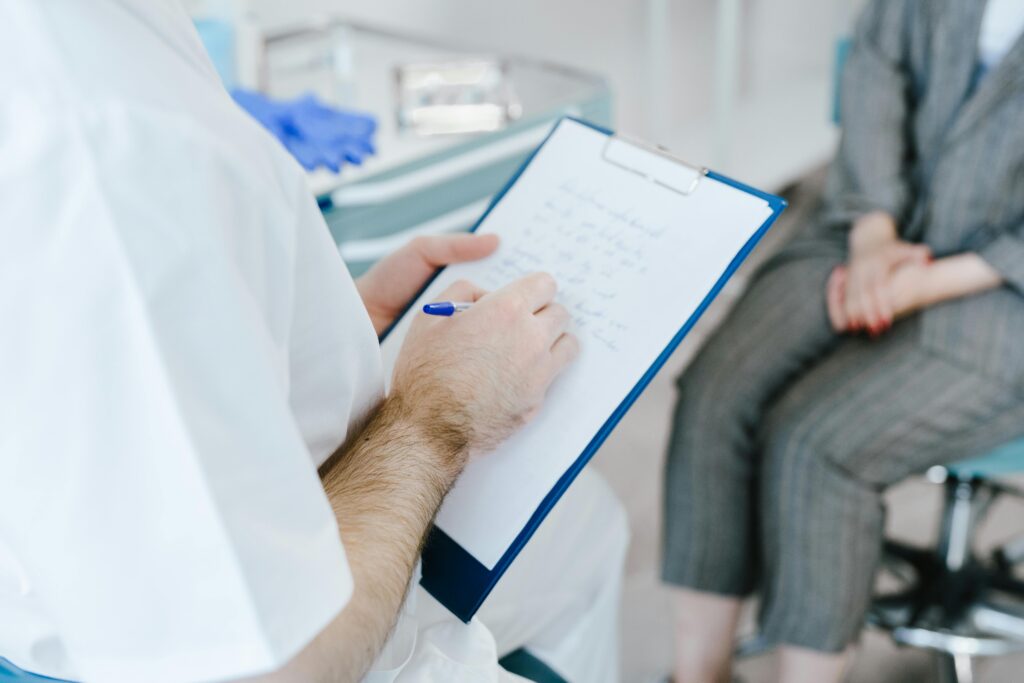
Your first visit to a methadone clinic typically includes an intake assessment, physical exam, and urine drug screen. This helps the medical team determine your current level of opioid dependence and any underlying health issues. Once approved, you’ll receive your first supervised dose of methadone.
In the early stages of treatment, daily visits are required to ensure correct dosing and monitor for side effects. As you demonstrate stability, you may earn take-home privileges, allowing you to pick up doses less frequently. Throughout the process, you’ll participate in counseling and therapy to address emotional and behavioral aspects of addiction.
Free methadone clinics provide the same structured approach as paid programs, including case management, peer support, and relapse prevention education.
How Methadone Supports Long-Term Recovery
Methadone is not a cure for addiction, but it is a powerful tool for recovery. By preventing withdrawal and blocking cravings, it allows the brain to heal and restores the ability to function in daily life. Over time, patients can focus on rebuilding relationships, pursuing employment, and addressing underlying mental health issues.
Studies show that patients who remain in methadone treatment for at least one year experience significantly lower relapse rates. Some choose to stay on maintenance therapy for years, while others eventually taper off under medical supervision. The length of treatment is less important than the quality of stability achieved.
The Role of Counseling in Methadone Programs
Medication alone cannot heal addiction. That’s why free methadone clinics incorporate counseling and therapy into their programs. Counseling helps patients understand triggers, develop coping skills, and process the emotional roots of addiction.
Common approaches include Cognitive Behavioral Therapy (CBT), Motivational Interviewing (MI), and trauma-informed care. Group therapy provides peer support and accountability, while individual sessions focus on personal goals. Renew Health partners with methadone clinics to provide telehealth therapy options, making it easier for patients to access consistent emotional support.
Breaking the Stigma Around Methadone Treatment
Despite decades of research proving its effectiveness, methadone still faces stigma. Some people wrongly believe that taking methadone means you are not “truly sober.” In reality, methadone helps individuals live normal, productive lives without the chaos of addiction.
At Renew Health, we emphasize that recovery is not about abstinence alone—it’s about reclaiming stability, health, and purpose. Methadone treatment provides a foundation for rebuilding life. Stigma fades when people see the reality: patients thriving at work, reconnecting with families, and contributing to their communities.
The Difference Between Methadone and Other Treatments
Methadone is one of three FDA-approved medications for opioid use disorder, alongside buprenorphine (Suboxone) and naltrexone (Vivitrol). Each works differently:
-
Methadone fully activates opioid receptors to relieve withdrawal and cravings.
-
Buprenorphine partially activates receptors, providing stability with a lower overdose risk.
-
Naltrexone blocks opioid receptors completely, preventing any opioid effect.
The choice between these medications depends on medical history, severity of addiction, and personal preference. Methadone is often preferred for individuals with long-term or high-dose opioid use because it offers more complete symptom control.
How Renew Health Supports Patients Seeking Methadone Treatment
Renew Health provides comprehensive support for individuals starting or maintaining methadone treatment. While methadone must be dispensed in person, our telehealth services offer counseling, behavioral therapy, and case management that complement clinic-based care.
We also help patients identify local methadone providers, verify insurance coverage, and access financial aid for those in need. Our mission is to remove barriers to care—whether they are logistical, financial, or emotional.
How to Pay for Treatment if You Don’t Qualify for Free Care
If you don’t qualify for a fully free methadone clinic, don’t lose hope. Many programs offer sliding-scale fees, accept Medicaid, or provide payment plans. Some states also use opioid settlement funds to cover the cost of medication-assisted treatment for uninsured residents.
Renew Health’s care coordinators can help navigate these options and connect you with funding sources or charitable grants that cover treatment expenses. Financial barriers should never delay recovery.
Why Methadone Saves Lives
Opioid overdoses remain a leading cause of preventable death in the United States. Methadone reduces the risk of overdose by keeping opioid receptors occupied in a safe, controlled way. It also decreases cravings, lowering the likelihood of relapse.
A 2023 study in JAMA Psychiatry found that patients maintained on methadone were 59 percent less likely to die from overdose compared to those who discontinued treatment. The evidence is clear: methadone saves lives, improves mental health, and strengthens families.
Stories of Renewal and Recovery
Consider Carla, who struggled with heroin addiction for nearly a decade. Without insurance or stable housing, she thought treatment was out of reach until she found a free methadone clinic through her local health department. Within weeks, her withdrawal symptoms subsided, and she began attending therapy. Two years later, she’s working full-time and helping others find recovery resources.
Or think of Juan, a father who feared losing custody of his children due to opioid use. He entered a state-funded methadone program, received free counseling, and gradually rebuilt his life. Today, he has full custody of his kids and volunteers at a community center to support others in recovery.
Actionable Steps to Begin Treatment Now
-
Search online or call SAMHSA’s helpline at 1-800-662-HELP to locate free methadone clinics in your area.
-
Contact Renew Health for personalized assistance in finding local or telehealth-supported programs.
-
Gather any identification or income documents required for eligibility.
-
Schedule an intake assessment and begin treatment immediately.
-
Stay engaged with counseling and aftercare to maintain progress.
The Future of Accessible Addiction Care
Advances in telemedicine and funding are making methadone more accessible than ever. Policy changes have expanded take-home privileges and increased federal support for low-cost programs. Renew Health continues to advocate for equitable access, ensuring that financial hardship never stands between someone and recovery.
As stigma declines and awareness grows, the concept of a free methadone clinic represents more than affordability—it represents inclusion, compassion, and opportunity.
Conclusion: Recovery Should Never Be Out of Reach
A free methadone clinic can be the doorway to hope, stability, and freedom from addiction. Financial challenges should not define your future or limit your access to care. With the right support, anyone can begin recovery today. Methadone provides the stability needed to heal, and compassionate programs make it accessible to everyone who needs it.
At Renew Health, we believe treatment should be available to all, regardless of income or insurance status. Whether you are just starting your recovery journey or returning for continued care, help is closer than you think. The path to healing begins the moment you reach out.
Renew Health: Your Partner in Accessible Methadone Care
Phone: 575-363-HELP (4357)
Website: www.renewhealth.com