
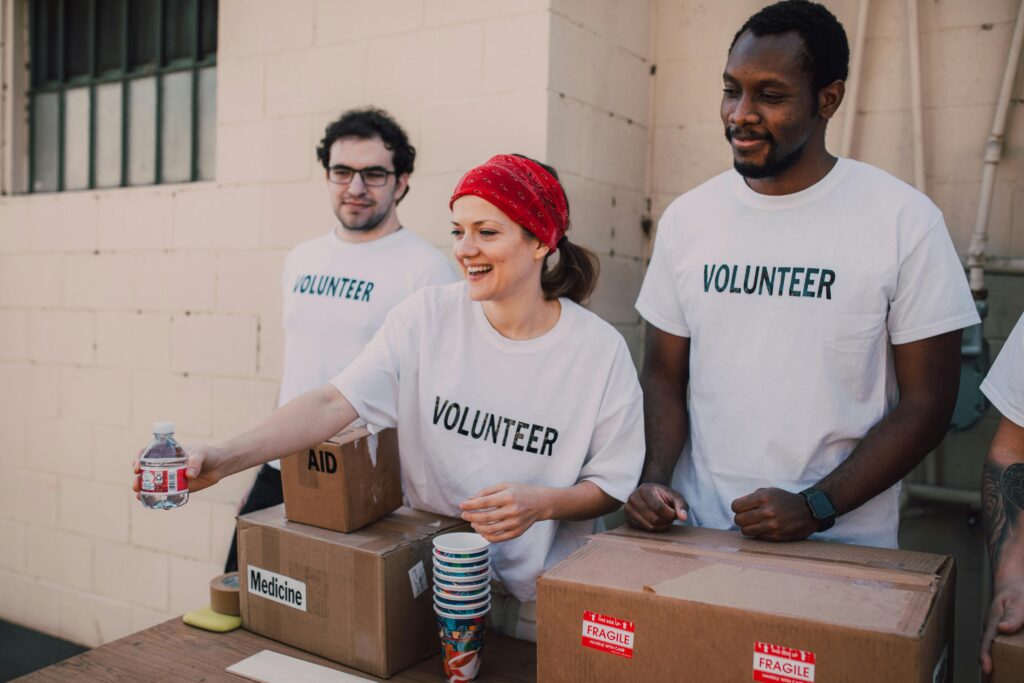
Sobriety is not just about giving something up—it is about building something new. Recovery from addiction requires more than abstaining from substances; it calls for creating meaning, purpose, and connections that sustain a healthier lifestyle. One of the most powerful and often overlooked tools for staying sober is volunteering. Giving back to others can transform the way people in recovery see themselves, shifting their identity from one of guilt or shame to one of value and contribution. Volunteering provides structure, accountability, community, and fulfillment, all of which are critical for maintaining long-term sobriety. It offers opportunities to replace destructive habits with positive ones and to build new relationships rooted in service rather than substance use. This blog explores the many ways volunteering helps in staying sober, highlighting research findings, real-life examples, and actionable strategies. We will also examine the role of volunteering in reducing stigma, strengthening communities, and reinforcing the foundations of recovery.
Why Volunteering Supports Sobriety
Volunteering addresses some of the deepest challenges in recovery: isolation, lack of purpose, and low self-esteem. Addiction thrives in environments where individuals feel disconnected or worthless. Sobriety, on the other hand, flourishes when people feel useful, connected, and purposeful. Volunteering provides exactly that. By contributing time and energy to causes that matter, individuals in recovery experience a sense of accomplishment and pride. They realize they are not defined by their past mistakes but by their present actions. This shift in identity is essential for maintaining motivation and resilience in sobriety. Volunteering also provides accountability, since showing up for a cause or team creates responsibility beyond oneself.
The Psychological Benefits of Volunteering in Recovery
Research shows that volunteering improves mental health, lowering rates of depression and anxiety. For people in recovery, these benefits are especially important because mental health challenges often fuel substance use. Volunteering provides a natural mood boost by increasing dopamine and oxytocin levels, which are linked to feelings of reward and connection. It also helps reduce stress by shifting focus away from personal struggles toward the needs of others. Psychologists call this the “helper’s high”—the sense of well-being that comes from giving back. For someone in recovery, the helper’s high can serve as a healthier replacement for the temporary escape once sought in substances.
Building Structure Through Volunteering
One of the greatest challenges in early sobriety is filling the time once spent using substances. Idle time can lead to cravings, boredom, or relapse. Volunteering helps fill that void with meaningful activity. Whether it is serving meals at a shelter, mentoring youth, or helping at an animal rescue, volunteering creates structure and routine. It provides a reason to get up, get out of the house, and engage with others. This routine is vital, particularly in the first year of recovery, when building consistent daily habits can make the difference between relapse and long-term success.
Volunteering as a Way to Rebuild Identity
Addiction often shatters a person’s sense of identity. Many in recovery describe feeling as though they lost themselves during their years of substance use. Volunteering provides a pathway to rediscovering and rebuilding identity. By contributing to a cause, individuals begin to see themselves not as “addicts” but as mentors, helpers, teachers, or leaders. This redefined sense of self creates pride and hope for the future. For example, someone who volunteers at a local literacy program may come to see themselves as an advocate for education. These new roles replace old labels and reinforce sobriety by aligning identity with positive contributions.
Strengthening Social Connections Through Volunteering
Isolation is a major risk factor for relapse. Volunteering counters this by building social connections. People who volunteer become part of a team, whether in a community project, a nonprofit organization, or a peer mentorship program. These connections reduce loneliness and create a sense of belonging. Importantly, these new relationships are grounded in service, not substances. They expand social networks in healthy directions, surrounding individuals with like-minded people who share values of compassion and growth. For many, the friendships formed through volunteering become part of their long-term support system.
How Volunteering Reinforces Accountability
In recovery, accountability is key. Volunteering naturally creates accountability because others depend on your presence and contribution. When someone commits to a volunteer role, they know that showing up matters—not just for themselves but for those they serve. This external responsibility can be a powerful motivator to stay sober, especially on difficult days. It also mirrors the accountability structures found in recovery programs, reinforcing habits of consistency and reliability. Over time, accountability through volunteering strengthens self-discipline and resilience.
Stories of Sobriety Sustained Through Volunteering
Consider the story of Emily, who began volunteering at an animal shelter during her first year of recovery. Caring for abandoned pets gave her a sense of responsibility and purpose that replaced the emptiness she once filled with alcohol. Or Marcus, who after recovering from opioid addiction began mentoring teens in a community center. Seeing himself as a role model motivated him to maintain sobriety. These stories reflect a common truth: volunteering is not just about helping others; it is about healing oneself. Each story demonstrates how service transforms both giver and receiver, creating a cycle of growth and gratitude.
Volunteering as a Pathway to Career Growth
Volunteering can also serve as a bridge to employment and career growth. Many people in recovery face challenges re-entering the workforce due to employment gaps or criminal records. Volunteering provides opportunities to build skills, gain experience, and demonstrate reliability. It can lead to job offers, references, and expanded professional networks. For example, someone who volunteers at a food bank may discover an interest in social work, eventually pursuing education and employment in that field. In this way, volunteering not only supports sobriety but also opens doors to meaningful career paths.
Volunteering and Spiritual Growth
For many people, recovery is not just physical and emotional but also spiritual. Volunteering often nurtures this spiritual dimension. Acts of service cultivate gratitude, humility, and compassion—values that align with many recovery philosophies, including 12-step programs. Volunteering reminds individuals that they are part of something larger than themselves. It connects them to a sense of purpose and meaning that transcends individual struggles. This spiritual renewal can be a powerful anchor in long-term sobriety.
The Role of Peer-Led Volunteering in Recovery
Recovery communities frequently organize peer-led volunteer projects. These initiatives combine the power of community support with the benefits of service. Examples include recovery groups organizing neighborhood cleanups, hosting food drives, or volunteering at treatment centers. Peer-led volunteering provides double reinforcement: participants strengthen their sobriety while serving alongside others who understand their journey. It fosters unity, accountability, and collective pride. Many people report that volunteering with peers in recovery deepens their bonds and helps sustain long-term motivation.
Volunteering as a Way to Break Stigma
Stigma is one of the heaviest burdens for people in recovery. Volunteering helps combat stigma by demonstrating that people in recovery are valuable contributors to society. When communities see individuals in recovery serving, leading, and giving back, stereotypes begin to break down. This shift not only benefits the individual but also paves the way for greater acceptance and support of recovery efforts. Each act of service becomes a public declaration that recovery is possible and that people in sobriety are assets to their communities.
Overcoming Barriers to Volunteering
Not everyone in recovery feels ready to volunteer. Some worry about rejection, while others feel they have little to offer. In reality, volunteer opportunities exist for all skill levels and backgrounds. Small acts, like helping at a local food pantry or assisting with event setup, are just as meaningful as larger roles. Recovery organizations can help by connecting individuals with accessible opportunities and providing encouragement. It is also important for people in recovery to start at their own pace—choosing roles that align with their strengths and comfort levels. Over time, as confidence grows, so will the willingness to take on more responsibility.
Actionable Takeaways for Using Volunteering in Sobriety
• Seek volunteer opportunities that align with your passions or skills
• Start small with manageable commitments and expand over time
• Join recovery groups that organize volunteer activities
• Use volunteering as a way to fill idle time and create structure
• View volunteering as part of rebuilding identity and self-worth
• Consider how volunteering might open pathways to future career growth
• Remember that every act of service, no matter how small, reinforces sobriety
Conclusion
Sobriety is not sustained by abstinence alone. It requires purpose, accountability, connection, and growth. Volunteering provides all of these elements in one powerful package. By serving others, people in recovery find new meaning in their lives, rebuild their identities, and strengthen the foundations of long-term sobriety. Volunteering creates structure, reduces isolation, and offers emotional and spiritual rewards that reinforce sobriety day after day. It is not just about giving back—it is about moving forward. For anyone in recovery seeking tools to maintain sobriety and find fulfillment, volunteering is one of the most transformative steps they can take.
FAQ: How Volunteering Helps in Staying Sober
Why is volunteering beneficial for people in recovery?
It provides purpose, structure, social connection, and self-esteem, all of which support long-term sobriety.
What types of volunteer opportunities are good for people in recovery?
Any opportunity that aligns with personal interests, such as working with animals, helping at food banks, mentoring, or community cleanups.
Can volunteering really prevent relapse?
Yes. By reducing isolation, filling idle time, and creating accountability, volunteering lowers the risk of relapse.
Does volunteering help with mental health?
Yes. Studies show that volunteering reduces stress, lowers depression, and boosts overall well-being, which is especially helpful in recovery.
Can volunteering help with finding a job?
Absolutely. It builds skills, fills resume gaps, provides references, and sometimes leads directly to job offers.
What if someone feels they have nothing to offer?
Everyone has something to contribute. Even small acts of service make a difference and can build confidence over time.
How does volunteering help families of people in recovery?
Families who volunteer together strengthen bonds, reduce stigma, and share in the positive aspects of recovery.
Is volunteering part of formal treatment programs?
Some recovery programs incorporate service as a key component, recognizing its value in building purpose and accountability.
Does volunteering help reduce stigma about addiction?
Yes. When communities see people in recovery contributing meaningfully, it challenges stereotypes and builds acceptance.
How can someone in early recovery start volunteering?
Begin with small commitments, seek opportunities through recovery organizations, and choose roles that feel comfortable and manageable.
Renew Health: Your Partner in Recovery Care
Phone: 575-363-HELP (4357)
Website: www.renewhealth.com