
When someone is ready to stop using opioids, one of the first and most urgent questions they often ask is is methadone free for addicts. Methadone is a life-saving medication that helps people overcome opioid addiction by reducing withdrawal symptoms and cravings, allowing them to rebuild stability and health. However, the cost of treatment can be a concern for individuals who are unemployed, uninsured, or financially struggling as a result of addiction. The good news is that methadone treatment is more accessible and affordable than many people realize—and in some cases, it can be free. This guide explains how methadone programs work, who qualifies for free treatment, how insurance coverage applies, and what resources are available to help anyone get the care they need.
What Is Methadone and How It Helps in Addiction Recovery
Methadone is a long-acting opioid agonist medication used in Medication-Assisted Treatment (MAT) for opioid use disorder. It works by binding to the same receptors in the brain that opioids like heroin, fentanyl, and oxycodone target, but it does so in a controlled and stable way. This prevents the painful withdrawal symptoms and intense cravings that drive continued opioid use while blocking the euphoric effects of other opioids.
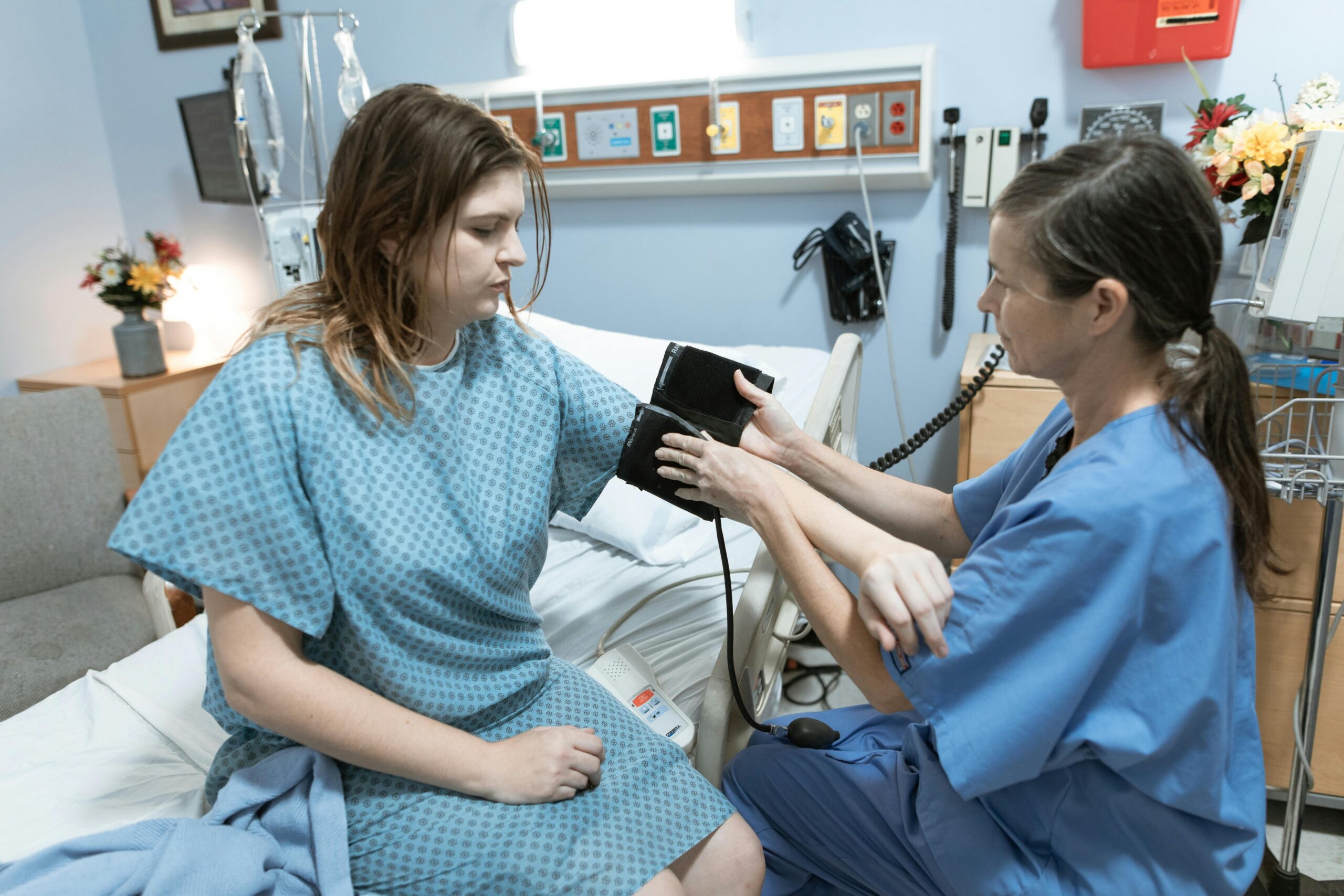
Methadone helps people regain physical stability, focus on recovery, and return to work, school, and family life. It is typically dispensed daily at licensed Opioid Treatment Programs (OTPs) under the supervision of medical professionals who provide medication management, counseling, and ongoing support.
Methadone treatment has been scientifically proven to:
• Reduce overdose deaths by up to 50 percent or more.
• Decrease criminal activity related to drug use.
• Improve physical and mental health outcomes.
• Help patients maintain long-term recovery.
Is Methadone Free for Addicts?
The answer to is methadone free for addicts depends on several factors, including income, insurance status, and the type of treatment facility. Methadone treatment isn’t universally free across all clinics, but many programs provide low-cost or free options through government funding, Medicaid coverage, or nonprofit support.
Here’s a breakdown of the main ways people can access free or affordable methadone treatment:
-
Publicly Funded Clinics:
Many methadone clinics operate through federal or state grants, which cover the cost of treatment for individuals who cannot pay. These programs are often run by local health departments or community organizations. They may provide free methadone, counseling, and medical monitoring for those who meet specific income or residency requirements. -
Medicaid Coverage:
Medicaid is the most common way people receive free methadone treatment. It’s a public health insurance program that covers addiction treatment in all 50 states. For people who qualify based on income, methadone, counseling, and related services are covered in full with little to no out-of-pocket cost. -
Medicare Coverage:
Medicare also covers methadone treatment through certified Opioid Treatment Programs (OTPs). This coverage includes the cost of medication, therapy, and medical supervision, ensuring access for older adults or people with disabilities who meet eligibility criteria. -
Sliding Scale Fees:
Many clinics offer sliding scale payment systems, where the cost of treatment is adjusted based on your income. For individuals with no income or limited resources, this often results in free or nearly free care. -
Nonprofit and Charitable Programs:
Some nonprofit organizations and recovery centers partner with government agencies to offer free methadone treatment. These programs often focus on serving high-need or underserved populations, including people experiencing homelessness or unemployment. -
State-Funded Grant Programs:
The federal government, through the Substance Abuse and Mental Health Services Administration (SAMHSA), provides block grants to states to fund free or reduced-cost addiction treatment programs. Many methadone clinics receive this funding and can enroll patients who are uninsured or unable to pay.
How Much Methadone Treatment Costs Without Insurance
For those paying out of pocket, methadone treatment typically costs between $80 and $150 per week, depending on the clinic and services provided. This price usually includes medication, counseling, and daily supervision. That adds up to around $400 to $600 per month or $5,000 to $7,000 per year.
While that may sound high, treatment costs are often flexible, and clinics will work with patients to find affordable payment plans. The reality is that even when not free, methadone treatment is significantly less expensive—and far safer—than the ongoing financial and health costs of addiction.
Who Qualifies for Free Methadone Treatment
Eligibility for free methadone depends on factors such as income, residency, and insurance coverage. You may qualify if you:
• Have little or no income.
• Are enrolled in Medicaid or Medicare.
• Are unemployed or underinsured.
• Are experiencing homelessness.
• Are referred through a state or county addiction program.
• Are participating in a treatment diversion or court-ordered recovery program.
If you’re unsure whether you qualify, contact your local health department or SAMHSA helpline (1-800-662-HELP) for free guidance on clinics that provide subsidized or grant-funded treatment in your area.
How Medicaid Makes Methadone Free
Medicaid plays a crucial role in ensuring that methadone treatment is accessible to everyone, regardless of financial status. All states and the District of Columbia cover methadone under Medicaid plans as part of behavioral health benefits.
Medicaid typically covers:
• The full cost of methadone medication.
• Clinic visits and dosing.
• Required counseling or therapy sessions.
• Regular medical checkups and lab work.
Most people who qualify for Medicaid pay nothing for treatment or only a minimal co-pay, making methadone effectively free for those who need it most.
How to Apply for Medicaid
If you’re struggling with opioid addiction and can’t afford treatment, applying for Medicaid is often the fastest way to access free methadone. You can apply by:
• Visiting your state’s Medicaid website.
• Calling your state health department.
• Applying through the Health Insurance Marketplace (Healthcare.gov).
• Visiting a local methadone clinic that can help with the application process.
Approval times vary by state, but many clinics can start you on treatment while your application is pending.
Finding a Free or Low-Cost Methadone Clinic Near You
If you’re asking is methadone free for addicts, you’re likely looking for a program that removes financial barriers. Here are several ways to find one near you:
-
SAMHSA Treatment Locator: Search by city or zip code to find certified methadone clinics, with filters for payment options and free programs.
-
Community Health Centers: Federally Qualified Health Centers (FQHCs) often offer MAT services at no cost or on a sliding scale.
-
State and County Health Departments: Many operate public methadone programs or can refer you to funded clinics.
-
Nonprofit Organizations: Local nonprofits like Catholic Charities, Salvation Army, or community recovery programs often have partnerships with clinics that provide free treatment.
-
Hospitals and Universities: Some academic medical centers offer addiction treatment grants or research-based programs that cover costs.
The Value of Methadone Treatment Compared to the Cost of Addiction
Even when methadone isn’t completely free, it’s one of the most cost-effective healthcare investments a person can make. Research shows that every $1 spent on methadone treatment saves up to $12 in healthcare, legal, and social costs associated with untreated addiction.
Without treatment, the financial burden of addiction grows through medical emergencies, legal issues, lost income, and relationship strain. Methadone treatment not only restores health—it restores stability and independence.
Why Free Methadone Programs Are So Important
Free or low-cost methadone clinics save lives. They reach people who otherwise might never seek help because of financial limitations. Many overdoses occur among individuals who want treatment but can’t afford it or don’t know where to find it. Expanding access through funding and insurance coverage ensures that everyone—regardless of income—has a chance at recovery.
Free methadone programs also help reduce the burden on emergency rooms, jails, and shelters by providing stable, long-term medical care in a community setting. They promote recovery, reduce public health risks, and strengthen families and neighborhoods affected by the opioid epidemic.
Overcoming Stigma Around Methadone
Some people avoid methadone treatment because of stigma. They worry about being judged for “using another drug” or being dependent on medication. But methadone is not a replacement—it’s a proven, evidence-based treatment that allows the brain to heal.
Methadone helps restore normal brain function, reduce cravings, and allow people to live healthy, productive lives. Choosing methadone isn’t a sign of weakness—it’s a medical decision that reflects courage and commitment to recovery.
Actionable Takeaways
• The answer to is methadone free for addicts depends on insurance, income, and state funding, but free or low-cost options are widely available.
• Medicaid and Medicare cover methadone treatment in certified clinics.
• Many public and nonprofit programs provide grant-funded or sliding-scale treatment.
• SAMHSA and local health departments can help locate free methadone clinics.
• Investing in methadone treatment saves lives and reduces healthcare costs.
• Addiction is treatable, and cost should never stand in the way of recovery.
Conclusion
So, is methadone free for addicts? In many cases, yes—or at least highly affordable. Between Medicaid, Medicare, and publicly funded programs, cost should never prevent anyone from getting the help they need. Methadone treatment offers hope, stability, and a proven path to recovery. The key is to reach out, ask for help, and take that first step toward healing. Whether through a free clinic, a state-funded program, or an insurance-covered treatment center, support is available right now. No one should have to face addiction alone—and with methadone treatment, no one has to.
Renew Health: Your Partner in Methadone Treatment and Accessible Recovery Care
Phone: 575-363-HELP (4357)
Website: www.renewhealth.com