
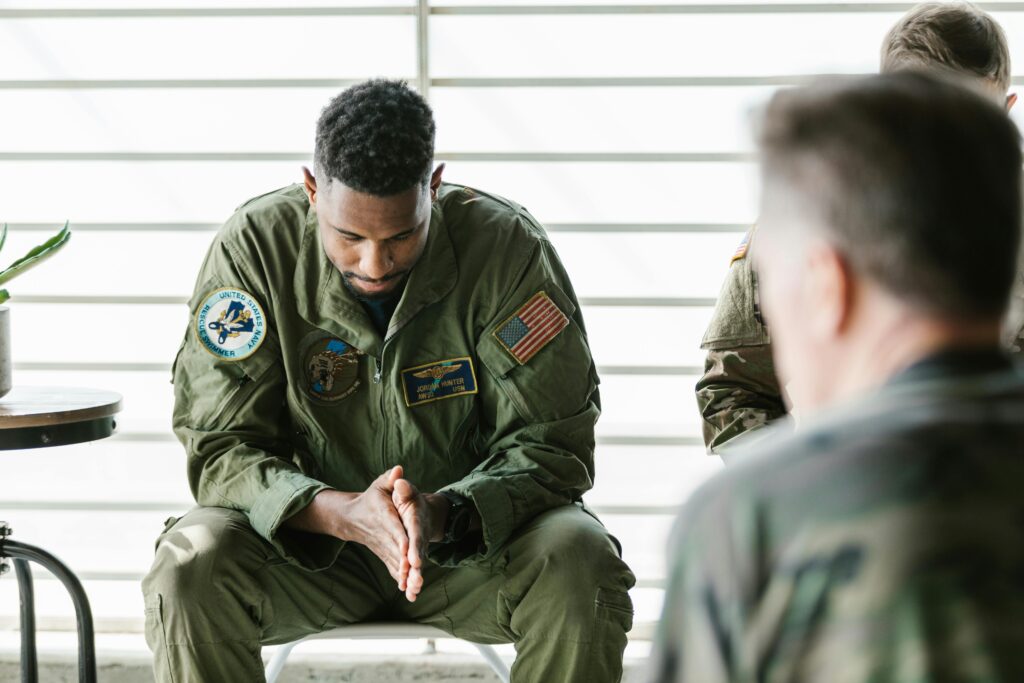
When veterans return home from service, they often face challenges that most civilians cannot fully understand. The transition from military to civilian life can be complex, involving physical injuries, psychological trauma, social reintegration, and the loss of military structure. These difficulties can increase the risk of substance use disorders. Veterans may turn to alcohol, prescription medications, or illicit drugs as coping mechanisms for pain, stress, or unresolved trauma. Substance use in veterans is not simply a matter of personal weakness; it is a layered issue rooted in unique experiences that demand specialized care.
Understanding the risk factors that make veterans vulnerable is the first step in providing meaningful support. Equally important is developing care options that are tailored to their needs, including evidence-based treatment, peer support, and trauma-informed approaches. In this blog, we will explore the unique risk factors contributing to substance use in veterans, the challenges of accessing treatment, and the care options that can promote recovery. We will also highlight actionable takeaways and provide an FAQ section to address common questions.
The Scope of Substance Use Among Veterans
Substance use disorders among veterans are a significant public health concern. According to a 2023 Department of Veterans Affairs report, approximately 1 in 10 veterans struggles with a substance use disorder, a rate similar to the general population but compounded by unique risk factors. Alcohol misuse is particularly prevalent, with nearly 65 percent of veterans reporting past-month alcohol use compared to 54 percent of civilians. Prescription drug misuse, especially opioids, is also higher among veterans due to pain management after service-related injuries. Illicit drug use, while less common than alcohol misuse, remains a growing issue, particularly with substances like methamphetamine and fentanyl infiltrating civilian communities where veterans live. These statistics illustrate the importance of targeted interventions for this population.
Unique Risk Factors for Veterans
Veterans face a combination of risk factors that increase their vulnerability to substance use disorders. These include:
-
Post-Traumatic Stress Disorder (PTSD): Exposure to combat and life-threatening situations can result in PTSD, which is strongly associated with substance misuse as individuals attempt to self-medicate symptoms like nightmares, flashbacks, and hypervigilance.
-
Chronic Pain: Service often leads to musculoskeletal injuries, traumatic brain injuries, and other conditions that cause ongoing pain. Opioid prescriptions for pain management increase the risk of dependence and misuse.
-
Depression and Anxiety: Mental health challenges are common among veterans, particularly during the transition to civilian life. Depression and anxiety increase the likelihood of substance use as a maladaptive coping strategy.
-
Military Culture: In some branches, heavy drinking is normalized as a way to bond or manage stress. This culture can carry into civilian life, making it harder to recognize alcohol misuse as a problem.
-
Isolation and Reintegration Challenges: Many veterans struggle to reintegrate into civilian life, leading to feelings of isolation and disconnection. Without strong social support, they may turn to substances to cope.
-
Homelessness and Unemployment: Economic instability is both a cause and consequence of substance use in veterans. According to HUD, veterans make up a disproportionate percentage of the homeless population, and homelessness is strongly tied to substance use disorders.
These risk factors often overlap, creating a cycle that is difficult to break without targeted support.
Substance Use and PTSD in Veterans
The link between PTSD and substance use in veterans is well-documented. Studies show that veterans with PTSD are more than twice as likely to develop a substance use disorder compared to those without PTSD. Alcohol and drugs may temporarily blunt the intensity of traumatic memories, but they ultimately worsen symptoms and hinder long-term recovery. This phenomenon, known as “self-medication,” can lead to dependence and addiction. Effective care for veterans must address both PTSD and substance use simultaneously, using integrated approaches such as trauma-focused cognitive behavioral therapy combined with addiction treatment.
Opioid Use and Pain Management Challenges
Chronic pain is another major driver of substance misuse among veterans. Many service members return home with injuries that require long-term pain management. While opioids can provide temporary relief, they carry a high risk of dependence. Veterans are more likely than civilians to be prescribed opioids, and studies have shown higher rates of opioid use disorder in this population. The Veterans Health Administration has implemented initiatives to reduce opioid prescriptions and increase access to alternative pain management methods such as physical therapy, acupuncture, mindfulness, and non-opioid medications. Still, the challenge remains significant, and many veterans continue to struggle with opioid misuse.
Alcohol Misuse in Military Culture
Alcohol misuse is deeply ingrained in some aspects of military culture. Drinking can serve as a social bonding activity, a stress reliever, or a way to cope with trauma. After service, this cultural norm can continue, making it harder for veterans to identify when alcohol use becomes harmful. Binge drinking rates are higher among veterans compared to civilians, particularly among younger veterans who served in recent conflicts. Over time, heavy drinking can lead to health complications, strained relationships, and increased risk of accidents and legal issues. Recognizing and addressing this cultural factor is critical for effective prevention and treatment.
Barriers to Treatment for Veterans
Even when veterans recognize the need for help, accessing care can be challenging. Common barriers include:
-
Stigma: Veterans may fear being seen as weak or unfit if they seek help for substance use or mental health issues.
-
Limited Access to Specialized Care: Not all veterans live near VA facilities, and specialized programs may not be available in their area.
-
Long Wait Times: High demand can result in delays for appointments or entry into treatment programs.
-
Complex Eligibility Requirements: Navigating VA benefits and eligibility can be confusing and discouraging.
-
Fear of Career Impact: For those still serving in the National Guard or Reserves, disclosing substance use issues can feel risky for career advancement.
These barriers can prevent veterans from receiving the timely, appropriate care they need, making it essential to expand accessible and veteran-specific treatment options.
Evidence-Based Treatment Options for Veterans
Effective treatment for substance use in veterans requires approaches tailored to their unique experiences. Evidence-based options include:
-
Integrated Treatment for Co-Occurring Disorders: Addressing substance use and mental health conditions like PTSD or depression simultaneously.
-
Medication-Assisted Treatment (MAT): Using medications such as buprenorphine, methadone, or naltrexone to reduce cravings and withdrawal symptoms, combined with counseling and behavioral therapies.
-
Cognitive Behavioral Therapy (CBT): Helping veterans identify and change negative thought patterns and behaviors that contribute to substance use.
-
Trauma-Informed Care: Recognizing and addressing the impact of trauma in all aspects of treatment.
-
Group Therapy and Peer Support: Providing connection with other veterans who share similar experiences.
-
Holistic Approaches: Including mindfulness practices, physical activity, and creative therapies that support overall well-being.
These methods, particularly when combined, can significantly improve outcomes for veterans in recovery.
The Role of Peer Support and Veteran Communities
One of the most powerful elements of recovery for veterans is peer support. Being part of a community of individuals who have shared similar experiences provides validation and encouragement. Veteran-specific peer support groups, such as those offered through the VA or nonprofit organizations, allow for honest conversations without fear of misunderstanding. Peer mentors who are in long-term recovery can serve as role models, showing that a fulfilling life after addiction is possible. This sense of camaraderie mirrors the bond of military service and helps replace isolation with belonging.
Family Involvement in Recovery
Substance use disorders impact not only veterans but also their families. Involving families in treatment can improve outcomes and repair relationships strained by addiction. Family therapy provides education about substance use, improves communication, and fosters support networks. Spouses, children, and parents often play a crucial role in helping veterans stay motivated and accountable in recovery. Rebuilding trust and creating a stable home environment are essential parts of long-term healing.
Community and Policy Solutions
Addressing substance use in veterans requires systemic change in addition to individual treatment. Policy solutions include:
-
Expanding access to veteran-specific treatment programs, particularly in rural areas.
-
Increasing funding for mental health and substance use services within the VA system.
-
Implementing early screening and intervention for service members returning from deployment.
-
Promoting education campaigns to reduce stigma around seeking help.
-
Partnering with community organizations to create supportive housing and employment opportunities for veterans in recovery.
By focusing on both prevention and care, communities can create a more supportive environment for veterans facing substance use challenges.
Actionable Takeaways
-
Substance use in veterans is shaped by unique risk factors such as PTSD, chronic pain, and reintegration challenges.
-
Alcohol misuse and opioid dependence are particularly common concerns.
-
Barriers such as stigma, access issues, and bureaucratic complexity prevent many veterans from getting the help they need.
-
Evidence-based, trauma-informed, and veteran-specific treatment approaches are essential.
-
Peer support, family involvement, and community engagement significantly strengthen recovery outcomes.
-
Policy and institutional changes are needed to ensure all veterans have access to timely, appropriate care.
Conclusion
Veterans have served their country with courage and sacrifice. When they return home and face substance use challenges, they deserve care that recognizes their unique experiences and needs. Addressing substance use in veterans requires compassion, evidence-based treatment, and a commitment to reducing barriers to care. By integrating trauma-informed practices, expanding access to veteran-specific programs, and strengthening peer and family support, we can help veterans achieve recovery and build fulfilling lives. Substance use disorders do not have to define their post-service years. With the right support, healing and resilience are possible.
FAQ: Substance Use in Veterans
Why are veterans at higher risk of substance use disorders?
Veterans face unique challenges such as PTSD, chronic pain, reintegration struggles, and military cultural norms around alcohol use. These factors increase vulnerability to substance misuse.
What substances are most commonly misused by veterans?
Alcohol and prescription opioids are the most common, though illicit drugs like methamphetamine and fentanyl also pose risks.
How does PTSD influence substance use in veterans?
PTSD symptoms like nightmares and hypervigilance can lead veterans to self-medicate with alcohol or drugs, increasing the risk of dependence and addiction.
What treatment options are most effective for veterans?
Integrated treatment that addresses both substance use and mental health, medication-assisted treatment, trauma-informed therapy, and peer support groups tailored to veterans are highly effective.
What barriers prevent veterans from seeking help?
Stigma, limited access to specialized care, long wait times, complex eligibility requirements, and fear of career consequences are common barriers.
How can families support veterans in recovery?
Families can participate in therapy, provide emotional support, help create stable environments, and encourage ongoing engagement with treatment and recovery resources.
Renew Health: Your Partner in Veteran Recovery Care
Phone: 575-363-HELP (4357)
Website: www.renewhealth.com