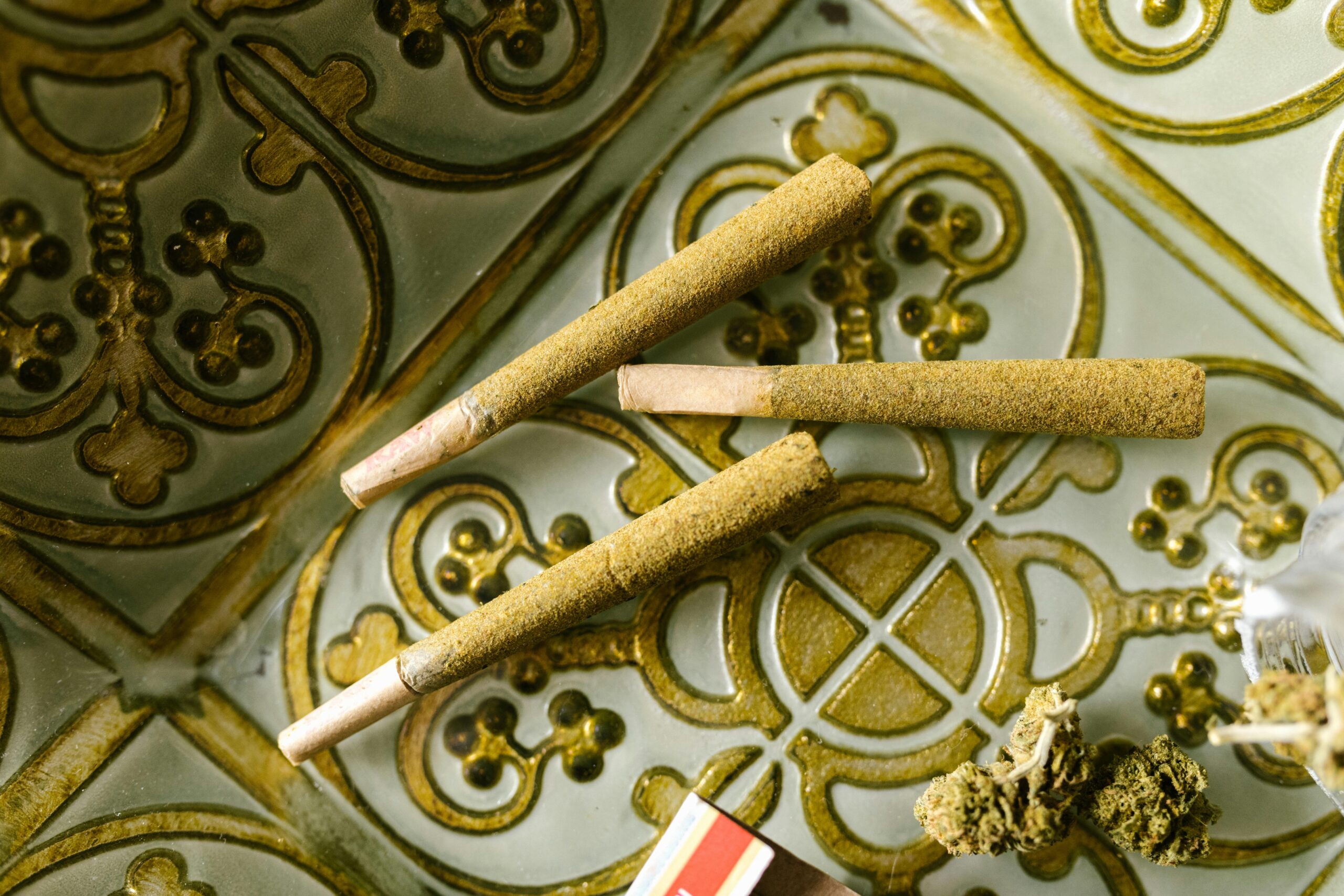
Cannabis is one of the most widely discussed and debated plants in modern medicine and culture. Used for recreation, relaxation, and therapeutic purposes, it has both passionate supporters and vocal critics. Whether someone is exploring medical cannabis for pain management or simply curious about its effects, understanding how marijuana works is essential. Most people have heard that there are 2 types of weed—Indica and Sativa—but far fewer understand what those categories truly mean, how they differ, and what effects they have on the brain and body. In this guide, we’ll explore the science, history, and health implications behind cannabis, giving you a clear and balanced view of its potential benefits and risks.
What Are the 2 Types of Weed
When people talk about cannabis, they usually refer to two main plant varieties: Cannabis Indica and Cannabis Sativa. These are the classic categories used to describe different species of the marijuana plant, each with its own physical traits, growth patterns, and effects. Over time, hybrid strains have emerged, blending characteristics of both. However, understanding the foundational 2 types of weed remains the best way to predict general effects.
1. Cannabis Indica
Indica plants are typically short, bushy, and dense, with wide leaves and deep green coloration. They thrive in cooler climates and have shorter growing cycles than Sativa plants. Indica strains are often associated with body relaxation, calmness, and sedation. This is why they’re commonly used for nighttime relief, pain management, and sleep disorders. People who use Indica-dominant strains often report a “body high,” meaning the effects are felt as physical relaxation rather than mental stimulation.
2. Cannabis Sativa
Sativa plants grow tall with narrow leaves and a lighter green hue. They flourish in warmer climates and take longer to mature. Sativa strains are typically associated with uplifting and energizing effects. Many users report that Sativa produces a “head high” that enhances focus, creativity, and mood. Because of this, Sativa is often chosen for daytime use.
Hybrids: The Blended Middle Ground
While there are traditionally 2 types of weed, modern cultivation has created countless hybrid strains that blend traits of both Indica and Sativa. These hybrids allow growers to tailor specific effects, potency levels, and flavor profiles. For instance, some hybrids promote relaxation without sleepiness, while others balance mood elevation with calm focus.
Understanding Cannabinoids: THC and CBD
The effects of marijuana—whether Indica or Sativa—come from compounds called cannabinoids. The two most studied are tetrahydrocannabinol (THC) and cannabidiol (CBD).
-
THC is the psychoactive compound responsible for the “high.” It affects the brain’s cannabinoid receptors, altering mood, perception, and coordination.
-
CBD is non-intoxicating and known for its potential therapeutic properties, such as reducing anxiety, inflammation, and seizures.
Different strains have different THC-to-CBD ratios. Sativa strains tend to have higher THC content, producing more stimulating effects, while Indica strains usually contain more CBD, contributing to their calming qualities.
The Endocannabinoid System: How Weed Works in the Body
To understand how the 2 types of weed affect the body, we need to look at the endocannabinoid system (ECS). This system regulates many physiological processes, including mood, pain sensation, sleep, and appetite. It consists of receptors (CB1 and CB2), naturally occurring endocannabinoids, and enzymes that break them down.
When THC or CBD enters the body, they interact with these receptors to produce a variety of effects. THC primarily binds to CB1 receptors in the brain, creating euphoria and altered sensory perception. CBD, on the other hand, interacts indirectly with both CB1 and CB2 receptors, helping balance mood and inflammation without the high.
Indica vs. Sativa: Comparing the Effects
While the line between Indica and Sativa has blurred due to hybridization, their traditional differences remain a helpful guide.
| Characteristic | Indica | Sativa |
|---|---|---|
| Plant Appearance | Short, dense | Tall, narrow |
| Primary Effects | Relaxing, sedating | Energizing, uplifting |
| Common Uses | Pain, anxiety, insomnia | Depression, fatigue, focus |
| Typical Time of Use | Evening | Daytime |
| THC/CBD Ratio | Higher CBD | Higher THC |
However, it’s important to note that effects vary from person to person. Genetics, tolerance, metabolism, and mental health all influence how cannabis feels.
Medical Uses of Cannabis
Medical marijuana is legal in many states and is used to treat a wide range of conditions. Some of the most common include:
-
Chronic pain: Cannabis can reduce pain perception by acting on the central nervous system.
-
Anxiety and depression: Certain strains with balanced THC and CBD ratios can help regulate mood.
-
Sleep disorders: Indica-dominant strains often help people fall asleep and stay asleep.
-
Epilepsy: CBD-rich products can reduce the frequency of seizures in some patients.
-
Nausea and appetite loss: Cannabis can stimulate appetite and relieve nausea, especially in chemotherapy patients.
At Renew Health, our focus is on providing balanced education around all treatment options. While cannabis may have therapeutic potential, it’s not suitable for everyone, and professional guidance is essential.
Potential Risks of Cannabis Use
Despite its potential benefits, cannabis is not without risks. Chronic use can affect memory, motivation, and concentration. High THC levels can increase anxiety or paranoia in some individuals. For adolescents and young adults, cannabis use can interfere with brain development.
Long-term smoking can also irritate the lungs, similar to tobacco use. Additionally, dependency can develop in about 10 percent of regular users. Understanding these risks helps individuals make informed choices about whether and how to use cannabis responsibly.
The Myth of “Good” and “Bad” Weed
One of the most common misconceptions about the 2 types of weed is that one is “good” and the other is “bad.” In reality, neither is inherently better or worse; it depends on individual needs and preferences. For someone with chronic pain, Indica’s sedating effects might be life-changing. For someone managing depression or fatigue, Sativa’s uplifting qualities might be more helpful.
The key is balance and awareness. Strain selection should be based on personal goals, tolerance, and any underlying health conditions.
Cannabis and Mental Health
Cannabis affects mental health in complex ways. While some people use it to relieve anxiety or improve mood, others find it worsens symptoms, particularly at high THC doses. People with a history of psychosis, bipolar disorder, or schizophrenia are especially vulnerable to adverse effects.
Renew Health emphasizes careful evaluation and professional guidance before using cannabis as a treatment for mental health symptoms. Safer, evidence-based alternatives such as therapy, lifestyle changes, and medication-assisted treatment often yield better long-term outcomes.
How Cannabis Affects Sleep
Many people turn to Indica strains for sleep, but the relationship between cannabis and sleep is more nuanced. While short-term use can improve sleep onset, chronic use can disrupt REM cycles, leading to less restorative rest. Over time, users may develop tolerance and find it harder to sleep without cannabis.
For patients with insomnia or anxiety, integrated care that includes therapy, relaxation training, and medication management is often more effective than reliance on cannabis alone.
Legalization and Regulation
As cannabis legalization expands across the U.S., understanding the 2 types of weed becomes increasingly relevant. Regulations vary by state, covering possession limits, dispensary operations, and medical licensing. While legalization has increased access, it has also raised concerns about product potency, labeling accuracy, and safety.
Consumers should purchase cannabis only from licensed dispensaries, where products are tested for contaminants like pesticides and heavy metals. Renew Health encourages patients to seek evidence-based education before trying cannabis, whether for medical or recreational use.
Cannabis in Addiction Recovery
A growing number of people in recovery from other substances use cannabis to manage withdrawal symptoms or mental health challenges. However, this approach remains controversial. While some evidence suggests cannabis may reduce cravings for opioids or alcohol, it can also trigger dependency in vulnerable individuals.
Renew Health’s philosophy is rooted in individualized care. We help patients explore all available recovery tools—medical, behavioral, and holistic—while ensuring decisions are informed and safe.
The Future of Cannabis Research
Despite its widespread use, cannabis research is still developing. Scientists are exploring how cannabinoids interact with the body to treat conditions like chronic pain, PTSD, and multiple sclerosis. However, large-scale studies are still needed to confirm safety and long-term effects.
Renew Health follows emerging research closely to ensure our guidance reflects the latest medical understanding. We advocate for responsible cannabis use supported by science, not marketing hype.
Actionable Steps for Responsible Cannabis Use
-
Understand the difference between the 2 types of weed and how each affects your body.
-
Start low and go slow—begin with small doses to gauge tolerance.
-
Choose strains based on your goals (relaxation, focus, pain relief, etc.).
-
Avoid mixing cannabis with alcohol or other drugs.
-
Take breaks from use to prevent tolerance and dependence.
-
Consult a medical professional before using cannabis if you have health conditions or take medications.
-
Focus on overall wellness—nutrition, sleep, and exercise enhance balance far beyond any single substance.
Real-Life Patient Insights
Consider Laura, who struggled with chronic back pain and turned to medical cannabis for relief. After learning about the 2 types of weed, she began using a balanced hybrid strain that eased pain without impairing function. Her experience highlights the importance of education and dosage control.
Then there’s Eli, who used cannabis daily for anxiety. Over time, his tolerance grew, and the benefits faded. With Renew Health’s support, he tapered off, began therapy, and rebuilt his mental wellness through mindfulness and nutrition. His story shows that while cannabis can help some, it isn’t a one-size-fits-all solution.
Conclusion: Knowledge Is the Key to Balance
Understanding the 2 types of weed—Indica and Sativa—isn’t just about choosing between relaxation and energy. It’s about understanding how cannabis affects your unique body and mind. With this knowledge, you can make informed decisions, minimize risks, and focus on long-term health.
At Renew Health, we believe that education empowers patients to take charge of their wellness journey. Whether exploring alternative therapies or seeking recovery from substance use, knowledge, balance, and professional guidance lead to better outcomes. The goal is not simply to know the difference between strains—it’s to understand yourself and what truly supports your health and healing.
Renew Health: Your Partner in Education and Recovery
Phone: 575-363-HELP (4357)
Website: www.renewhealth.com