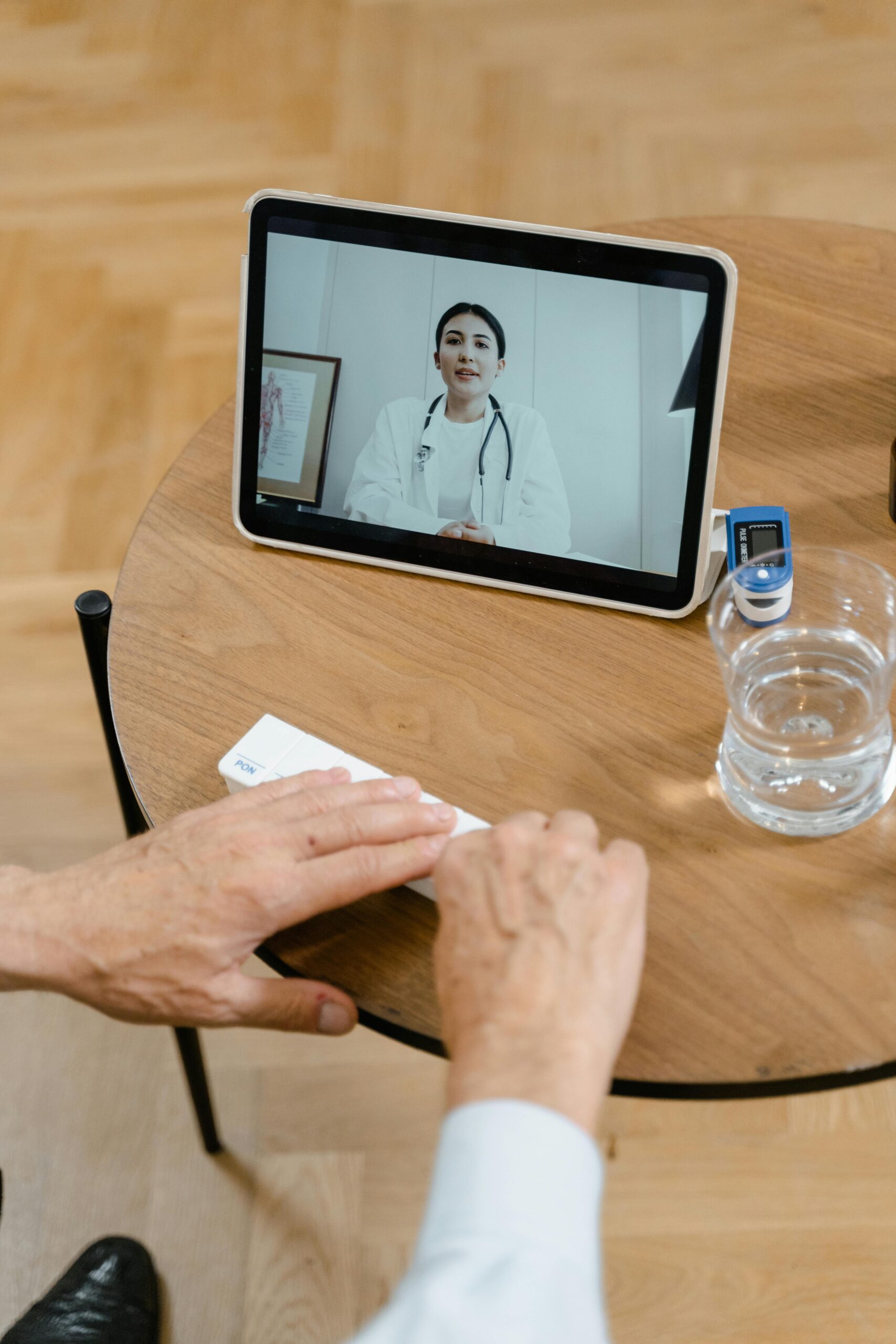

Addiction continues to be one of the most pressing public health challenges in the United States. Millions of people struggle with substance use disorders, yet many never receive treatment. Barriers such as stigma, lack of access to providers, geographic distance, cost, and scheduling difficulties all contribute to the treatment gap. In recent years, one innovation has started to transform the landscape of care: telehealth. The use of technology to deliver healthcare remotely is not new, but its role in addiction treatment has expanded rapidly. For families, individuals, and communities, understanding how telehealth is changing addiction care provides hope and clarity about the future of recovery support.
What Is Telehealth?
Telehealth refers to the delivery of healthcare services using technology such as video calls, phone consultations, mobile apps, and online platforms. It allows patients to connect with providers without traveling to a clinic or hospital. In addiction care, telehealth can include assessments, therapy sessions, medication management, recovery coaching, and even peer support groups conducted virtually. While telehealth does not replace in-person care entirely, it expands access and creates flexibility that many people desperately need.
Why Telehealth Matters in Addiction Care
Access to addiction treatment has historically been limited. Many rural areas lack treatment centers or addiction specialists. People living in these communities may have to travel hours to find help, creating a barrier that few can overcome. Even in cities, waiting lists for treatment programs can be long, and stigma may keep people from walking into a clinic. Telehealth reduces these barriers. It allows people to receive care from home, minimizing transportation issues and increasing privacy. It also helps people stay connected to treatment after leaving residential programs or during times when in-person visits are not possible.
The Impact of COVID-19 on Telehealth Expansion
The COVID-19 pandemic accelerated the adoption of telehealth. With clinics closed or limited, healthcare systems had to adapt quickly. Regulations were relaxed, and providers began offering virtual appointments for addiction care on a larger scale than ever before. Patients who might never have considered telehealth discovered that it was convenient, effective, and accessible. While the pandemic created immense challenges, it also demonstrated that telehealth could play a vital role in expanding addiction care long-term.
Services Offered Through Telehealth for Addiction
Telehealth encompasses a wide range of services. Initial assessments can be conducted virtually, allowing providers to evaluate substance use history, mental health needs, and treatment goals. Therapy sessions are commonly provided through secure video calls, including Cognitive Behavioral Therapy, Motivational Interviewing, and group counseling. Medication-assisted treatment can be managed through telehealth, with doctors prescribing and monitoring medications such as buprenorphine for opioid use disorder. Many states now allow initial buprenorphine prescriptions to be made via telehealth. Peer support groups meet virtually, providing accountability and community. Recovery coaching and case management can also be handled online, connecting people to resources for housing, employment, or legal support.
Advantages of Telehealth in Addiction Care
Telehealth offers numerous advantages. Accessibility improves dramatically, particularly for people in rural or underserved areas. Convenience allows patients to schedule appointments around work or family obligations, reducing dropouts. Privacy is enhanced, as people can receive care from home without fear of being seen entering a clinic. Continuity of care is strengthened because patients can stay connected to providers even when they move or face travel barriers. Telehealth also helps normalize mental health and addiction treatment by integrating care into everyday life rather than isolating it to specialized facilities.
Challenges and Limitations of Telehealth
While telehealth has many benefits, it also has limitations. Not everyone has access to reliable internet or devices needed for virtual care. Some people may struggle with technology or feel less comfortable opening up during video calls. Certain services, such as detox or intensive residential care, cannot be provided virtually and still require in-person settings. Privacy at home can also be a concern if a person lives with others and lacks a safe space for confidential conversations. Additionally, regulations vary by state, and insurance coverage may not always be consistent. Despite these challenges, telehealth remains a powerful tool when combined with in-person care options.
Telehealth and Medication-Assisted Treatment
Medication-assisted treatment, or MAT, has become one of the most promising areas for telehealth. In the past, strict regulations limited where and how medications like buprenorphine could be prescribed. During the pandemic, many of these restrictions were eased, allowing providers to initiate MAT through telehealth. This change has been life-saving, especially for people who could not easily access clinics. Research shows that patients receiving buprenorphine through telehealth achieve outcomes comparable to those in traditional settings. Telehealth has also reduced stigma, as patients no longer have to visit specialized clinics that might expose them to judgment.
Telehealth and Mental Health Support
Addiction rarely exists in isolation. Many people with substance use disorders also struggle with depression, anxiety, PTSD, or other mental health challenges. Telehealth makes it easier to address co-occurring conditions by providing integrated therapy. Patients can attend regular counseling sessions without the burden of travel, improving consistency and outcomes. Telehealth also expands access to specialists who may not be available locally. For example, a patient in a rural town may connect with a trauma therapist in another state, receiving care that would otherwise be impossible.
The Role of Peer Support in Telehealth
Peer support has always been a cornerstone of recovery. Telehealth platforms now host virtual peer groups, allowing people to share experiences, encouragement, and accountability. Online meetings provide flexibility for those who cannot attend in-person groups due to distance, childcare, or work schedules. While some worry that virtual connections are less meaningful, many people find that online peer groups offer genuine connection and support, particularly when isolation is a risk factor for relapse.
Telehealth and Harm Reduction
Harm reduction services are increasingly available through telehealth. Patients can receive education about safer use, overdose prevention, and access to naloxone. Some programs mail naloxone kits or fentanyl test strips directly to patients. Telehealth harm reduction strategies help engage people who may not yet be ready for abstinence but are open to reducing risks. This engagement can be a first step toward treatment and recovery.
How Telehealth Helps Families
Families benefit from telehealth as well. Family therapy can be conducted virtually, making it easier for relatives in different locations to participate. Educational sessions help families learn about addiction and how to provide support. Telehealth reduces scheduling barriers for busy families, allowing them to attend sessions together without coordinating travel. This flexibility strengthens family involvement, which research shows is a critical factor in long-term recovery.
Overcoming Stigma Through Telehealth
Stigma remains a major barrier to addiction treatment. Many people avoid seeking help because they fear being judged. Telehealth helps reduce this barrier by offering private, discreet access to care. Patients can connect with providers from the safety of home, bypassing the shame often associated with walking into a clinic. Over time, telehealth may also help normalize treatment, as it becomes more integrated into everyday healthcare rather than isolated as a separate service.
The Future of Telehealth in Addiction Care
Telehealth is not a temporary solution but a permanent shift in how care is delivered. As technology improves, more services will be offered remotely, from virtual reality therapy to advanced mobile monitoring tools. Artificial intelligence may play a role in tracking recovery progress and predicting relapse risk. Policymakers continue to debate regulations, but the trend is toward greater acceptance and integration of telehealth. For families and individuals, this means more options, greater access, and more personalized care.
Stories of Hope
Consider Maria, who lived in a rural town with no local addiction specialists. She had struggled with opioid use for years but could not drive hours to the nearest clinic. When telehealth became available, she connected with a doctor online, started buprenorphine, and joined virtual therapy sessions. Today, she has been in recovery for three years. Or think of Daniel, a single father who worked long hours. He could not take time off for in-person therapy, but telehealth allowed him to attend evening sessions from home. With consistent support, he stopped drinking and rebuilt his relationship with his children. These stories show how telehealth expands access and creates new pathways to recovery.
Frequently Asked Questions
What is telehealth in addiction care? It is the use of technology such as video calls, apps, and online platforms to provide treatment, therapy, medication management, and support for substance use disorders. Is telehealth as effective as in-person care? Research shows telehealth can be just as effective for many aspects of addiction treatment, especially therapy and medication management. Does telehealth work for medication-assisted treatment? Yes. Medications such as buprenorphine can be prescribed and managed through telehealth in many states. What are the advantages of telehealth? Greater access, convenience, privacy, continuity of care, and reduced stigma. What are the limitations? Limited internet access, technology barriers, need for in-person care for detox or emergencies, and inconsistent insurance coverage. Can families participate in telehealth treatment? Yes. Family therapy and education can be conducted virtually, making it easier for families to support recovery. Does telehealth include peer support? Yes. Many virtual peer groups and support meetings are available online. Is telehealth safe and private? Yes. Providers use secure platforms to protect confidentiality. Patients should ensure they have a private space for sessions. Will telehealth continue after the pandemic? Yes. Telehealth is becoming a permanent part of healthcare and addiction treatment. Is recovery possible with telehealth support? Absolutely. Telehealth provides effective, evidence-based care that supports long-term recovery.
Actionable Takeaways
Telehealth expands addiction care by breaking down barriers to access, reducing stigma, and providing flexible, private, and effective treatment. It includes therapy, medication management, peer support, and harm reduction services. While it has limitations, telehealth is a powerful tool that complements in-person care and improves outcomes. Families can play a role by participating in virtual sessions and encouraging loved ones to seek support.
Conclusion
The role of telehealth in expanding addiction care cannot be overstated. By leveraging technology, we can reach people who once had no access to treatment. Telehealth provides life-saving services to rural communities, busy professionals, parents, and anyone facing barriers to traditional care. Addiction is a chronic disease that requires comprehensive treatment, and telehealth is proving to be one of the most promising innovations in delivering that care. With continued investment, advocacy, and acceptance, telehealth has the potential to reshape the future of recovery and save countless lives.
Renew Health: Your Partner in Addiction Care
Phone: 575-363-HELP (4357)
Website: www.renewhealth.com