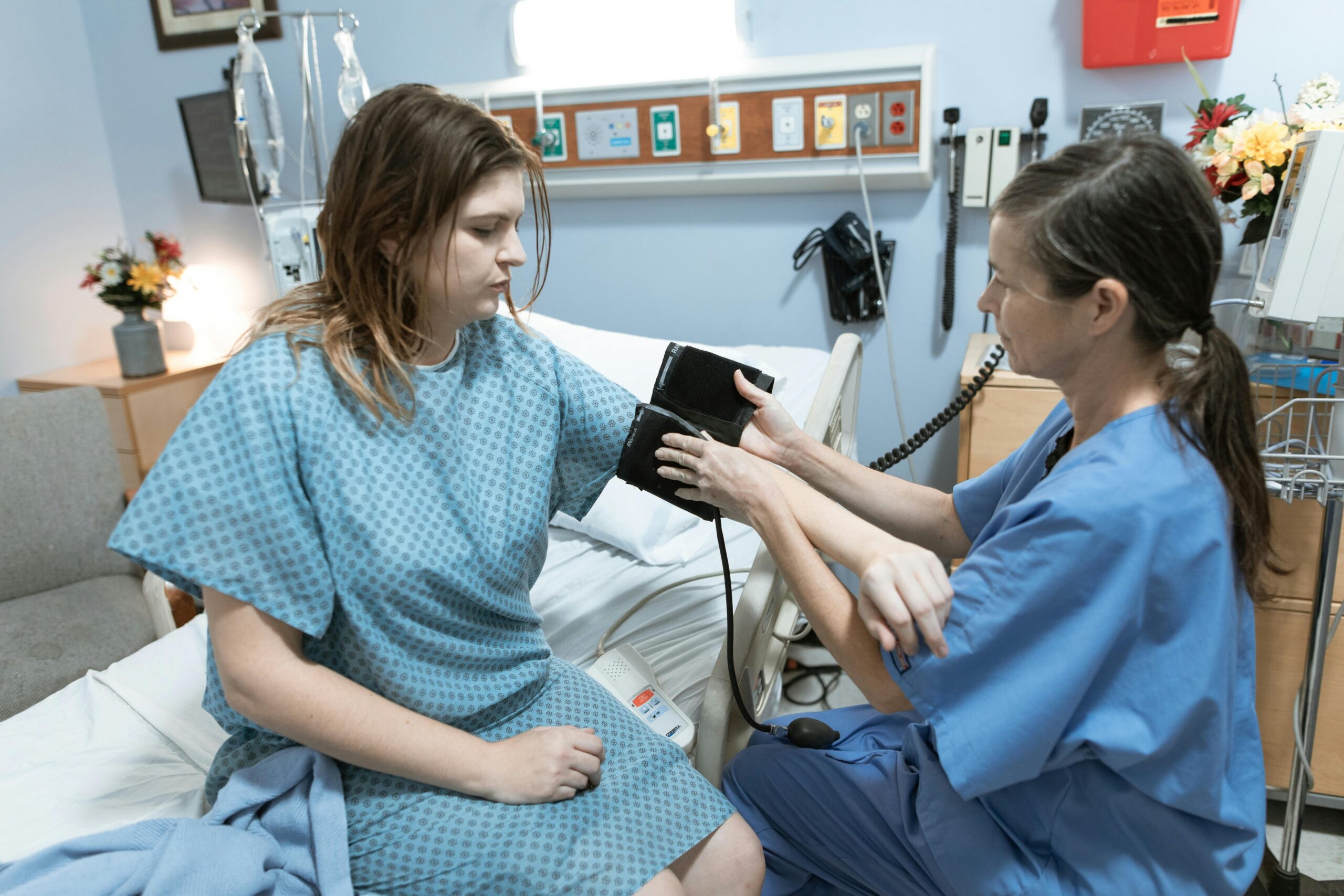

For many people beginning the journey of recovery, the first step is detox. Detox, or detoxification, refers to the process of clearing addictive substances from the body, typically under medical supervision. It is often the first hurdle to overcome, and completing it is an achievement worth recognizing. But too often, individuals and families mistakenly assume that detox alone is enough to achieve lasting recovery. Detox addresses the immediate physical dependence on substances, but it does not treat the psychological, emotional, or behavioral aspects of addiction. Without continued treatment after detox, relapse is highly likely. Recovery requires more than cleansing the body—it requires changing the mind, healing relationships, and learning new coping skills. This blog will explore why detox alone is not enough, the risks of stopping at detox, and what comprehensive treatment truly looks like.
What Detox Actually Does
Detox is an important first step in recovery because it helps the body safely eliminate alcohol, opioids, stimulants, or other substances. Under medical supervision, detox can prevent life-threatening withdrawal symptoms such as seizures from alcohol or benzodiazepines. Medications may be used to ease discomfort, manage cravings, or stabilize vital signs. The length of detox varies depending on the substance, the duration of use, and the person’s health. While detox is essential, it is only the beginning. Think of detox like resetting a computer—it clears the immediate issue, but the underlying problems remain. Without addressing the root causes of addiction, the cycle often continues.
The Difference Between Physical Dependence and Addiction
One reason detox alone is insufficient is that addiction is not just physical dependence. Physical dependence occurs when the body adapts to a substance and experiences withdrawal symptoms when it is removed. Addiction, however, is a chronic disease that affects brain function, decision-making, and behavior. Detox addresses physical dependence by eliminating the substance, but it does not resolve the cravings, compulsions, or psychological patterns that drive substance use. This distinction explains why so many people relapse shortly after detox if no further treatment follows. The body may be clean, but the brain and lifestyle triggers remain.
Why Relapse Rates Are High After Detox Alone
Studies show that relapse rates are significantly higher for individuals who complete detox without continuing treatment. Some research estimates that up to 80% of people relapse within weeks of leaving detox if they do not enter follow-up care. This is because detox does not equip people with coping strategies for stress, trauma, or cravings. Nor does it provide the therapeutic support needed to address co-occurring mental health disorders. Detox without aftercare is like bandaging a wound without treating the underlying infection—it may look better for a short time, but the deeper issue remains unresolved.
The Role of Therapy in Recovery
Therapy is a vital part of recovery because it addresses the root causes of addiction. Cognitive-behavioral therapy (CBT) helps individuals recognize and change destructive thought patterns. Dialectical behavior therapy (DBT) provides tools for emotional regulation and distress tolerance. Trauma-informed therapy helps people process past experiences that may have fueled substance use. Without therapy, individuals may find themselves repeating the same cycles once they leave detox. Therapy provides the insight and coping skills necessary to build new, healthier habits and relationships.
The Importance of Addressing Co-Occurring Disorders
Many individuals with substance use disorders also live with mental health conditions such as depression, anxiety, PTSD, or bipolar disorder. Detox does nothing to address these co-occurring disorders. Left untreated, they often trigger relapse. Integrated treatment that addresses both addiction and mental health simultaneously is critical. A comprehensive program evaluates for co-occurring conditions during or after detox and creates a plan to treat both. Without this dual focus, the risk of relapse remains high, even after a successful detox.
Building Coping Skills Beyond Detox
Detox helps clear the body, but it does not teach coping skills. Many people turn to substances as a way to manage stress, numb emotions, or escape from trauma. After detox, those stressors remain, and without new coping mechanisms, the temptation to use again can feel overwhelming. Coping skills taught in treatment include mindfulness, healthy communication, boundary setting, and stress management techniques like exercise or journaling. These tools are essential for long-term sobriety and cannot be gained through detox alone.
The Role of Peer Support and Community
Another reason detox alone falls short is the absence of community support. Addiction thrives in isolation, and recovery thrives in connection. Peer support groups such as Alcoholics Anonymous, Narcotics Anonymous, or SMART Recovery provide fellowship, accountability, and encouragement. These communities help people see that they are not alone and that recovery is possible. Detox does not provide this kind of ongoing support, but treatment programs and aftercare plans do. Without connection to a community, individuals may feel isolated and more likely to return to old habits.
Why Lifestyle Changes Are Essential
Addiction affects every aspect of life—work, relationships, finances, health, and more. Detox only addresses the physical body, leaving all of these other areas untouched. Recovery requires lifestyle changes, such as repairing relationships, finding stable employment, creating healthy routines, and prioritizing wellness. Treatment programs help guide these changes through vocational training, family therapy, and wellness programs. Detox alone leaves individuals unprepared to face the complexities of rebuilding their lives.
Sober Living and Aftercare as Bridges
After detox and initial treatment, aftercare and sober living environments provide bridges to independent living. Sober living homes offer structure, accountability, and peer support while allowing residents to work or study. Aftercare includes ongoing therapy, relapse prevention planning, and regular check-ins. These supports reduce relapse risk significantly and reinforce the lessons learned in treatment. Detox without aftercare leaves individuals without these safety nets, increasing the risk of relapse.
The Role of Medication-Assisted Treatment (MAT)
For opioid and alcohol use disorders, medication-assisted treatment can be a game-changer. MAT uses FDA-approved medications like buprenorphine, methadone, or naltrexone to stabilize brain chemistry, reduce cravings, and prevent relapse. Detox alone does not provide this stabilization. Without MAT, individuals may return to use simply to relieve overwhelming cravings. Comprehensive treatment combines MAT with therapy and support systems, creating a multi-layered defense against relapse.
Stories That Show Detox Is Just the Beginning
Consider the story of Tom, who completed detox multiple times but always relapsed within weeks. It wasn’t until he entered a residential program that included therapy, peer support, and aftercare that he achieved long-term sobriety. Or Maria, who detoxed from alcohol several times but continued to relapse until she received treatment for underlying depression. These stories highlight an important truth: detox is not failure, but it is incomplete. Success comes when detox is followed by comprehensive care.
Why Families Need Support Beyond Detox
Addiction affects not only the individual but also their family. Detox does not repair broken trust, heal relationships, or teach families how to support recovery. Family therapy, education programs, and support groups like Al-Anon help families recover together. Without this, family dynamics can remain toxic, increasing relapse risk. Families need as much ongoing support as the individual in recovery, and treatment programs beyond detox make this possible.
The Role of Structure in Recovery
Detox is often short, lasting days or weeks, but recovery requires long-term structure. Comprehensive treatment programs provide schedules that include therapy, support groups, education, and wellness activities. This structure replaces the chaos of addiction with stability. Once detox is over, individuals need continued structure to maintain momentum. Without it, they may drift back into old routines, increasing relapse risk.
The Science of Brain Healing in Recovery
Addiction alters the brain’s reward system, decision-making centers, and stress responses. Detox removes substances from the body, but it does not instantly heal the brain. Studies show that brain changes caused by addiction can take months or years to normalize. During this time, individuals are vulnerable to cravings and relapse. Continued treatment provides support during this healing process, offering coping skills and strategies to manage cravings until the brain stabilizes. Detox alone cannot provide this ongoing support.
What Comprehensive Treatment Looks Like
Comprehensive addiction treatment builds on detox with multiple layers of support. It includes medical care, therapy, peer support, family involvement, vocational training, and aftercare planning. It treats co-occurring mental health conditions, provides relapse prevention strategies, and encourages lifestyle changes that support wellness. Comprehensive care is holistic, addressing the mind, body, and spirit. Detox is the doorway, but comprehensive treatment is the path.
Actionable Takeaways: Why Detox Alone Is Not Enough
• Detox clears the body but does not address the root causes of addiction
• Relapse rates are high without follow-up care after detox
• Therapy and coping skills are essential for long-term sobriety
• Peer support and community provide accountability and belonging
• Co-occurring mental health conditions must be treated alongside addiction
• Medication-assisted treatment may be necessary for some substances
• Aftercare and sober living provide safety nets beyond detox
• Families also need support for recovery to last
Conclusion
Detox is an important and necessary step, but it is only the beginning of recovery. Alone, it leaves individuals vulnerable to relapse, unprepared for life’s challenges, and without the tools needed for long-term sobriety. True recovery requires comprehensive treatment that includes therapy, community, aftercare, and lifestyle changes. It requires addressing not just the physical dependence but the psychological, emotional, and social dimensions of addiction. Detox opens the door, but ongoing treatment and support create the foundation for lasting transformation. Choosing to move beyond detox is choosing a future filled with resilience, growth, and hope.
FAQ: Why Detox Alone Is Not Enough
Is detox the same as addiction treatment?
No. Detox removes substances from the body, but treatment addresses the psychological and behavioral aspects of addiction.
Can detox alone keep me sober?
Unlikely. Studies show high relapse rates when detox is not followed by continued treatment and aftercare.
Why do people relapse after detox?
Because detox does not address cravings, triggers, or underlying mental health issues that fuel substance use.
What comes after detox?
Comprehensive treatment, including therapy, peer support, medication-assisted treatment, and aftercare planning.
How long does detox take?
It depends on the substance, duration of use, and health, but typically ranges from a few days to two weeks.
Is detox dangerous without medical supervision?
Yes. Withdrawal from alcohol, benzodiazepines, and some opioids can be life-threatening without medical oversight.
Why is therapy important after detox?
Therapy addresses root causes, teaches coping skills, and helps individuals manage stress and emotions.
Do families play a role after detox?
Yes. Family therapy and education are vital for repairing relationships and creating supportive environments.
What if I can’t afford treatment beyond detox?
Options include state-funded programs, nonprofits, scholarships, sliding-scale fees, and community resources.
What’s the biggest takeaway about detox and recovery?
That detox is necessary but not sufficient. True recovery requires comprehensive, ongoing care beyond the initial stage.
Renew Health: Your Partner in Recovery Care
Phone: 575-363-HELP (4357)
Website: www.renewhealth.com