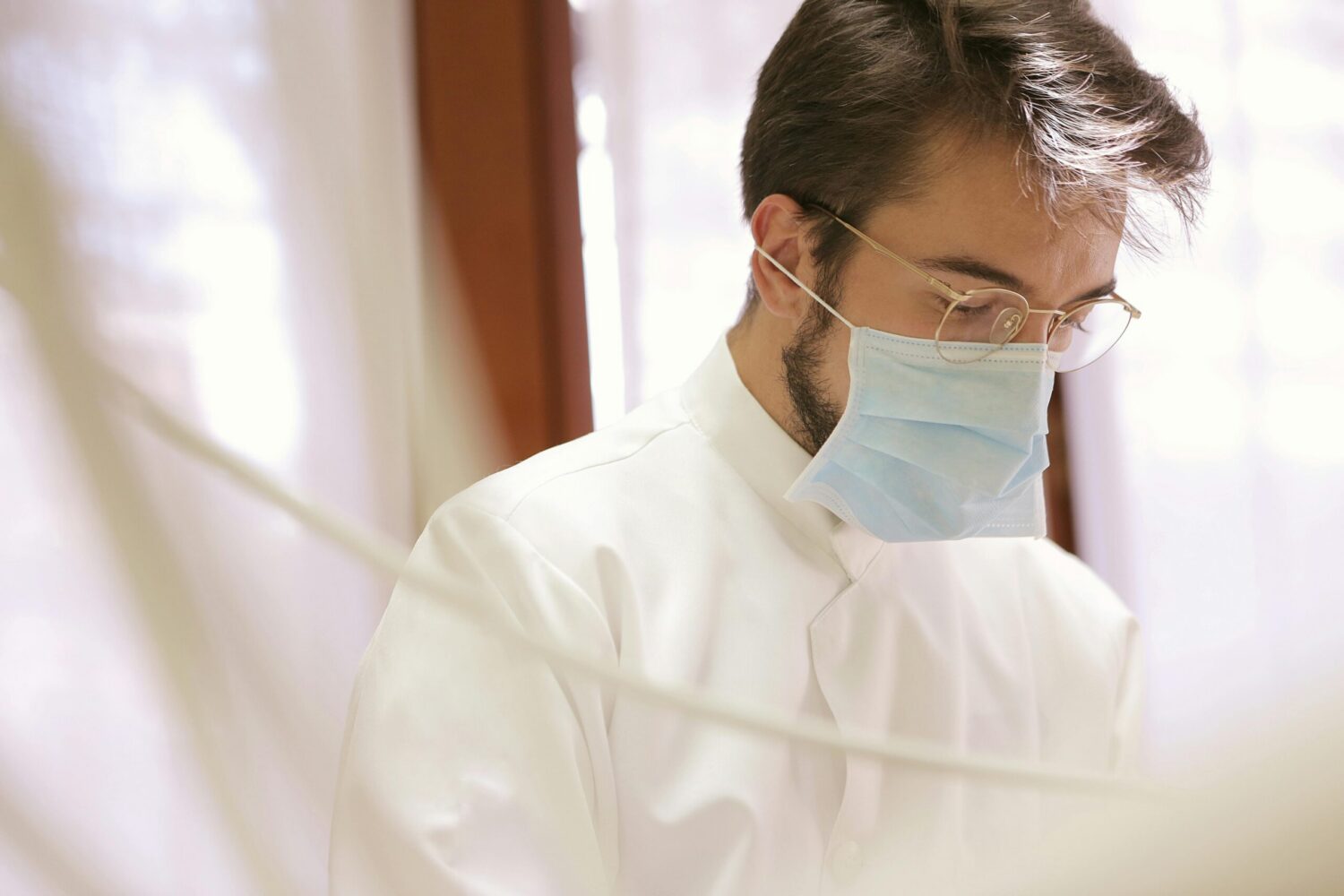
If you or someone you love is ready to seek help for opioid addiction, one of the first and most important questions that comes up is how to find a Suboxone doctor. Suboxone, a combination of buprenorphine and naloxone, has changed the landscape of addiction medicine, offering people a safer, more stable way to break free from opioid dependence. But finding the right doctor isn’t always easy, especially when stigma, confusion, and access barriers stand in the way.
This guide explains everything you need to know about Suboxone treatment, what to look for in a provider, and how to take confident steps toward recovery with the right medical support.
What Is Suboxone and How Does It Work?
Suboxone is a prescription medication approved by the U.S. Food and Drug Administration (FDA) to treat opioid use disorder. It contains two active ingredients: buprenorphine, a partial opioid agonist that helps reduce cravings and withdrawal symptoms, and naloxone, an opioid antagonist that discourages misuse by blocking euphoric effects if the medication is injected. Together, they’re a powerful balance—enough receptor activity to prevent withdrawal but not enough to produce a high. This makes Suboxone a cornerstone of medication-assisted treatment (MAT), a holistic approach combining medication, counseling, and behavioral support to promote lasting recovery.
Why Suboxone Matters in Addiction Treatment
The opioid crisis has devastated communities across the United States, taking more than 80,000 lives annually, according to the CDC’s 2023 data. Traditional abstinence-only methods often fall short because opioid dependence creates real, measurable changes in brain chemistry that make quitting “cold turkey” extremely difficult and dangerous. Suboxone bridges that gap by stabilizing brain chemistry, reducing withdrawal distress, and lowering relapse risk. Studies show that people receiving MAT are twice as likely to remain in recovery compared to those who rely on therapy alone. Suboxone allows patients to focus on rebuilding their lives instead of fighting daily withdrawal symptoms.
The Role of Suboxone Doctors
Not every doctor can prescribe Suboxone, but changes in federal law have made access easier than ever. Previously, clinicians needed a special waiver under the DATA 2000 program, often called an “X-license,” to prescribe buprenorphine for addiction treatment. In 2023, that requirement was eliminated, allowing any qualified physician, nurse practitioner, or physician assistant with a DEA registration to prescribe Suboxone as part of an addiction care plan. This policy shift has opened doors for more patients to access care. However, not all providers are experienced in addiction medicine, which is why finding specialized Suboxone doctors near me remains an important step for safety and effectiveness.
How Suboxone Differs from Methadone
Both Suboxone and methadone are used to treat opioid addiction, but their mechanisms and accessibility differ. Methadone is a full opioid agonist that can only be dispensed through federally certified opioid treatment programs (OTPs). Suboxone, on the other hand, can be prescribed in office-based settings and taken at home, offering more flexibility. Because buprenorphine is a partial agonist, it has a ceiling effect that reduces overdose risk.
This makes it a safer option for many individuals beginning recovery. Suboxone allows for greater privacy and independence since patients can manage treatment through their regular healthcare provider rather than attending daily clinic visits.
Understanding the Treatment Process
When you first meet with a Suboxone provider, you’ll go through a comprehensive assessment, including a review of your medical and substance use history, current symptoms, and mental health status. The provider will then determine if Suboxone is appropriate and create a personalized induction plan. The first dose is usually taken when mild withdrawal symptoms begin, ensuring that buprenorphine binds properly to opioid receptors without causing precipitated withdrawal.
Over the next few days, doses are adjusted to achieve stability—typically between 8-16 mg daily. Once stabilized, patients enter the maintenance phase, focusing on lifestyle, therapy, and long-term recovery goals.
How to Find Suboxone Providers Near You
Finding suboxone doctors near me starts with knowing where to look. SAMHSA’s online Treatment Services Locator is one of the best tools. You can enter your zip code and find nearby clinics and telehealth providers authorized to prescribe Suboxone. You can also contact local hospitals, community health centers, or behavioral health organizations for referrals. Many telemedicine platforms now offer Suboxone care through secure virtual appointments, allowing patients in rural or underserved areas to receive treatment.
Renew Health partners with licensed providers to ensure patients can start medication quickly and safely, often within the same week they reach out.
Telehealth and Modern Accessibility
One of the most transformative developments in addiction medicine has been the rise of telehealth. During the COVID-19 pandemic, federal agencies temporarily expanded telemedicine permissions for controlled substances like buprenorphine, allowing patients to begin Suboxone treatment through virtual visits. Those policies have since been extended, making telehealth a lasting part of addiction care.
This means you can connect with licensed suboxone doctors via video call, complete assessments, and receive electronic prescriptions at a local pharmacy. For people balancing work, childcare, or transportation challenges, this level of accessibility can be life-changing.
What to Expect from Your First Appointment
During your first appointment, your provider will focus on understanding your history and goals. Expect questions about previous opioid use, withdrawal patterns, and any current medications. Honesty is crucial, as accurate information ensures safe dosing and monitoring. Your provider may order lab tests or urine screens to assess overall health and confirm opioid dependence. Once treatment begins, follow-up visits are typically scheduled weekly or biweekly until stability is achieved.
These visits provide an opportunity to adjust the dose, monitor progress, and offer counseling support. As patients demonstrate adherence and stability, appointments may become monthly.
Combining Suboxone with Therapy
Medication alone is rarely enough to create lasting recovery. That’s why Suboxone treatment works best when paired with behavioral therapy, counseling, or peer support. Cognitive behavioral therapy (CBT), motivational interviewing, and trauma-informed counseling help patients address the underlying triggers of addiction. Suboxone relieves physical cravings, while therapy equips individuals with the tools to manage emotional stress and build healthy coping mechanisms.
At Renew Health, this integration is a core principle—addressing both the biological and psychological sides of recovery for a complete healing experience.
Common Myths About Suboxone
Despite its effectiveness, Suboxone is still misunderstood. Some believe it replaces one addiction with another. In truth, addiction is characterized by compulsive, harmful use that disrupts life and health. Suboxone use under medical supervision restores normal function, allowing patients to live and work productively. Others worry about withdrawal when stopping Suboxone. While tapering should be done gradually under supervision, most patients experience mild and manageable symptoms compared to opioid detox.
Suboxone is a tool for stability, not substitution, and it’s often a steppingstone toward eventual medication-free recovery when the patient is ready.
Addressing Stigma and Fear
The decision to seek Suboxone treatment takes courage, yet stigma often makes people hesitate. Some still view medication-assisted recovery as “cheating” or “not real sobriety.” This outdated belief ignores decades of scientific evidence. According to the National Institute on Drug Abuse, Suboxone cuts relapse risk in half and dramatically reduces overdose deaths. It allows patients to work, care for families, and pursue long-term goals without constant physical distress. Ending stigma starts with education and empathy—recognizing that recovery isn’t about willpower alone but about restoring brain function and balance through medical science.
What Recovery Looks Like on Suboxone
Patients often describe Suboxone as “feeling normal again.” Cravings fade, mental clarity returns, and energy stabilizes. Many return to work, rebuild relationships, and engage in therapy with a clear mind. Over time, as recovery deepens, the focus shifts from survival to growth. Patients learn to manage triggers, handle stress, and find purpose in life beyond addiction. Some remain on maintenance indefinitely; others taper off gradually under medical supervision. Treatment length varies based on individual history and stability. What matters most is that the medication supports—not defines—the recovery journey.
Managing Side Effects and Expectations
Suboxone is generally tolerated, but side effects can occur. Common side effects include mild constipation, headache, nausea, or sleep changes. These typically resolve as the body adjusts. In rare cases, some patients experience mood fluctuations or sweating. Communication with your provider helps manage these issues effectively. Serious adverse reactions are uncommon, but any new or worsening symptoms should be discussed immediately. Most people find the benefits far outweigh any temporary discomfort, especially when they regain control over their lives.
Insurance and Cost Considerations
Suboxone treatment is covered by most major insurance plans, including Medicaid and Medicare. Many clinics offer sliding scale options or cash-pay discounts for uninsured patients. Telehealth programs often have transparent pricing, with costs ranging from $100 to $300 per visit depending on region and provider experience. Generic buprenorphine-naloxone tablets are available, reducing pharmacy costs. Financial concerns should never prevent anyone from seeking help; programs exist to assist with both medication and appointment costs. Renew Health’s care team helps patients explore coverage options ensuring cost isn’t a barrier to recovery.
What to Look for in a Good Provider
When searching for Suboxone doctors, look for qualities beyond credentials. A good provider should be compassionate, patient-centered, and experienced in addiction medicine. They should take time to listen, explain options, and tailor care to your needs. Continuity of care is important—choose someone who offers long-term follow-up rather than short-term detox. It’s also wise to confirm that the clinic provides or refers patients to counseling and support services. Recovery thrives in a connected environment where medical, emotional, and social needs are addressed together.
Long-Term Outlook for Patients on Suboxone
The long-term outcomes for people receiving Suboxone are overwhelmingly positive. Studies have shown that individuals who stay engaged in treatment for at least one year are significantly less likely to relapse and more likely to maintain employment and stable housing. Many continue medication for several years without problems. For some, tapering off becomes a goal once their lifestyle, stress management, and support systems are strong enough. Suboxone is not a crutch—it’s a bridge to sustainable wellness. Each timeline is unique, and successful recovery is defined by stability, not by how quickly medication is stopped.
Community and Family Involvement
Family involvement can greatly enhance recovery outcomes. Loved ones who learn about Suboxone therapy often become powerful allies. Family therapy and education help repair trust and create healthy boundaries. When relatives understand that Suboxone reduces relapse risk and improves functioning, they can provide encouragement instead of skepticism. Family support groups, such as Al-Anon or SMART Recovery Family & Friends, offer safe spaces to process emotions and build understanding. Recovery is not just an individual process—it’s a family transformation.
Renew Health’s Approach to Suboxone Care
At Renew Health, our philosophy is simple: evidence-based treatment with compassion and respect. We understand that every recovery journey is unique, and we tailor each plan to the patient’s goals, background, and needs. Our clinicians coordinate with Suboxone prescribers, counselors, and medical specialists to ensure holistic care. Whether you’re beginning treatment or seeking continued support, we make access simple, judgment-free, and patient-centered. Our mission is to help you rebuild health, hope, and confidence one step at a time.
Actionable Takeaways
- Suboxone combines buprenorphine and naloxone to treat opioid addiction safely and effectively.
- Finding suboxone doctors near me starts with trusted resources like SAMHSA’s locator or telehealth networks.
- Suboxone treatment works best when paired with counseling and behavioral support.
- Federal regulations now allow more providers to prescribe Suboxone, expanding access nationwide.
- Stigma is one of the biggest barriers to recovery; education and compassion are the antidotes.
- Renew Health provides connection, support, and coordination for anyone ready to begin Suboxone treatment.
Conclusion
Searching for Suboxone doctors isn’t just a practical step—it’s an act of courage. It means you’re ready to reclaim your health and your future. Suboxone offers the stability and clarity that make long-term recovery possible. It allows you to step off the cycle of withdrawal and relapse and begin rebuilding your life with confidence. The journey is not always easy, but it’s always worth it. With professional guidance, medical support, and compassionate care, you can find balance again. Recovery starts with a decision to reach out. That one step opens the door to freedom, stability, and a renewed sense of self.
Renew Health: Your Partner in Suboxone Treatment Care
Phone: 575-363-HELP (4357)
Website: www.renewhealth.com